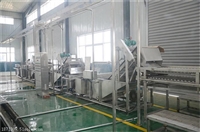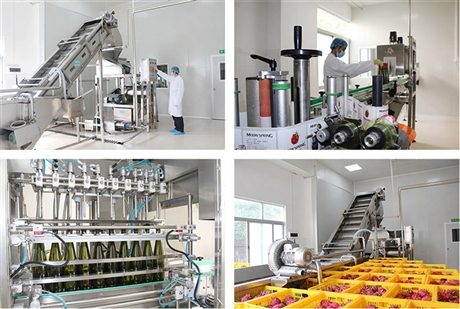

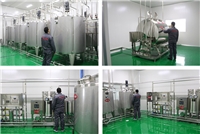


Wenzhou fruit juice equipment manufacturer inspects 2000 bottles per hour of fruit juice production line equipment price
Category:
Food and Beverage/Food and beverage processing equipment/Beverage production equipment
Model:
kx-2000
Brand:
Wenzhou Kexin
Retail Price
260,000.00USD
重量
kg
- Product Description
-
Description :
One Introduction to fruit juice drinks:
Fruit juice is a juice product obtained from fruits through physical methods such as pressing, centrifugation, extraction, etc. It generally refers to pure fruit juice or fruit juice.
Juice is divided into clear juice and cloudy juice according to its form. Clear fruit juice is clear and transparent, such as apple juice, while cloudy fruit juice is uniformly cloudy, such as orange juice; According to the juice content, it can be divided into raw juice, fruit juice, juice drinks, fruit juice drinks, juice soda, and fruit flavored drinks.
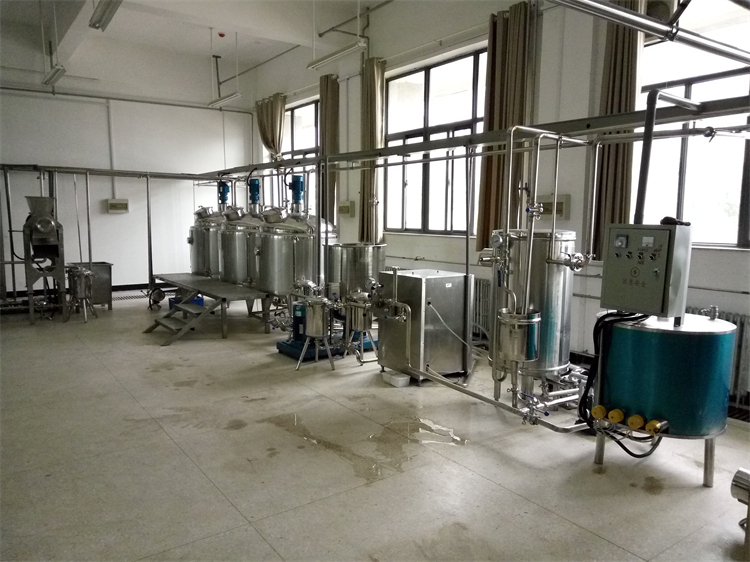
II The difference between eating fruits and drinking fruit juice:
There is a significant difference in nutrition between fruit juice and fruit, so do not confuse the two. Fruit juice cannot completely replace fruit.
Firstly, fruit juice contains almost no fiber found in fruits;
Secondly, the process of crushing and pressing destroys certain easily oxidizable vitamins in the fruit;
Thirdly, the deficiency of certain nutrients (such as cellulose) in fruits can have adverse effects on overall nutritional function;
Fourthly, there are some additives in the process of juice production that inevitably affect the nutritional quality of juice, such as sweeteners, preservatives, coagulants that make juice clear, and additives that prevent juice discoloration;
Fifthly, the sterilization method of heating can also damage the nutritional content of fruits.
Sixth, therefore, for those who are able to consume fresh fruits, whole fruits are always a nutritionally good choice.
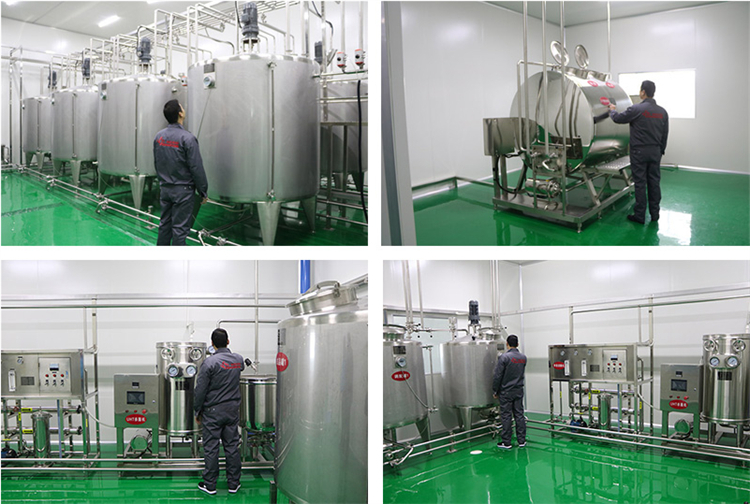
III Nine major categories of fruit juice beverages:
Fruit juice and fruit juice beverages can be divided into 9 types: fruit juice, fruit pulp, concentrated fruit pulp, fruit juice beverage, fruit pellet fruit juice beverage, fruit beverage concentrate, fruit beverage, etc.
4 Five principles for juice selection:
1. Choose juice based on concentration: high concentration, good nutrition: Juice drinks will be labeled with concentration on the bottle label. There are roughly four concentrations of fruit juice drinks on the market: 10%, 30%, 50%, and most are 10%. Taking 380ml of juice with a concentration of 10% as an example, its original juice content is only 10%, which is only 38ml, while the rest is water and food additives. Its value as a "juice" can be imagined. In some mature fruit juice industries, beverages containing only 10% original fruit juice cannot even be called fruit juice beverages. Only when the content reaches 30% can the name "fruit juice beverage" be used. So some people jokingly say that some people are not drinking fruit juice, they are drinking sweetener colored water.
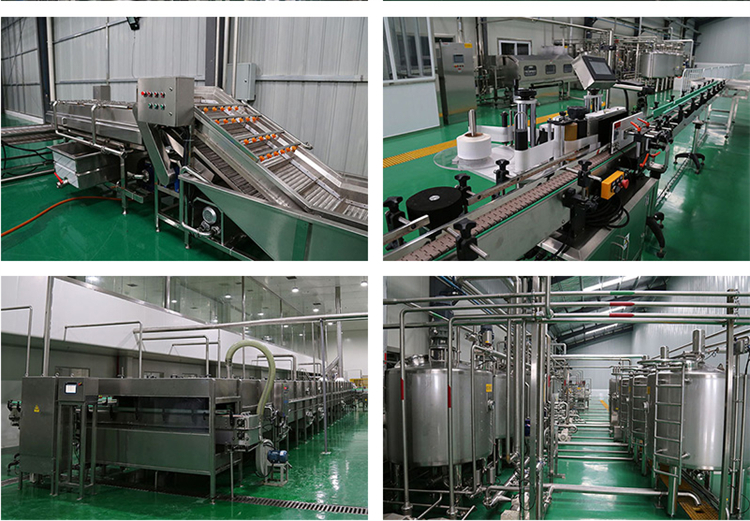
2. The second step in selecting fruit juice is to look at the place of origin: as the saying goes, oranges born in Huainan are called oranges, while those born in Huaibei are called tangerines. Juice made from fruits from good production areas is naturally much better than ordinary ones. As long as the taste is good, there will naturally not be too many food additives added. If the juice ingredients come from a good place of origin, manufacturers are generally willing to indicate it on the bottle label, and consumers should pay more attention when choosing.
Step 3 of selecting fruit juice: Look for sediment: Fruit juice with sediment indicates that the manufacturer has retained the cellulose in the fruit during the production process, which is very beneficial to the human body. Therefore, fruit juice with sediment is generally more suitable for human consumption than fruit juice without sediment, and it needs to be shaken before drinking. Secondly, the fruit pulp components in some fruit juice drinks do not precipitate and will remain evenly suspended no matter how long they are stored, which is contrary to common sense and may be due to the addition of some unknown food additives. The security level remains to be verified.
4. The fourth step in selecting juice is to check its color: the richer and more natural it is. Some fruit juices in supermarkets have bright colors, good transparency, and are really beautiful; Some appear to have low transparency, appear mellow, and even a bit dim. After cutting open fresh apples, a layer of rust will immediately appear on the surface. The reason is that fruits are prone to oxidation, and over time, their color will naturally change. Juice is no exception. After being stored for a long time, its color becomes mellow, textured, and its transparency and brightness decrease. Juice that will not change color even after being stored for a long time may have added color protectants and preservatives. Consumers are advised to be cautious when drinking it. Those juices that look a bit dim on the shelves are actually good juices.
5. The fifth step in selecting juice is to check the ingredients: Only when the ingredients are good, can the juice beverage bottle be labeled with the ingredients. At this point, consumers need to carefully examine these ingredients.
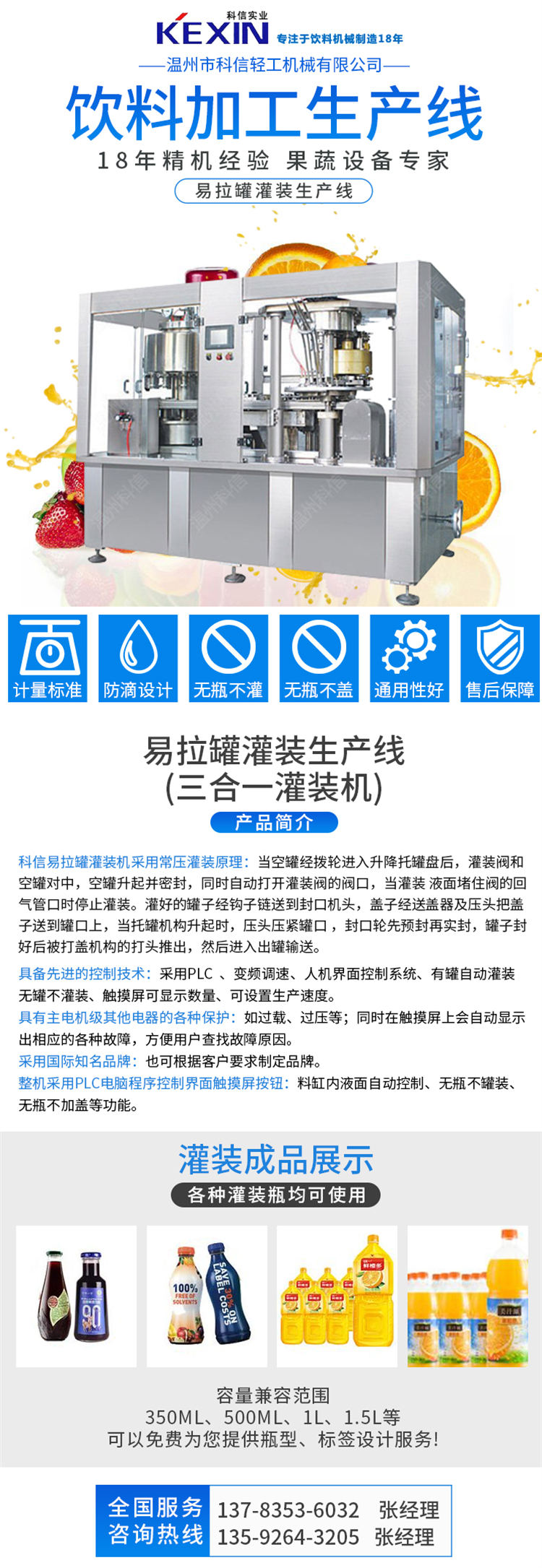
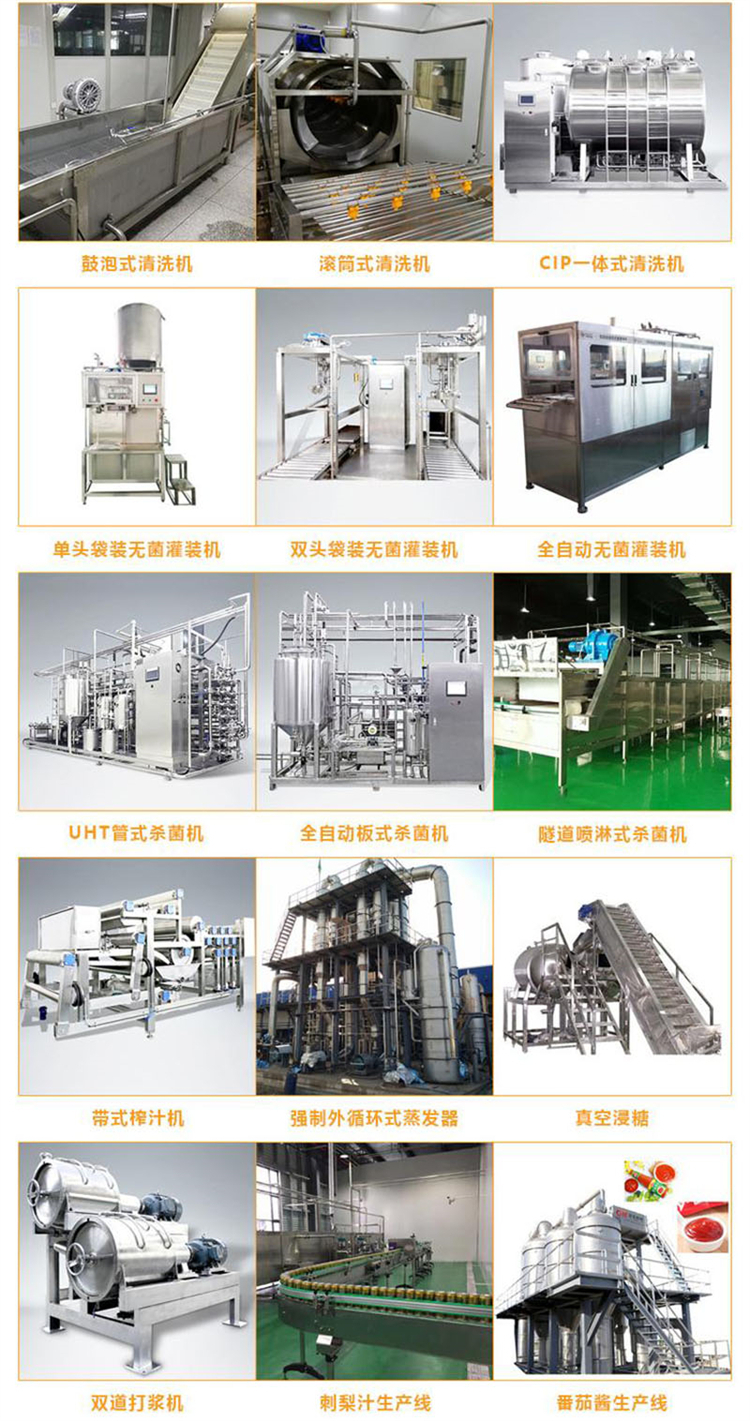
Five Production process and equipment for juice beverage production line:
1. Raw material selection:
Choose fully mature options Fresh Good flavor Rich in juice Peach fruits that are free from pests and diseases, and those that are not mature enough, need to undergo post ripening.
2. Raw material pretreatment:
clean. After selecting the raw materials, rinse them with clean water to remove impurities. After cleaning, rinse them in a 1% hydrochloric acid solution or detergent solution to remove residual pesticides. Rinse them in clean water and drain them.
Cut half to remove the nucleus. Use a cutting and excavating machine. 3. Soak for color protection. Add 0.1% of the raw materials after half cutting and half digging. Soak in a mixed solution of ascorbic acid and citric acid for color protection.
3. Heating and pulping:
The fruit chunks are heated at 90 ° C-95 ° C for 3-5 minutes to promote softening, and then beaten using a 0.5 mm diameter beater to remove the skin.
4. Flavor adjustment:
After the previous processing, the fruit pulp needs to be adjusted to enhance its flavor. Add sugar when adjusting Ingredients such as citric acid and L-ascorbic acid. The ratio is 100 kilograms of peach pulp and 80 kilograms of 27% sugar solution Citric acid 0.45 kg L-ascorbic acid 0.07-0.2 kg.
5. Homogeneous degassing:
Homogenization is the process of splitting the suspended fruit pulp particles into smaller particles and evenly dispersing them in the juice, increasing the stability of the juice and preventing stratification.
The homogenization method is to pass the roughly filtered juice through a high-pressure homogenizer, allowing the pulp particles and colloidal substances in the juice to pass through small holes with a diameter of 0.002-0.003 millimeters under high pressure and become finer particles. Generally, a homogenizer weighing 130-160 kilograms per square centimeter is used in production.
Additionally, colloid mills can be used for homogenization. When the juice flows through the narrow slit with a gap of 0.05-0.075 millimeters in the colloid mill, the pulp particles in the juice collide and rub against each other due to strong centrifugal force, thus achieving homogenization.
6. Sterilization and canning:
Heat the juice to 95 ℃, maintain for 1 minute, and immediately fill the can while it is still hot.
7. Sealed cooling:
Tighten the bottle cap and invert the can for one minute. After sealing, quickly cool it in sections to around 38 ℃, and then store it in the warehouse.
Qualified fruit tea products are pink or yellow brown in color, with a dark red color allowed; The liquid is uniformly cloudy, and there are particles settling after long-term standing; Has a peach juice flavor and no off flavors; Soluble solids reach 10% -14%
VI Equipment required for juice beverage production line:
1. Water treatment. Reverse osmosis costs approximately 40000 to 60000 yuan.
2. Filling machine. If the daily production demand is 1000 pieces and overtime production is possible, using a 1000-1500 bottle/hour rotary filling line is sufficient. A higher quality complete set should not exceed 150000 yuan.
3. Equipment materials and key components. For the durability of the equipment, it is necessary to use 304 stainless steel material, in addition to the pipeline Valves Pumps and other equipment need to be used better.
4. If it is a PET bottle, pour the bottle later Cooling and other facilities.
5. One half ton coal boiler, with an additional 20000 yuan for installation and renovation.
6. The height of the factory building should be at least 4 meters and the area should be at least 700 square meters (one line).
7. Pure production equipment can be purchased for around 350000 to 400000 yuan, but now auxiliary facilities are more expensive, such as factory renovation Personnel disinfection facilities Clean the workshop The laboratory and other facilities are estimated to require 300000 yuan for insurance.
8. In addition, rent A reserve fund of at least 300000 yuan is also required for preparation.
Therefore, starting a beverage factory that can produce stable quality and sustain survival now requires at least 1 million yuan.
10. It should be noted that once established, there is no turning back. Investors in small beverage enterprises often only focus on equipment investment costs and overlook supporting facilities Auxiliary facilities Start up expenses Declare QS. Customized mold packing design. Plate making Recruitment train. Post production costs and time expenses such as trial production. Develop two or more plans and emergency measures, and implement them cautiously.
7 Kexin Company can provide you with after-sales service:
1. Equipment installation and debugging: Assign experienced technicians according to different production equipment The engineer is responsible for installation and debugging, completing their work on schedule according to the contract requirements, and entering normal production after passing the acceptance inspection.
2. After sales service archiving: After the installation and commissioning of the production equipment purchased by customers, all relevant information will enter the special archive service management system, and the use and operation will be timely monitored by our company, with fast and timely service and regular follow-up procedures.
3. Service time commitment: Before the production equipment arrives at the customer's factory, please make an appointment with the after-sales service department for the arrival time of the debugging personnel. According to the requirements, they will arrive at the site on time. If there is an emergency situation that cannot be handled during the operation of the equipment, it will be directly reported to the after-sales service department. After working hours, please contact the contracting parties or marketing personnel, and arrive at the site within 12 hours after receiving the notification.
4. Technical training: In order to ensure that customer technical personnel can proficiently master the performance and operation maintenance procedures of the equipment, in addition to on-site training, we can provide customers with specialized technical training within our company. Customers will be invited to our beverage production experimental factory according to actual needs The model factory receives training.
5. Supply of spare parts: Adequate supply of spare parts throughout the year, quick handling of telephone mail order business at any time, on-site service for major repair parts plan, saving customers time and costs.
6. Regular tour service: Based on customer satisfaction survey results and different customer requirements, visit customers in stages and batches according to the plan, solve customer problems in production at any time, and continuously improve through summarization to achieve customer satisfaction. Customers are requested to fill out the Customer Satisfaction Survey Form and User Service Card carefully at that time.
7. Undertake large equipment In the middle Minor repair: The company undertakes major projects In the middle Minor repairs, repair parts are supplied at a 10% discount from the factory price. Major repairs take 30 days, medium repairs take 15 days, and minor repairs take 3-7 days to complete.
8. Information Service: In order to facilitate customers' understanding of the development of the beverage market and packaging equipment trends, our company will promptly inform you of new information and regularly mail our consulting magazines to customers.
9. Quality Commitment: The equipment provided by Wenzhou Kexin Machinery Manufacturing Co., Ltd. is guaranteed to be brand new Advanced and reliable products that meet the process requirements, and have a one-year warranty from the date of delivery (vulnerable parts are not covered by the warranty).
AfterSalesService :
Key words:- Juice equipment manufacturer
More Products