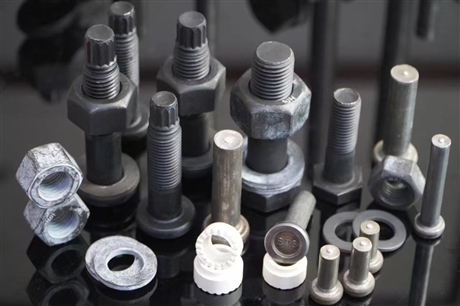

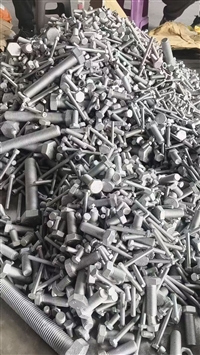
4.8 to 8.8 grade steel structure bolt torsion shear type and customized support for anchor bolts
Category:
mechanical equipment/Fasteners, connectors/bolt
Model:
4.8 grade/8.8 grade/torsional shear type/foundation bolt
Brand:
Haole
performance level:
4.8/8.8 levels
Product Type:
Twisted shear type/foot/large hexagonal
Material:
20 #/35 #/45 # steel
Surface Treatment:
Galvanized/Dacromet/Black Material
Execution Standard:
GB/T 1231/GB/T 3632
tensile strength:
400-800MPa
Applicable Scenarios:
Steel structure factory/bridge/high-rise building
connection method:
Friction type/pressure type
Retail Price
10,000,000.00USD
重量
kg
- Product Description
-
performance level 4.8/8.8 levels
Product Type Twisted shear type/foot/large hexagonal
Material 20 #/35 #/45 # steel
Surface Treatment Galvanized/Dacromet/Black Material
Execution Standard GB/T 1231/GB/T 3632
tensile strength 400-800MPa
Applicable Scenarios Steel structure factory/bridge/high-rise building
connection method Friction type/pressure type
Description :
Steel structure bolts are key fasteners used to connect steel structural components, mainly solving the problem of force transmission in beam column nodes, support connections, and other parts. This category covers 4.8 grade ordinary bolts, 8.8 grade high-strength bolts, as well as specialized torsion shear bolts and foundation bolts, suitable for typical working conditions such as industrial plants, bridges, and high-rise buildings. Controlling the pre tension force to ensure the stiffness and stability of node connections and prevent structural looseness or deformation is an essential foundation component in steel structure engineering.
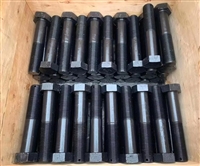
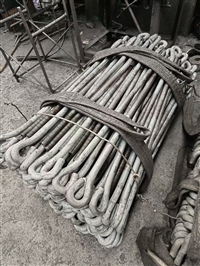
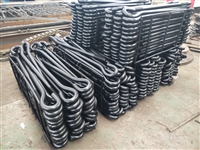
In terms of specifications, the tensile strength of the 4.8 grade bolt is 400MPa, and the yield ratio is 0.8; The tensile strength of grade 8.8 bolts reaches 800MPa, with a yield ratio of 0.8, and requires quenching and tempering heat treatment. The tail of the twist shear bolt has a plum blossom head. During construction, using a special electric wrench to break the plum blossom head indicates that the standard pre tightening force has been achieved with minimal error. Anchor bolts are usually L-shaped or straight hooked, embedded in concrete foundations. The implementation standards include GB/T 1231, GB/T 3632, etc. The materials are mostly 20 # steel, 35 # steel or 45 # steel, and the surface can be galvanized or Dacromet treated to enhance anti-corrosion performance.
When selecting, it is necessary to distinguish the type of force: 4.8 grade bolts are suitable for secondary connections or non load bearing structures; High strength bolts of grade 8.8 or above are used for main frame nodes to withstand significant shear and tensile forces. Twisted shear bolts are suitable for scenarios with narrow spaces, rapid construction, and high precision requirements for pre tightening force, such as large venue roofs. Anchor bolts are specifically designed for fixing column bases, and their length and diameter should be determined based on the foundation drawings. If the environment is highly corrosive, stainless steel material or heavy-duty anti-corrosion coating products should be selected to avoid electrochemical corrosion caused by mixing with ordinary carbon steel.
Before installation, it is necessary to clean the floating rust and oil stains on the contact surface to ensure that the anti slip coefficient of the friction surface meets the standard. It is strictly prohibited to forcefully insert high-strength bolts, and any deviation in the hole position should be corrected with a reamer. Gas cutting for hole expansion is not allowed. The construction of twist shear bolts should be carried out in the order of initial and final tightening, and the plum blossom head should be checked for complete breakage. Daily maintenance requires regular inspection of nodes for looseness and corrosion, especially for outdoor structures. If bolts are found to be broken or missing, they should be replaced with products of the same specification in a timely manner. It is strictly prohibited to use welding to repair broken bolts to avoid changing the mechanical properties of the material and affecting structural safety.
AfterSalesService :
Key words:
More Products