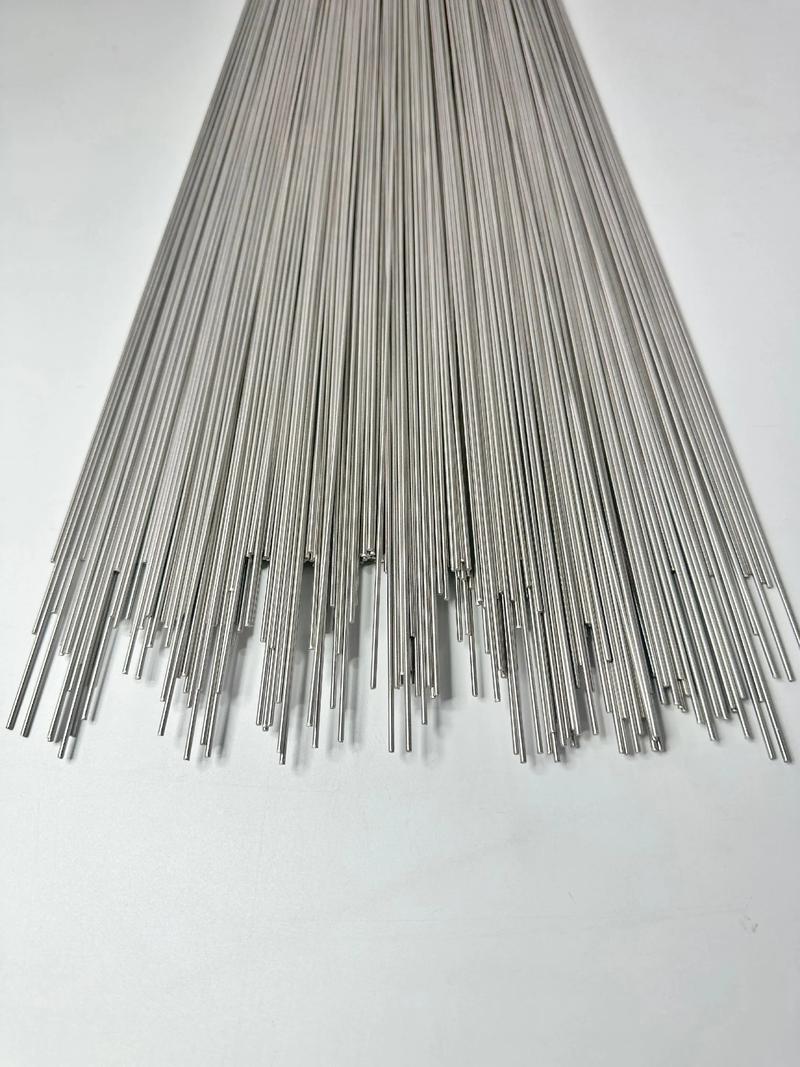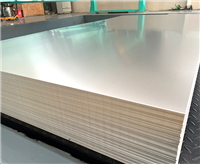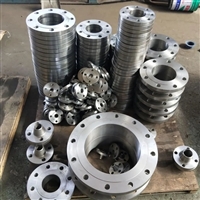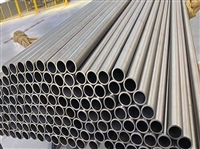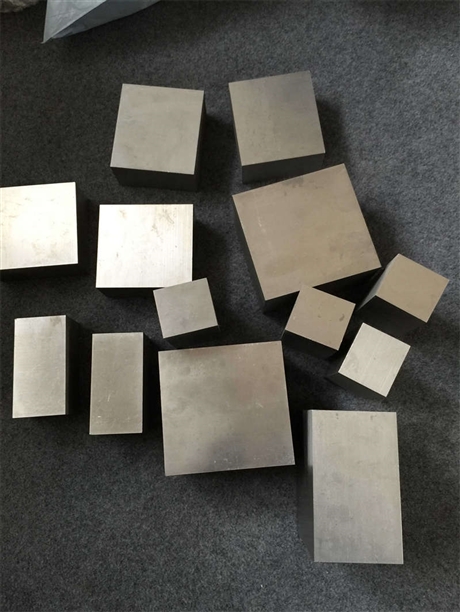

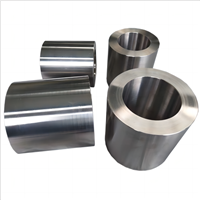
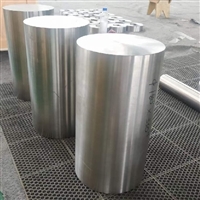
Titanium alloy forgings, high-strength and corrosion-resistant titanium special-shaped parts for aviation and chemical industries
Category:
metallurgy/Metal processing materials/Titanium and titanium alloy materials
Model:
Above 30mm
Brand:
Ming Yufeng
Material Grade:
TA1/TA2/TA9/TA10/TA15/TA18/TC4/TC11/TC18/TC21
Execution Standard:
GB/T 16598-2013
tensile strength:
≥895 MPa
yield strength:
≥800 MPa
elongation:
≥10%
Operating temperature:
-50℃~400℃
Surface Treatment:
Acid washing/sandblasting/car polishing
Detection Methods:
Ultrasonic flaw detection
Retail Price
10,000,000.00USD
重量
kg
- Product Description
-
Material Grade TA1/TA2/TA9/TA10/TA15/TA18/TC4/TC11/TC18/TC21
Execution Standard GB/T 16598-2013
tensile strength ≥895 MPa
yield strength ≥800 MPa
elongation ≥10%
Operating temperature -50℃~400℃
Surface Treatment Acid washing/sandblasting/car polishing
Detection Methods Ultrasonic flaw detection
Description :
Titanium forgings refer to metal products made from titanium and titanium alloys through processes such as heating, forging, and heat treatment. It mainly solves the high requirements for material strength, corrosion resistance, and lightweight under extreme working conditions. Typical operating conditions include high load and highly corrosive environments such as aerospace engine components, chemical reactor liners, and marine engineering structural components. As a basic industrial material, titanium forgings have become a key choice to replace traditional steel components due to their excellent specific strength and corrosion resistance, and are widely used in fields with strict requirements for safety and service life.
The specifications of titanium forgings include rods, cakes, and irregular parts with diameters ranging from 50mm to 1000mm. Common materials include TA1/TA2/TA9/TA10/TA15/TA18/TC4/TC11/TC18/TC21 and other grades. The execution standards usually follow international and domestic specifications such as GB/T 16598, GB/T25137, GJB 2744A, etc. The process flow includes vacuum melting, multi-directional forging, and ultrasonic testing to ensure that there are no cracks or inclusions inside. The surface condition can be acid washed or sandblasted, and the dimensional tolerance is generally controlled within ± 0.5mm. Each batch of products must be accompanied by a chemical composition analysis report and mechanical property testing data to ensure a yield strength of ≥ 800MPa, elongation of ≥ 10%, and meet industrial grade acceptance standards.
When selecting, it is necessary to clarify the temperature range of the operating environment, the corrosiveness of the medium, and the stress state. TC4 titanium forgings are suitable for high temperature and high strength scenarios, such as aviation fasteners; TA1/TA2 pure titanium forgings focus more on resistance to seawater or acid-base corrosion, and are suitable for chemical pump valves. If the operating temperature exceeds 400 ℃ or extremely high wear resistance is required, surface coating treatment or the use of special titanium alloys should be considered. Compared with ordinary stainless steel forgings, titanium forgings have a weight reduction of about 40%, but the cost is higher and needs to be balanced between lightweight benefits and budget. Not recommended for use in environments with strong reducing acids (such as hydrofluoric acid) to avoid rapid corrosion failure.
When installing titanium forgings, it is necessary to avoid direct contact with iron to prevent local corrosion caused by iron contamination. The typical service life can reach 10-20 years, depending on the erosion rate of the medium. The focus of daily maintenance is to regularly check the integrity of the surface passivation film, and if scratches are found, they should be promptly treated with acid pickling and passivation. Common faults include stress corrosion cracking, which is often caused by residual stress that has not been eliminated. Therefore, annealing treatment must be carried out after processing. When storing, it should be placed in a dry and ventilated place, away from sources of chloride ion pollution, and ensure that the threads or mating surfaces are clean to maintain its long-term structural stability and connection reliability.
AfterSalesService :
Key words:
More Products