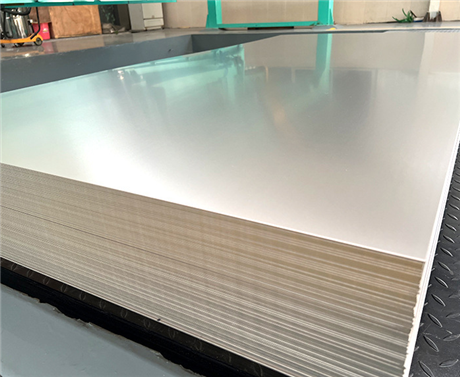

Industrial titanium sheet TA1/TA2/TA9/TA10/TA15/TA18/TC4 corrosion-resistant metal sheet for chemical and medical use
Category:
metallurgy/Non ferrous metal alloys/titanium alloy
Model:
Over 0.5 thick
Brand:
Ming Yufeng
Material Grade:
TA1/TA2/TA9/TA10/TA15/TA18/TC4
Execution Standard:
GB/T 3621-2017
density:
4.51g/cm³
melting point:
1668℃
surface state:
Acid washing/sandblasting/polishing
tensile strength:
≥240MPa (TA2)
elongation:
≥20%
Operating temperature:
-50 ℃ to 300 ℃
Retail Price
10,000,000.00USD
重量
kg
- Product Description
-
Material Grade TA1/TA2/TA9/TA10/TA15/TA18/TC4
Execution Standard GB/T 3621-2017
density 4.51g/cm³
melting point 1668℃
surface state Acid washing/sandblasting/polishing
tensile strength ≥240MPa (TA2)
elongation ≥20%
Operating temperature -50 ℃ to 300 ℃
Description :
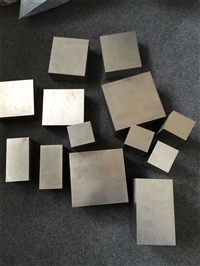
Titanium plate is a metal sheet rolled from titanium and titanium alloys, mainly used to solve material failure problems under strong corrosion, high temperature and high pressure, and lightweight working conditions. Typical applications include chemical containers, seawater desalination equipment, medical devices, and aerospace structural components. This category has excellent specific strength and corrosion resistance, and can form a dense oxide film in oxidizing media, effectively resisting chloride ion erosion. It is an ideal choice to replace stainless steel in extreme environments.
Common specifications range from 0.5mm to 50mm in thickness, 1000mm-2000mm in width, 2000mm-6000mm in length, and support non-standard customization. The material covers TA1, TA2 pure titanium and TC4 titanium alloy, and complies with the GB/T 3621-2017 "Titanium and Titanium Alloy Plate" standard. The surface condition includes acid washed surface, sandblasted surface, and polished surface, with a density of about 4.51g/cm ³ and a melting point of 1668 ℃. The product needs to undergo ultrasonic testing and mechanical performance testing to ensure that there are no cracks or inclusions inside, and that the elongation and tensile strength meet the national standard requirements.
When selecting, it is necessary to distinguish between pure titanium and titanium alloy application scenarios: TA1/TA2 is suitable for corrosive environments ranging from room temperature to medium temperature, such as the chlor alkali industry; TC4 and other alloys are used for high-strength structural components. If the working conditions contain hydrofluoric acid or dry chlorine gas, titanium plates are not suitable and Hastelloy or tantalum materials should be selected. Compared to stainless steel, titanium plates have a higher initial cost but lower maintenance costs throughout their entire lifecycle; Compared with aluminum plates, titanium plates have better heat resistance and stiffness, but they are more difficult to process and require specialized tools and techniques.
Installation welding should be carried out under inert gas protection to prevent embrittlement caused by high temperature hydrogen and oxygen absorption. It is recommended to use plasma or waterjet for cutting to avoid excessive heat affected zone. Daily maintenance requires regular cleaning of surface sediments and inspection of weld integrity. Common faults include crevice corrosion and stress corrosion cracking, often caused by design dead corners or residual stresses that have not been eliminated. Carbon steel dust should be isolated during storage to avoid pitting corrosion caused by iron ion pollution, and a dry and ventilated environment should be maintained.
AfterSalesService :
Key words:
More Products