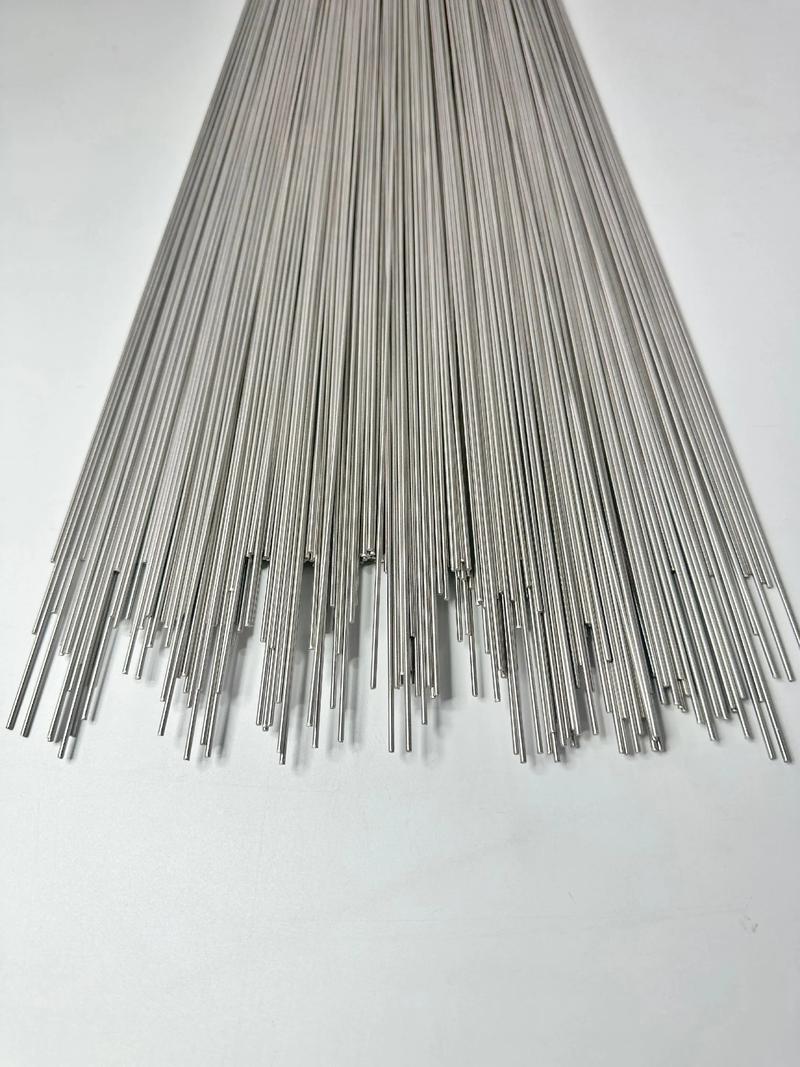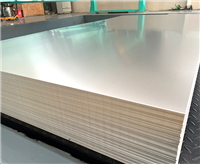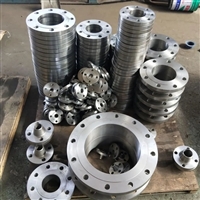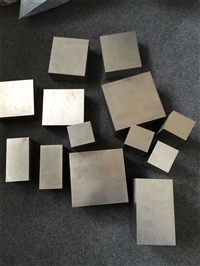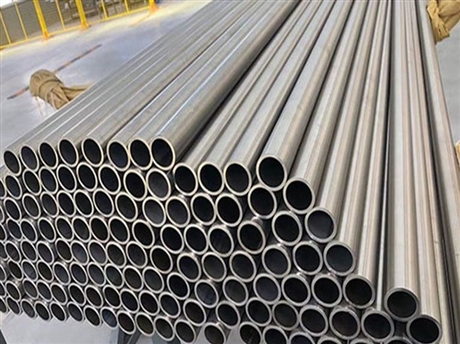

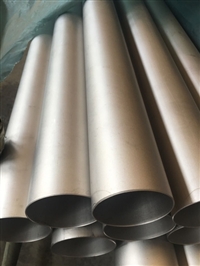
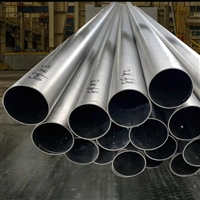
Industrial grade pure titanium tube TA1/TA2/TC4 corrosion-resistant titanium alloy tube for chemical heat exchange equipment
Category:
metallurgy/tubing/Seamless pipe
Model:
Above diameter 4.0
Brand:
Ming Yufeng
Material Grade:
TA1/TA2/TC4
Execution Standard:
GB/T 3624-2010
Outer diameter range:
Φ4-Φ426mm
Wall thickness range:
0.5-20mm
Delivery status:
Annealed and pickled state
tensile strength:
≥240MPa
elongation:
≥20%
Operating temperature:
-253℃~600℃
density:
4.51g/cm³
Retail Price
10,000,000.00USD
重量
kg
- Product Description
-
Material Grade TA1/TA2/TC4
Execution Standard GB/T 3624-2010
Outer diameter range Φ4-Φ426mm
Wall thickness range 0.5-20mm
Delivery status Annealed and pickled state
tensile strength ≥240MPa
elongation ≥20%
Operating temperature -253℃~600℃
density 4.51g/cm³
Description :
Titanium tube is a hollow long strip tube made of titanium and titanium alloy as raw materials, mainly used to solve the problems of fluid transportation and heat exchange under extreme working conditions such as strong corrosion, high temperature and high pressure. In the fields of chemical, petroleum, power, and seawater desalination, ordinary stainless steel pipes often have difficulty resisting chloride ion corrosion or high-temperature oxidation, while titanium pipes become key components due to their excellent chemical stability. This category usually covers industrial pure titanium (such as TA1, TA2) and titanium alloys (such as TC4) materials, which can adapt to a wide temperature range of -253 ℃ to 600 ℃. It is the core basic material for manufacturing condensers, evaporators, reactors, and pipeline systems, ensuring long-term stable operation of equipment in harsh media.
The specifications and parameters of titanium tubes strictly follow national and industry standards, and common implementation standards include international general specifications such as GB/T 3624, GB/T 3625, and ASTM B338. The outer diameter range usually ranges from Φ 6mm to Φ 426mm, and the wall thickness can be customized according to needs, generally between 0.5mm and 20mm. The length is mostly a fixed or multiple of 3000mm to 6000mm. The manufacturing process involves processes such as perforation, cold rolling, cold drawing, annealing, and pickling. The surface must maintain a metallic luster without cracks, peeling, or severe scratches. In the material composition, the titanium content of industrial pure titanium is not less than 99.5%, and impurity elements such as iron, carbon, nitrogen, hydrogen, and oxygen are strictly limited to ensure that the mechanical and corrosion resistance of the pipe meet the design requirements. Each batch of products must be accompanied by a material certificate and spectral analysis report.
In the selection process, it is necessary to clearly distinguish the application scenarios of industrial pure titanium pipes and titanium alloy pipes. TA1, TA2 and other pure titanium tubes are suitable for most oxidizing media and weakly reducing environments, such as seawater, wet chlorine gas, nitric acid, etc., and have good weldability and formability; TC4 and other titanium alloy pipes are focused on high-strength applications, such as aviation hydraulic systems or high-pressure vessels. If there is a risk of hydrogen embrittlement or high-temperature creep in the working conditions, careful evaluation of material selection is necessary. In addition, titanium pipes do not come into direct contact with carbon steel to prevent galvanic corrosion, and insulation gaskets or transition joints need to be used during installation. For non corrosive fluids at room temperature and low pressure, if cost is sensitive, alternative solutions can be considered. However, in projects involving high purity requirements or long life cycles, titanium pipes are still an irreplaceable preferred material.
The installation and maintenance of titanium pipes should pay attention to cleanliness and operating standards. During welding, argon arc welding and argon protection should be used to prevent oxidation and discoloration of the weld seam from affecting corrosion resistance. After welding, acid pickling and passivation treatment should be carried out to restore the surface oxide film. In daily use, it is necessary to regularly check whether the pipeline support points are firm to avoid fatigue fracture caused by vibration. Although titanium tubes have strong corrosion resistance, they may still undergo violent reactions in dry chlorine gas, fuming sulfuric acid, or fluorine-containing media. It is important to confirm the composition of the media before use. The maintenance cycle is usually long, and the main inspection content is leakage point monitoring and wall thickness reduction. Regular testing with ultrasonic thickness gauges can effectively predict the service life, ensure production safety, and reduce economic losses caused by unplanned shutdowns.
AfterSalesService :
Key words:
More Products