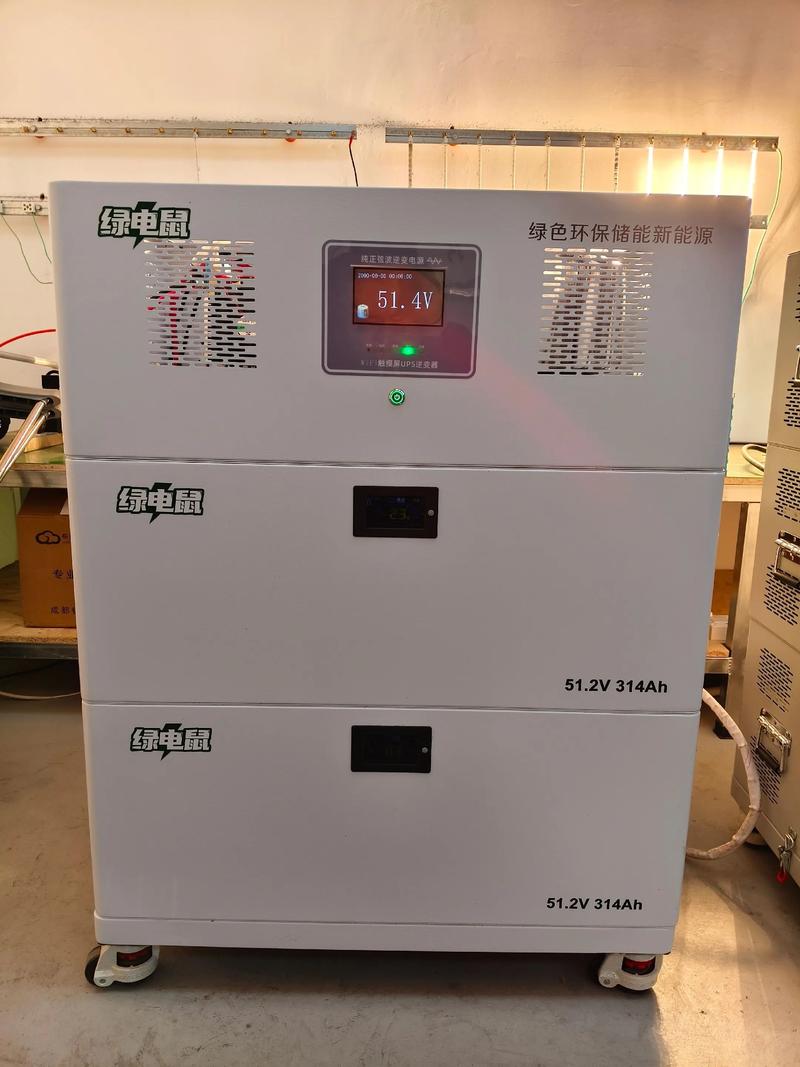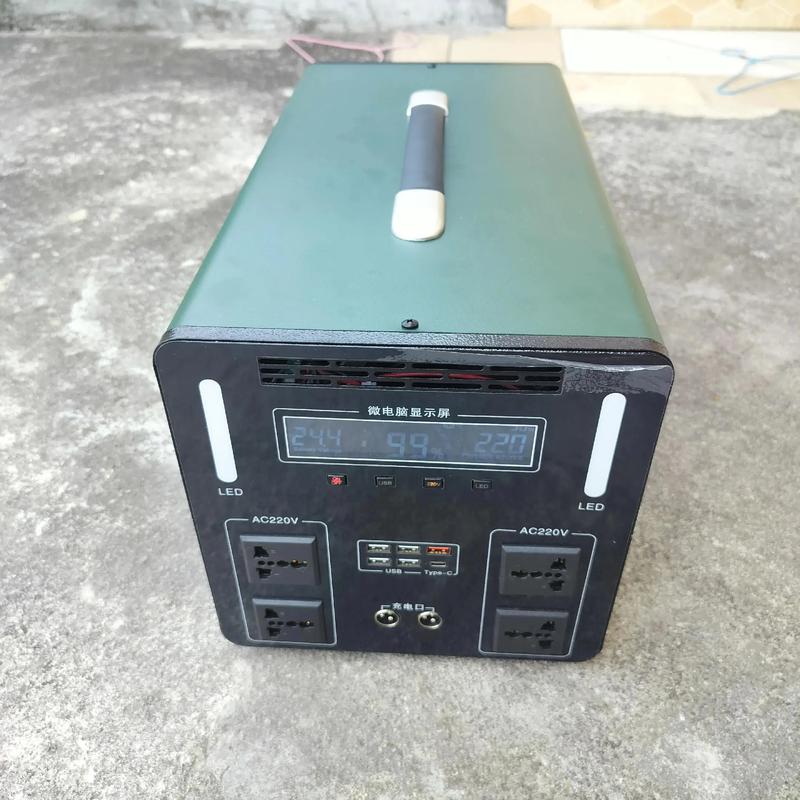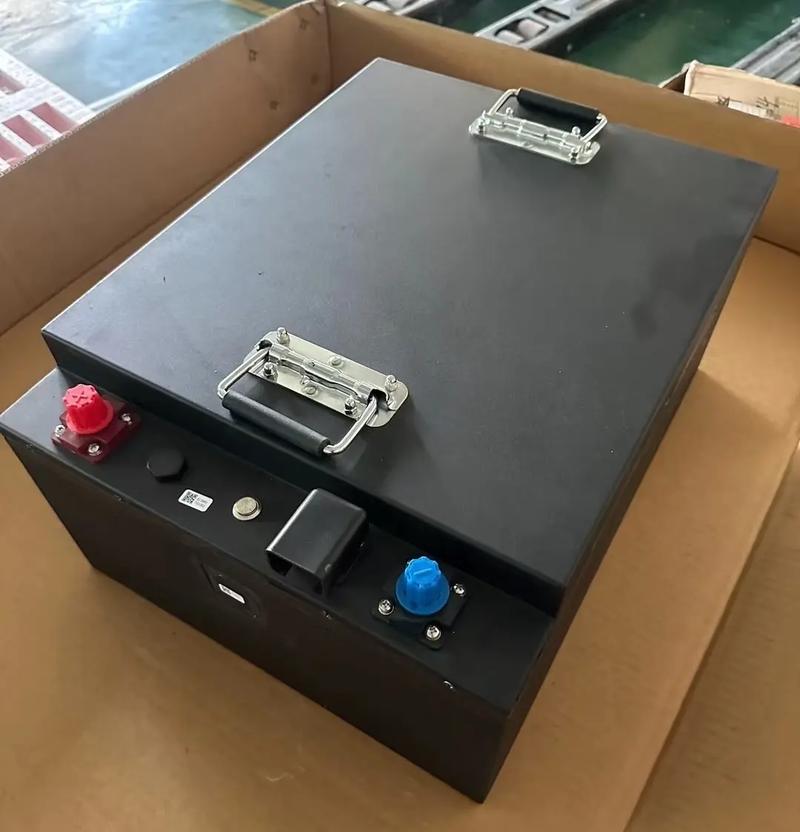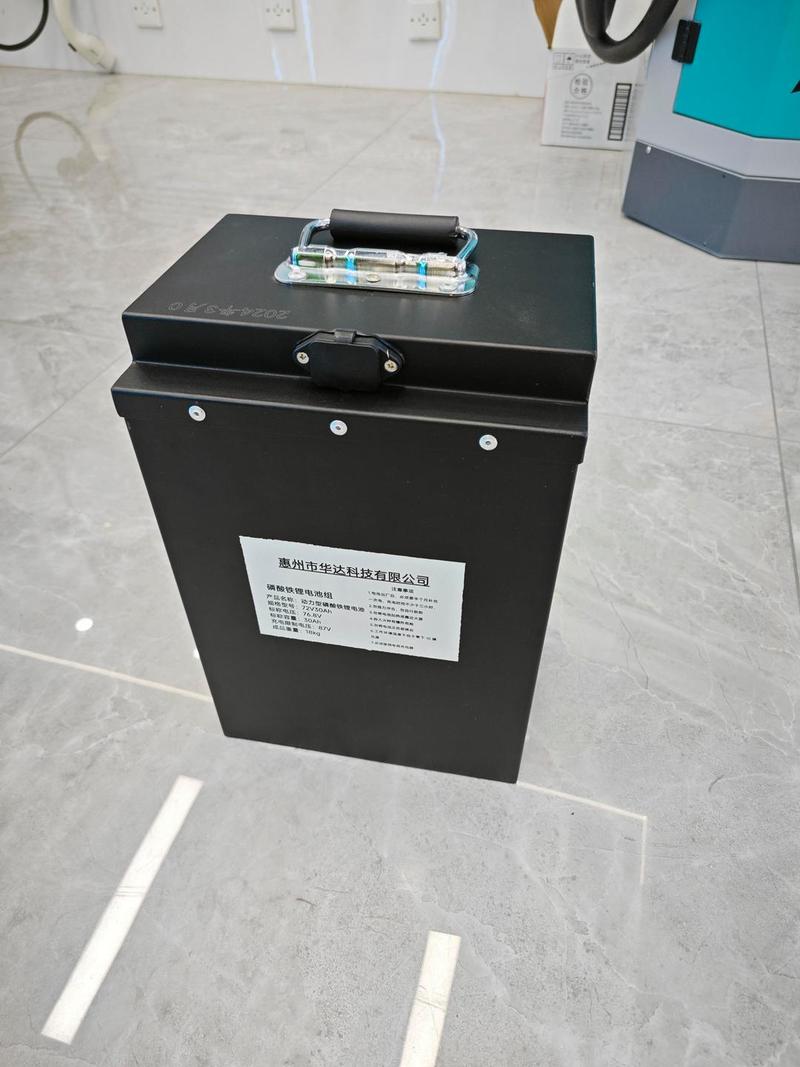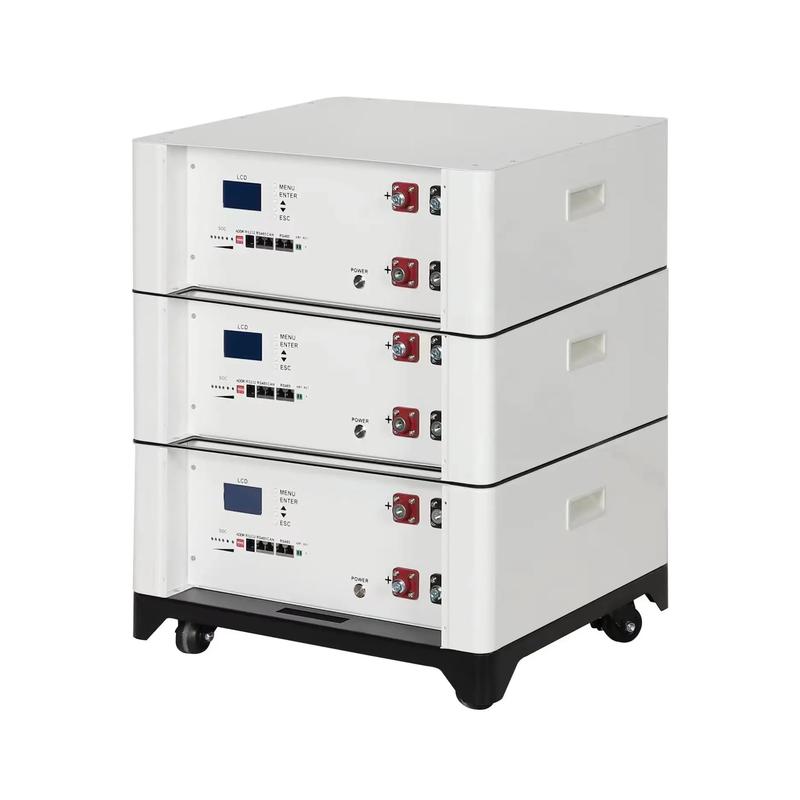

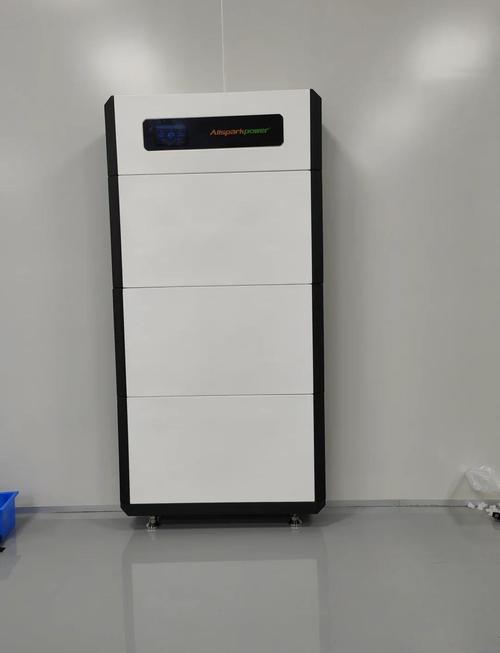
Modular stacked energy storage system, flexible expansion of industrial and commercial lithium battery cabinets
Category:
energy/Other energy classification/Energy storage equipment
Model:
51.2v314ah
Brand:
Kemei Wei
Cell Type:
Lithium iron phosphate (LFP)
system voltage:
51.2V/400V/800V
Protection rating:
IP54
cooling method:
Air cooled/liquid cooled
cycle life:
≥ 6000 times
Operating temperature:
-20℃~55℃
Communication Interface:
RS485/CAN
Installation Method:
Stacking on the ground
Retail Price
10,000,000.00USD
重量
kg
- Product Description
-
Cell Type Lithium iron phosphate (LFP)
system voltage 51.2V/400V/800V
Protection rating IP54
cooling method Air cooled/liquid cooled
cycle life ≥ 6000 times
Operating temperature -20℃~55℃
Communication Interface RS485/CAN
Installation Method Stacking on the ground
Description :
Stacked energy storage system is an electrochemical energy storage device that adopts a modular design concept, mainly solving the problems of limited space and large power load fluctuations in industrial and commercial scenarios. This device greatly improves the energy density per unit area by vertically stacking battery modules. Typical operating conditions include factory peak shaving and valley filling, park backup power supply, and microgrid energy management. Its core advantages lie in its compact structure, flexible deployment, and ability to adapt to various complex installation environments, providing users with stable and efficient energy storage and release services. It is an important component of modern smart energy management.
In terms of specifications and processes, stacked energy storage systems typically use lithium iron phosphate (LFP) cells, which have high safety and long cycle life characteristics. The box structure is mostly made of high-strength cold-rolled steel plate or aluminum alloy material, and the surface is treated with anti-corrosion spray coating. The protection level generally reaches IP54 or above, which is suitable for harsh outdoor weather. Internally integrated advanced battery management system (BMS) and thermal management system, supporting air cooling or liquid cooling heat dissipation methods, ensuring that the temperature difference of the battery cells is controlled within a reasonable range. The execution standard complies with national standards such as GB/T 36276 and has passed international certifications such as CE and UL. It has multiple protection mechanisms such as overcharge, overdischarge, and short circuit, ensuring the safe and reliable operation of the system.
When selecting, special attention should be paid to capacity configuration and power matching. Stacked energy storage systems are suitable for industrial and commercial rooftops, distribution rooms, or small ground stations that require high space utilization. Compared with traditional containerized energy storage, its single unit capacity is smaller but highly scalable. It can flexibly increase the number of modules according to actual load requirements, achieving smooth expansion from tens of kilowatt hours to megawatt hours. If the application scenario is a large centralized ground power station, it is necessary to evaluate its operation and maintenance convenience and initial investment cost, in order to avoid excessive dispersion and increase in management complexity. Users should calculate the optimal ratio based on daily charging and discharging strategies and peak load data to achieve the best economic return rate.
Before installing a stacked energy storage system, it is necessary to ensure that the foundation ground is flat and sturdy, and to reserve sufficient heat dissipation channels and maintenance space. When wiring, electrical specifications should be strictly followed, and the positive and negative polarities and communication line connections should be confirmed to be correct. It is recommended to regularly check the sealing of the box, clean the filter screen of the cooling fan, and monitor the pressure difference and temperature distribution of the battery cells through the monitoring platform to detect abnormal units in a timely manner. Common faults include communication interruption or insulation alarm, in which case the connector should be checked for looseness or the cable should be checked for damage. When idle for a long time, it is recommended to maintain the battery level within the range of 50% -60% and perform charging and discharging maintenance every three months to extend the overall service life of the battery pack and maintain the optimal performance of the system.
AfterSalesService :
五年Key words:
More Products