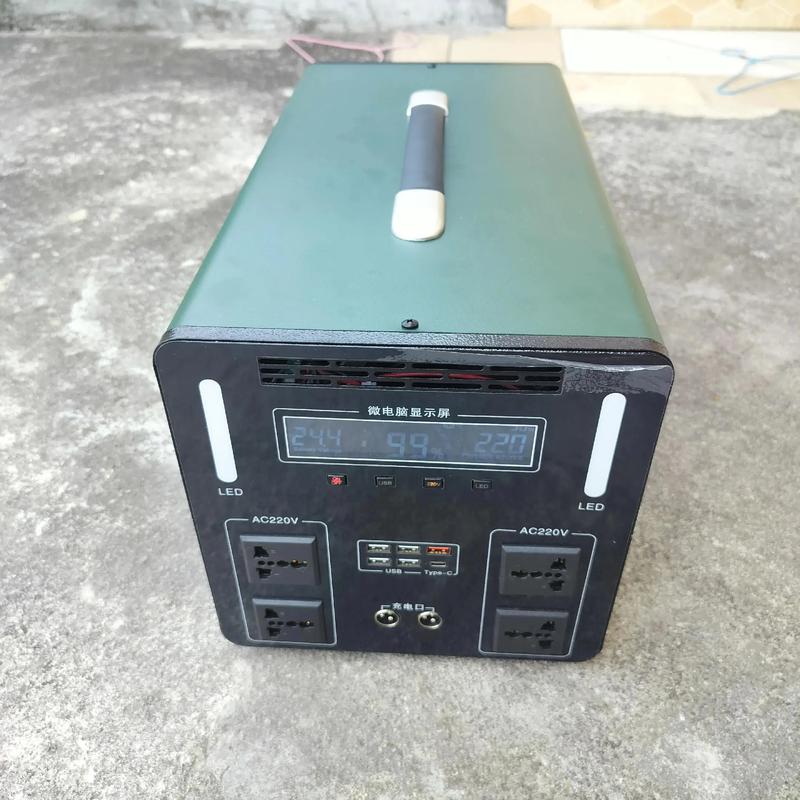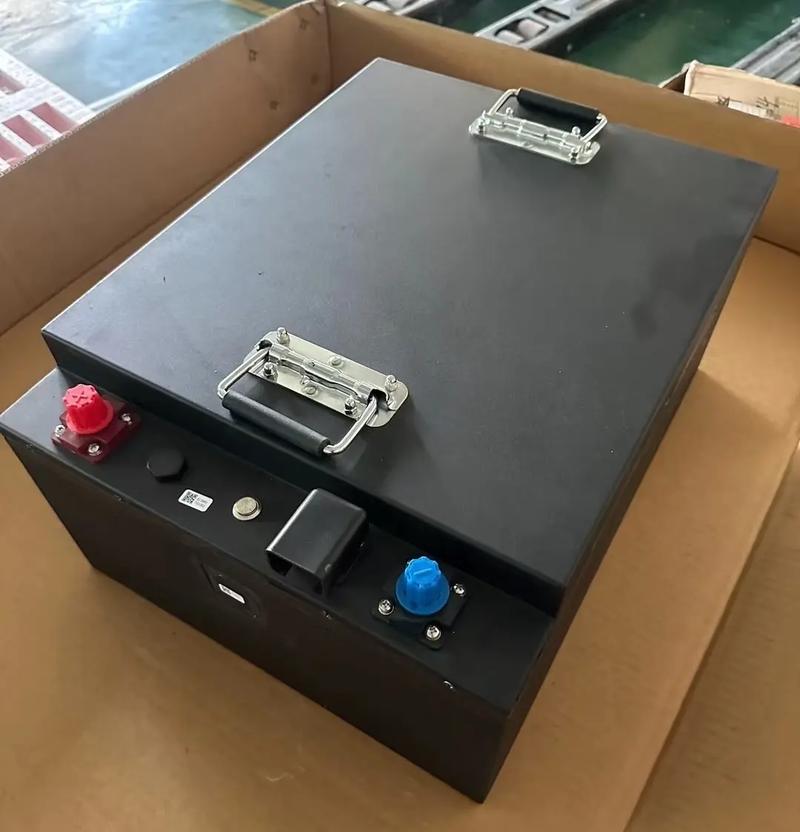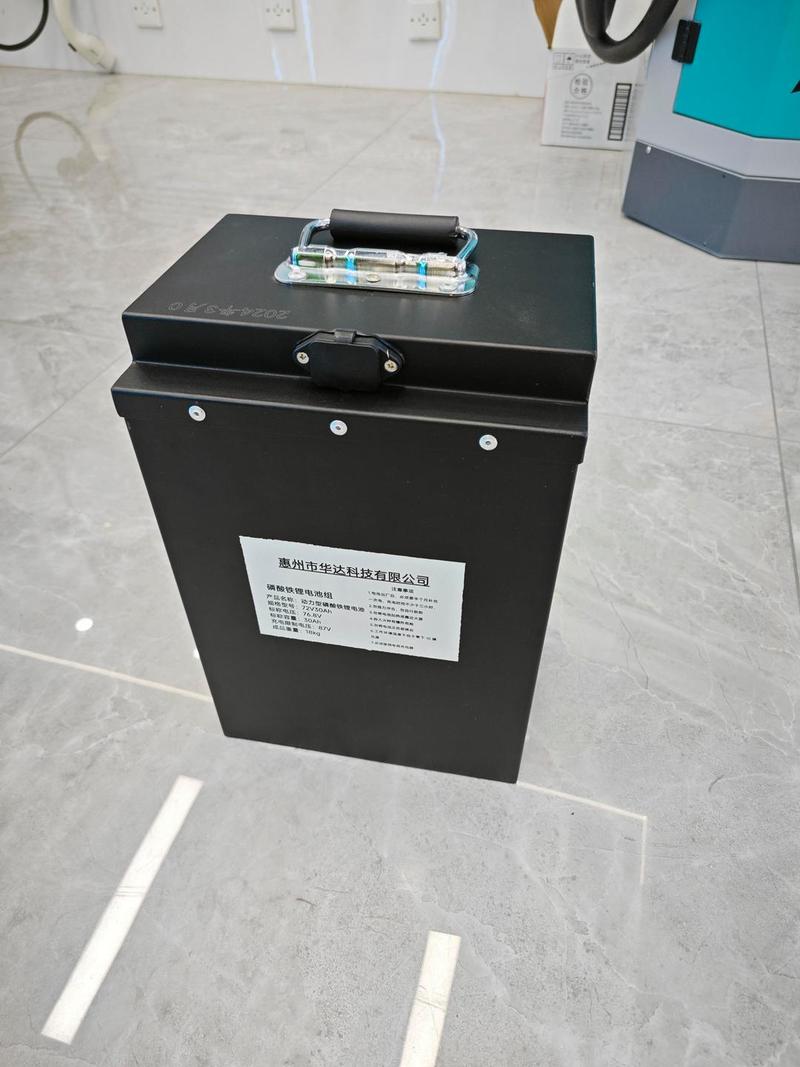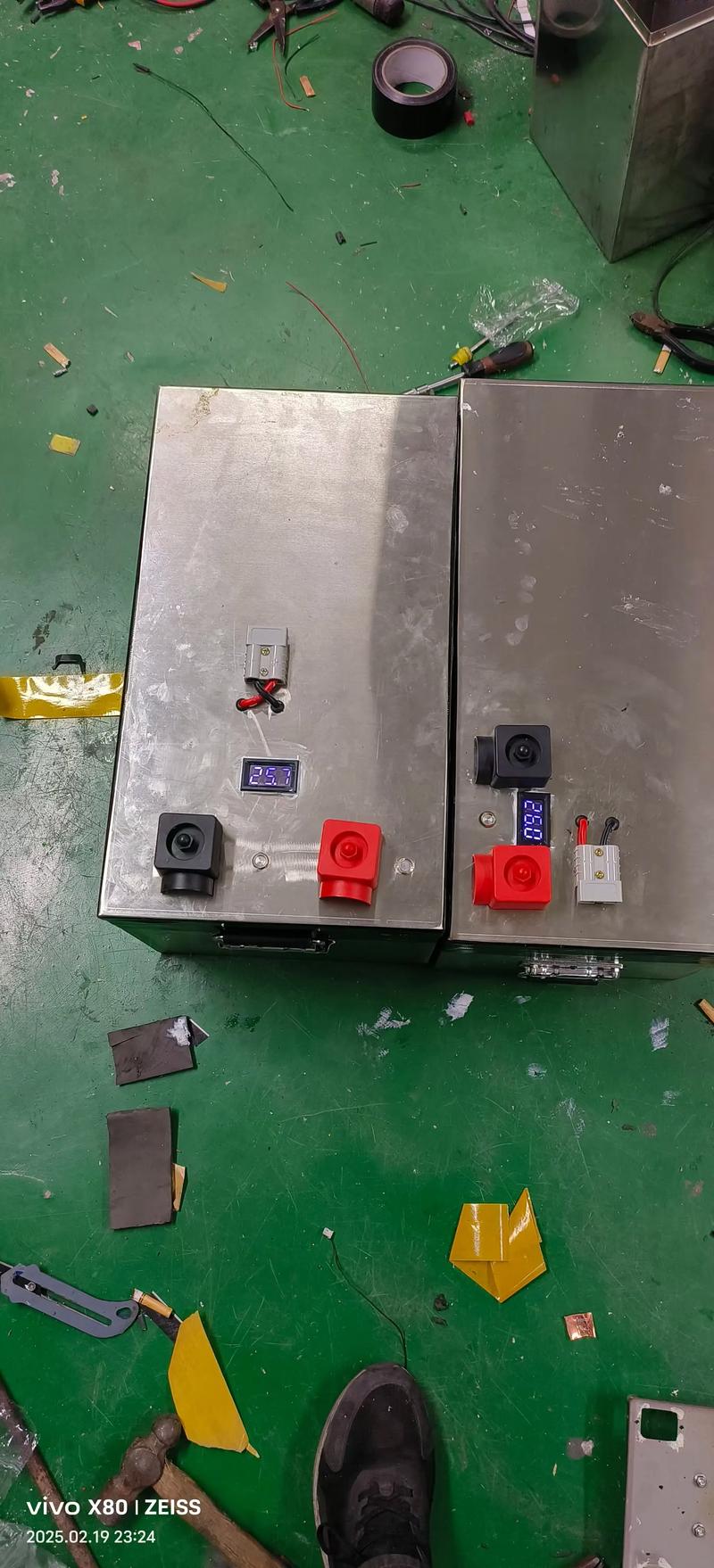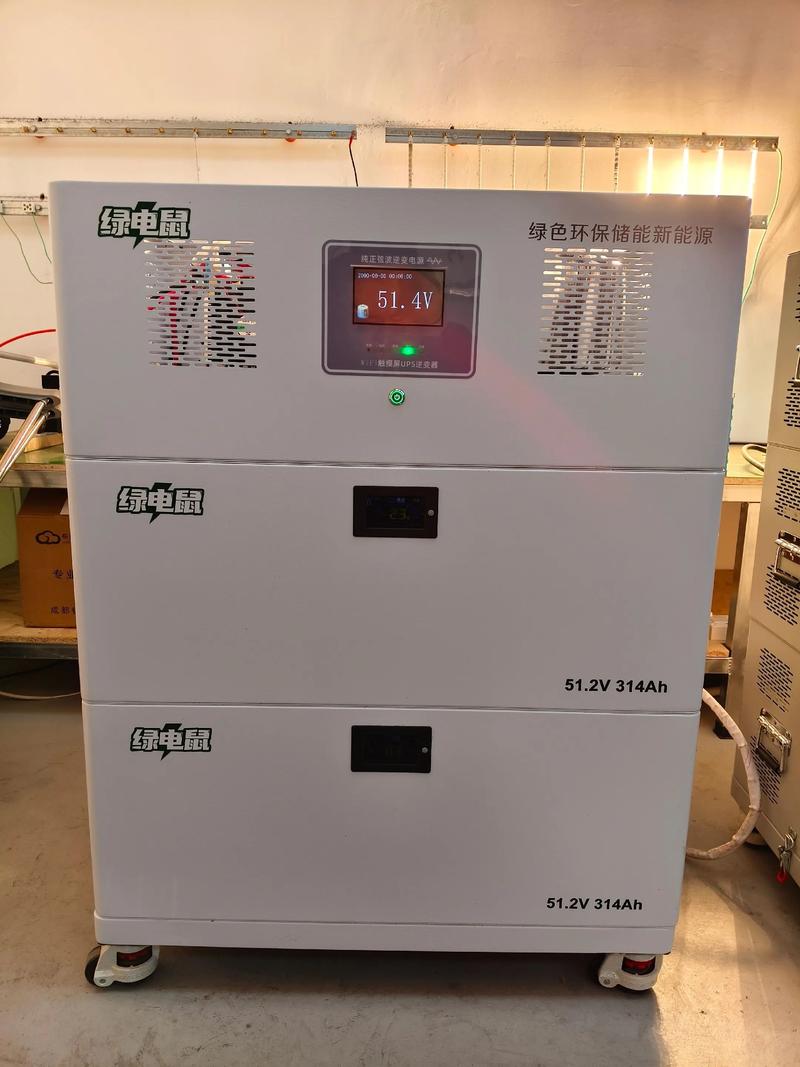

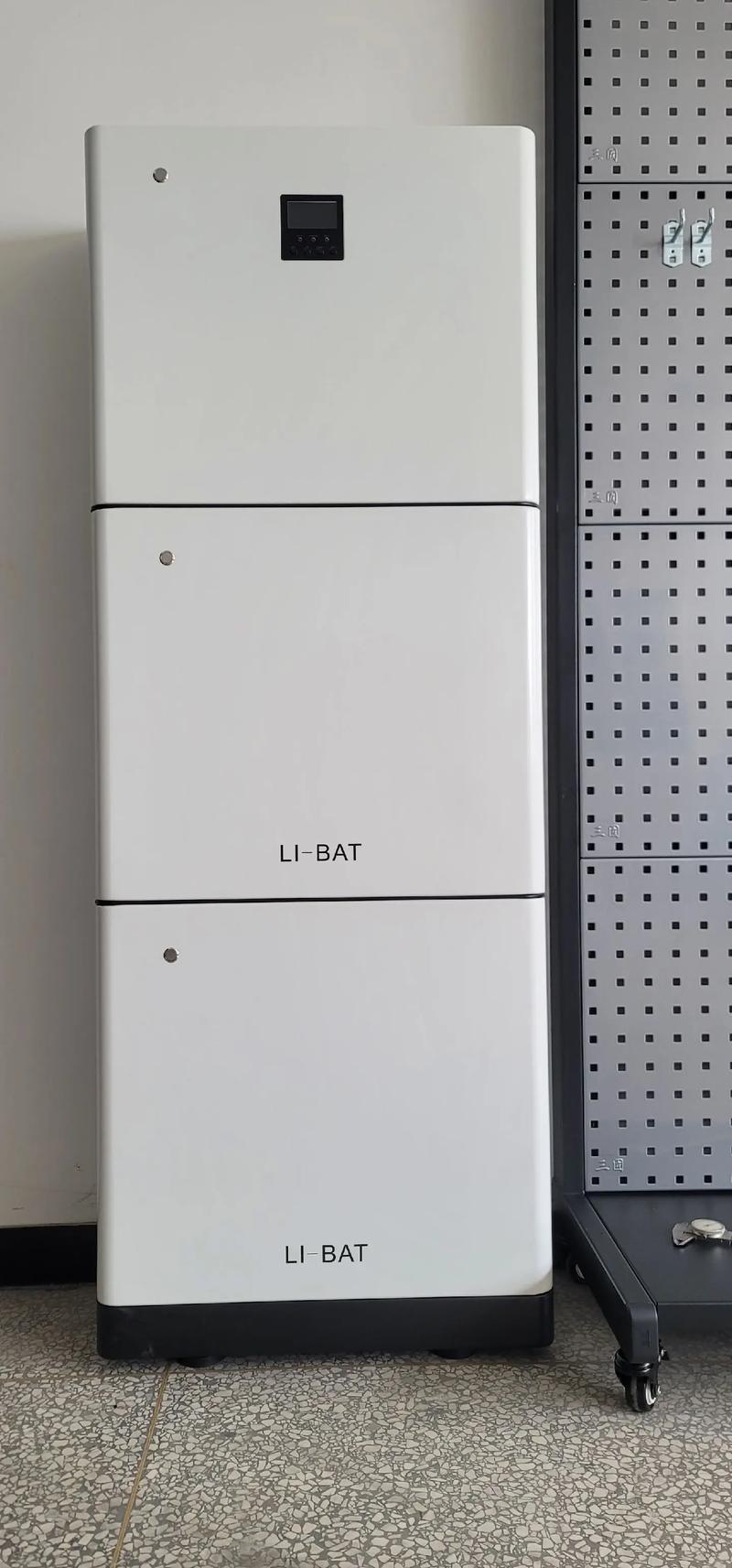
Industrial and Commercial Energy Storage Reverse Storage Integrated Machine Light Storage Charging Integrated System Shenzhen Kaimei Wei New Energy
Category:
energy/Other energy classification/Energy storage equipment
Model:
5kw, 10kw, 15kw, 20kw, etc. can be OEM manufactured
Brand:
Kemei Wei
rated power:
50kW-100kW
maximum efficiency:
≥97.5%
Protection rating:
IP54
cooling method:
Smart Air Cooling
Communication Interface:
RS485/CAN/WIFI
Input voltage range:
200V-1000V DC
output voltage:
380V AC three-phase
noise level:
≤55dB
Retail Price
10,000,000.00USD
重量
kg
- Product Description
-
rated power 50kW-100kW
maximum efficiency ≥97.5%
Protection rating IP54
cooling method Smart Air Cooling
Communication Interface RS485/CAN/WIFI
Input voltage range 200V-1000V DC
output voltage 380V AC three-phase
noise level ≤55dB
Description :
Reverse energy storage integrated machine is an integrated power electronic device that deeply integrates the functions of photovoltaic inverters and energy storage converters. It mainly solves the energy scheduling problems of large fluctuations in photovoltaic power generation, difficult grid connection, and peak electricity consumption periods. This device is typically used in industrial and commercial parks, large photovoltaic power stations, and microgrid scenarios, which can achieve direct coupling on the DC side, reduce energy conversion links, and improve overall system efficiency. Through the built-in intelligent energy management system, the reverse energy storage integrated machine can automatically switch between off grid and grid connected modes, ensuring uninterrupted power supply support in case of grid failures, while optimizing the proportion of self use and reducing enterprise electricity costs. It is the core control unit of modern distributed energy systems.
In terms of specifications and processes, the reverse storage integrated machine usually adopts modular design, supports parallel expansion of multiple machines, and the protection level generally reaches IP54 or IP65, suitable for harsh outdoor environments. The core power devices use high-quality IGBT modules, combined with efficient heat dissipation structures, to ensure long-term stable operation in high temperature and high humidity environments. The implementation standards comply with national technical specifications for energy storage inverters such as GB/T 34120 and GB/T 34133, and have passed international certifications such as CE and UL. The device has a wide voltage input range, supports high-frequency isolation or non isolation topology structures, with a conversion efficiency usually above 97% and harmonic distortion less than 3%, meeting the strict requirements of the power grid for power quality and ensuring grid compatibility.
When selecting, special attention should be paid to rated power, battery compatibility, and application scenarios. For new optical storage projects, it is recommended to choose a DC coupled reverse storage integrated machine to reduce line losses; For renovation projects, communication coupling may be more convenient. Attention should be paid to distinguishing between pure inverters and integrated inverters, as the latter must have bidirectional flow capability to support battery charging and discharging. If the application scenario involves frequent off grid switching, priority should be given to selecting models with millisecond level switching time. In addition, it is necessary to confirm whether the device supports mainstream lithium battery brand communication protocols such as CAN, RS485, etc., to ensure smooth data exchange between the battery management system BMS and the inverter PCS, and to avoid compatibility issues that may cause system shutdown.
When installing the reverse storage integrated machine, ensure that the foundation is firm, reserve sufficient heat dissipation space, and strictly prohibit blocking the air inlet and outlet. When wiring, it is necessary to strictly distinguish between the DC side and AC side cables, and ensure proper grounding protection to prevent lightning strikes or leakage risks. It is recommended to regularly check the operation status of the fan, clean the dust on the dust screen, and view the historical alarm records through the monitoring platform for daily maintenance. Common faults include communication interruption, over temperature protection, and abnormal grid voltage. Operation and maintenance personnel should have basic fault diagnosis capabilities and be able to quickly locate problems based on the status of indicator lights. Before long-term shutdown, the battery level should be maintained within the range of 50% -80%, and the AC side switch should be disconnected to extend the service life of the equipment and battery.
AfterSalesService :
Key words:
More Products