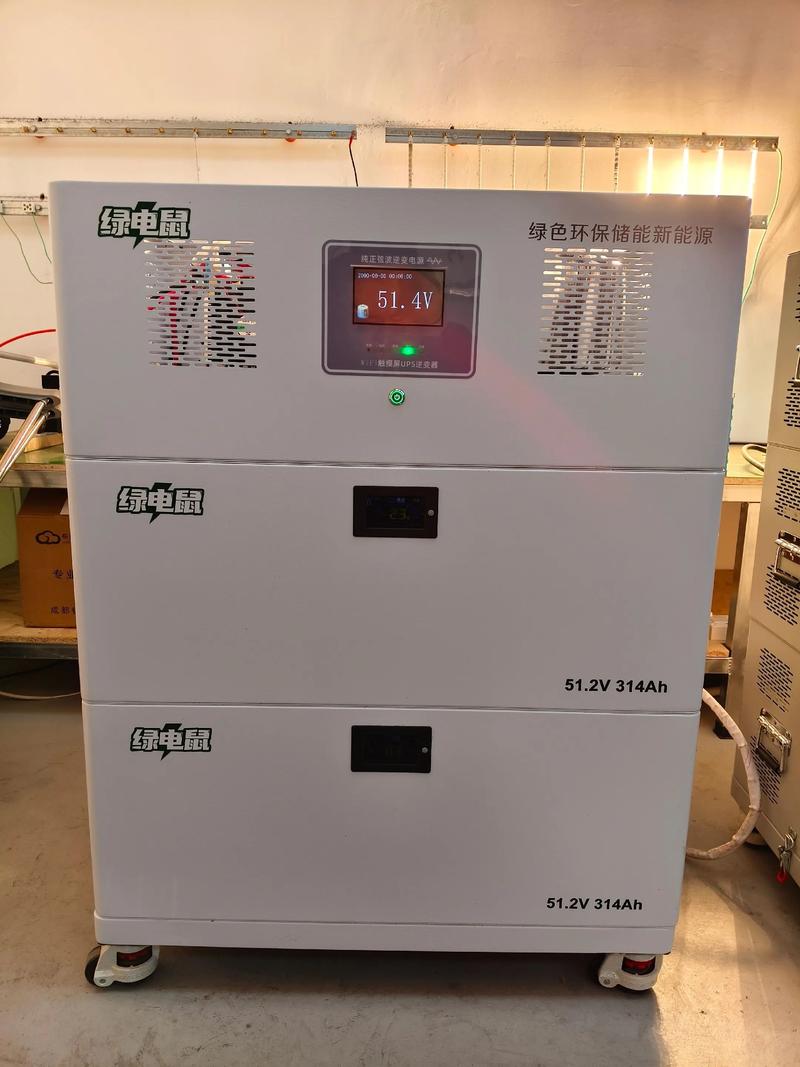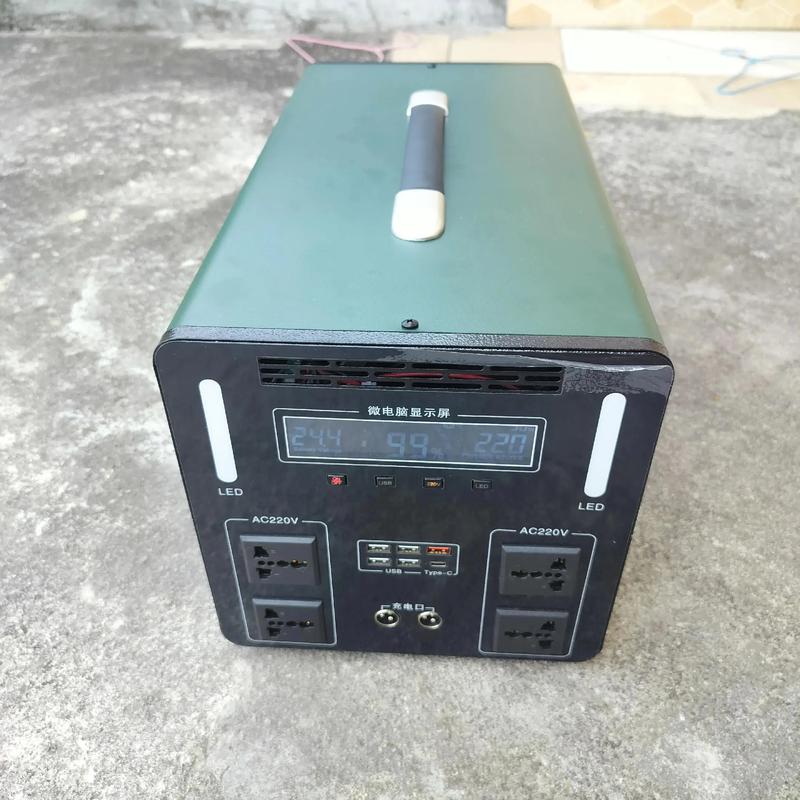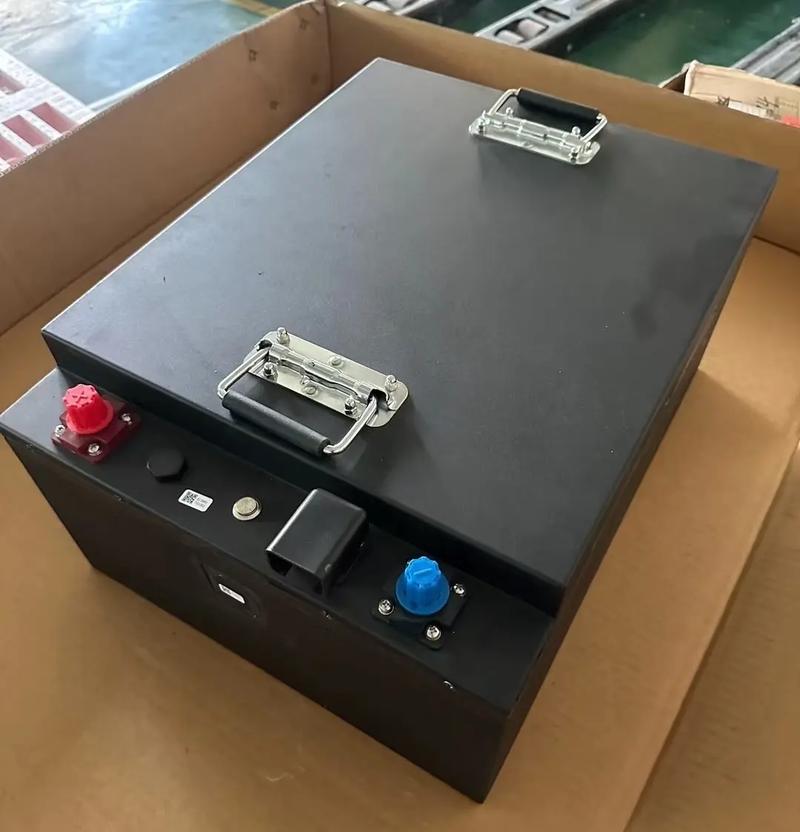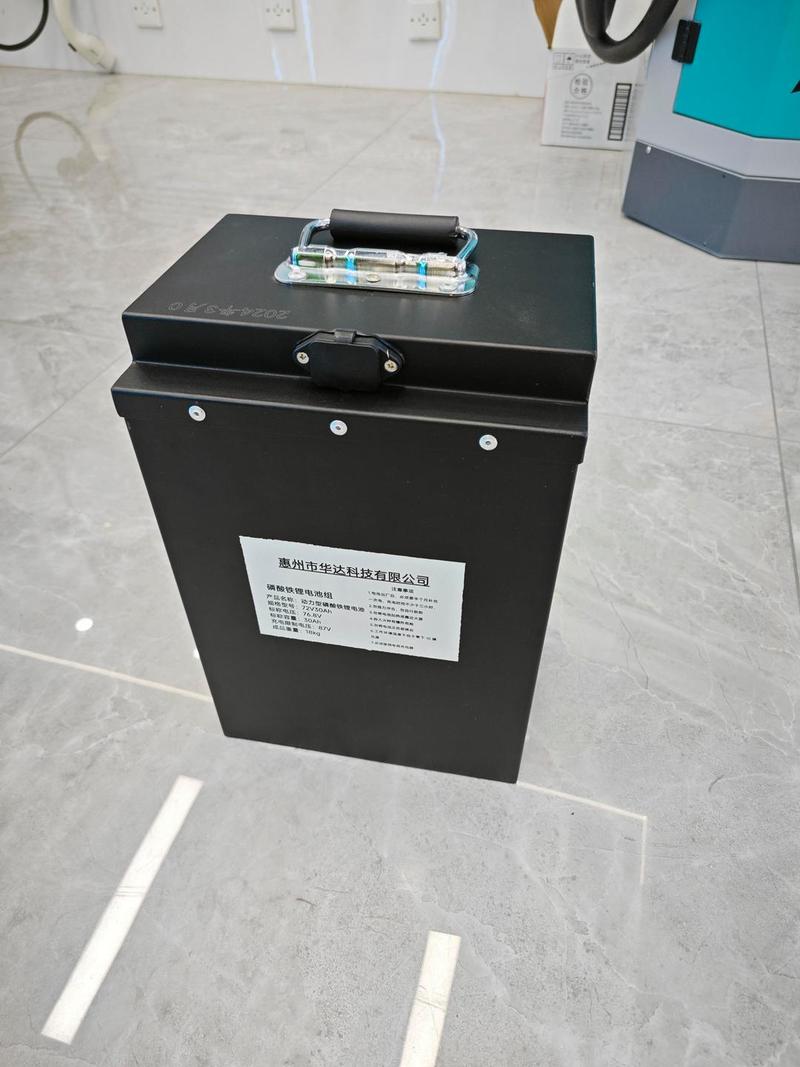

Ship specific lithium iron phosphate battery pack for high safety and long life marine power storage power supply
Category:
Electrical Engineering/battery/lithium battery
Model:
72v200ah
Brand:
Kemei Wei (OEM available)
Cell Type:
Lithium iron phosphate (LiFePO4)
Rated voltage:
48V/72V/384V (customizable)
Protection rating:
IP65 and above
cycle life:
≥ 2000 times
Shell material:
304 stainless steel/anti-corrosion aluminum alloy
Operating temperature:
-20℃~60℃
communication interface:
CAN/RS485
certification standard:
CCS/CE/UN38.3
Retail Price
10,000,000.00USD
重量
kg
- Product Description
-
Cell Type Lithium iron phosphate (LiFePO4)
Rated voltage 48V/72V/384V (customizable)
Protection rating IP65 and above
cycle life ≥ 2000 times
Shell material 304 stainless steel/anti-corrosion aluminum alloy
Operating temperature -20℃~60℃
communication interface CAN/RS485
certification standard CCS/CE/UN38.3
Description :
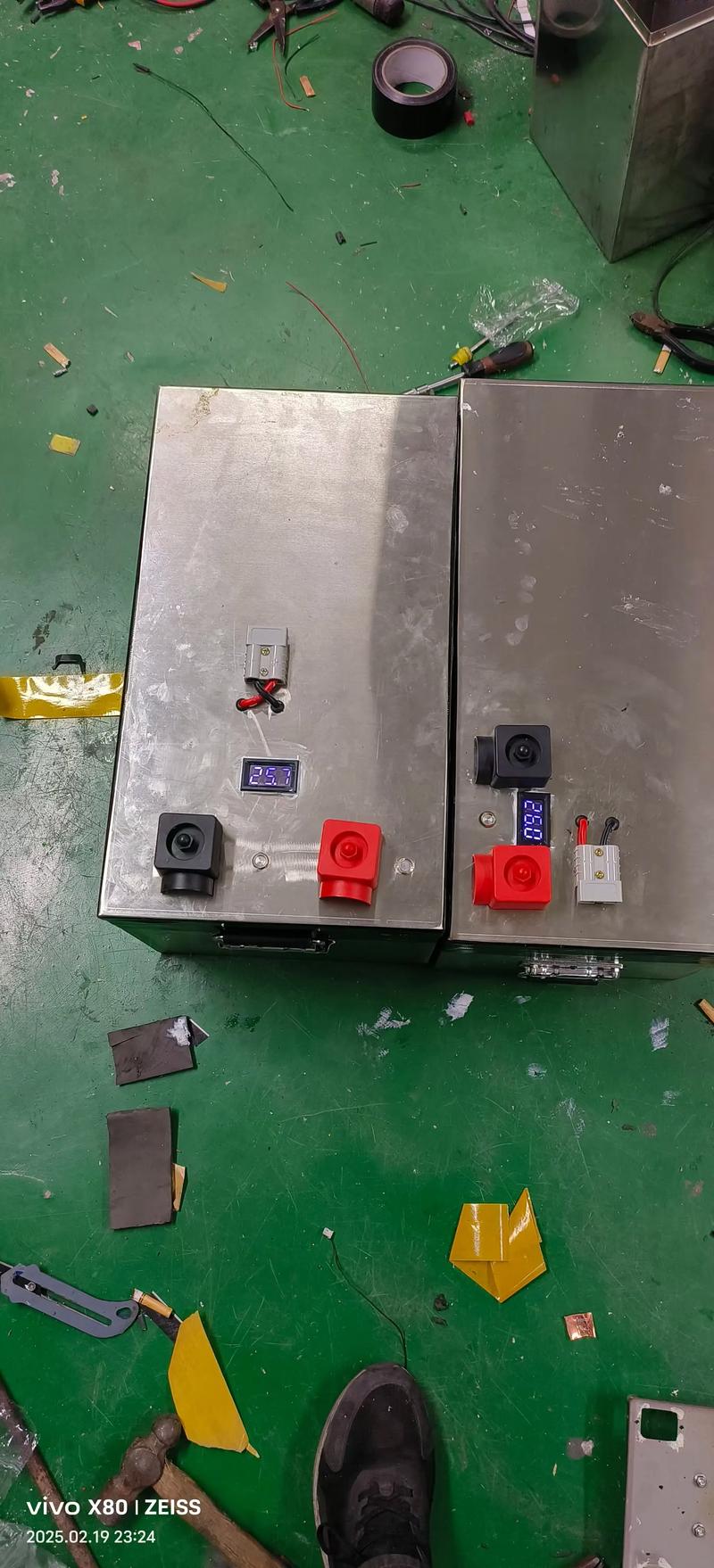
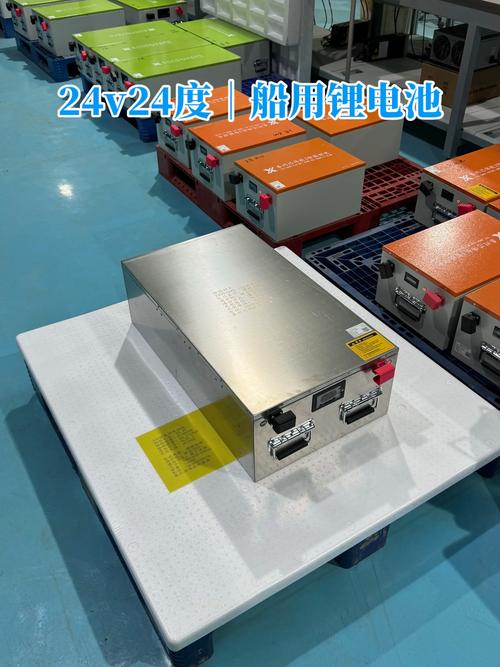
Ship lithium batteries are electrochemical energy storage devices designed specifically for various types of surface vessels, mainly to solve the problems of heavy weight, short lifespan, slow charging, and high noise and pollution caused by traditional lead-acid batteries and fuel generators. It is suitable for power propulsion or auxiliary power supply systems of inland river cruise ships, official law enforcement ships, fishery breeding ships, and offshore operation platforms. This product typically uses lithium iron phosphate (LiFePO4) battery cells, which have high energy density and excellent thermal stability. They can operate stably in harsh marine environments such as humidity and salt spray corrosion, providing clean, silent, and efficient energy solutions for ships and meeting the development needs of green shipping.
In terms of specifications and processes, ship lithium battery packs are usually composed of multiple lithium iron phosphate cells connected in series and parallel. The external packaging is made of high-strength stainless steel or anti-corrosion aluminum alloy box, with a protection level of IP65 or above, to resist seawater erosion and rainwater impact. Internally integrated battery management system (BMS) with overcharge, overdischarge, overcurrent, short circuit, and temperature protection functions to ensure safe use. The implementation standards usually refer to GB/T 34014 "Specification and Dimensions of Lithium ion Power Batteries for Automobiles" or relevant specifications of CCS (China Classification Society), and some high-end models will pass UN38.3 transportation certification and CE certification. The typical working voltage range covers 48V to 700V, depending on the power requirements of the vessel, with a cycle life of over 2000 times.
When selecting, special consideration should be given to the total tonnage, sailing speed requirements, and daily electricity consumption of the vessel. For small sightseeing boats or fishing boats, 48V or 72V low-voltage systems can be chosen, emphasizing lightweight and easy installation; For large passenger roll on/roll off ships or engineering ships, high-voltage high-capacity battery packs need to be configured and paired with bidirectional inverters to achieve grid connection or shore power connection. It should be noted that there are significant differences in seismic resistance, waterproof sealing, and communication protocols between ship lithium batteries and ordinary vehicle lithium batteries, and direct mixing is strictly prohibited. If a ship needs to operate in extremely cold or tropical waters for a long time, it should choose a model with liquid cooling or heating temperature control system to ensure that the battery cells work in the optimal temperature range and avoid performance degradation.
During the installation process, it is necessary to ensure that the battery pack is firmly fixed, and a shock-absorbing pad should be installed at the bottom to cope with wave impact. The wiring terminals need to be insulated and anti-corrosion treated, and the fastening status should be checked regularly. It is recommended to check the voltage consistency of each battery cell through the BMS monitoring interface every month for daily maintenance. If a large voltage difference is found, timely balanced maintenance should be carried out. Keep the battery compartment well ventilated, avoid high temperature accumulation, and strictly prohibit the stacking of flammable debris near the battery. Common faults include communication interruption or insulation alarm, in which case the CAN bus connection and high-voltage circuit insulation layer should be checked for damage. When the ship is suspended for a long time, it is recommended to store the battery in the range of 50% -60% and recharge it every three months to extend the overall service life of the ship's lithium battery.
AfterSalesService :
三年Key words:
More Products