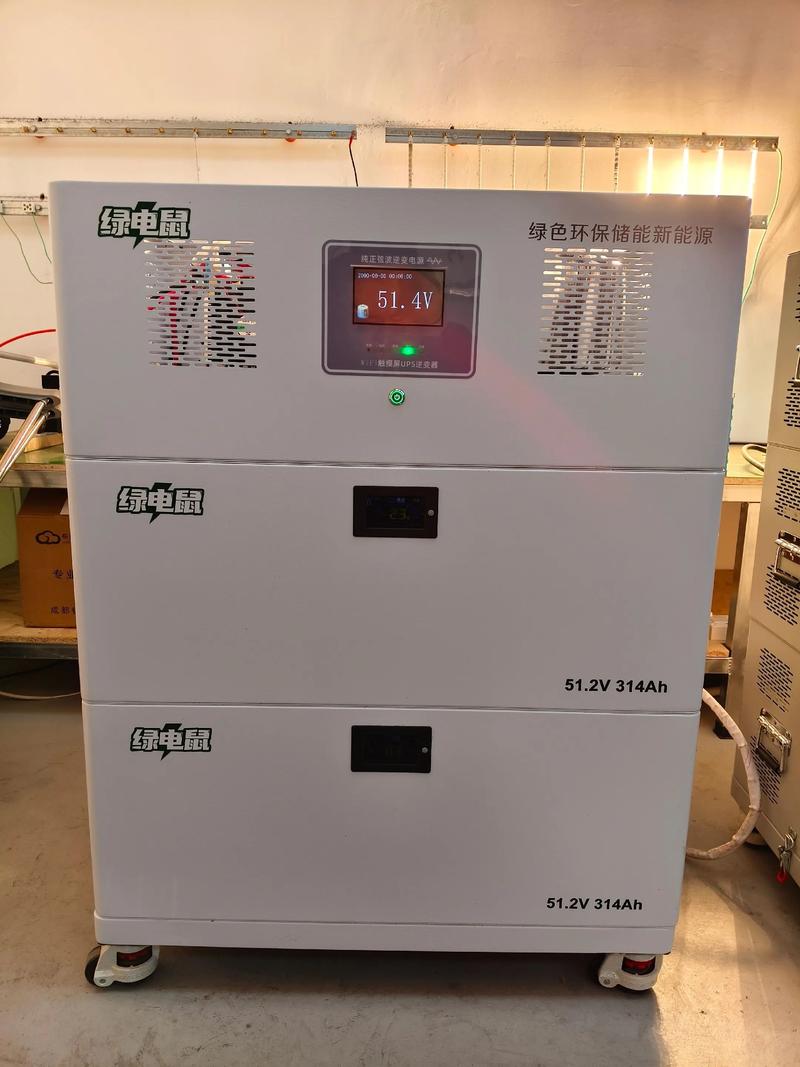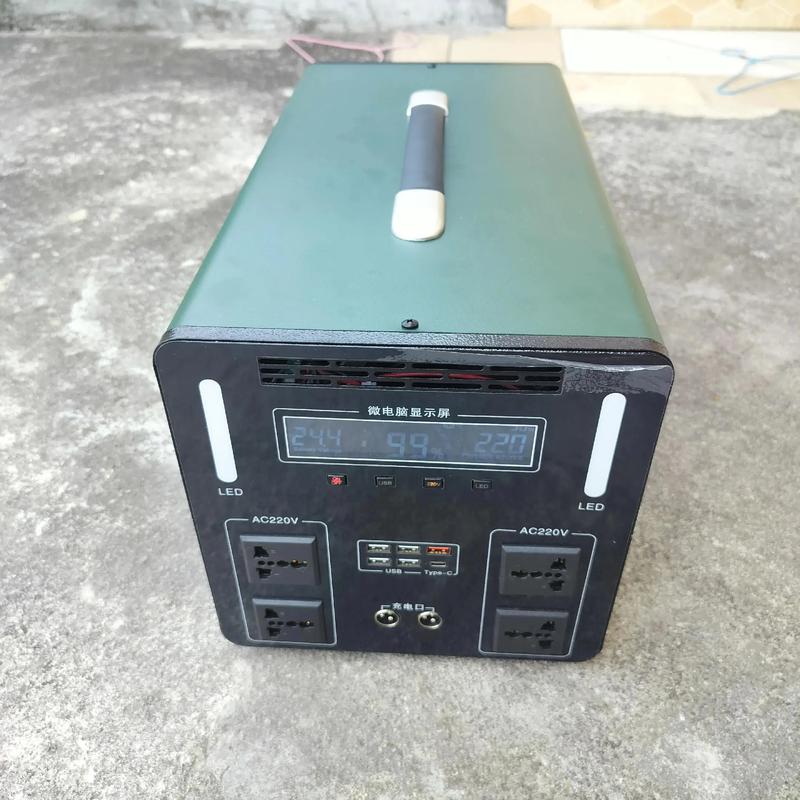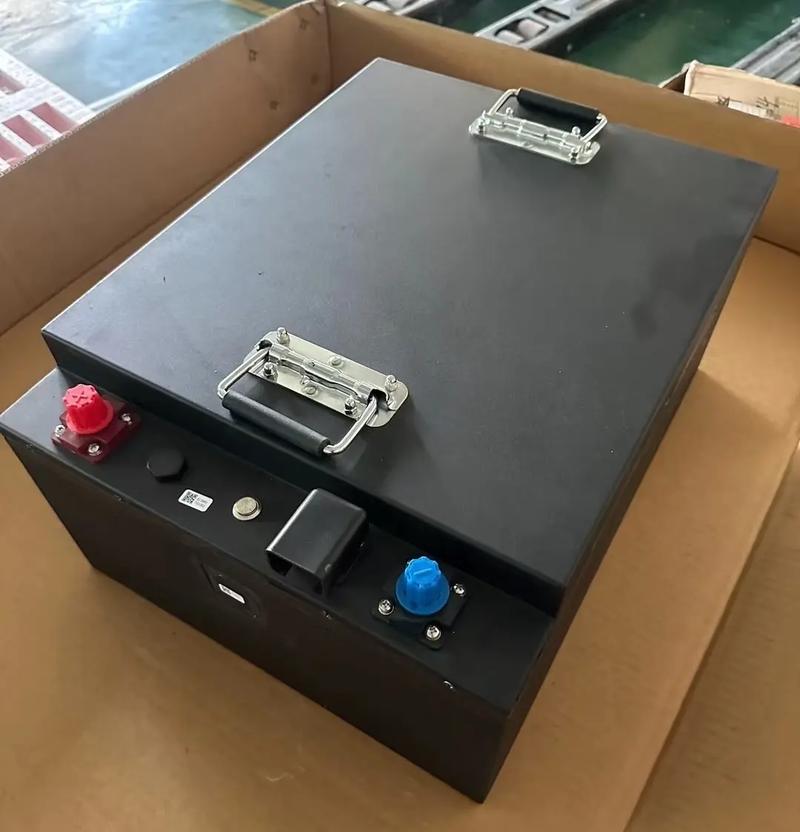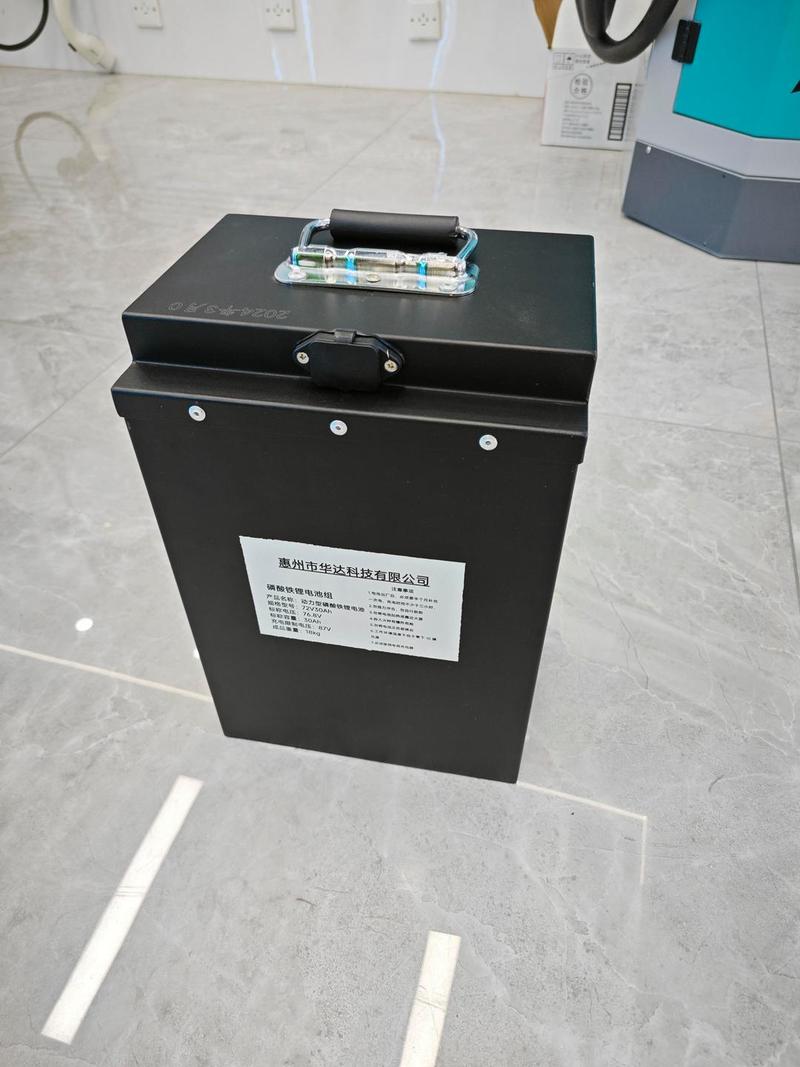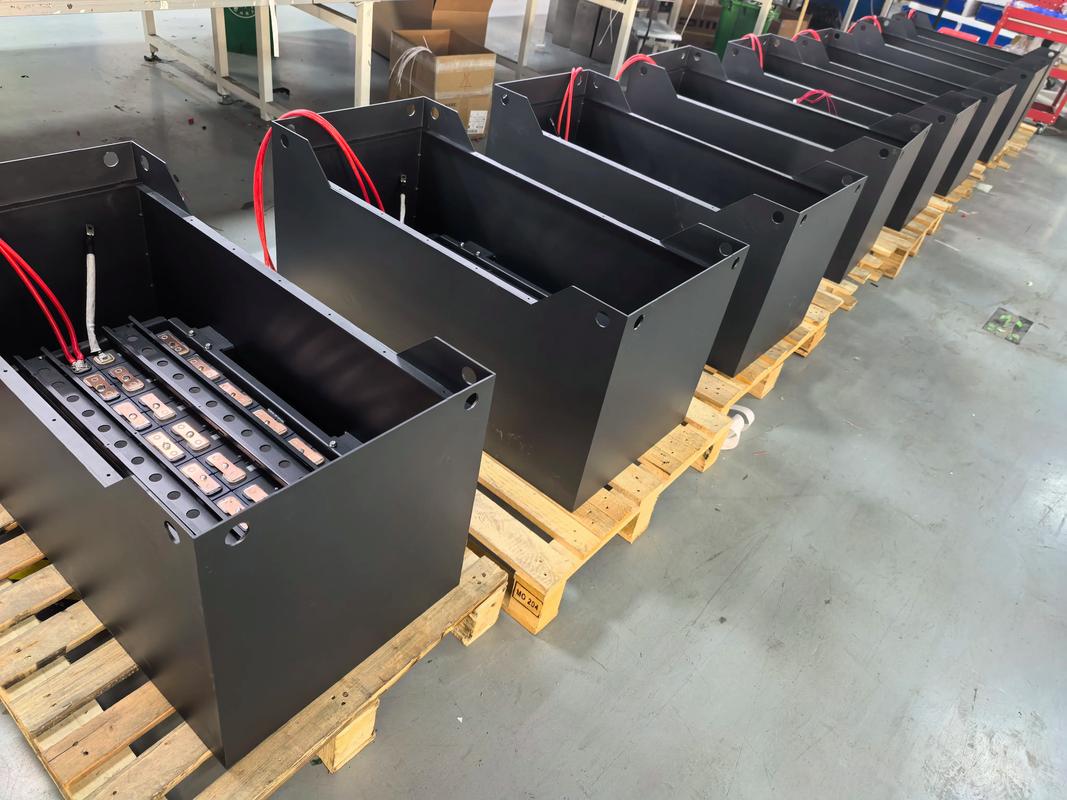

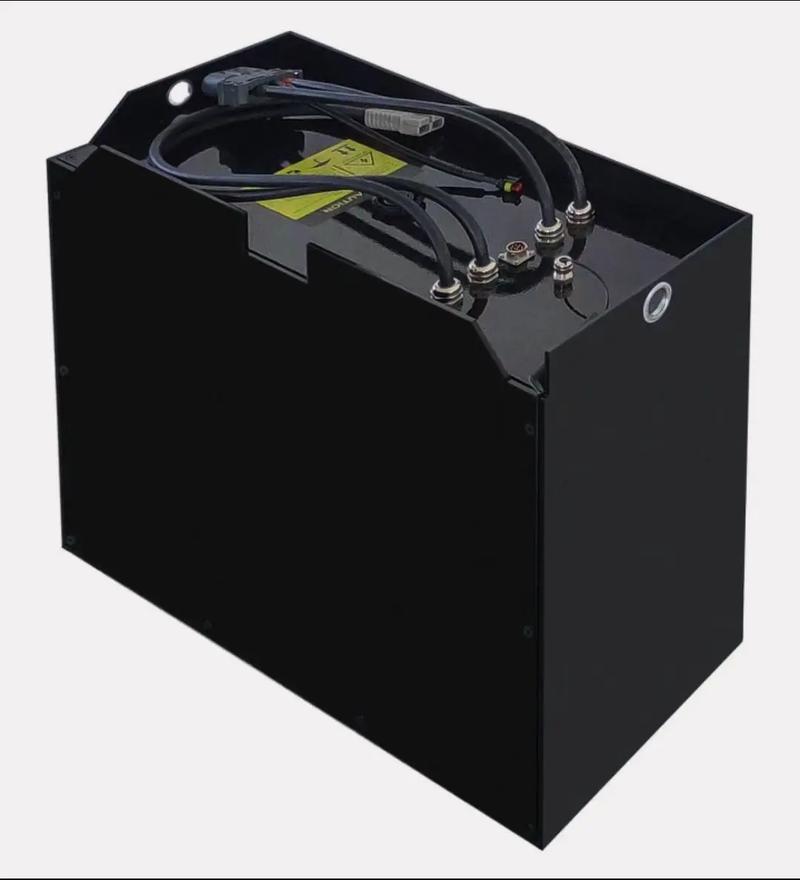
Forklift lithium battery pack, lithium iron phosphate power supply adapted for electric forklifts, replacing lead-acid batteries
Category:
energy/Battery, charger/lithium battery
Model:
48v300ah
Brand:
Kemei Wei (OEM available)
Cell Type:
lithium iron phosphate
Rated voltage:
24V/48V/80V
Protection rating:
IP54
cycle life:
≥ 2000 times
Operating temperature:
-20℃~60℃
Charging method:
Support fast charging/opportunistic charging
management system:
Intelligent BMS
Shell material:
Steel/Aluminum Alloy
Retail Price
10,000,000.00USD
重量
kg
- Product Description
-
Cell Type lithium iron phosphate
Rated voltage 24V/48V/80V
Protection rating IP54
cycle life ≥ 2000 times
Operating temperature -20℃~60℃
Charging method Support fast charging/opportunistic charging
management system Intelligent BMS
Shell material Steel/Aluminum Alloy
Description :
Forklift lithium batteries are a new type of power storage device designed specifically for industrial handling vehicles, mainly solving the pain points of slow charging, short lifespan, tedious maintenance, and the risk of acid leakage of traditional lead-acid batteries. This category usually uses lithium iron phosphate (LiFePO4) battery cells as the core material, with high energy density and stable discharge platform, which can meet the continuous operation needs of electric forklifts under high-frequency and heavy-duty conditions. Typical application scenarios include stacking operations in warehousing and logistics centers, material transfer on production lines, and container handling at ports and terminals. Compared to traditional power sources, forklift lithium batteries support fast charging and opportunistic charging, significantly improving vehicle attendance and becoming a key component for upgrading modern green logistics equipment.
In terms of specifications and processes, forklift lithium battery packs are usually composed of multiple square or cylindrical cells connected in series and parallel. The external packaging uses high-strength steel or aluminum alloy boxes, with a protection level of IP54 or above, to adapt to industrial environments with dust and humidity. Internally integrated battery management system (BMS), real-time monitoring of cell voltage, current, and temperature, providing overcharge, overdischarge, short circuit, and high temperature protection functions. The common rated voltage ranges from 24V, 48V, 80V and other standard gears, with a capacity range from 100Ah to 600Ah, depending on the forklift tonnage and endurance requirements. The product complies with national standards such as GB/T 36972 and UN38.3 transportation safety certification, ensuring structural integrity and electrical safety under vibration and impact conditions.
When selecting, it is important to match the voltage platform and installation space dimensions of the original forklift. The battery compartment length, width, height, and terminal positions of different brands of forklifts may vary, and customization or adaptation through adapter plates is required. If the original vehicle is a lead-acid battery, when replacing it with a forklift lithium battery, attention should be paid to whether the controller parameters are compatible. Some old models need to upgrade their electronic control systems synchronously to take advantage of the advantages of lithium batteries. For low-temperature environments (such as cold storage), specialized models with self heating function should be selected to avoid rapid capacity decay at low temperatures. Not applicable scenarios include modification of non electric internal combustion forklifts and DIY assembly of battery packs without professional BMS protection. Such operations pose significant safety hazards and cannot guarantee performance stability.
Before installing the forklift lithium battery, the vehicle power supply must be disconnected. Use a specialized lifting device to place the battery pack steadily into the battery compartment, tighten the fixing bolts to prevent shaking during driving, and finally connect the positive and negative plugs and check if the communication harness is securely connected. It is recommended to follow the principle of shallow charging and discharging in daily use, and there is no need to completely drain the battery before recharging. Using rest breaks to recharge can extend the cycle life. Regularly clean the dust on the surface of the battery and the oxide on the wiring terminals to keep the heat dissipation channel unobstructed. Common faults such as charging interruption or insufficient power are often triggered by BMS protection or poor connector contact. It is necessary to read the fault code through the upper computer for troubleshooting. It is strictly prohibited to disassemble the battery module without authorization to avoid damaging the sealing or causing safety accidents.
AfterSalesService :
三年Key words:
More Products