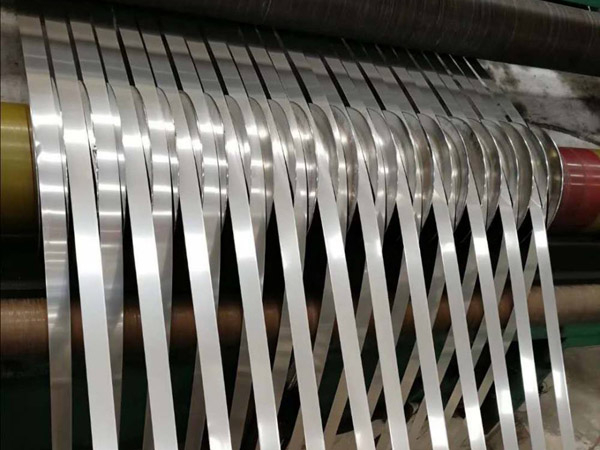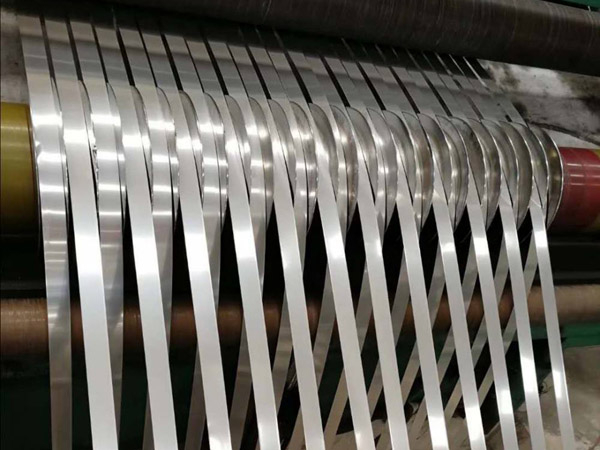

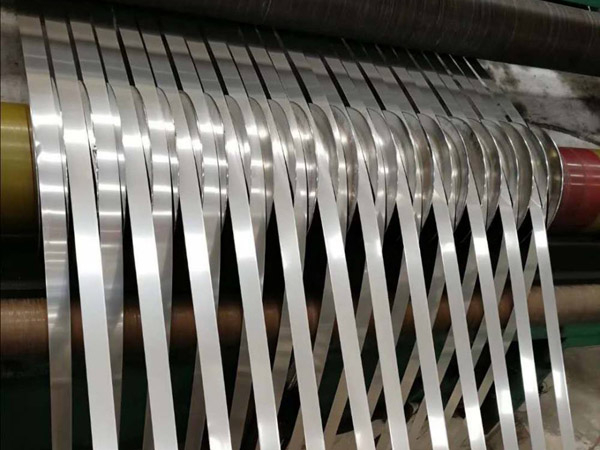
304 Yongjin stainless steel strip in stock 0.1-0.3mm supports strip rolling processing
Category:
metallurgy/Stainless steel material/Stainless steel strip
Model:
three hundred and four
Brand:
Yongjin
Material Grade:
three hundred and four
Spot thickness:
0.1-0.3mm
Minimum stripe width:
9mm
Minimum rolling thickness:
0.05mm
surface treatment:
2B/BA
Hardness state:
Soft/Semi Hard/Full Hard
execution standard:
GB/T 20878
Processing method:
Cold rolling/slitting/rolling
Retail Price
10,000,000.00USD
重量
kg
- Product Description
-
Material Grade three hundred and four
Spot thickness 0.1-0.3mm
Minimum stripe width 9mm
Minimum rolling thickness 0.05mm
surface treatment 2B/BA
Hardness state Soft/Semi Hard/Full Hard
execution standard GB/T 20878
Processing method Cold rolling/slitting/rolling
Description :
304 Yongjin stainless steel strip is a high-precision cold-rolled stainless steel strip product based on austenitic 304 material. It mainly solves the strict requirements of material thickness uniformity, surface smoothness, and processing performance in the precision electronics, hardware stamping, and decoration industries. This product relies on the mature cold rolling process of Yongjin Corporation and has excellent corrosion resistance, formability, and welding performance. Typical working conditions include connector terminal manufacturing, precision spring plate processing, and stamping of internal structural components of mobile phones. The regular thickness of spot goods covers the range of 0.1mm to 0.3mm, which can meet the material standards of most lightweight components. At the same time, it supports subsequent deep processing customization and is a cost-effective choice to replace imported high-precision narrow strips.
The core specification parameters of this stainless steel strip revolve around thickness accuracy and processing limits. The raw materials comply with GB/T 20878 or ASTM A240 standards, with a chemical composition of chromium content of 18% -20% and nickel content of 8% -10%, ensuring the stability of 304 material. The surface state is usually 2B or BA surface, which can be adjusted to a glossy surface according to needs. In terms of processing technology, it supports high-precision slitting and multi roll rolling, with a slitting width of up to 9mm and a tolerance controlled within ± 0.02mm; The thinnest rolling thickness can reach 0.05mm, and the thickness tolerance is strictly controlled within the range of ± 0.005mm. In terms of hardness, we can provide soft (HV150-180), semi hard (HV200-230), and fully hard (HV250 or above) states to meet different stamping and forming requirements.
In the selection process, it is necessary to clearly distinguish the application scenario differences between 304 stainless steel strip and 201 or 316 materials. 304 material is suitable for general atmospheric environments and weakly corrosive media. If in a high salt spray or strong acid-base environment, it is recommended to upgrade to 316L material; If cost is extremely sensitive and there is no anti-corrosion requirement, 201 material can be considered, but attention should be paid to its rusting risk. For thickness selection, 0.1-0.3mm is a regular spot range with a short delivery time; If a 0.05mm ultra-thin specification is required, the production cycle is relatively long due to the involvement of secondary rolling. In addition, when the width of the strip is less than 10mm, attention should be paid to edge burr control. It is recommended to specify a deburring process to avoid subsequent automatic feeding jamming.
The installation and use process focuses on matching the storage environment with the processing molds. 304 stainless steel strip should be stored in a dry and ventilated place, avoiding direct contact with carbon steel to prevent rust caused by iron ion contamination. Before stamping processing, it is recommended to conduct small-scale mold testing and adjust the punching gap to adapt to the material hardness, especially for fully hard materials that require reserved rebound. In daily maintenance, if there are slight oxidation spots on the surface, neutral cleaning agents can be used to wipe and restore luster. Common faults such as stamping cracking are often caused by high material hardness or small R angle of the mold, which can be solved by annealing treatment or optimizing mold design. Regularly check the sharpness of the slitting blade to ensure that the narrow edge is flat and free from curling.
AfterSalesService :
Key words: