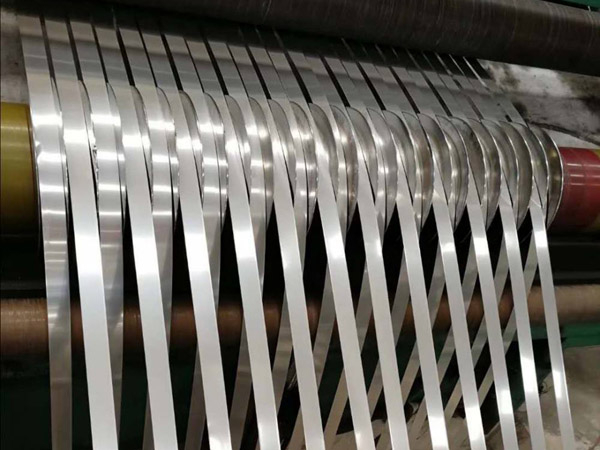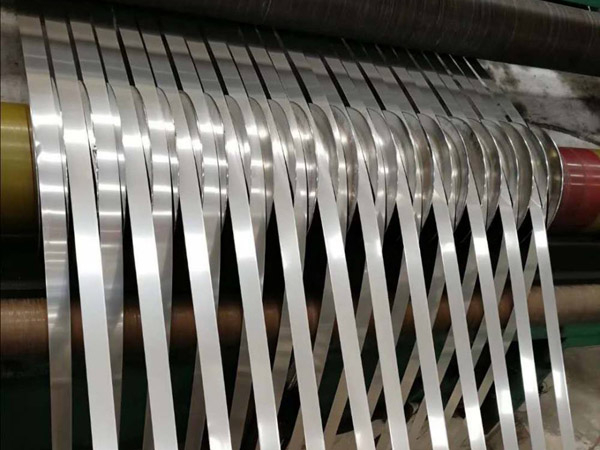

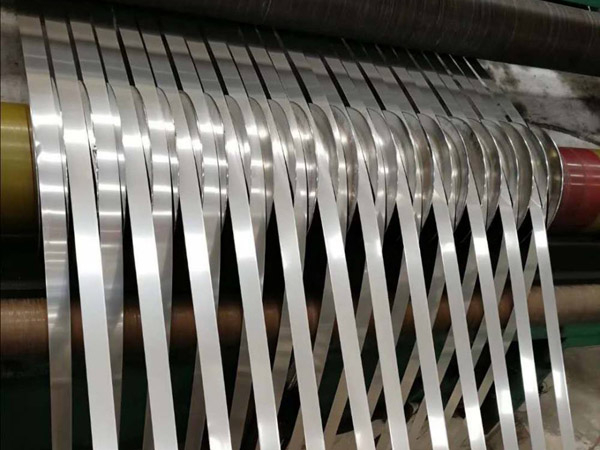
304 stainless steel precision strip supports strip rolling processing with a thickness of 0.1-0.3mm, available in stock
Category:
metallurgy/Stainless steel strip/Other stainless steel strips
Model:
three hundred and four
Brand:
Yongjin
Material Grade:
three hundred and four
Spot thickness:
0.1-0.3mm
Minimum stripe width:
9mm
Minimum rolling thickness:
0.05mm
surface treatment:
2B/BA/No.4
Processing Technology:
Slitting/Rolling
execution standard:
GB/T 20878
Origin brand:
Yongjin
Retail Price
10,000,000.00USD
重量
kg
- Product Description
-
Material Grade three hundred and four
Spot thickness 0.1-0.3mm
Minimum stripe width 9mm
Minimum rolling thickness 0.05mm
surface treatment 2B/BA/No.4
Processing Technology Slitting/Rolling
execution standard GB/T 20878
Origin brand Yongjin
Description :
304 stainless steel strip is an austenitic stainless steel material widely used in the industrial manufacturing field, mainly to meet the high requirements of corrosion resistance, formability, and surface quality in working conditions. This product is based on 304 material and has excellent acid and alkali corrosion resistance and good mechanical strength. It is suitable for typical working conditions such as electronic components, metal stamping, building decoration, and medical equipment. As a basic raw material, 304 stainless steel strip exhibits excellent ductility and weldability in subsequent processing, which can meet the forming requirements of complex shaped parts. It is an indispensable key basic material in the precision manufacturing industry, ensuring the durability and aesthetics of the final product.
The thickness range of the 304 stainless steel strip in stock is concentrated between 0.1mm and 0.3mm, meeting the size requirements of most precision stamping and folding processes. The material shall comply with common international standards such as GB/T 20878 or ASTM A240 to ensure stable chromium and nickel content in the chemical composition and mechanical properties in accordance with the standard requirements. The surface condition usually includes 2B surface, BA surface or No.4 brushed surface, and products with different smoothness can be provided according to customer needs. After strict annealing and leveling processes, the internal stress of the material is fully released, the hardness is uniform, the flatness of the plate shape is high, there are no scratches or oxidation scales, ensuring stable operation and processing accuracy on high-speed automated production lines.
In terms of selection, this 304 stainless steel strip supports deep customized processing services, including precision slitting and cold rolling. The narrowest strip width can reach 9mm, suitable for the production of narrow and elongated components; The thinnest rolling thickness can reach 0.05mm, meeting the application scenarios of ultra-thin foil materials. If higher strength working conditions are required, 301 material can be considered; If stronger corrosion resistance is required and the budget is sufficient, 316L material can be selected. This 304 stainless steel strip exhibits excellent performance in general atmospheric environments and weakly corrosive media, with high cost-effectiveness. When purchasing, it is necessary to specify the specific thickness tolerance grade, surface roughness Ra value, and edge condition (such as burrs or rounded edges) required to ensure that the material matches the actual production equipment and avoid production stagnation or increased scrap rate caused by specification deviations.
When installing and using 304 stainless steel strips, attention should be paid to the dry and ventilated storage environment, avoiding direct contact with easily rusted metals such as carbon steel, and preventing surface corrosion caused by iron ion pollution. It is recommended to use appropriate lubricants during stamping or stretching processes to reduce mold wear and improve product surface quality. In daily maintenance, it is necessary to regularly check the surface of materials for scratches or oxidation spots. Minor stains can be wiped with neutral cleaning agents. Common faults such as processing cracking are often caused by high material hardness or improper mold gaps, and require adjustment of annealing processes or optimization of mold design. Reasonably controlling the processing speed and deformation can extend the service life of 304 stainless steel strip, ensure the continuity and yield of the production process, and reduce the overall production cost.
AfterSalesService :
Key words: