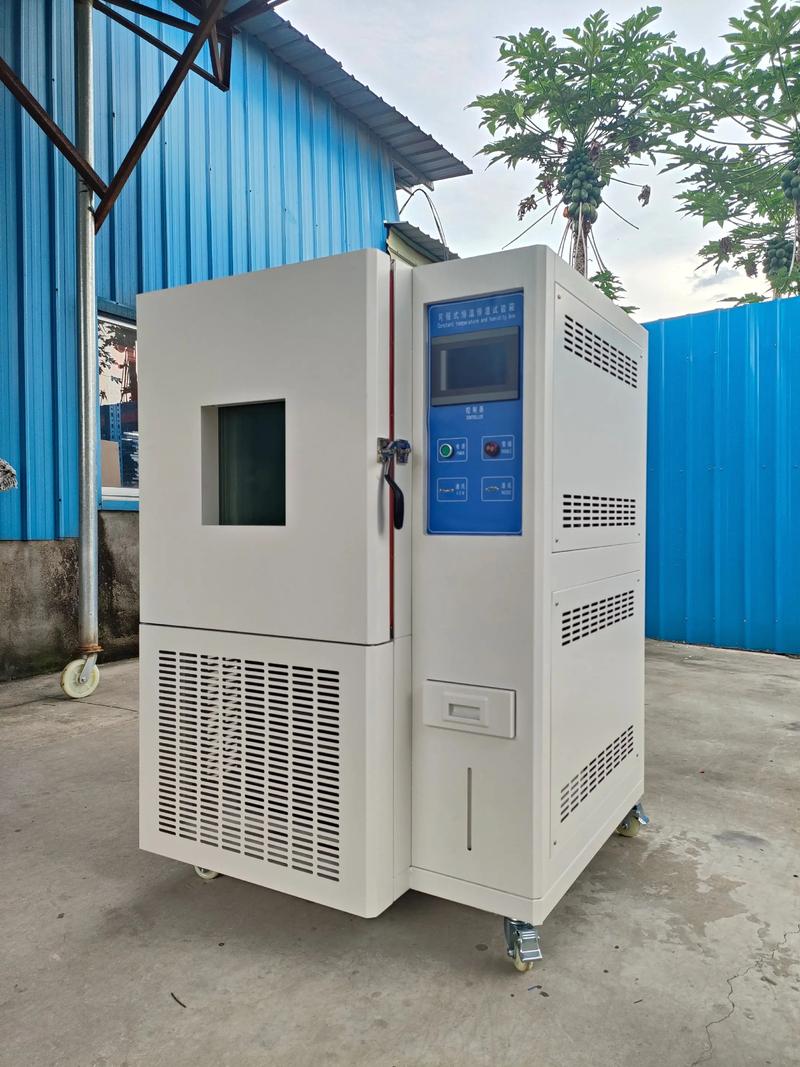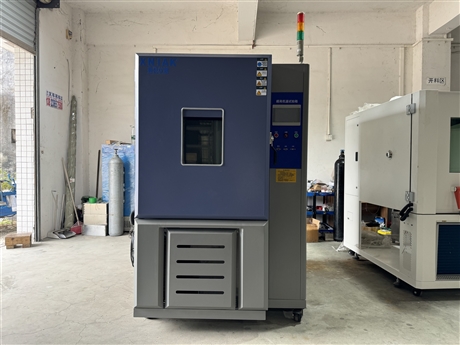

The synchronous simulation of high-altitude and high-altitude plateau environment using high, low temperature and low pressure test chambers complies with the GB/T2423 standard
Category:
Instrumentation/Test chamber and climate environment equipment/High and low temperature box
Model:
JX-DQY-408L~1000L
Brand:
Juxin Instrument
temperature range:
-70℃~+150℃
Pressure range:
101kPa~1kPa
heating rate:
1.0~3.0℃/min
cooling rate:
0.7~1.0℃/min
Temperature Uniformity:
≤2.0℃
temperature fluctuation:
±0.5℃
Vacuum acquisition time:
≤60min
execution standard:
GB/T 2423.21
Retail Price
10,000,000.00USD
重量
kg
- Product Description
-
temperature range -70℃~+150℃
Pressure range 101kPa~1kPa
heating rate 1.0~3.0℃/min
cooling rate 0.7~1.0℃/min
Temperature Uniformity ≤2.0℃
temperature fluctuation ±0.5℃
Vacuum acquisition time ≤60min
execution standard GB/T 2423.21
Description :
The high, low temperature, and low pressure test chamber is a reliability testing equipment specifically designed to assess the stability of product performance under dual stress of temperature alternation and rarefied air. It accurately reproduces extreme working conditions such as high altitude, high-altitude flight, or low-pressure cabin by synchronously simulating the composite environment of high and low temperature and low pressure (high altitude/plateau). This equipment mainly solves the problems of sealing failure, structural deformation, or electrical performance drift that may occur in electronic components, aerospace components, and packaging materials under low voltage environments. It is a key tool for evaluating product structural integrity and environmental adaptability, and is widely used in the quality inspection process of scientific research institutions and high-end manufacturing enterprises.
The design of this high, low temperature, and low-pressure test chamber strictly follows international and domestic mainstream testing standards such as GB/T 2423.21, MIL-STD-810H, and IEC. The equipment usually adopts a high-strength pressure resistant box structure, equipped with a high-precision vacuum acquisition system and refrigeration heating unit, to ensure stable temperature control accuracy even under extremely low air pressure. The typical working pressure range can cover simulated heights from atmospheric pressure to several kPa, and the temperature range typically covers -70 ℃ to+150 ℃ (depending on the model). The box has excellent sealing performance and observation window design, supporting real-time monitoring of internal sample status, and integrating multiple safety protection mechanisms to prevent equipment damage or safety accidents caused by pressure fluctuations or temperature control.
When selecting a high, low temperature, and low pressure test chamber, it is necessary to specify the size of the test sample, the maximum heat generation, and the specific simulated altitude required. If only high temperature, low temperature, or constant low pressure testing needs to be conducted separately, a single environmental testing chamber can be chosen to reduce costs; But if the "temperature pressure coupling" effect needs to be assessed, such as the risk of battery pack bulging at high altitude and low temperature or the breakdown voltage change of connectors at low voltage, such composite environmental test chambers must be selected. Pay attention to distinguishing the differences between ordinary high and low temperature chambers and this equipment. The former cannot provide a low-pressure environment and cannot replace this equipment for aviation or high-altitude adaptability verification. When purchasing, special attention should be paid to the matching of temperature control rate and vacuum pumping time.
When installing high, low temperature, and low pressure test chambers, it is necessary to ensure that the site has good ventilation and heat dissipation conditions, as well as stable power supply. It is recommended to reserve sufficient maintenance space for repairing vacuum pumps and refrigeration compressors. In daily use, the aging condition of the sealing strip of the box door should be regularly checked to prevent air leakage from affecting the accuracy of air pressure; After each experiment, the pressure inside the box should be slowly restored to atmospheric pressure according to the prescribed procedure to avoid impact on the sample. Common faults are often caused by the vacuum degree not reaching the set value or the cooling rate slowing down. In this case, the oil level of the vacuum pump, refrigerant pressure, and condenser cleanliness should be checked. Regularly calibrating sensors and maintaining vacuum systems can effectively extend the service life of high, low temperature, and low pressure test chambers and ensure the accuracy of test data.
AfterSalesService :
全程一对一专属对接,实时在线快速响应。故障问题 2 小时提供解决方案,紧急上门需求,省内 24 小时、省外 48 小时安排技术人员上门处理,高效解决设备各类问题,保障生产稳定运行。Key words:
More Products