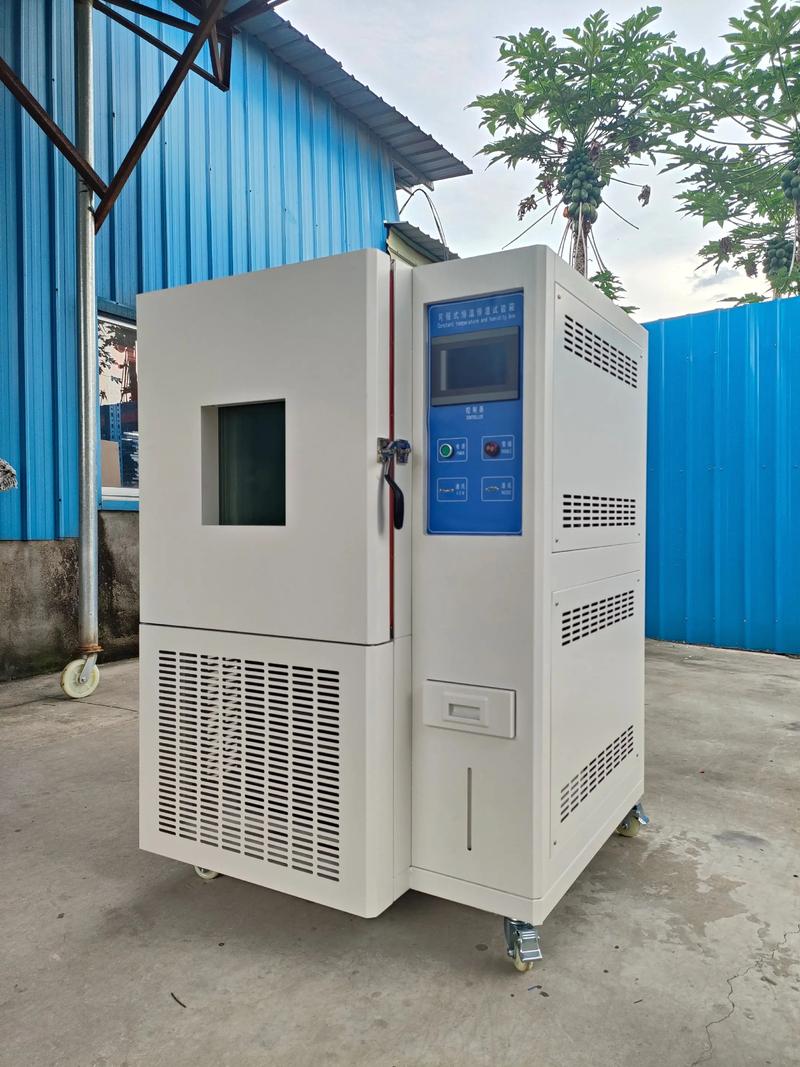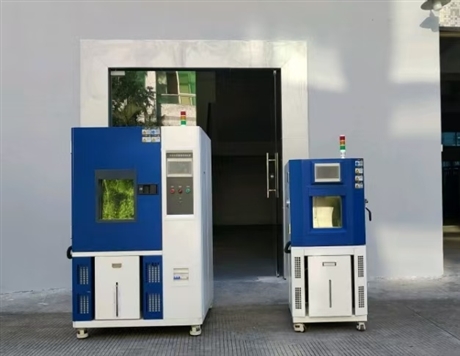

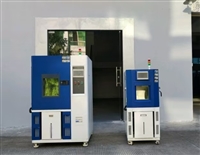
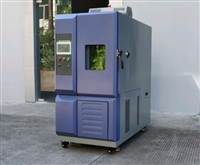
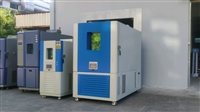
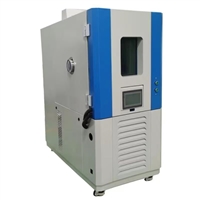
Linear temperature rise and fall test box rapid temperature change testing equipment simulates environmental thermal fatigue
Category:
Instrumentation/Test chamber and climate environment equipment/High and low temperature box
Model:
JX-KWB-100L~1000L
Brand:
Juxin Instrument
temperature range:
-120℃~+150℃
temperature change rate:
5 ℃/min to 15 ℃/min (linear)
inner material:
SUS304 stainless steel
Control method:
PID microcomputer programmable control
meet the standard:
GB/T 2423, IEC, MIL-STD
cooling method:
Air cooling/water cooling
power supply voltage:
AC380V 50Hz
safety protection:
Over temperature, overload, and water shortage protection
Retail Price
10,000,000.00USD
重量
kg
- Product Description
-
temperature range -120℃~+150℃
temperature change rate 5 ℃/min to 15 ℃/min (linear)
inner material SUS304 stainless steel
Control method PID microcomputer programmable control
meet the standard GB/T 2423, IEC, MIL-STD
cooling method Air cooling/water cooling
power supply voltage AC380V 50Hz
safety protection Over temperature, overload, and water shortage protection
Description :
The rapid temperature change test chamber is an environmental testing equipment specifically designed to simulate continuous and uniform temperature changes experienced by products during natural environment, transportation, and use. This device achieves the assessment of the product's resistance to continuous temperature fluctuations and thermal fatigue performance by accurately controlling the heating and cooling rates, and is widely used in fields such as electronics and electrical engineering, automotive components, aerospace, etc. Its core function is to provide a stable and adjustable linear temperature change rate, ensuring that the testing conditions comply with mainstream environmental testing standards such as GB/T 2423, IEC, MIL-STD, etc., helping R&D personnel accurately evaluate the reliability and durability of products under extreme temperature change conditions. It is an indispensable key instrument in the product quality verification process.
The technical specifications of the rapid temperature change test chamber usually cover a wide temperature range, with a common working range of -70 ℃ to+150 ℃, and some high-end models can be extended to -80 ℃ or+180 ℃. The temperature change rate is its core indicator, and the typical linear heating and cooling rate can reach 5 ℃/min, 10 ℃/min, 15 ℃/min, or even higher, depending on the compressor configuration and air duct design. The inner lining of the equipment is mostly made of SUS304 stainless steel material, which is corrosion-resistant and easy to clean. The outer layer is treated with cold-rolled steel plate spray coating. The control system adopts a programmable PID microcomputer controller, supports multi-stage program settings, and has multiple safety mechanisms such as over temperature protection and sensor fault alarm, ensuring the safety and data accuracy of the testing process, and complying with the manufacturing standards of industrial grade environmental testing equipment.
When selecting a rapid temperature change test chamber, it is important to consider the size, weight, and heat generation of the test sample to determine the appropriate inner chamber volume and cooling power. If the sample generates a large amount of heat during the testing process, it is necessary to choose a model with a larger refrigeration capacity to avoid temperature overshoot. In addition, the required temperature change rate requirements should be clearly defined. Linear and nonlinear rates have a significant impact on equipment configuration and should be distinguished clearly during procurement. For projects that require compliance with specific military or international standards, it is essential to confirm whether the equipment has the corresponding calibration certificate and compliance report. Compared with conventional high and low temperature test chambers, fast temperature change test chambers emphasize more on the uniformity and stability of the rate, and are not suitable for scenarios that only require static constant temperature testing. When selecting, it is necessary to match the actual test curve.
The installation of the rapid temperature change test chamber should ensure sufficient heat dissipation space around it. It is recommended to keep a distance of more than 60cm from the wall and maintain good indoor ventilation to ensure the heat dissipation efficiency of the condenser. During daily maintenance, it is necessary to regularly clean the dust on the condenser fins to prevent high pressure alarms or decreased cooling efficiency due to poor heat dissipation. Water cooling models need to pay attention to water quality management and regularly replace circulating water to prevent scaling and blockage of pipelines. Before each test, check if the door seal is intact to avoid any leakage of cooling capacity that may affect the accuracy of the temperature change rate. When it is not in use for a long time, it should be powered on regularly to keep the electrical components dry. Common faults such as large temperature fluctuations are mostly caused by poor sensor contact or abnormal fans, and need to be promptly investigated to ensure the long-term stable operation of the rapid temperature change test chamber.
AfterSalesService :
全程一对一专属对接,实时在线快速响应。故障问题 2 小时提供解决方案,紧急上门需求,省内 24 小时、省外 48 小时安排技术人员上门处理,高效解决设备各类问题,保障生产稳定运行。Key words:
More Products