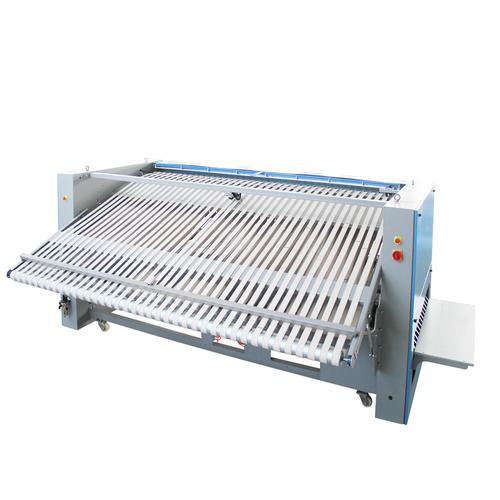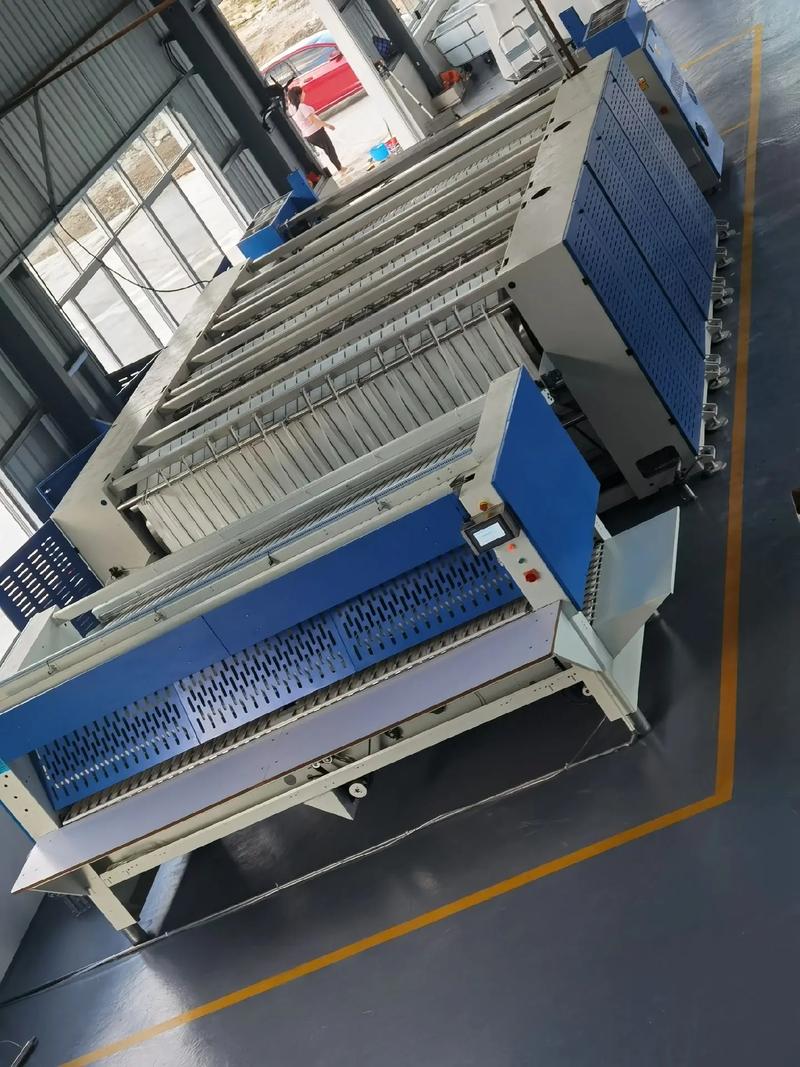

Four roll industrial ironing machine, efficient steam heating, large bed sheet and duvet cover ironing equipment
Category:
mechanical equipment/Ironing and washing equipment/Ironing and washing equipment
Model:
YPAIV-3300
Brand:
Haifeng Machinery
Number of drums:
4 of them
Heating method:
Steam heating/electric heating
speed regulation method:
Variable frequency stepless speed regulation
Roller material:
Premium Stainless Steel
Applicable fabrics:
Bed sheets/duvet covers/tablecloths
Operating Temperature:
60-180℃
Transmission power:
3-5.5kW
external structure:
Horizontal continuous ironing
Retail Price
10,000,000.00USD
重量
kg
- Product Description
-
Number of drums 4 of them
Heating method Steam heating/electric heating
speed regulation method Variable frequency stepless speed regulation
Roller material Premium Stainless Steel
Applicable fabrics Bed sheets/duvet covers/tablecloths
Operating Temperature 60-180℃
Transmission power 3-5.5kW
external structure Horizontal continuous ironing
Description :
The four roll industrial ironing machine is an efficient fabric leveling equipment designed specifically for hotels, hospitals, and large laundry rooms. It uses four high-temperature rollers to continuously iron and dry large fabrics such as bed sheets, duvet covers, tablecloths, etc. after washing, solving the problems of low efficiency and poor flatness in manual ironing. This equipment is suitable for high load continuous operation conditions, which can significantly reduce the difficulty of the subsequent folding process and improve the overall efficiency of the laundry assembly line. It is an indispensable core finishing equipment for large-scale washing centers.
The four roll industrial ironing machine usually uses high-quality stainless steel or high-strength alloy steel to manufacture the drum, and the surface is finely polished to prevent wire hooking and ensure uniform heat protection. The equipment is equipped with an independent steam heating system or electric heating module, and the working temperature can be adjusted between 60 ℃ and 180 ℃ according to the fabric material. The transmission system often adopts variable frequency speed regulation technology to ensure smooth operation and controllable speed. Compliant with JB/T standards for light industrial machinery, equipped with overheat protection, emergency stop safety devices, and automatic lubrication systems to ensure safety and stability under long-term high load operation, meeting the stringent requirements of industrial washing.
When selecting, it is important to consider the drum diameter, effective ironing width, and heating method. Compared to single roll or double roll models, the four roll structure has a longer contact heating path, better drying and leveling effects, and is suitable for processing heavy cotton fabrics. If the venue is limited or the processing capacity is small, double roll machines can be considered; If pursuing ultimate flatness and with sufficient budget, four or more rollers are the ideal choice. Attention should be paid to distinguishing between steam type and electric heating type. Steam type requires a supporting boiler system, with lower operating costs but higher initial investment; Electric heating type is easy to install but consumes more energy. Matching machine width based on daily washing volume, common specifications include 1.8 meters, 2.5 meters, and 3.3 meters.
When installing a four roll industrial ironing machine, it is necessary to ensure that the ground is flat and sturdy, and to reserve sufficient operating space and steam pipeline interfaces. Daily maintenance should regularly clean the fiber residue on the surface of the drum, check the lubrication of the bearings, and prevent increased noise or wear caused by lack of oil. Preheat the drum before use to prevent condensation from directly contacting the fabric and causing wet spots. Common faults include uneven ironing, uneven speed, or abnormal temperature, usually caused by loose belts, faulty temperature control sensors, or unstable steam pressure. It is necessary to regularly check the electrical circuits and pneumatic components to keep the equipment in optimal working condition and extend its service life.
AfterSalesService :
Key words:
More Products