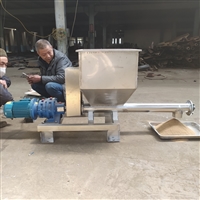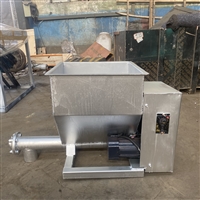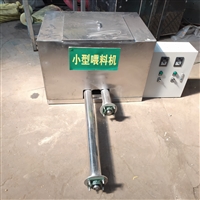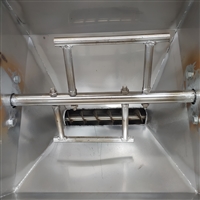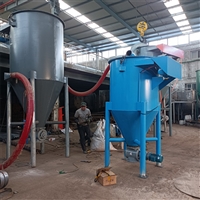
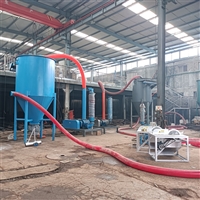


Power plant rubber powder clay pneumatic conveying XWZF perlite pulse ash suction machine
Category:
mechanical equipment/Conveying equipment/Ash conveyor
Model:
Type 175
Brand:
Zhongtian
brand:
Zhongtian
model:
Type 175
Item Number:
five thousand one hundred and two
type:
Pneumatic Conveyor
material:
custom-made
rated power:
11kw
Processing & Customization:
yes
Overall dimensions:
1*1*3
Product Specifications:
custom-made
Place of Origin:
Shandong
Retail Price
9,880.00USD
重量
kg
- Product Description
-
brand Zhongtian
model Type 175
Item Number five thousand one hundred and two
type Pneumatic Conveyor
material custom-made
rated power 11kw
Processing & Customization yes
Overall dimensions 1*1*3
Product Specifications custom-made
Place of Origin Shandong
Description :
Power plant rubber powder clay pneumatic conveying XWZF perlite pulse ash suction machine
feature
1. The material runs in a closed pipeline, without dust, and the environment is clean. The dust inside the pipeline will not leak into the environment. 2. Low energy consumption, low noise, and strong operability for workers. 3. The pipeline is made of flexible hose material, with flexible layout and small footprint. 4. It can be transported over long distances with a high lift, reaching up to 100 meters. 5. Diversified materials can be conveyed, including various powdered materials, granular materials, and small block materials. 6. The manufacturer and model can be customized. The application field of pneumatic conveyor belongs to the closed vacuum negative pressure pneumatic conveying, which is suitable for conveying various powder materials, powder materials, dust materials, difficult to break particles, and small block materials.
Widely used in building materials, chemical industry, grain, metallurgy, mining, environmental protection, light industry, energy and other sectors, it often becomes a key technology for the economic, safe and stable operation of equipment, the development of new process flows, and the development of new gas-solid transportation. In factory workshops and transportation operations involving buildings, highways, railways, and communication, various powders and granules are processed. Fibrous and leaf shaped materials, such as cement, lime, flour, grains, coal powder, fertilizers, chemical raw materials, molding sand, cotton, wool, tobacco, tea, carbon black, sawdust, etc., are increasingly being stored in bulk and transported by pneumatic conveying.
Product perspective display

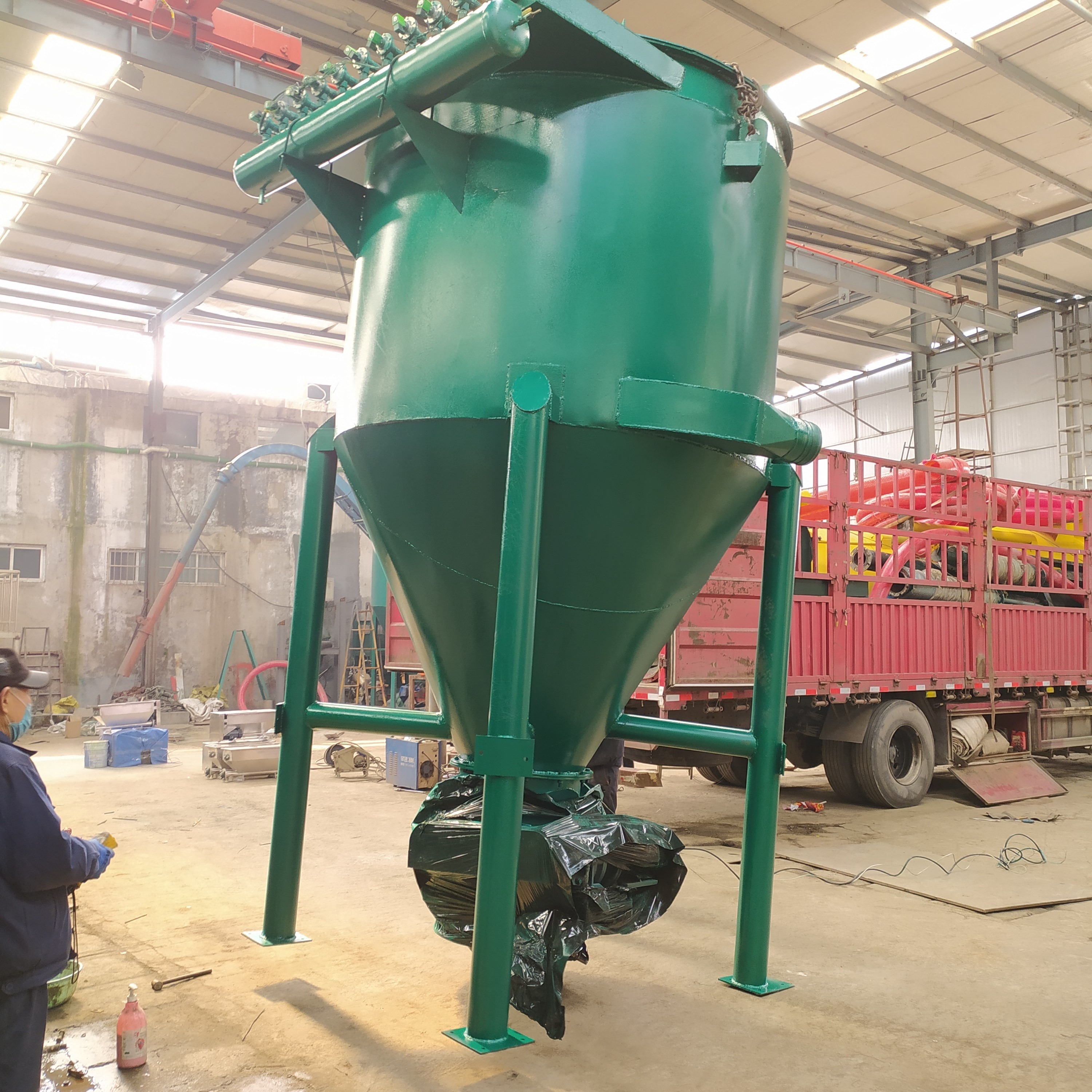


 1. Fan, main power. Usually, the two are assembled at the factory, and after receiving the goods, only the connecting parts need to be inspected.
2. Pulse tank. Usually, this part is in a horizontal transportation state, and after unloading, there is no need to rush to stand upright. You can first check the connection position of its components; Observe from the bottom of the tank and check if the filter bag of the filter cartridge has fallen off (if it falls off during horizontal transportation, it is a normal phenomenon); Check if the pulse meter has water ingress; Check if the flange bend at the top or side feed inlet of the tank is installed (sometimes removed for transportation convenience). After the above preparations are completed, the pulse tank should be erected on the premise of ensuring a solid foundation.
3. Shutter. Fix the air shutter and pulse tank with screws (our company will decide whether to install them properly based on transportation conditions when leaving the factory). When fixing, the position of the air shutter motor and junction box should be considered for ease of use.
Note: Some models may be equipped with a closed fan flange iron ring, which should be fixed in place at this time.
4. Base. For a device that integrates blowing and suction, the pulse tank can be fixed to the base, taking into account the position of the feeding port.
5. Longmen frame. Usually, the gantry consists of one base, four square tube legs, two square tube cross braces, and four channel steel diagonal braces, which can be fixed with screws, and then the pulse tank can be placed on it.
6. Pipeline. First, connect the soundproof pipe and steel pipe to the fan (some models also require steel pipes on the pulse tank), then connect the fan steel pipe to the curved pipe on the top (or side) of the pulse tank with a shorter hose, and install the inlet and outlet hoses.
Note: Heat treatment can be applied to the hose connection to soften it for easy insertion and removal. After installing the hose, clamps should be used to secure it.
7. Suction nozzle. Just connect it to the feeding hose.
8. Air pump. Used in conjunction with the pulse tank and connected to the pulse valve.
9. Others. When the total power of the equipment exceeds 30Kw, it should be ensured that the local area has the corresponding power supply capacity and equipped with soft start devices such as variable frequency starters.
After completing the above steps, your beloved device is ready to use!
Principles of Use
1. Highly valued and secure. The weight and size of the machine are relatively large. When disassembling, moving, and maintaining the machine and its components, large tools such as forklifts and shovels are required. Personnel with relevant operating experience should be used and on-site safety should be closely monitored.
2. Empty load start. Ensure as much as possible that the equipment is free of materials before each use.
3. Test the machine first, then run it. First, conduct a small-scale material trial run to ensure there are no abnormal conditions before gradually increasing the feeding amount.
4. Avoid overloading operation. Different materials have different conveying standards, and our company usually reminds us when ordering to avoid overloading as much as possible and strictly prohibit long-term overloading.
5. Consistency. The electricity, oil (diesel, lubricating oil, etc.), site, personnel training, and other requirements required for the operation of this machine are consistent with those of other equipment. Before each operation, various environmental indicators should be checked first.
6. There is a problem, stop the machine quickly. When there are problems such as air leakage, smoking, abnormal noise, or movement, the power should be immediately cut off and the machine should be stopped for maintenance.
7. Open which one first, then close which one later. When starting, first turn on the air damper, rotate for 20 seconds, and then turn on the fan. When shutting down, first turn off the fan and wait for the material to no longer flow out before closing the shutter.
8. Keep the air flowing in. The suction nozzle is generally equipped with an air inlet, which can be buried in the material pile when necessary to meet the requirement of introducing some air during feeding (such as continuously not flowing air for several minutes, continuously increasing negative pressure in the dust removal tank, which will cause serious and even irreversible effects on the equipment).
AfterSalesService :
Key words:- Rubber powder and clay pneumatic conveying in power plants
More Products