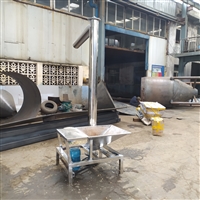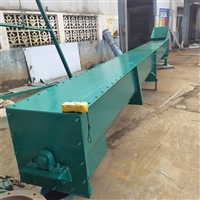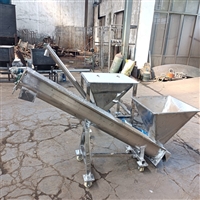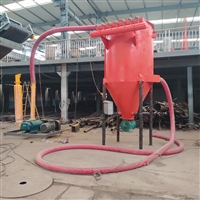
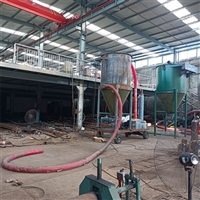


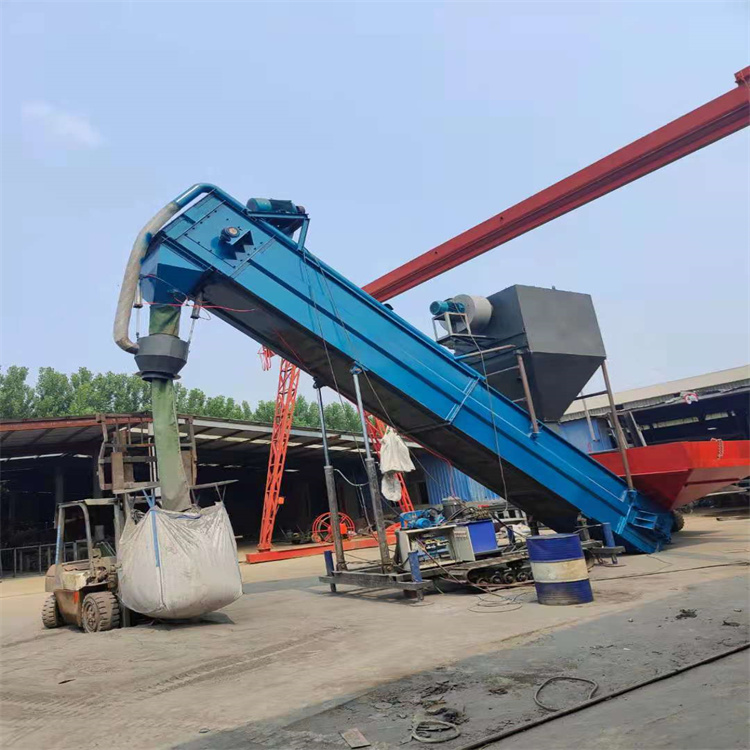
Cement powder sand rice pneumatic conveyor XWZF river sand dust removal type pneumatic conveyor
Category:
mechanical equipment/Conveying equipment/Ash conveyor
Model:
Type 175
Brand:
Zhongtian
brand:
Zhongtian
model:
Type 175
Item Number:
five thousand one hundred and two
type:
Pneumatic Conveyor
material:
custom-made
rated power:
11kw
Processing & Customization:
yes
Overall dimensions:
1*1*3
Product Specifications:
custom-made
Place of Origin:
Shandong
Retail Price
29,000.00USD
重量
kg
- Product Description
-
brand Zhongtian
model Type 175
Item Number five thousand one hundred and two
type Pneumatic Conveyor
material custom-made
rated power 11kw
Processing & Customization yes
Overall dimensions 1*1*3
Product Specifications custom-made
Place of Origin Shandong
Description :
Cement powder sand rice pneumatic conveyor XWZF river sand dust removal type pneumatic conveyor
The negative pressure suction machine for bulk materials such as fly ash uses a Roots blower (vacuum pump) to generate negative pressure. Through the suction nozzle, the material is mixed with a certain amount of air and sent to the separation device through the feeding pipe on the suction arm. After the material is separated from the air, it falls down and enters the conveying machinery or positive pressure conveying equipment. The positive pressure generated by the air compressor passes through the feeding pipeline and sends the material into the bulk material warehouse (bin). The clean air is discharged from the upper part of the separator through the exhaust duct and discharged into the atmosphere through the exhaust port of the Roots blower (vacuum pump). Due to the enclosed shell, it has outstanding advantages in improving workers' operating conditions and preventing environmental pollution when transporting materials that are prone to flying, toxic, explosive, and high-temperature. The main characteristics of pneumatic conveying are large conveying volume, long conveying distance, and high conveying speed; It can be loaded in one place and unloaded in multiple places.
The required rate or output of pneumatic conveyors varies greatly depending on the layout of the pipeline. The conveying pipeline is generally composed of suction nozzles, suction pipelines, horizontal pipes, inclined pipes, vertical pipes, bent pipes, etc. The pressure loss per unit length of pipeline varies with the installation slope and form of the pipeline, that is, the pressure loss of vertical pipelines is greater than that of horizontal pipelines of the same length, and the inclined pipeline boundary is between the two. The magnitude of pressure loss at the bend varies with factors such as the physical properties of the material, mixing ratio, airflow velocity, and the ratio of the curvature radius of the bend to the diameter of the pipe. The pressure loss at the bend when a horizontal pipeline is switched to vertical upward transportation. So when arranging the conveying pipeline, try to reduce the number of bends as much as possible and use straight piping. For the layout of pipelines for horizontal, vertical, and combined conveying, the distance between suction and conveying pipelines should be minimized as much as possible. A 5-10 meter horizontal pipe should be connected at the discharge port of the machine first, so that the material can be accelerated in the horizontal pipe before being transferred to vertical conveying. If possible, use three-dimensional inclined conveying and minimize the number of bends. Or it can be used as a separate pressure feeding method to increase the conveying capacity of the conveyor.
Keda brand pneumatic conveyor utilizes the energy of airflow to transport granular materials along the direction of airflow in a closed pipeline, which is a specific application of fluidization technology. The structure of the pneumatic conveying device is simple and easy to operate. It can be used for horizontal, vertical, or inclined conveying. During the conveying process, it can also perform physical operations such as heating, cooling, drying, and air flow classification, as well as certain chemical operations.
Application of Fly Ash Pneumatic Ash Absorber Technology in Metallurgical Industry
The metallurgical industry, including blast furnace ironmaking, open hearth furnace, converter, and electric furnace steelmaking, involves the transportation of a large amount of granular materials and meets certain process requirements during the transportation process. For example, the transportation and carbon injection of blast furnace pulverized coal, the discharge of smoke and slag in the blast furnace furnace, the price of fly ash pneumatic ash extractor, the transportation of lining materials such as dolomite powder, the transportation and carbon injection of carbon materials in the electric furnace foam slag submerged arc technology, the pneumatic sample delivery and flushing of samples in front of the furnace and the central laboratory



AfterSalesService :
Key words:- Cement powder sand rice pneumatic conveyor
More Products