

Snott Gold Silver Pollen Honeysuckle Extract Chlorogenic Acid Flavonoids Drug Food Homology Qualification Complete
Category:
agriculture/plant extracts/plant extracts
Model:
Brand:
Fufeng Snott Biotechnology Co., Ltd
Retail Price
90.00USD
重量
kg
- Product Description
-
Description :

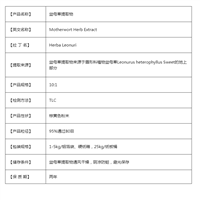
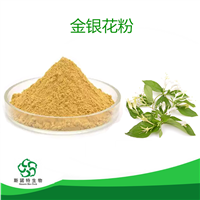
[Product Name]: Gold and Silver Pollen
[English name]: Lonicerae Japonicae Flos
[Product Name]: Honeysuckle Flower, Double Flower, Double Flower, Silver Flower
【 Plant Source 】: Flower buds of Lonicera japonica Thunb. plant
[Product Description]: Brown powder
【 Detection Method 】: UV/TLC
[Number of Contents]: 80-100
【 Specifications 】: 5:1 10:1 20:1 can be customized according to needs
[Product Packaging]: Use a double-layer plastic bag with 1kg aluminum foil inside, and use a cardboard drum (25kg/drum) outside
【 Storage Method 】: Store in a cool, dry, dark, and high-temperature place
【 Shelf life 】: Two years
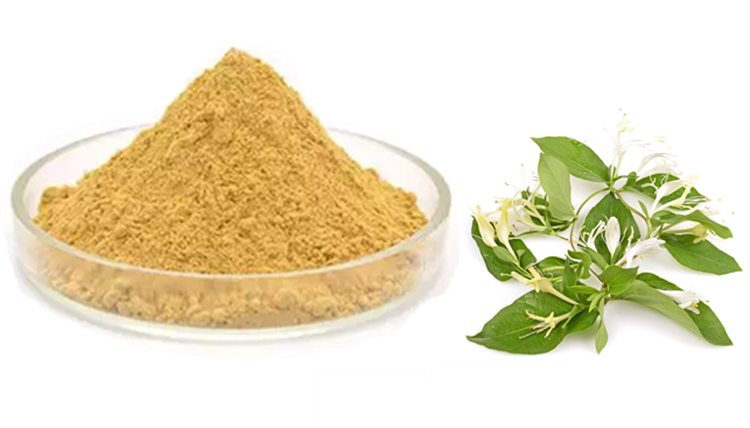
【 Introduction to Honeysuckle 】: Honeysuckle, officially known as Lonicera japonica Thunb. (scientific name: Lonicera japonica Thunb.). Due to the fact that honeysuckle flowers initially turn white and then turn yellow, they are named honeysuckle. The medicinal herb honeysuckle is a plant of the Lonicera genus, including Lonicera japonica and other plants with dried flower buds or flowers that have just bloomed. The most prominent feature of this species is the presence of large leaf shaped bracts. It looks somewhat similar to South China honeysuckle in appearance, but the bracts of that species are narrow and thin rather than leaf shaped, the calyx tube is densely covered with short hairs, and the small branches are densely covered with curly short hairs, which is significantly different from this species. The morphological variation of this species is very large, with significant changes in the hair cover of branches and leaves, the shape and size of leaves, as well as the length of corollas, the ratio of hair cover and lip to tube length. But all these changes seem to be more closely related to the ecological environment and have not shown any correlation with geographical distribution.




AfterSalesService :
Key words:- Gold and silver pollen