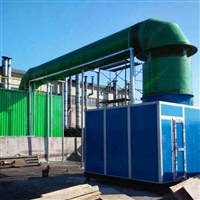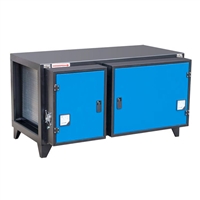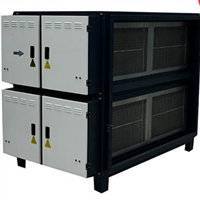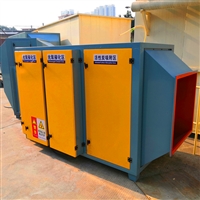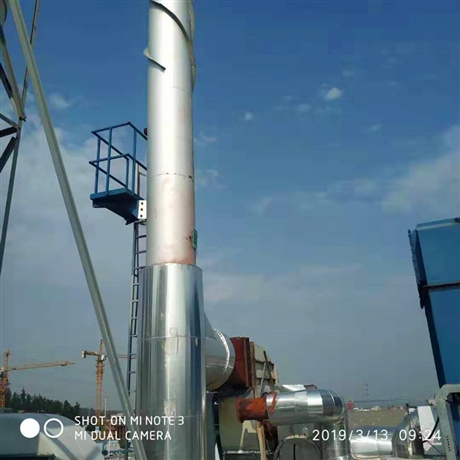


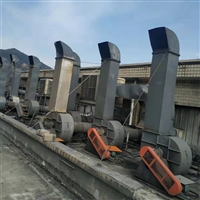
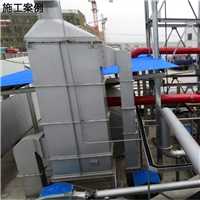
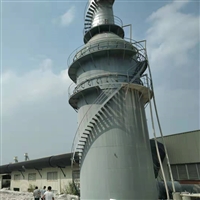
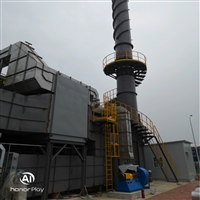

VOCs exhaust gas treatment manufacturer Xiamen catalytic combustion
Category:
mechanical equipment/Air purification equipment/Complete set of waste gas treatment equipment
Model:
CHRS
Brand:
Hengtai Environmental Protection
Retail Price
10,260.00USD
重量
kg
- Product Description
-
Description :


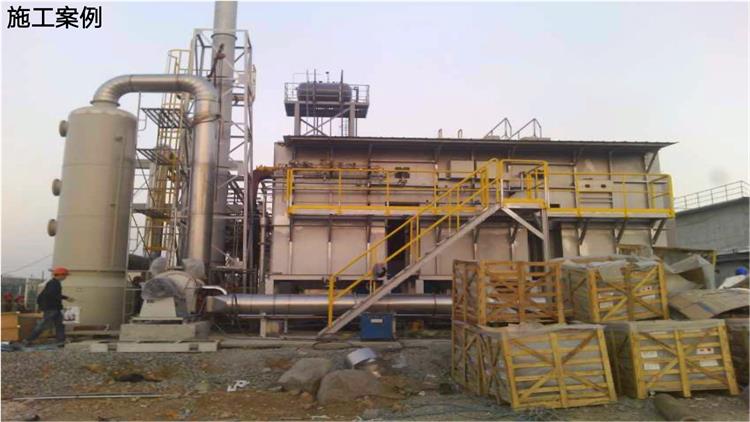
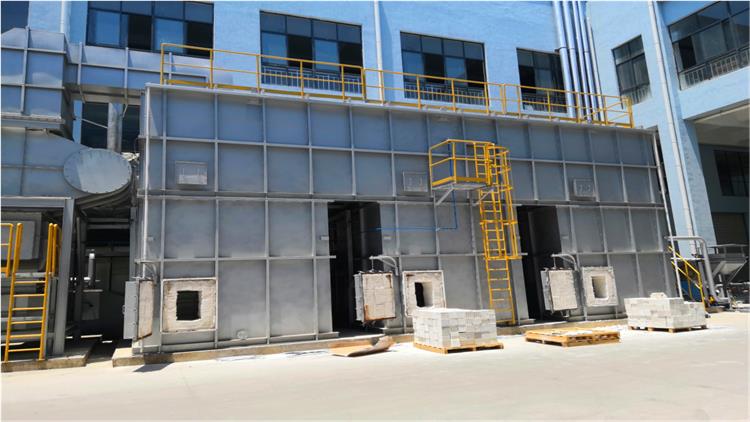
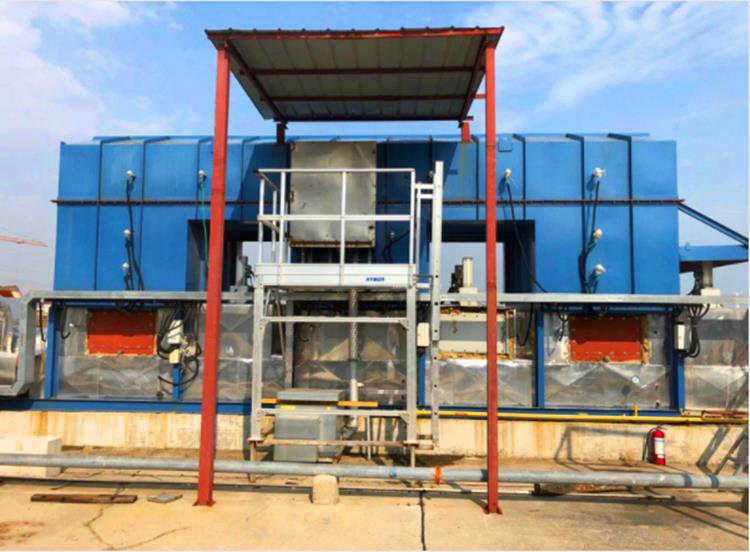
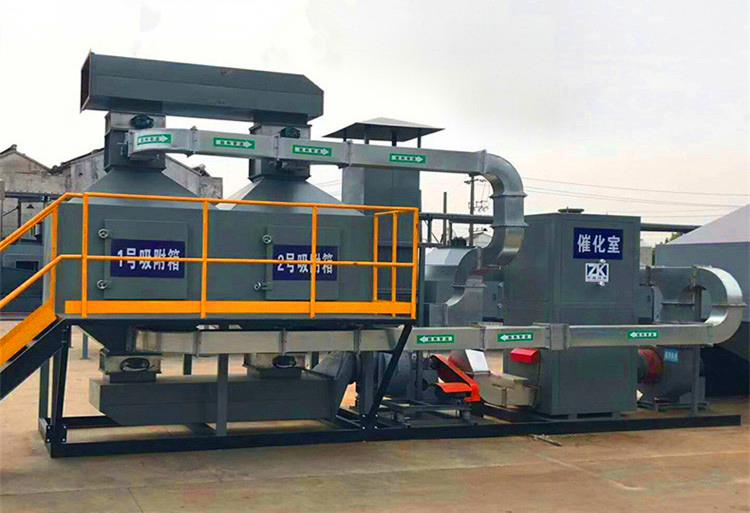
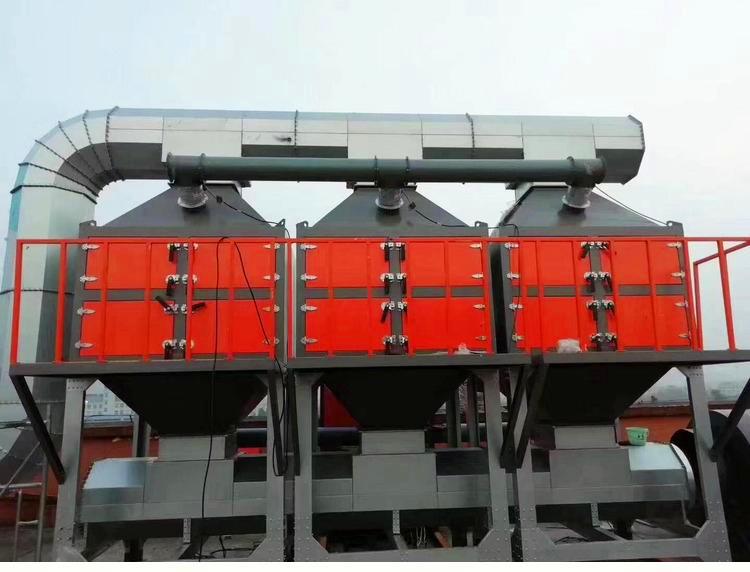
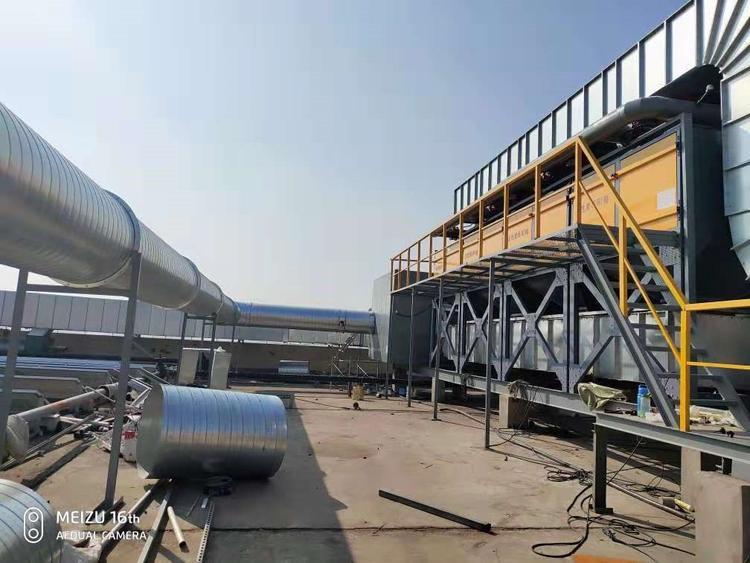
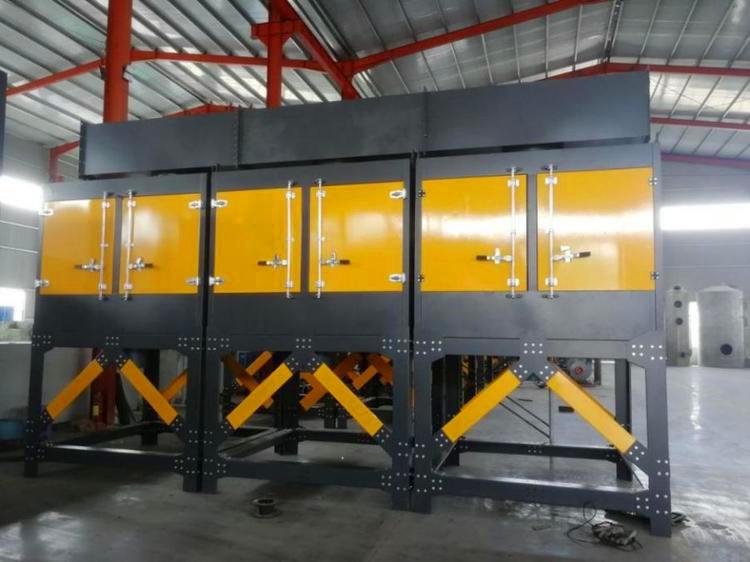
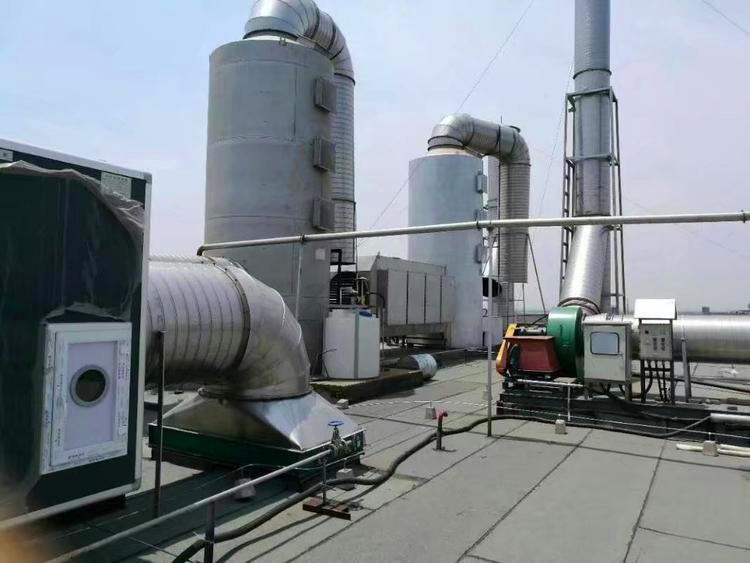
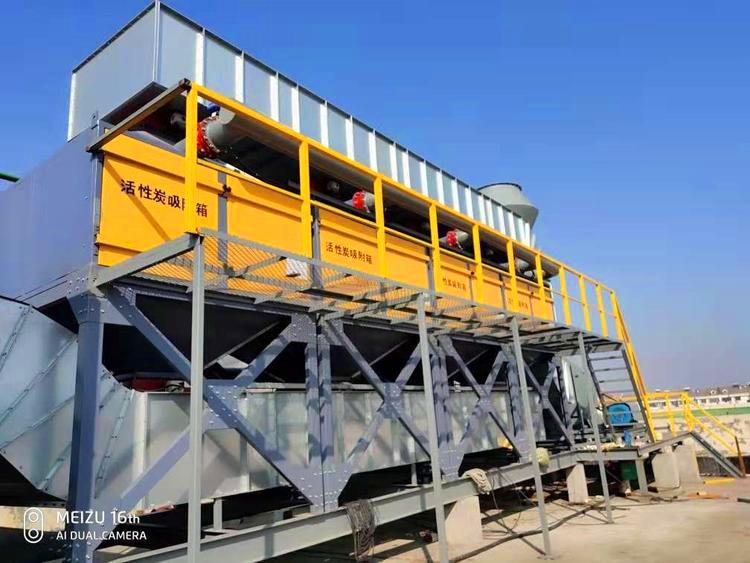
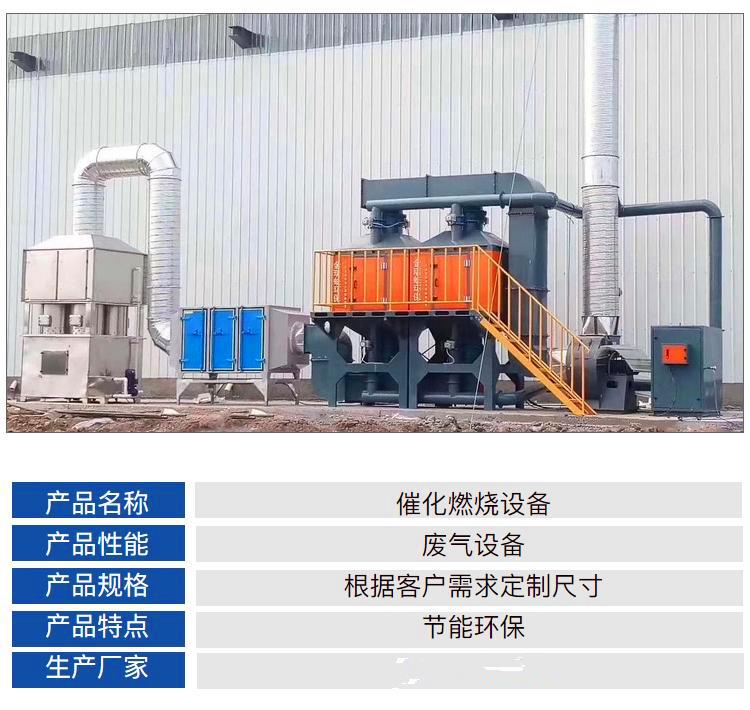
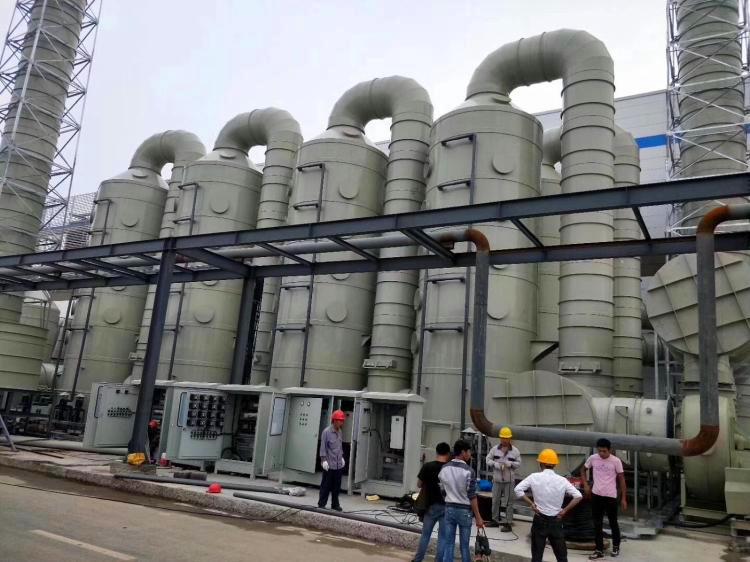
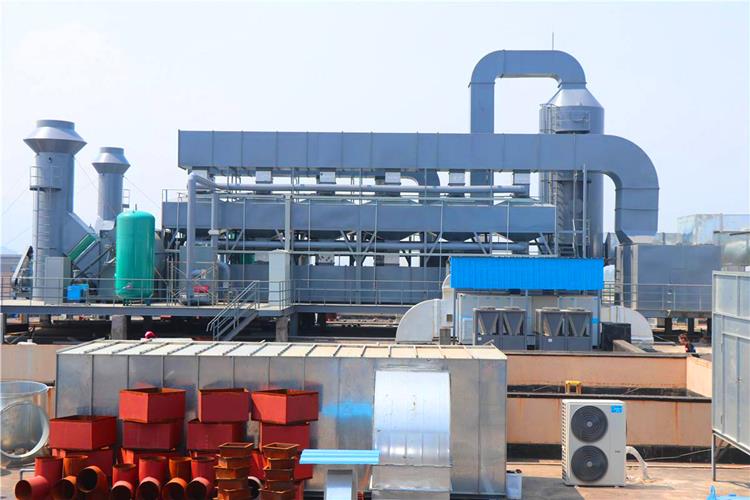
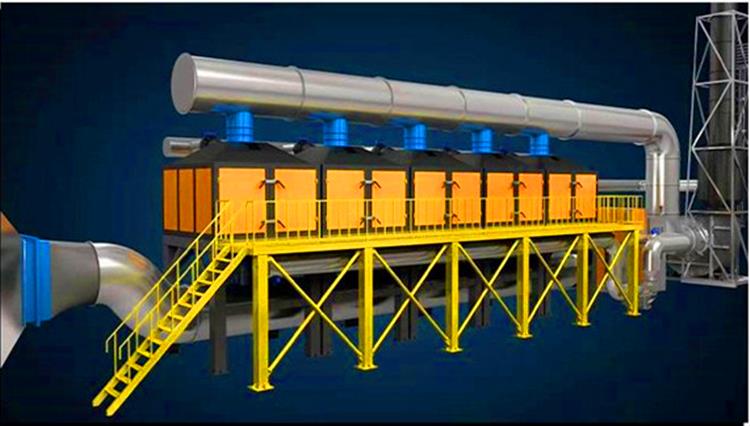
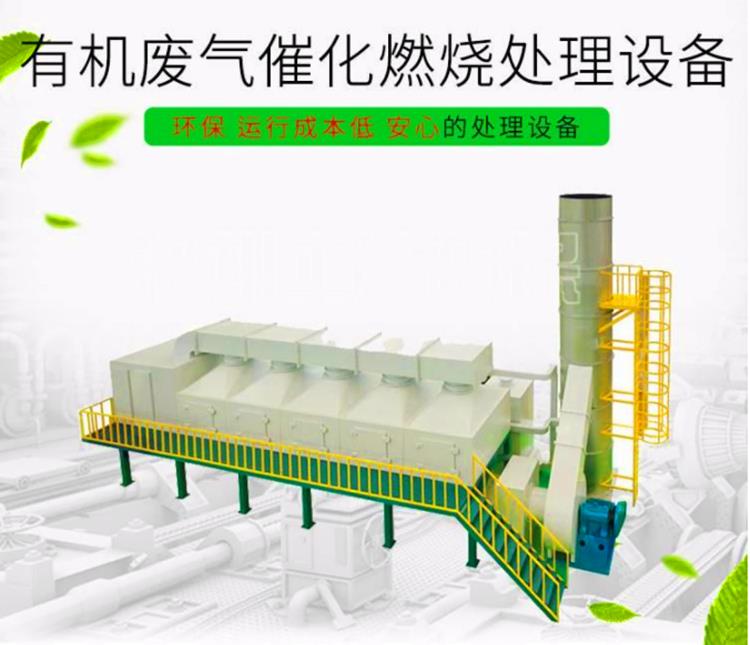
Structural characteristics of RCO catalytic combustion
1. Easy to operate: The device can achieve automatic control during operation.
2. Low energy consumption: The equipment only needs 15-30 minutes to heat up to the ignition temperature (when the concentration of organic waste gas is high), and the energy consumption is only the fan power.
3. Reliable: The equipment is equipped with a fire suppression system, explosion-proof pressure relief system, over temperature alarm system, and advanced self-control system.
4. Low resistance and high purification efficiency: using advanced honeycomb ceramic carrier catalysts impregnated with precious metals palladium and platinum, with a large specific surface area.
5. Waste heat can be reused: Waste heat can be returned to the drying oven, reducing the power consumption in the original drying oven; It can also be used as a heat source in other aspects.
6. Small footprint: only 70% -80% of similar products in the same industry, and there are no special requirements for equipment foundation
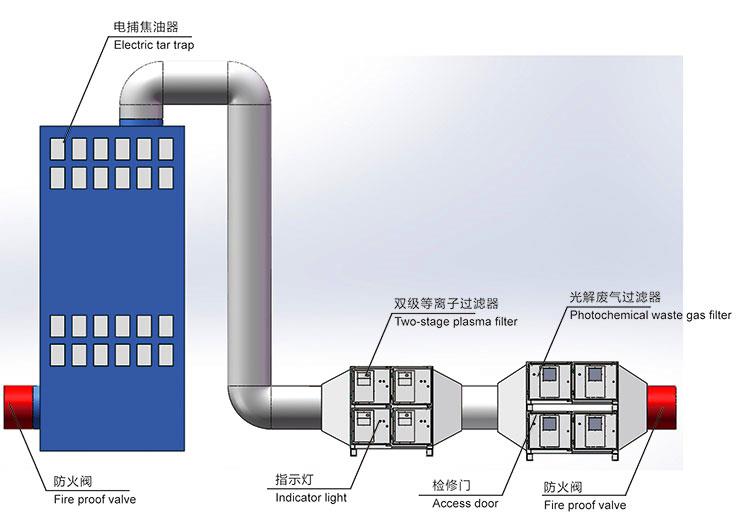
RCO catalytic combustion purification equipment can be said to be a common method for treating organic pollutants through catalytic reactions (without open flames). It has the advantages of wide applicability, simple structure, high purification efficiency, energy saving, and no secondary pollution. For catalytic combustion waste treatment, in order to avoid clogging of the catalyst bed and catalyst poisoning, the exhaust gas must be pre treated before entering the bed to remove dust, droplets, and catalyst toxins from the exhaust gas.
Catalytic combustion is a purification method that uses catalysts to oxidize and decompose combustible substances in exhaust gas at lower temperatures. So, catalytic combustion is also known as catalytic chemical conversion. Due to the acceleration of the oxidation decomposition process by the catalyst, most hydrocarbons can be completely oxidized by the catalyst at temperatures of 300-450 ℃.
Compared with the thermal combustion method, catalytic combustion requires less auxiliary fuel, consumes less energy, and has smaller equipment and facilities. However, the promotion and application of this method in industrial production processes have been affected by issues such as catalyst poisoning, replacement of catalytic beds, and high cleaning costs.





AfterSalesService :
Key words:- Catalytic combustion equipment