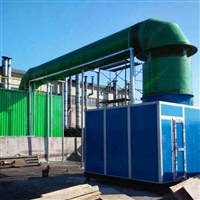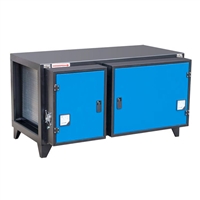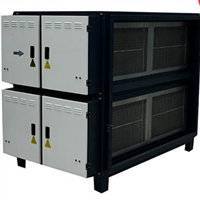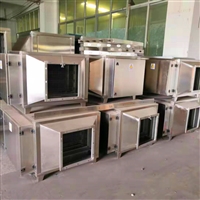
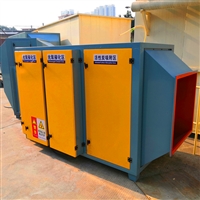


Odor treatment and purification equipment for exhaust gas odor control
Category:
mechanical equipment/Air purification equipment/Deodorization device
Model:
YWJH—703
Brand:
Hengtai Environmental Protection
Retail Price
2,650.00USD
重量
kg
- Product Description
-
Description :
When the exhaust gas enters the plasma photolysis integrated purification equipment, it first undergoes a plasma chemical reaction process, where electrons first obtain energy from the electric field and transfer it to molecules or atoms through excitation or ionization. The molecules or atoms that obtain energy are excited, while some molecules are ionized, thus becoming active groups; Afterwards, these active groups collide with molecules or atoms, as well as with each other, to generate stable products and heat. Under the action of an external electric field, a large number of energy carrying electrons generated by dielectric discharge bombard pollutant molecules, causing them to ionize, dissociate, and excite, which then triggers a series of complex physical and chemical reactions, transforming complex macromolecular pollutants into simple small molecule safe substances, or transforming harmful substances into harmless or low-risk substances, thereby enabling pollutants to be degraded and removed.

Photolytic exhaust gas purification equipment is a device specifically designed to remove toxic and harmful gases as well as odorous gases. It has the characteristics of high efficiency, low operating cost, small equipment footprint, light weight, no mechanical action, and no noise. The photocatalytic exhaust gas purification equipment has a purification efficiency of over 99%, which is currently the best purification equipment on the market.
Scope of Application
The photocatalytic exhaust gas treatment equipment is mainly used for the treatment of toxic and harmful gases, odors, and foul odors in various fields such as paint spraying, chemical industry, paper industry, tire and rubber production plants, automobile production, sewage treatment, sludge exhaust gas treatment, garbage exhaust gas treatment, leather industry, printing plants, spice production industry, feed and breeding farms, pesticide production, and tobacco industry. There are over 900 types of gas substances involved, mainly including hydrogen sulfide, ammonia nitrogen, thiols, indoles, benzene, nitro groups, hydrocarbons, and aldehydes.

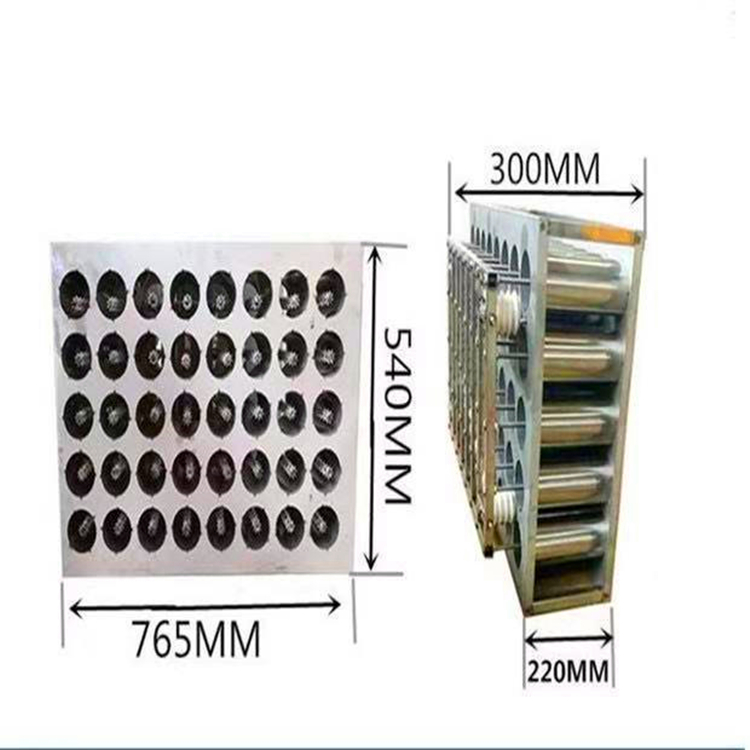
reaction principle
Decompose polluted gases into non-toxic, harmless, and odorless gases through destruction, decomposition, and catalytic oxidation. destroy
By using high-energy C-band light to strongly crack the molecular chains of polluted gases, the molecular structure of substances is changed, and high molecular pollutants are cracked and oxidized into low molecular weight harmless substances such as water and carbon dioxide.
catalytic oxidation
1. O3 strong catalytic oxidant for catalytic oxidation can effectively kill bacteria, destroy toxic and harmful substances, and transform them into low molecular weight harmless substances.
2. Catalyst coating, stimulated by C-band laser, generates activity and enhances catalytic oxidation.
3. During the decomposition process, high-energy and high ozone UV ultraviolet beams are generated to decompose oxygen molecules in the air, producing free oxygen, also known as reactive oxygen species. Due to the imbalance of positive and negative electrons carried by free oxygen, it needs to combine with oxygen molecules to produce ozone. UV+O2 → O -+O * (reactive oxygen species) O+O2 → O3 (ozone). It is well known that ozone has a strong oxidizing effect on organic matter and has a strong cleaning effect on odorous gases and other irritating odors. O3 is also a strong catalytic oxidant for exhaust gas catalytic oxidation, which breaks down the molecular bonds of bacteria in odorous gases, destroys the nucleic acid (DNA) of bacteria, and then undergoes oxidation reaction through ozone to completely achieve the purpose of deodorization and sterilization.
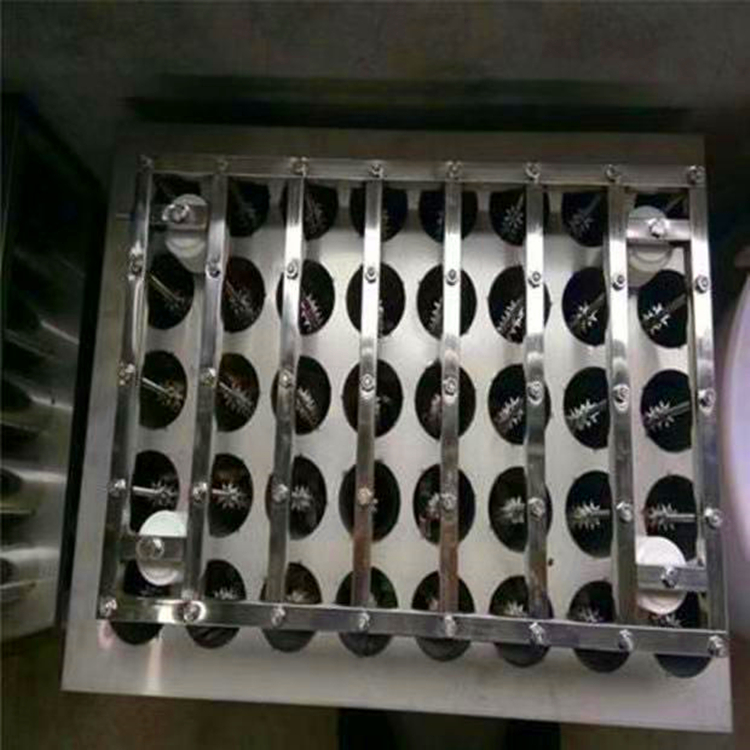


AfterSalesService :
Key words:- Odor treatment and purification equipment