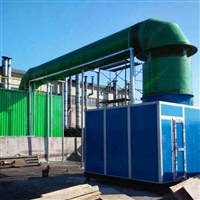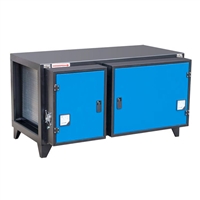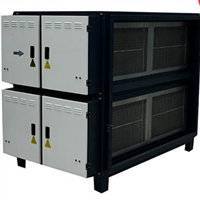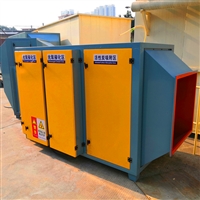
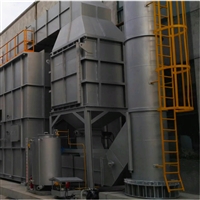
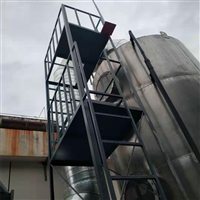
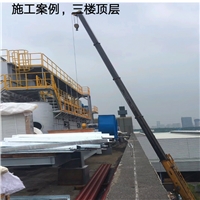
VOCs waste gas treatment structure Xiamen catalytic combustion
Category:
mechanical equipment/Air purification equipment/Complete set of waste gas treatment equipment
Model:
CHRS
Brand:
Hengtai Environmental Protection
Retail Price
10,260.00USD
重量
kg
- Product Description
-
Description :
Using a specially designed high-energy beam to irradiate odorous gases, cracking odorous gases such as ammonia, hydrogen sulfide, hydrogen sulfide, methyl mercaptan, methyl sulfide, carbon disulfide, and styrene, sulfides H2S, VOCs, and the molecular chain structure of benzene, organic or inorganic high molecular weight odorous compounds are degraded and transformed into low molecular weight compounds such as CO2, H2O, etc. under high-energy ultraviolet beam irradiation. The Qiaoda photocatalytic exhaust gas treatment equipment has a capacity of 10000m3/h, and the photocatalytic oxygen purifier is made of stainless steel material for deodorization and odor purification
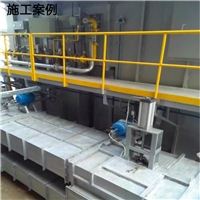
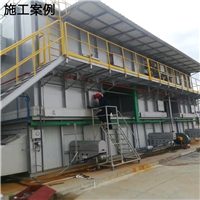
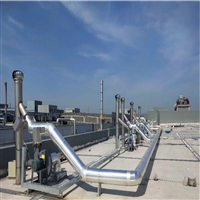
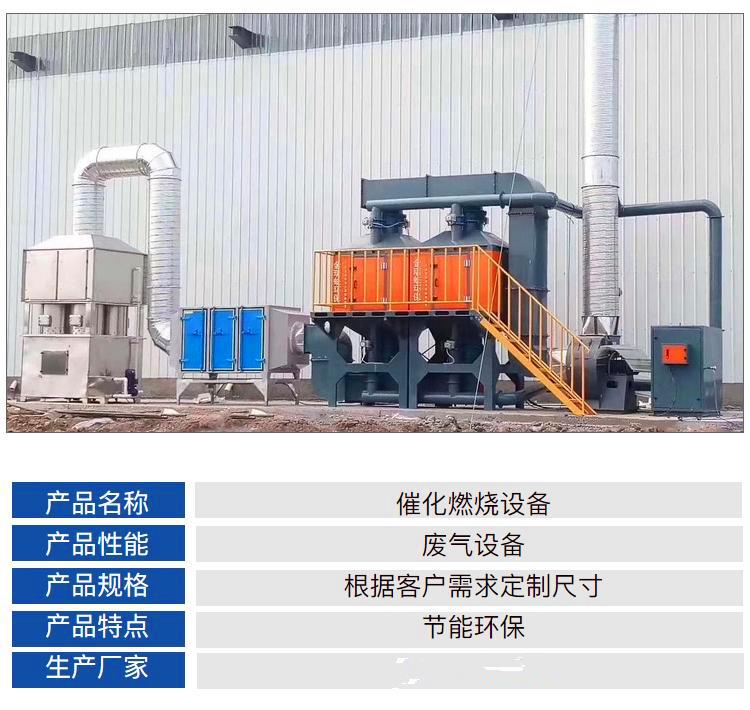
Catalytic combustion is a purification method that uses catalysts to oxidize and decompose combustible substances in exhaust gas at lower temperatures. So, catalytic combustion is also known as catalytic chemical conversion. Due to the acceleration of the oxidation decomposition process by the catalyst, most hydrocarbons can be completely oxidized by the catalyst at temperatures of 300-450 ℃.
Compared with the thermal combustion method, catalytic combustion requires less auxiliary fuel, consumes less energy, and has smaller equipment and facilities. However, the promotion and application of this method in industrial production processes have been affected by issues such as catalyst poisoning, replacement of catalytic beds, and high cleaning costs.

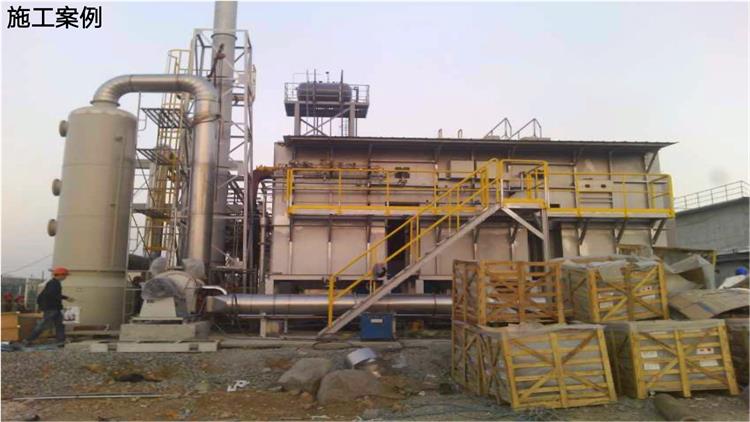
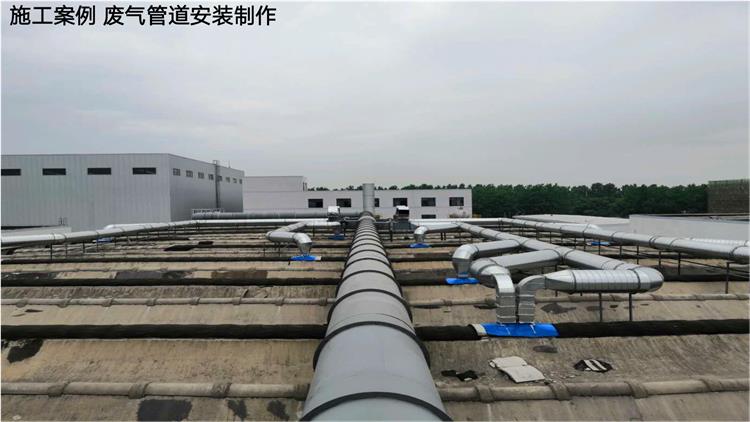

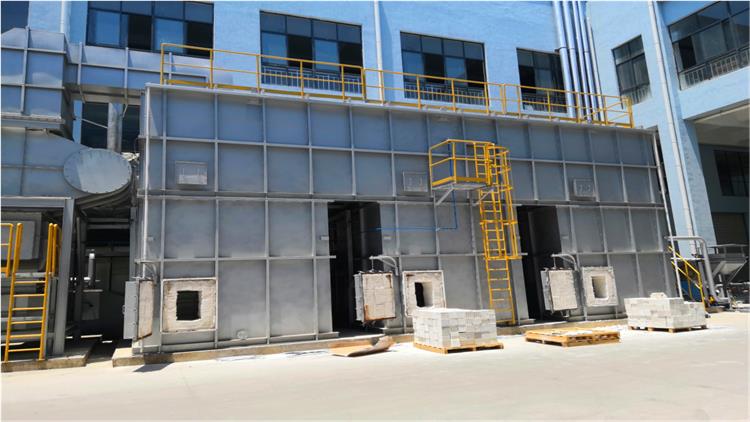

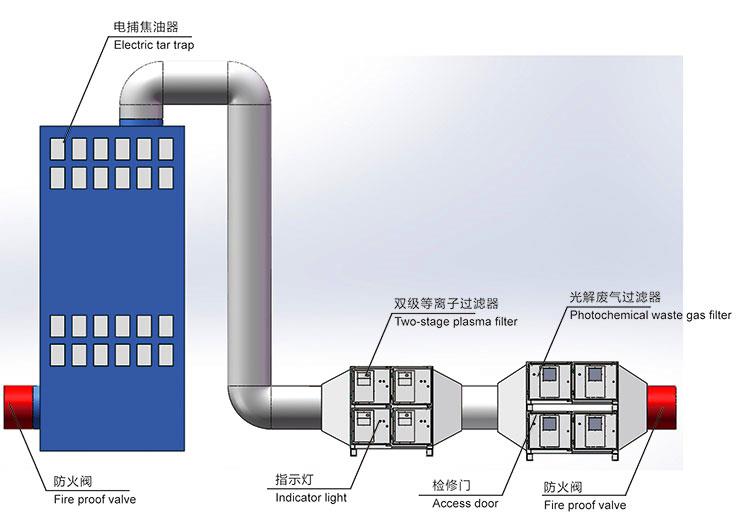
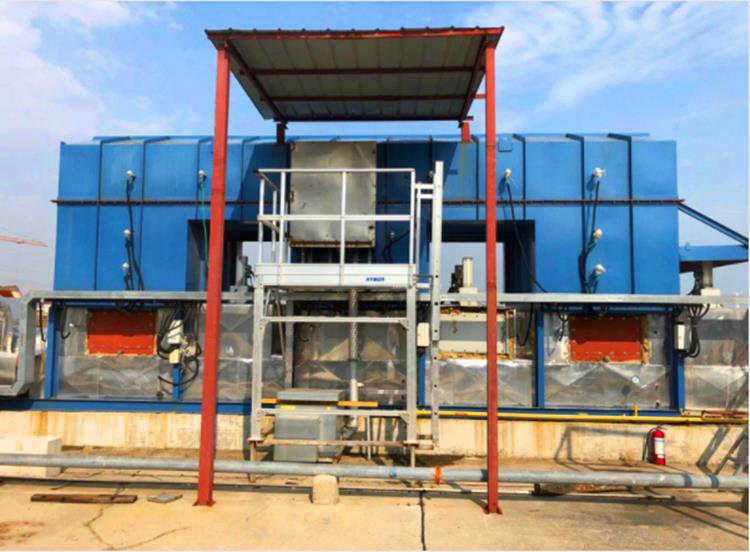
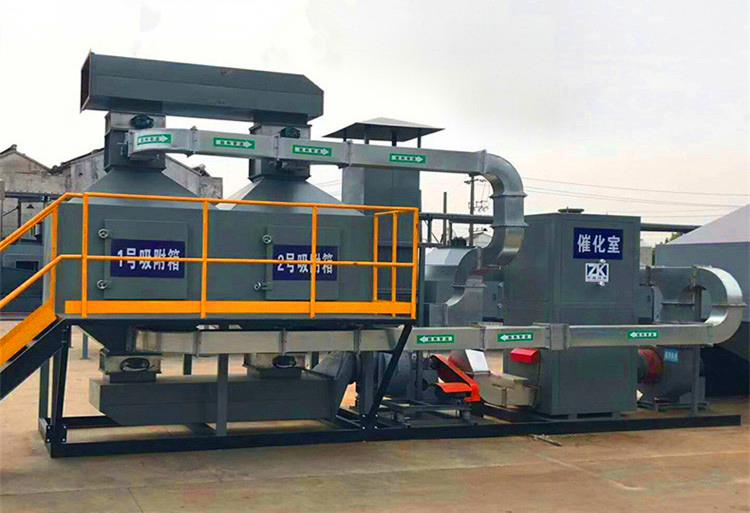
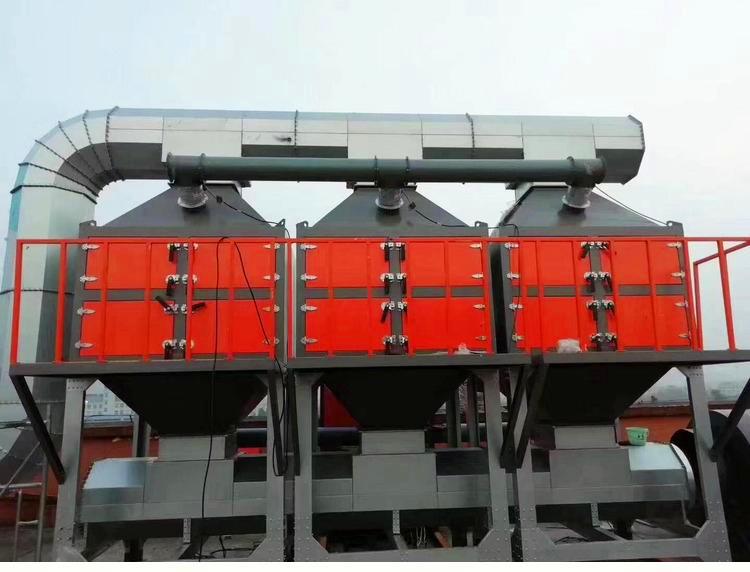
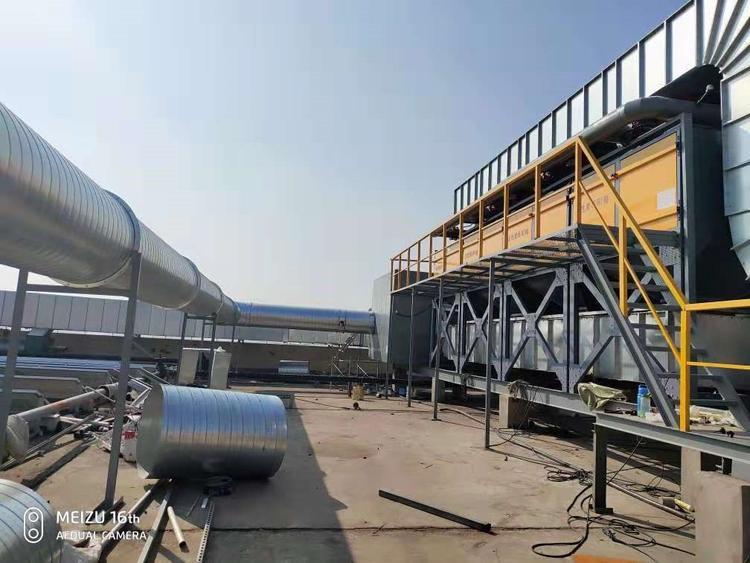


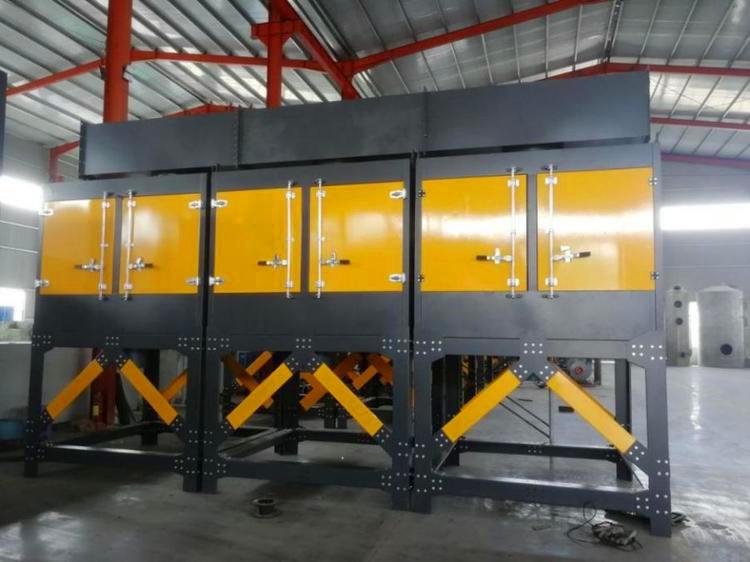
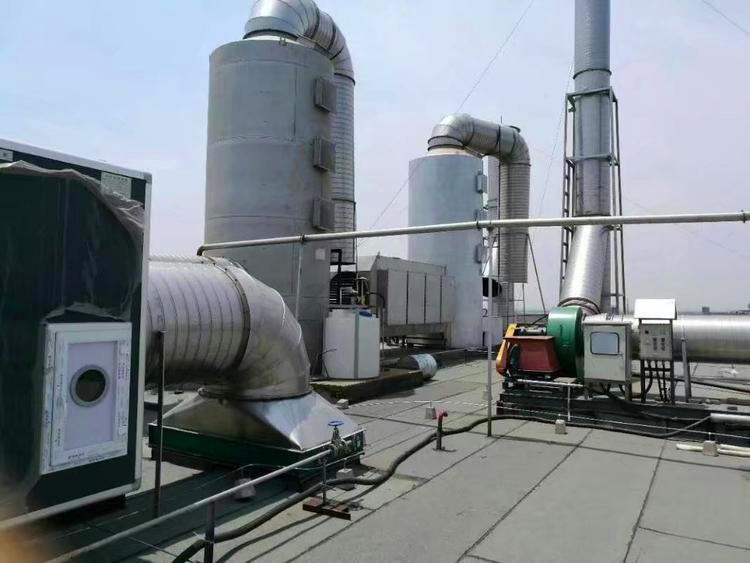
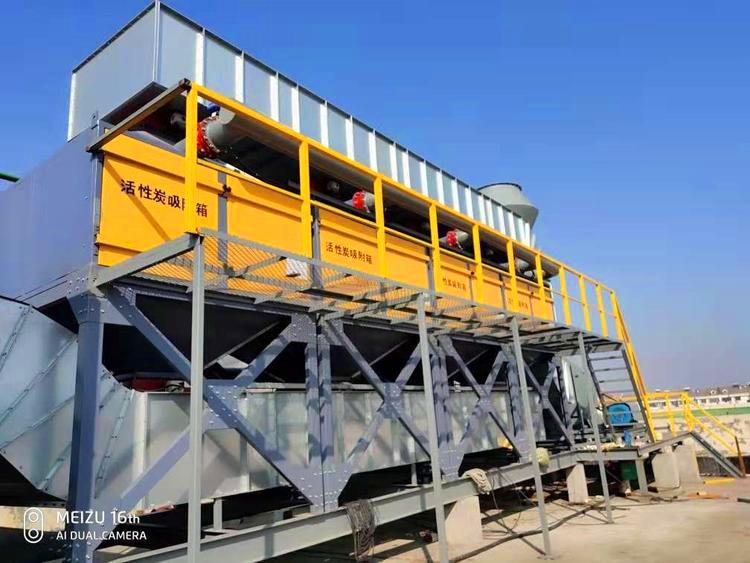
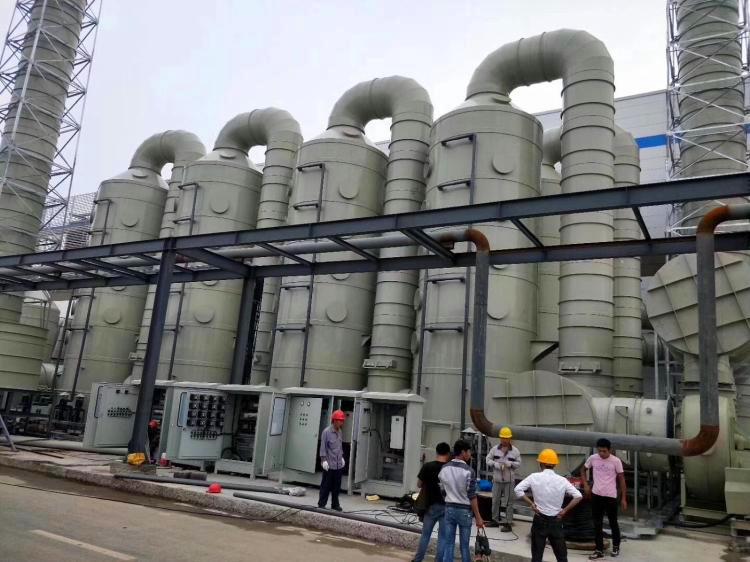
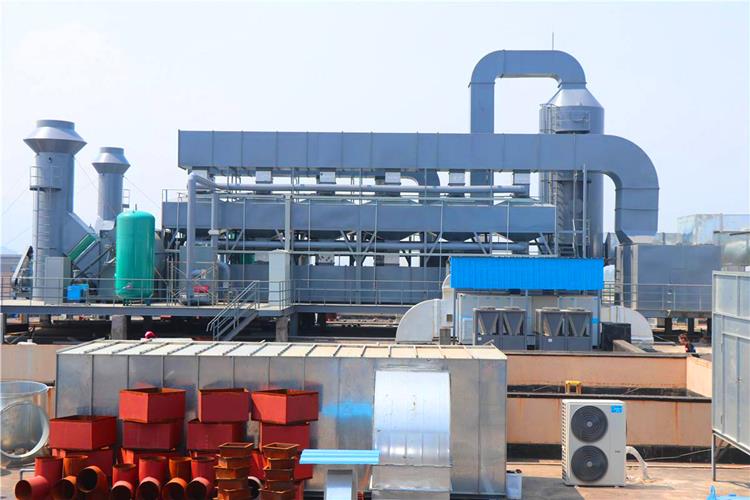
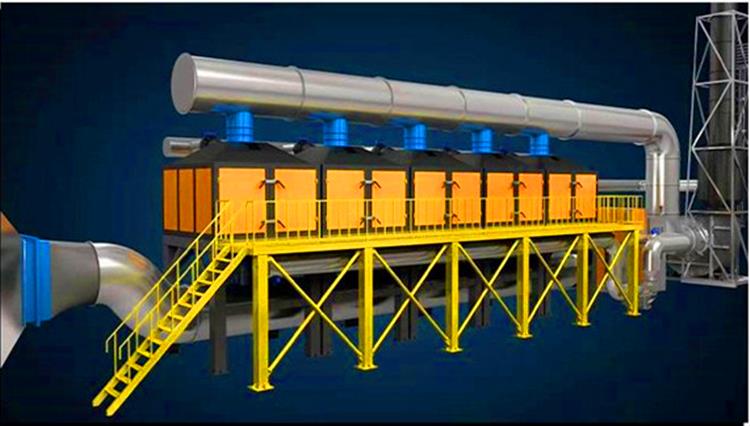
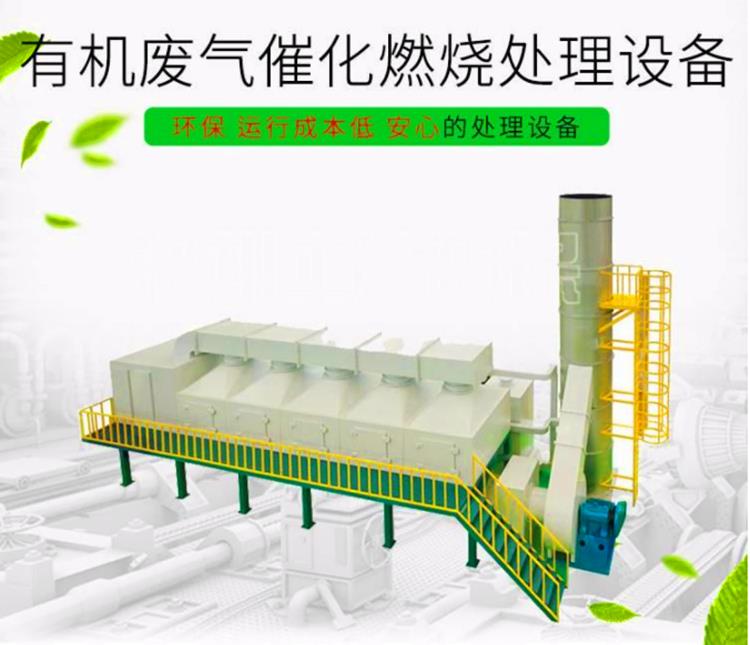


The DDBD plasma industrial waste gas treatment technology is introduced and absorbed by Zhongke Blue Company from Fudan University, and standardized waste gas treatment equipment has been developed. It uses the generated high-energy electrons, free radicals and other active particles to activate, ionize (but generally not recommended for use in chemical and pharmaceutical fields, as there is a risk of explosion due to high-voltage discharge), and crack the various components in industrial waste gas, causing them to undergo a series of complex chemical reactions such as decomposition and oxidation. After multi-stage purification, various odor and odor pollutants emitted from pollution sources are eliminated, and toxic and harmful gases are reduced to low toxicity and non-toxic, protecting the human living environment.
AfterSalesService :
Key words:- Catalytic combustion equipment