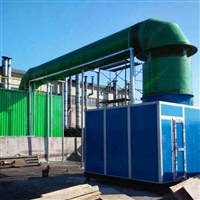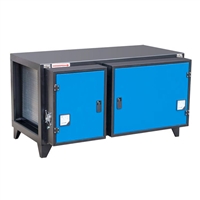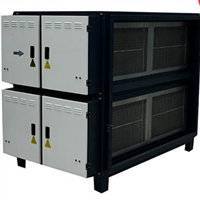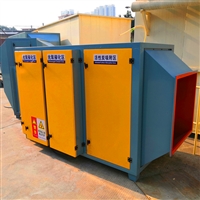

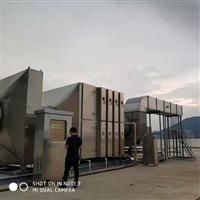
VOCs waste gas treatment project Xiamen catalytic combustion
Category:
mechanical equipment/Air purification equipment/Complete set of waste gas treatment equipment
Model:
CHRS
Brand:
Hengtai Environmental Protection
Retail Price
10,260.00USD
重量
kg
- Product Description
-
Description :
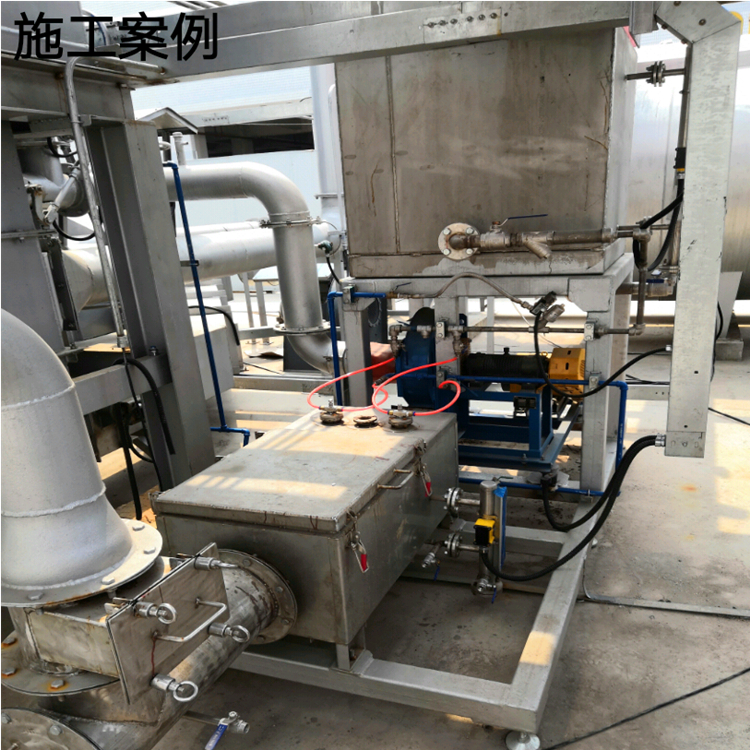

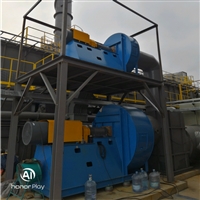
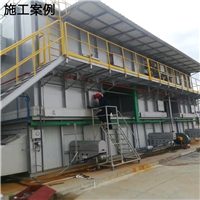
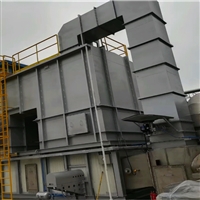
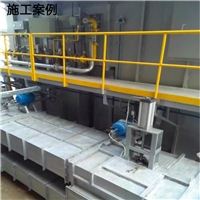
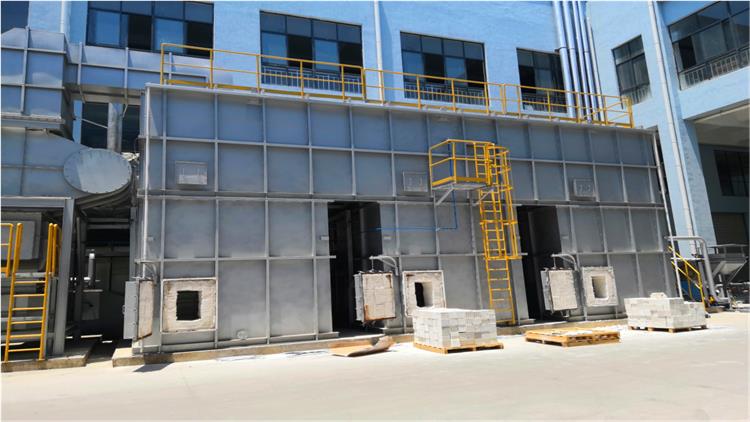
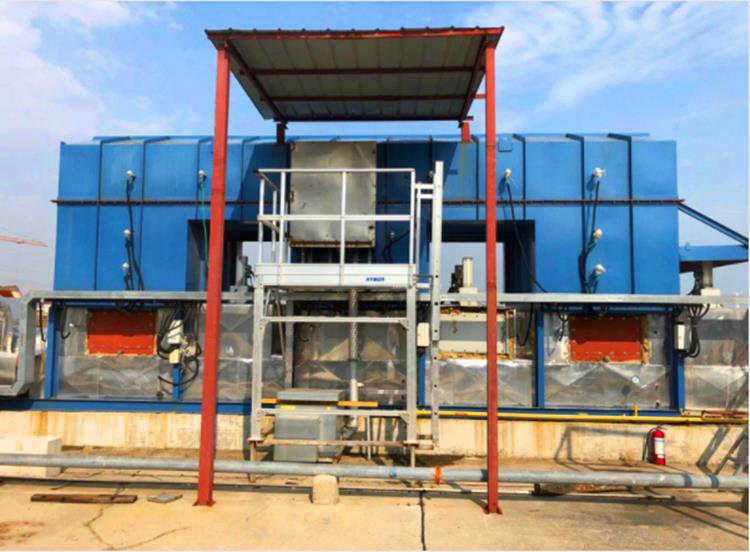
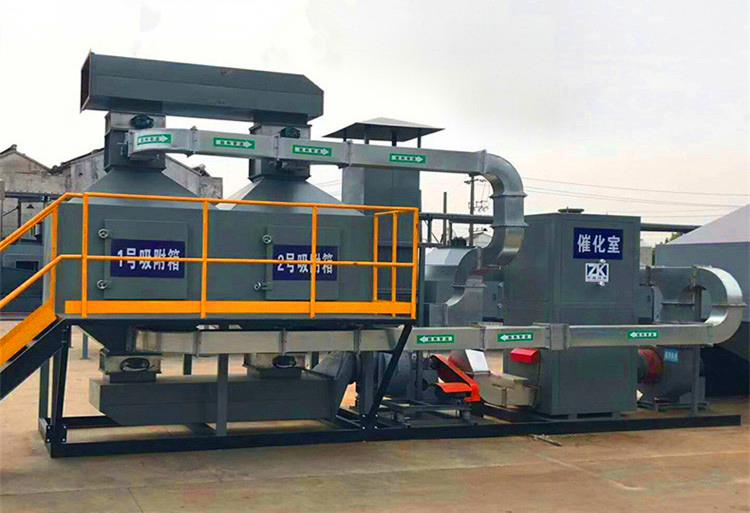
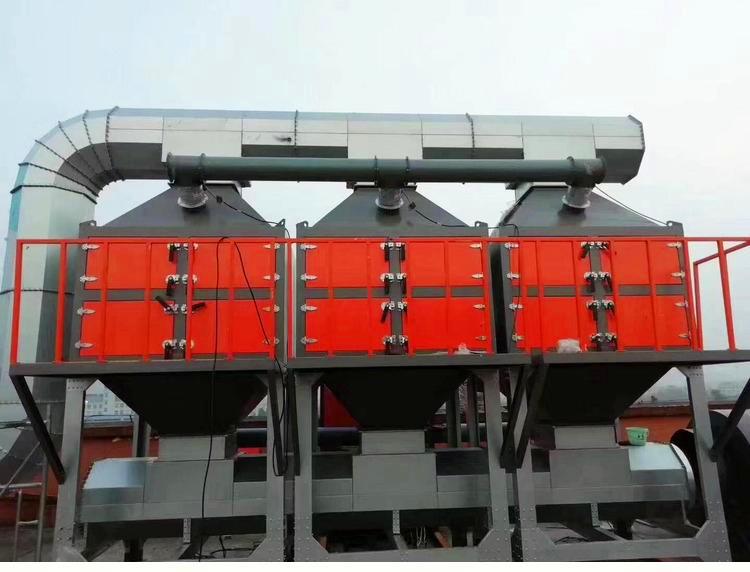
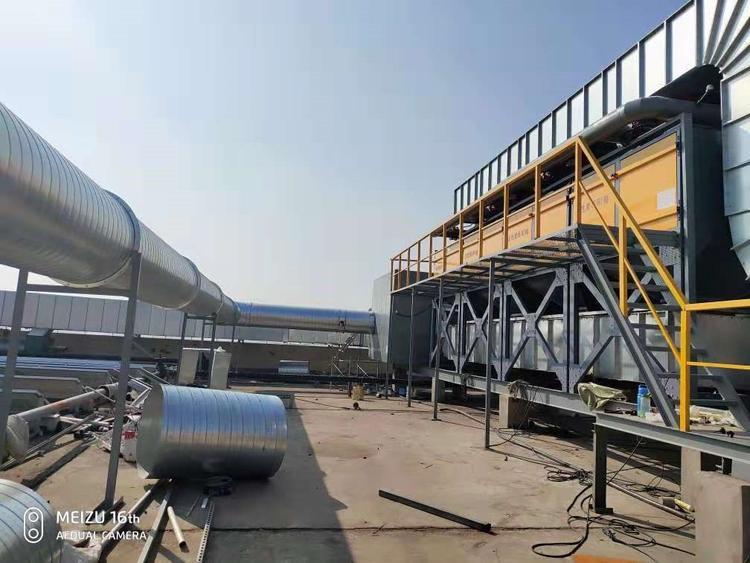
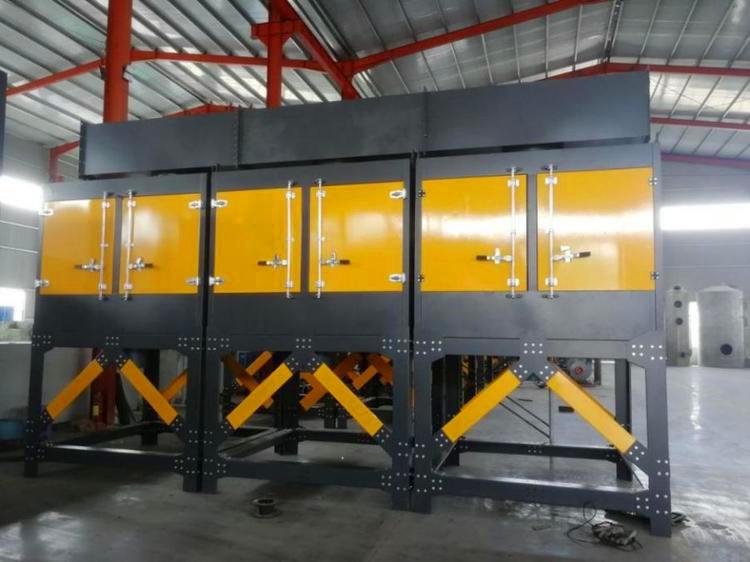
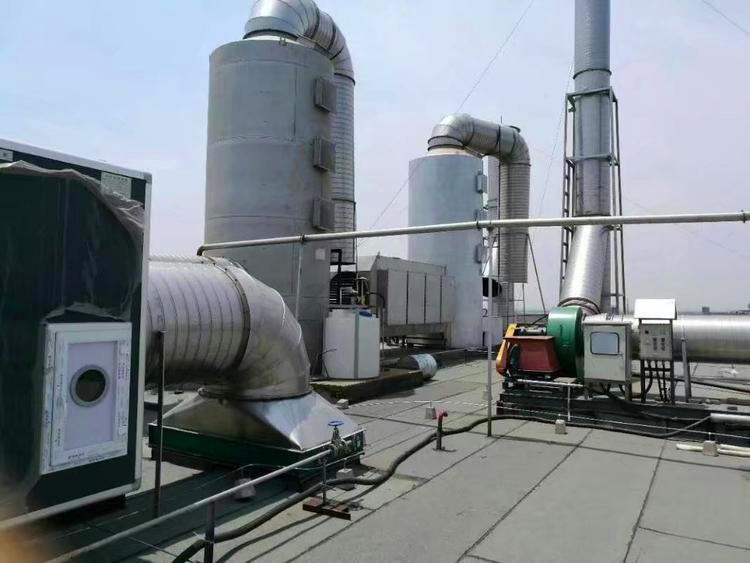
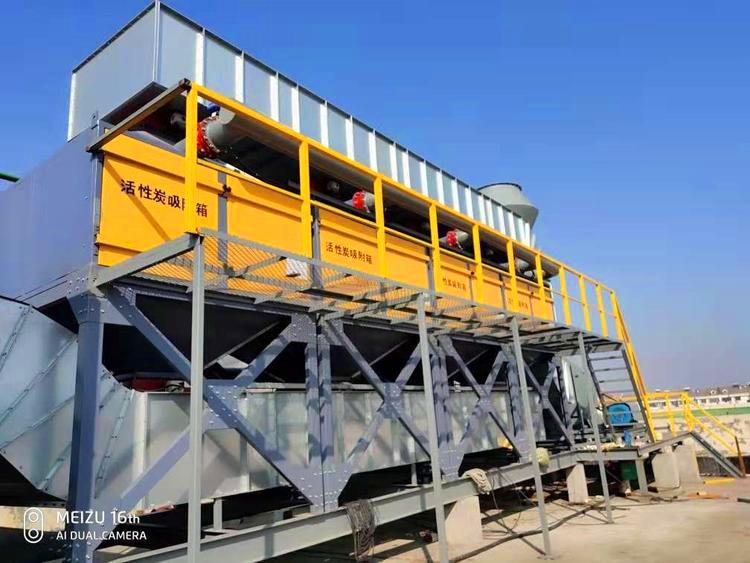
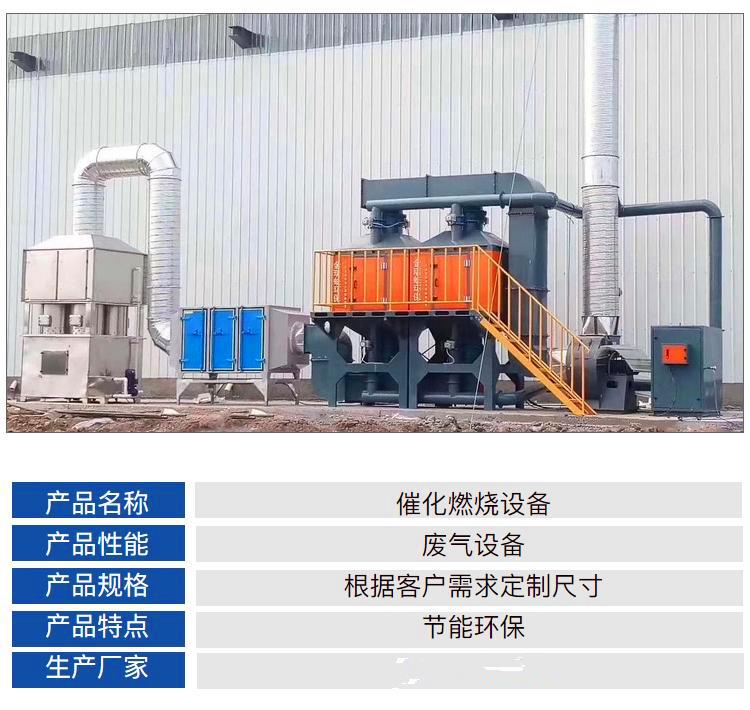
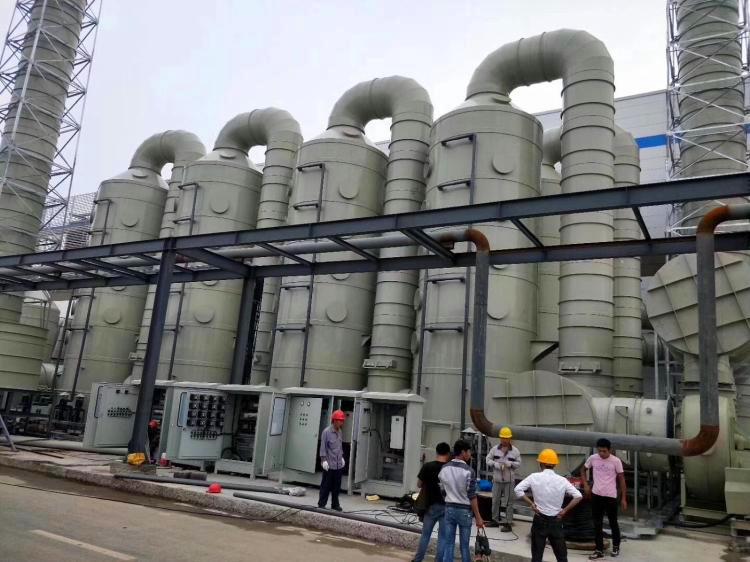
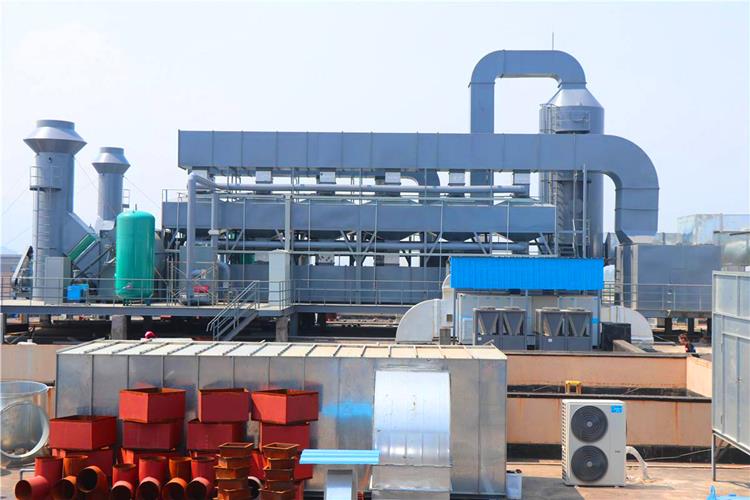
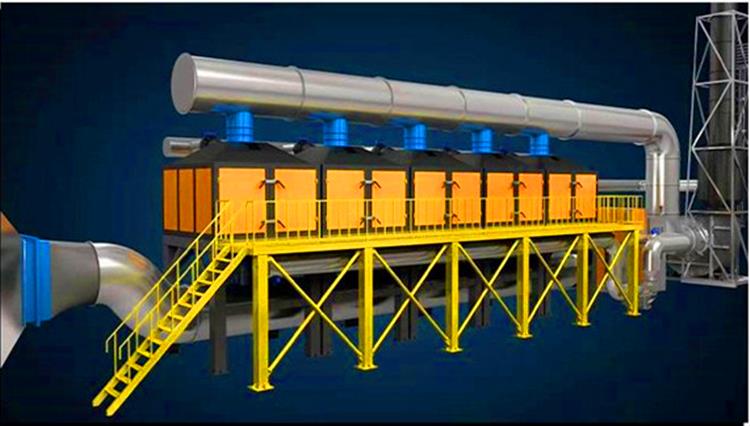
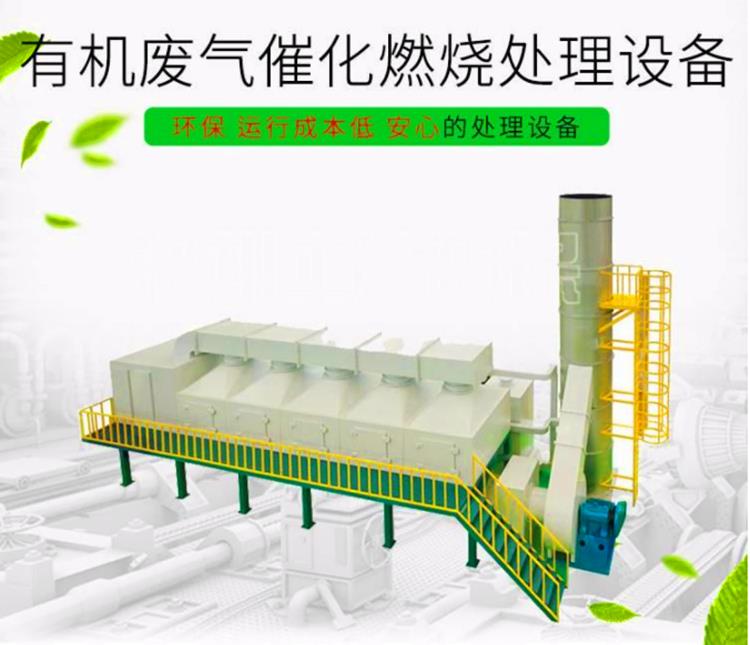
Catalytic combustion device refers to a device or equipment that burns under the action of a catalyst. The working principle of a catalytic combustion device is to use a catalyst to carry out flameless combustion of organic waste gas at a lower ignition temperature, decomposing the organic waste gas into non-toxic carbon dioxide and water vapor. The catalytic burner electrical control system consists of PLC controller, text display, frequency converter, igniter, ultraviolet sensor, thermocouple and other electronic control equipment, as well as a fan. In addition, the ratio of gas to air is regulated by a zero pressure valve. The entry also provides examples of HC series organic gas catalytic combustion devices and LF-VC direct catalytic decomposition oxidation devices, as well as the unstable factors and management measures in the use of catalytic combustion devices.
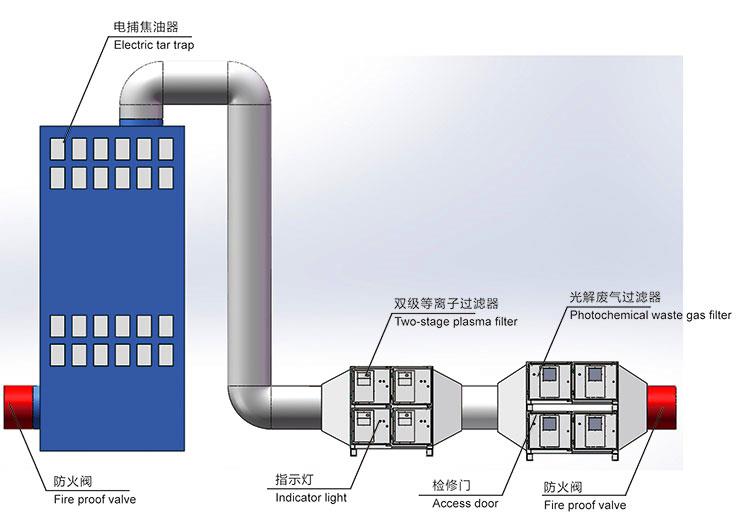
Using high-energy and high ozone UV ultraviolet beams to differentiate oxygen molecules in the air to produce free oxygen, also known as reactive oxygen species. Due to the imbalance of positive and negative electrons carried by free oxygen, it needs to combine with oxygen molecules to produce ozone. UV+O2 → O - O * (reactive oxygen species) O O2 → O3 (ozone). It is well known that ozone has a strong oxidizing effect on organic matter and has an immediate effect on eliminating odorous gases and other irritating odors. The mechanism of action of nano photocatalyst TiO2 can be briefly described as follows: under the illumination of specific wavelengths of light, nano photocatalyst TiO2 is stimulated to generate "electron hole" pairs (a type of high-energy particle). After reacting with surrounding water and oxygen, these "electron hole" pairs have strong oxidation recovery ability, which can directly differentiate pollutants such as aldehydes and hydrocarbons in the air into harmless and odorless substances, as well as damage the cell walls of bacteria, kill bacteria, and differentiate their mesh cells, thus achieving the goal of eliminating air pollution.

Catalytic combustion is a purification method that uses catalysts to oxidize and decompose combustible substances in exhaust gas at lower temperatures. So, catalytic combustion is also known as catalytic chemical conversion. Due to the acceleration of the oxidation decomposition process by the catalyst, most hydrocarbons can be completely oxidized by the catalyst at temperatures of 300-450 ℃.
Compared with the thermal combustion method, catalytic combustion requires less auxiliary fuel, consumes less energy, and has smaller equipment and facilities. However, the promotion and application of this method in industrial production processes have been affected by issues such as catalyst poisoning, replacement of catalytic beds, and high cleaning costs.





AfterSalesService :
Key words:- Catalytic combustion equipment