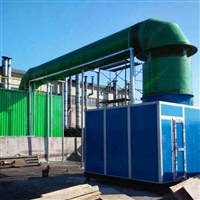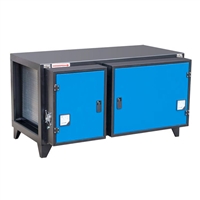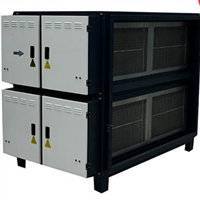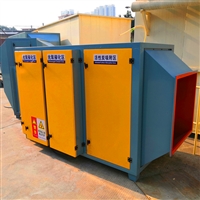
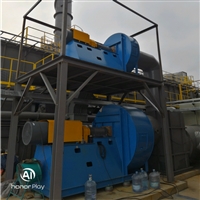
VOCs waste gas treatment drawings Xiamen catalytic combustion
Category:
mechanical equipment/Air purification equipment/Complete set of waste gas treatment equipment
Model:
CHRS
Brand:
Hengtai Environmental Protection
Retail Price
10,260.00USD
重量
kg
- Product Description
-
Description :


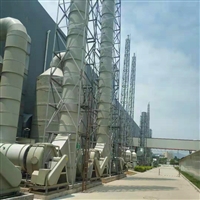
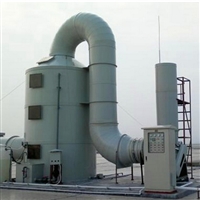
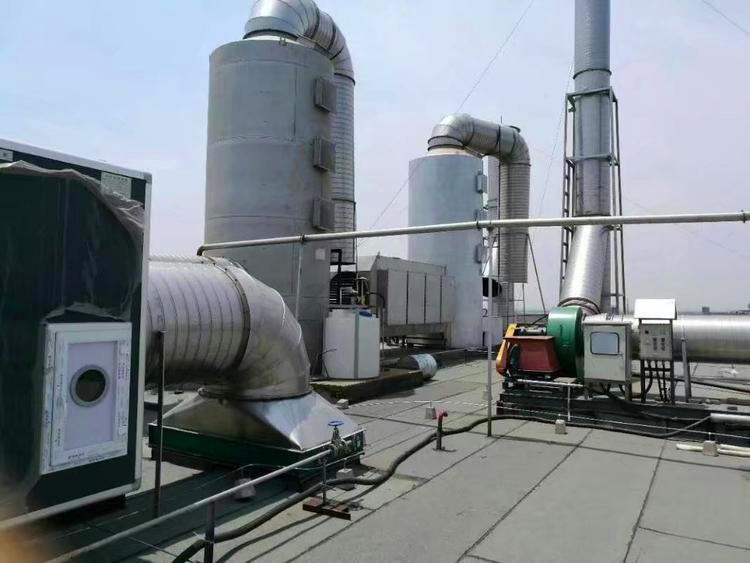
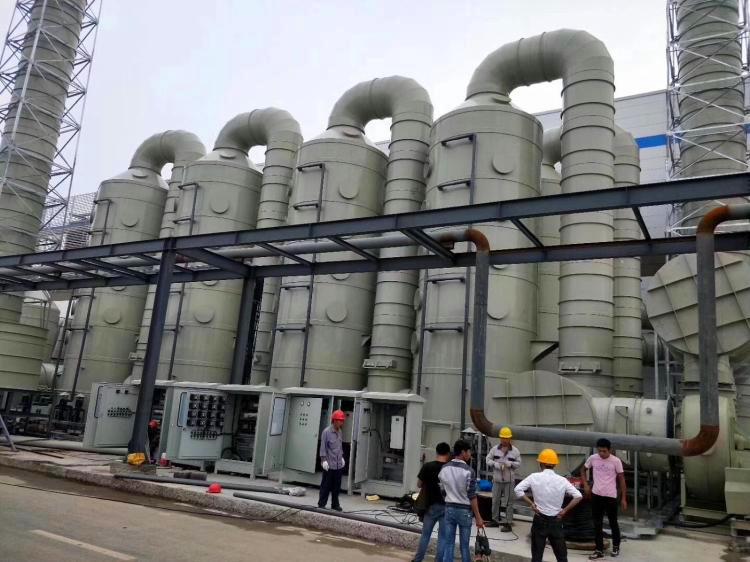
Characteristics of acid mist purification tower:
The fiberglass acid mist purification tower uses fillers to purify exhaust gas, which is suitable for the treatment of continuous and intermittent emissions of exhaust gas; The process is simple, and the management, operation, and maintenance are quite convenient and concise, without causing any impact on the production of the workshop; Widely applicable and capable of purifying multiple types of pollutants simultaneously; Low pressure drop, high operational flexibility, and excellent defogging performance; The tower body can be made of materials such as FRP/PP/PVC according to the actual situation; The packing adopts efficient and low resistance Ball rings, which can thoroughly remove odors and harmful substances from the gas.

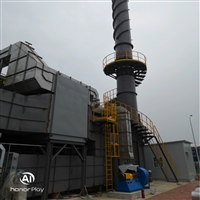
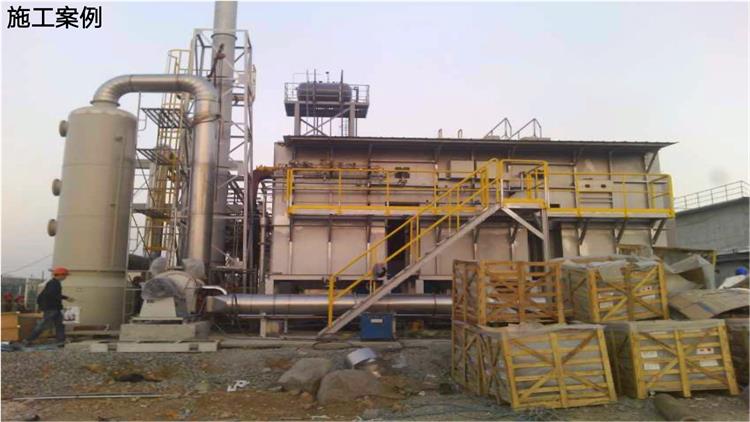
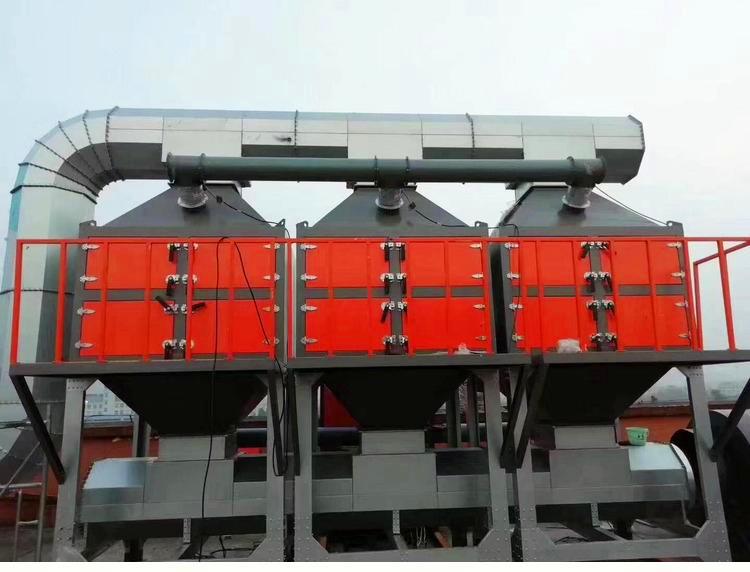
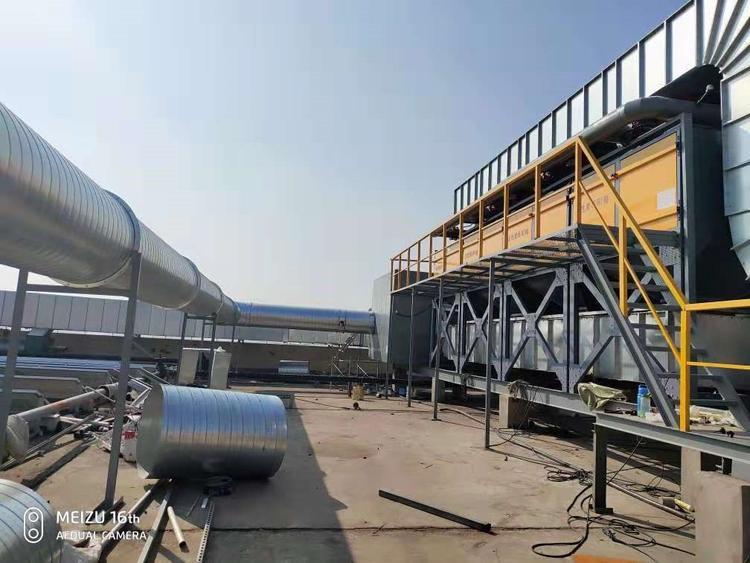
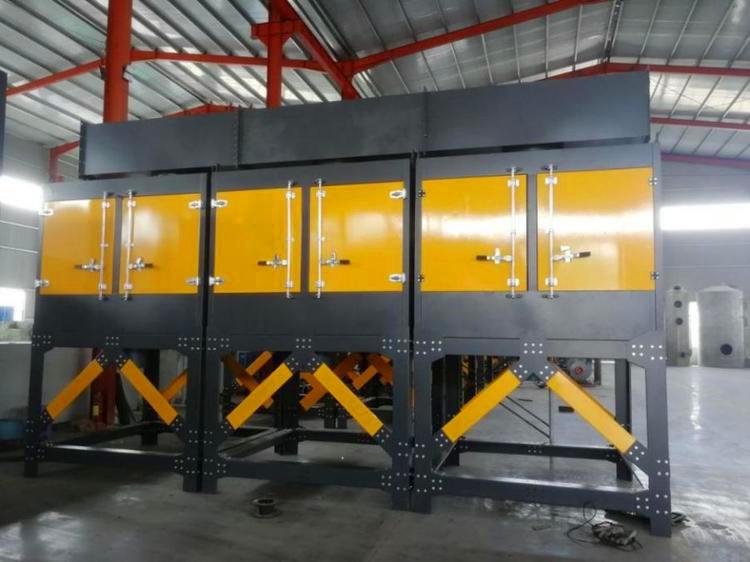
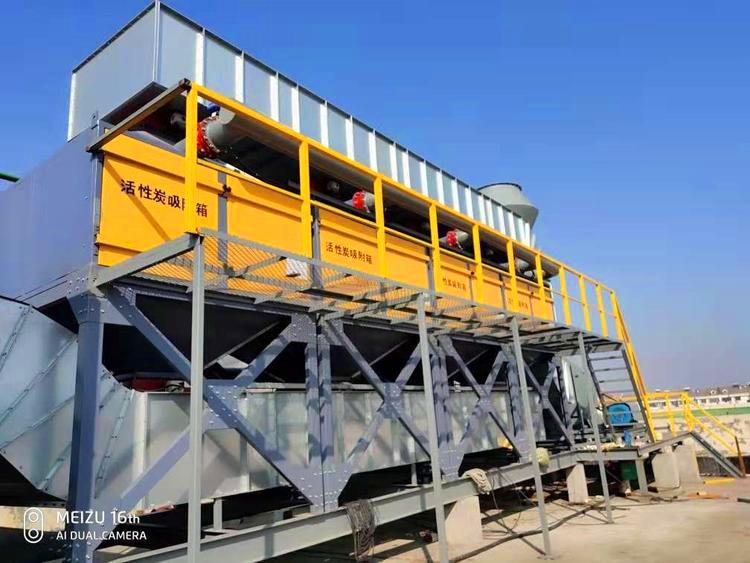
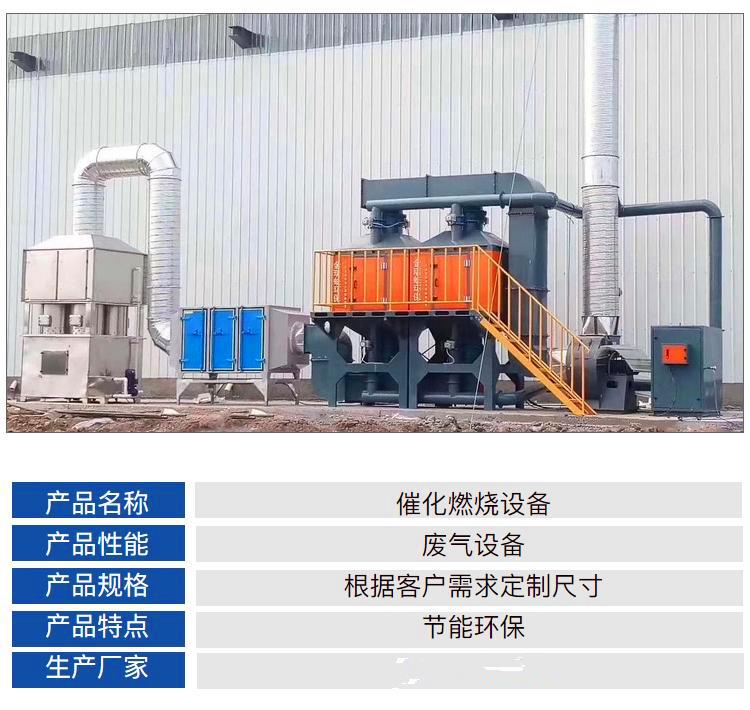
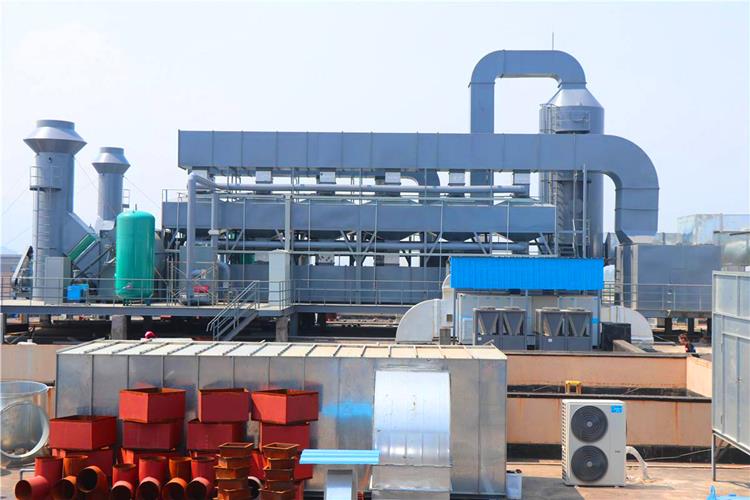
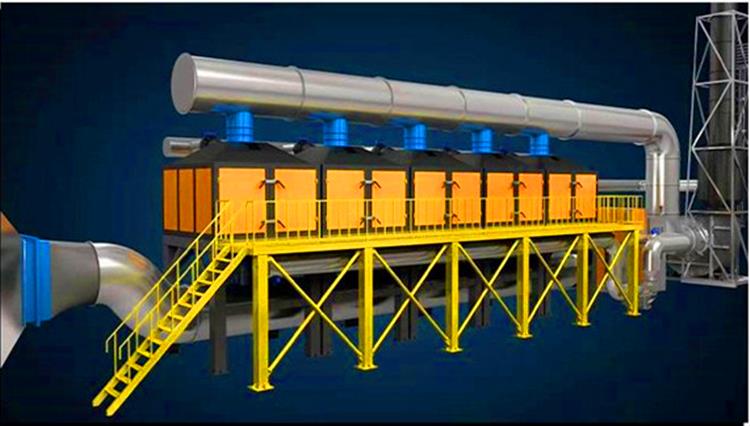
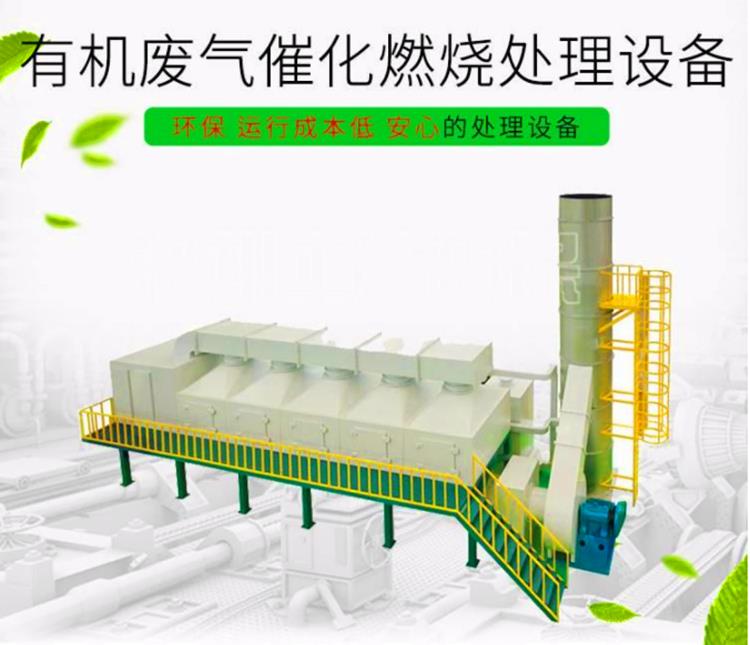
The use effect is better in the environment. Process principle and flow: Catalytic purification is a typical gas-solid phase catalytic reaction, which essentially involves deep oxidation with the participation of reactive oxygen species. In the process of catalytic purification, the role of the catalyst is to reduce the activation energy, and at the same time, the surface of the catalyst has adsorption, which enriches the reactant molecules on the surface and increases the reaction rate, accelerating the progress of the reaction. With the help of catalysts, organic waste gas can undergo flameless combustion at lower ignition temperatures, and be oxidized and decomposed into CO2 and H2O, while releasing a large amount of heat energy, thus achieving the method of removing harmful substances from the waste gas.
Catalytic combustion is a purification method that uses catalysts to oxidize and decompose combustible substances in exhaust gas at lower temperatures. So, catalytic combustion is also known as catalytic chemical conversion. Due to the acceleration of the oxidation decomposition process by the catalyst, most hydrocarbons can be completely oxidized by the catalyst at temperatures of 300-450 ℃.
Compared with the thermal combustion method, catalytic combustion requires less auxiliary fuel, consumes less energy, and has smaller equipment and facilities. However, the promotion and application of this method in industrial production processes have been affected by issues such as catalyst poisoning, replacement of catalytic beds, and high cleaning costs.





AfterSalesService :
Key words:- Catalytic combustion equipment