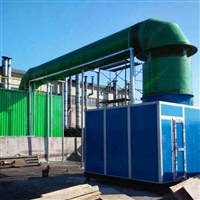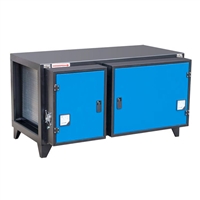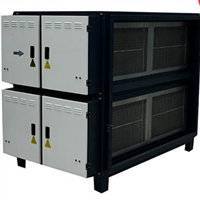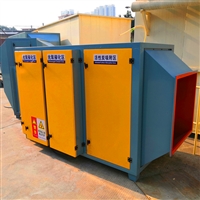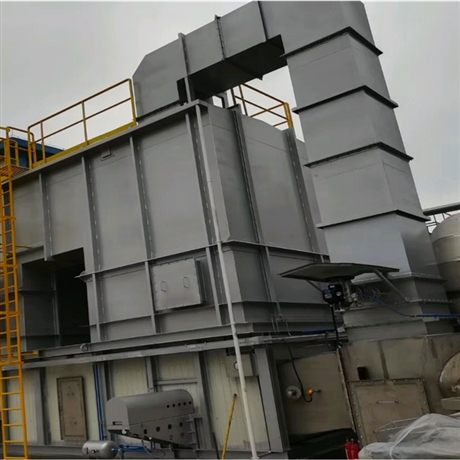



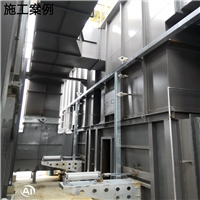

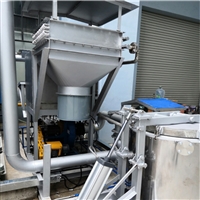
VOCs exhaust gas burner facility Xiamen catalytic combustion
Category:
mechanical equipment/Air purification equipment/Complete set of waste gas treatment equipment
Model:
CHRS
Brand:
Hengtai Environmental Protection
Retail Price
10,260.00USD
重量
kg
- Product Description
-
Description :

Using high-energy and high ozone UV ultraviolet beams to differentiate oxygen molecules in the air to produce free oxygen, also known as reactive oxygen species. Due to the imbalance of positive and negative electrons carried by free oxygen, it needs to combine with oxygen molecules to produce ozone. UV+O2 → O - O * (reactive oxygen species) O O2 → O3 (ozone). It is well known that ozone has a strong oxidizing effect on organic matter and has an immediate effect on eliminating odorous gases and other irritating odors. The mechanism of action of nano photocatalyst TiO2 can be briefly described as follows: under the illumination of specific wavelengths of light, nano photocatalyst TiO2 is stimulated to generate "electron hole" pairs (a type of high-energy particle). After reacting with surrounding water and oxygen, these "electron hole" pairs have strong oxidation recovery ability, which can directly differentiate pollutants such as aldehydes and hydrocarbons in the air into harmless and odorless substances, as well as damage the cell walls of bacteria, kill bacteria, and differentiate their mesh cells, thus achieving the goal of eliminating air pollution.


Catalytic combustion is a purification method that uses catalysts to oxidize and decompose combustible substances in exhaust gas at lower temperatures. So, catalytic combustion is also known as catalytic chemical conversion. Due to the acceleration of the oxidation decomposition process by the catalyst, most hydrocarbons can be completely oxidized by the catalyst at temperatures of 300-450 ℃.
Compared with the thermal combustion method, catalytic combustion requires less auxiliary fuel, consumes less energy, and has smaller equipment and facilities. However, the promotion and application of this method in industrial production processes have been affected by issues such as catalyst poisoning, replacement of catalytic beds, and high cleaning costs.

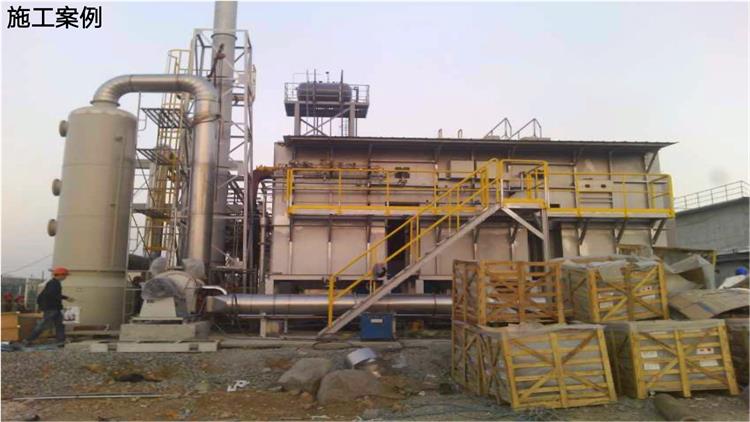
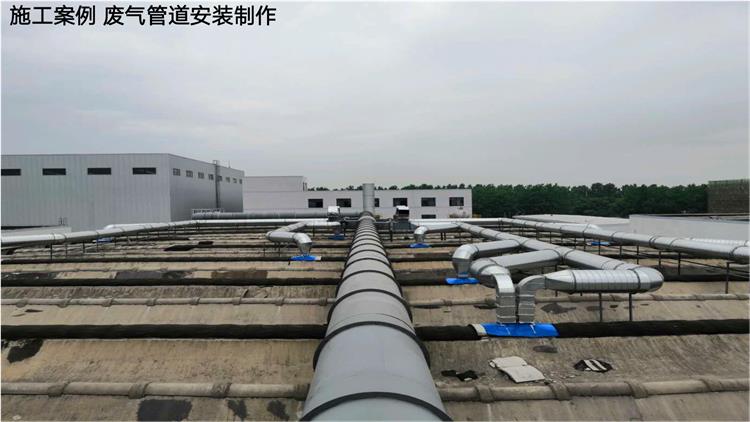

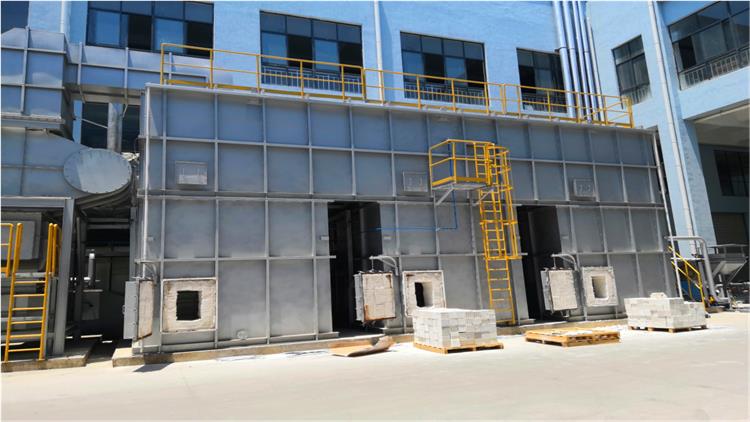

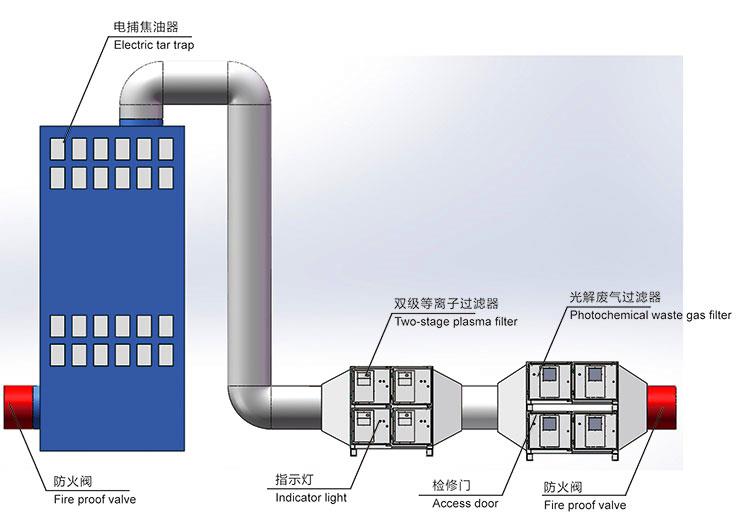
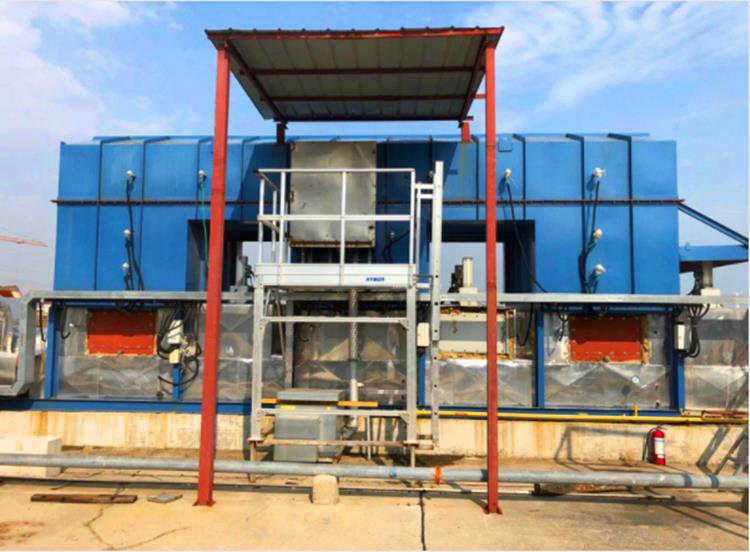

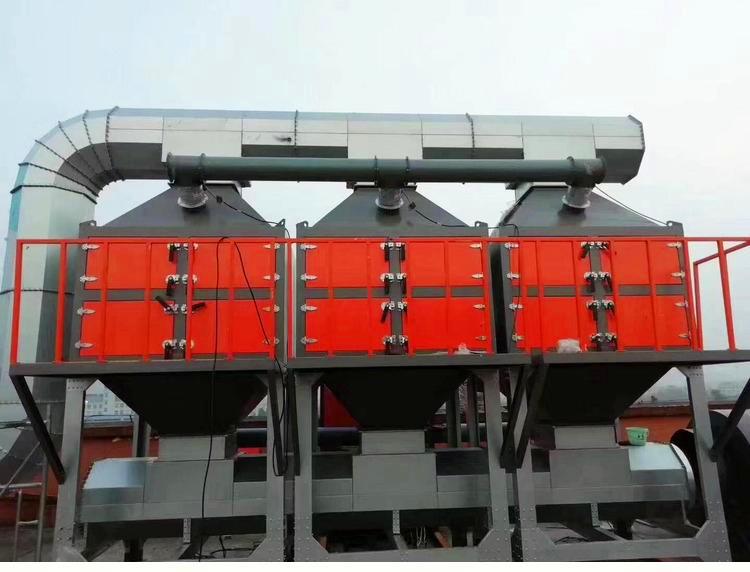
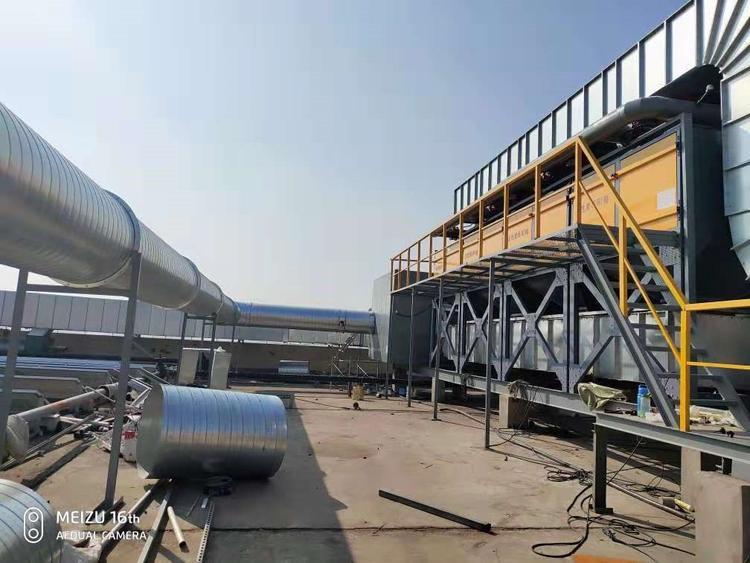


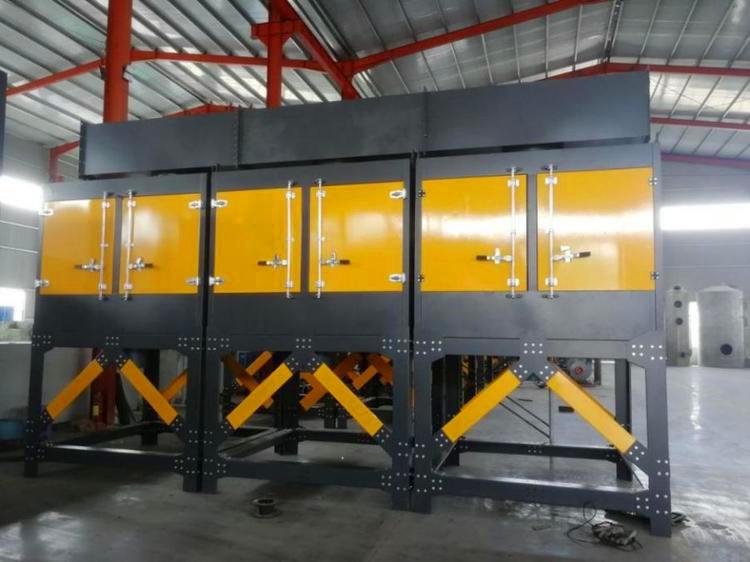
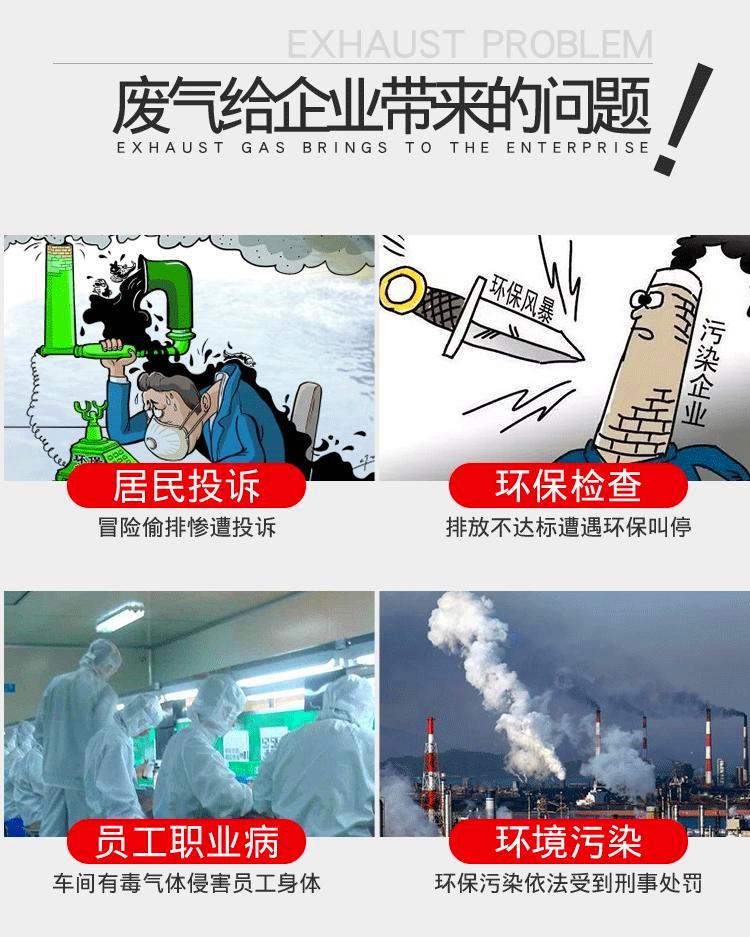
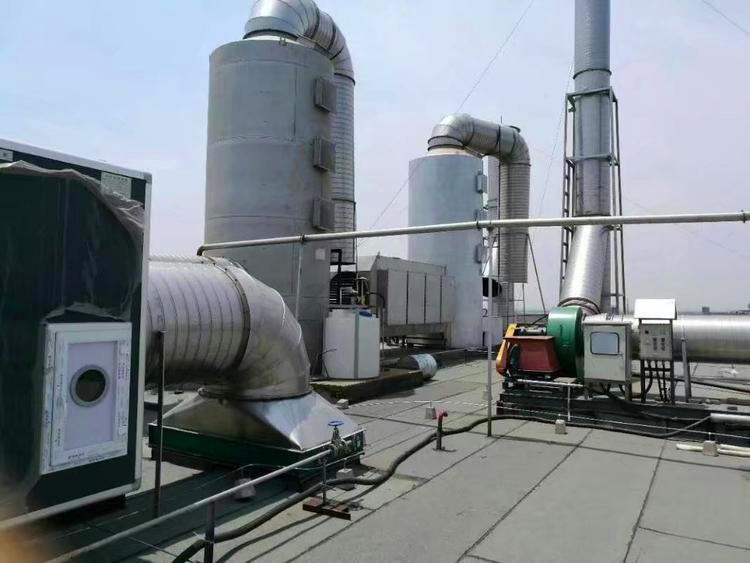
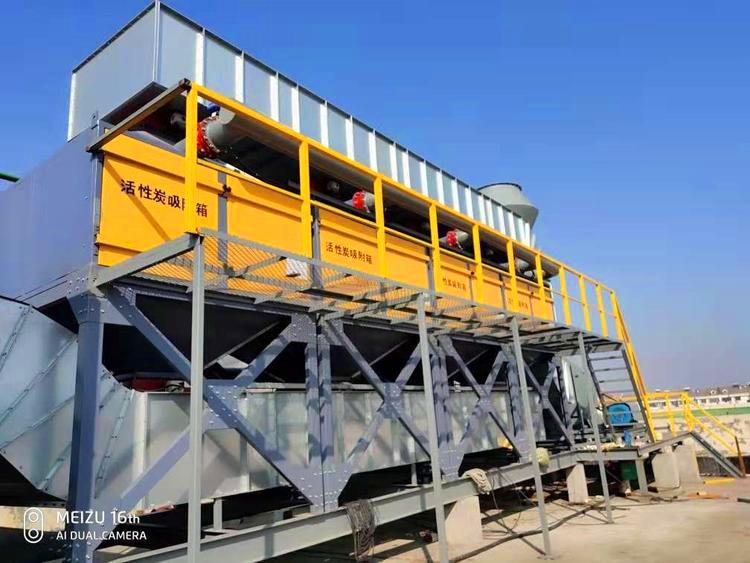
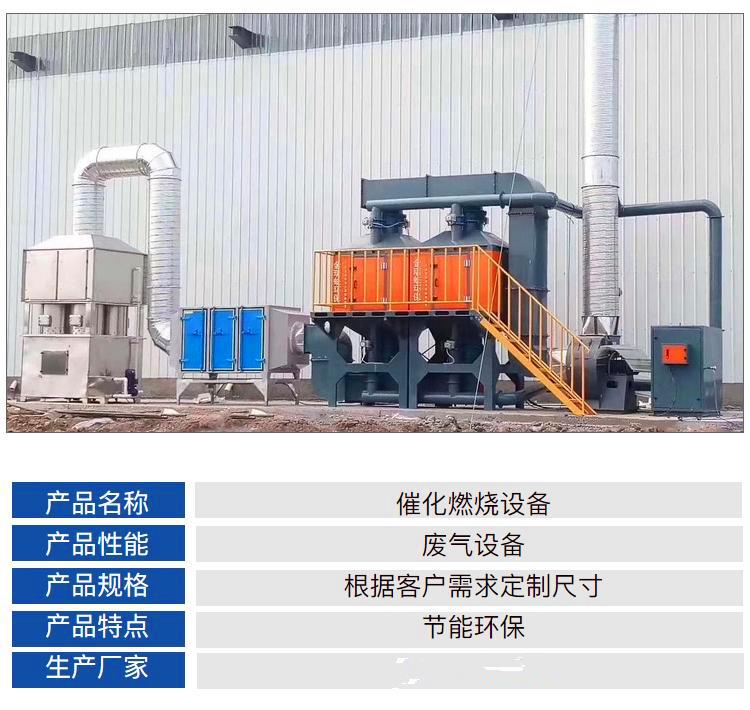
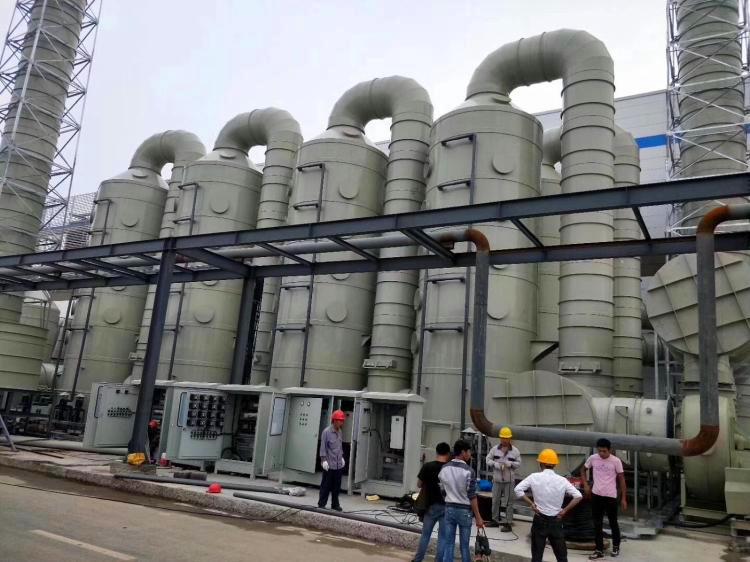
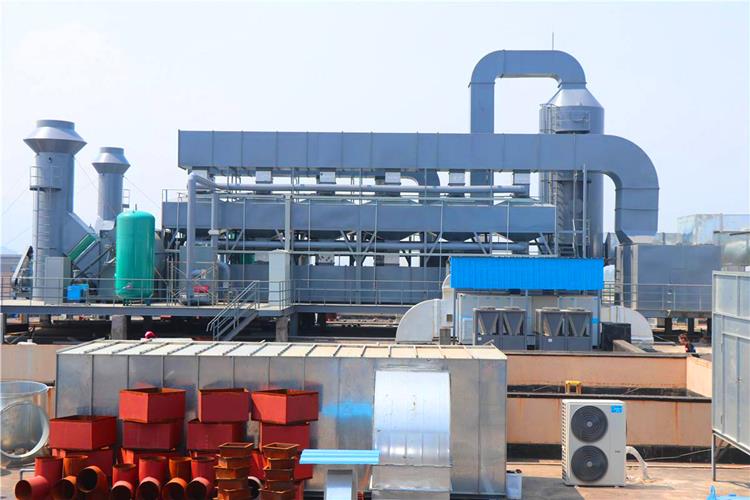
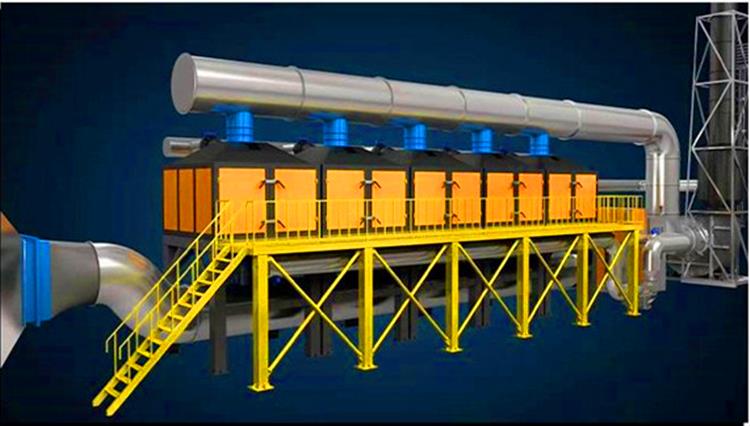
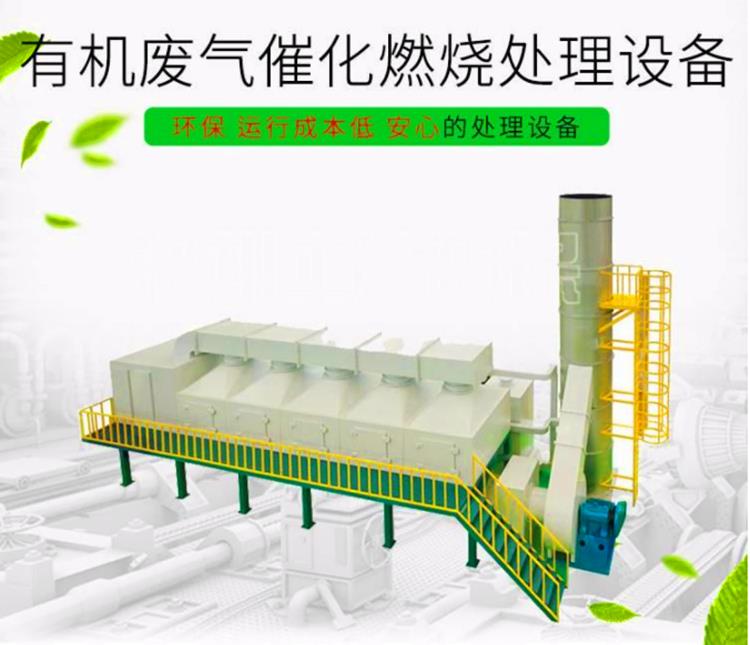
Governance equipment
Plasma is a gas in an ionized state, and its English name is plasma. It was named by American scientist Muir in 1927 when studying the discharge phenomenon in mercury vapor at low pressure. Plasma is composed of a large number of electrons, neutral atoms, excited state atoms, photons, and free radicals, but the number of charges of electrons and positive ions must exhibit electrical neutrality, which is the meaning of "plasma". Plasma differs from solids, liquids, and gases in many aspects of conductivity and electromagnetic influence, hence it is also referred to as the fourth state of matter. According to the state, temperature, and ion density, plasmas can usually be divided into high-temperature plasmas and low-temperature plasmas (bulk and cold plasmas). The ionization degree of high-temperature plasma is close to 1, and various particles have almost the same temperature and are in thermodynamic equilibrium. It is mainly used in the study of controlled thermonuclear reactions. Low temperature plasma, on the other hand, is in a non-equilibrium state where the temperatures of various particles are not the same. The electron temperature (Te) is greater than or equal to the ion temperature (Ti), reaching over 104K, while the temperature of its ions and neutral particles can be as low as 300-500K. Generally, gas electron emitters belong to low-temperature plasmas.
AfterSalesService :
Key words:- Catalytic combustion equipment