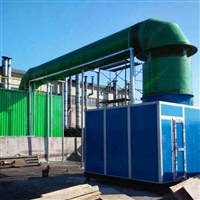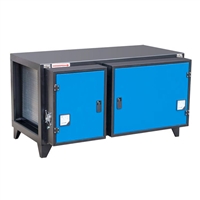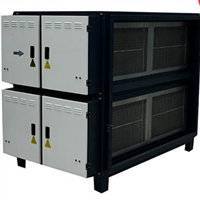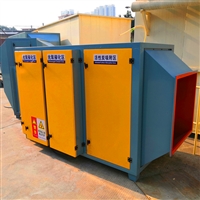
VOCs exhaust gas treatment accessories Xiamen catalytic combustion
Category:
mechanical equipment/Air purification equipment/Complete set of waste gas treatment equipment
Model:
CHRS
Brand:
Hengtai Environmental Protection
Retail Price
10,260.00USD
重量
kg
- Product Description
-
Description :

Catalytic combustion is a purification method that uses catalysts to oxidize and decompose combustible substances in exhaust gas at lower temperatures. So, catalytic combustion is also known as catalytic chemical conversion. Due to the acceleration of the oxidation decomposition process by the catalyst, most hydrocarbons can be completely oxidized by the catalyst at temperatures of 300-450 ℃.
Compared with the thermal combustion method, catalytic combustion requires less auxiliary fuel, consumes less energy, and has smaller equipment and facilities. However, the promotion and application of this method in industrial production processes have been affected by issues such as catalyst poisoning, replacement of catalytic beds, and high cleaning costs.

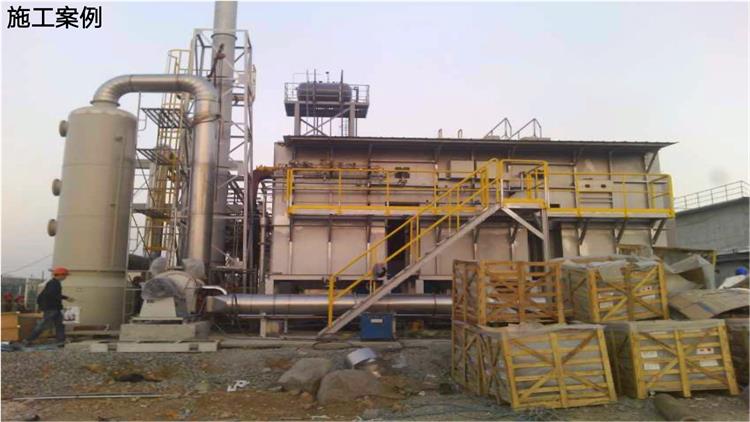
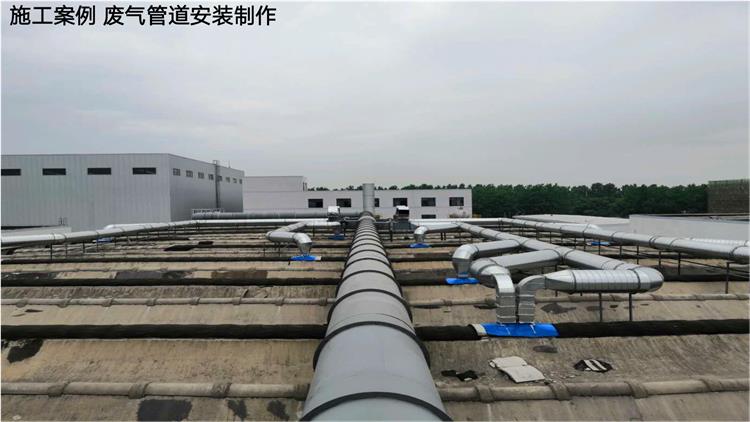

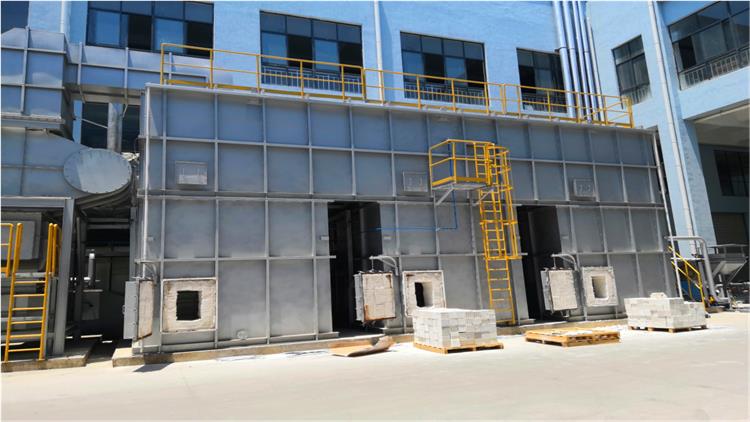

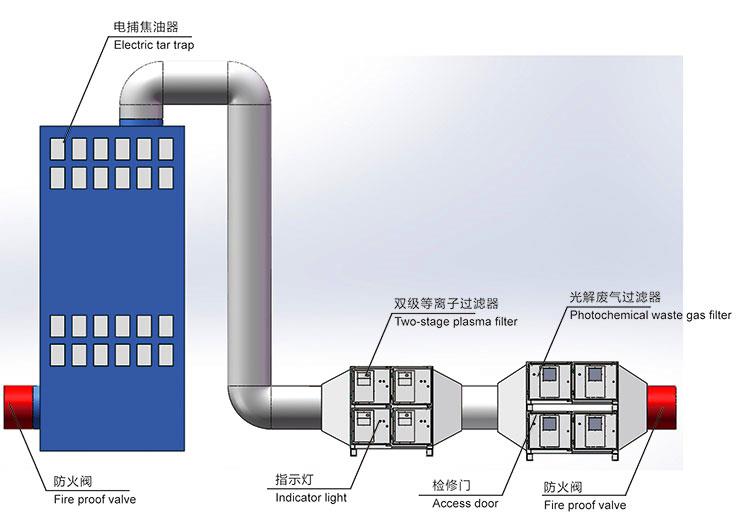
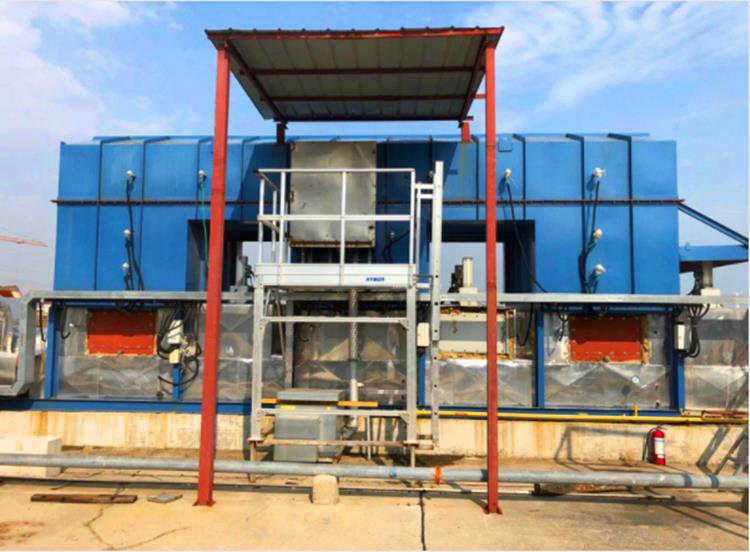
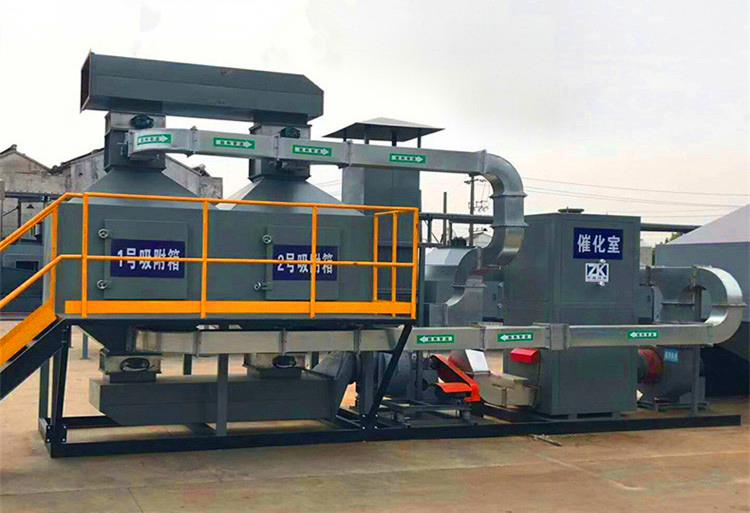
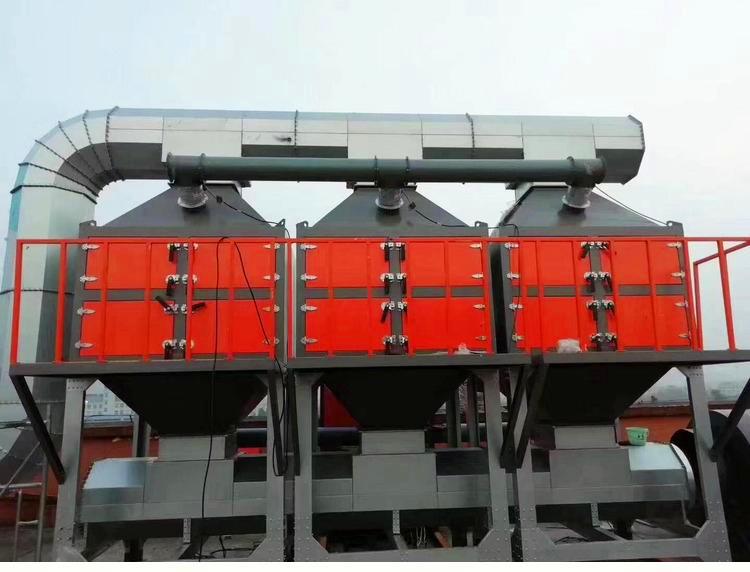
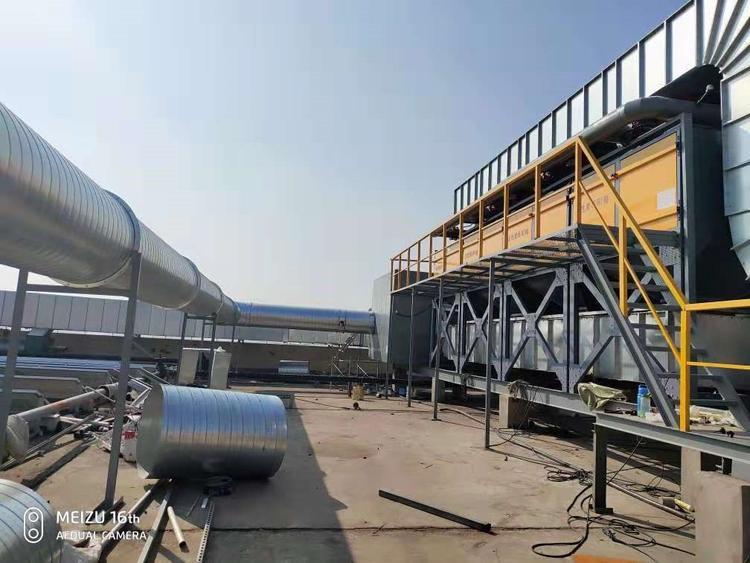


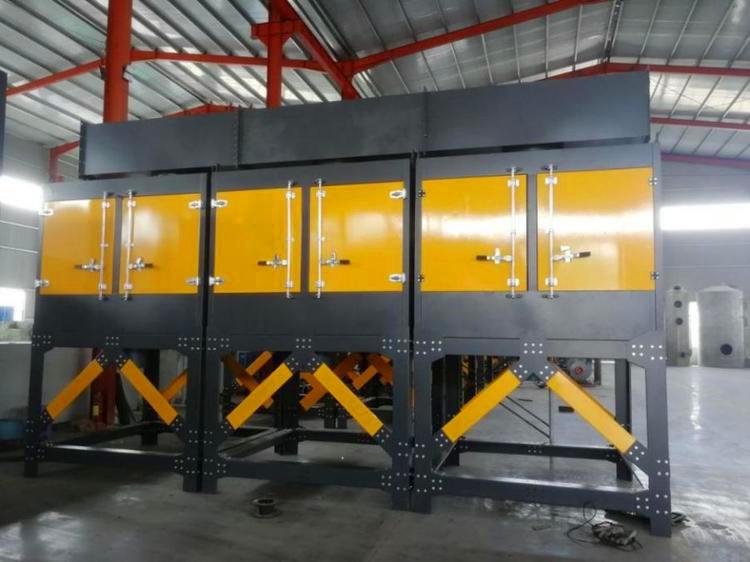
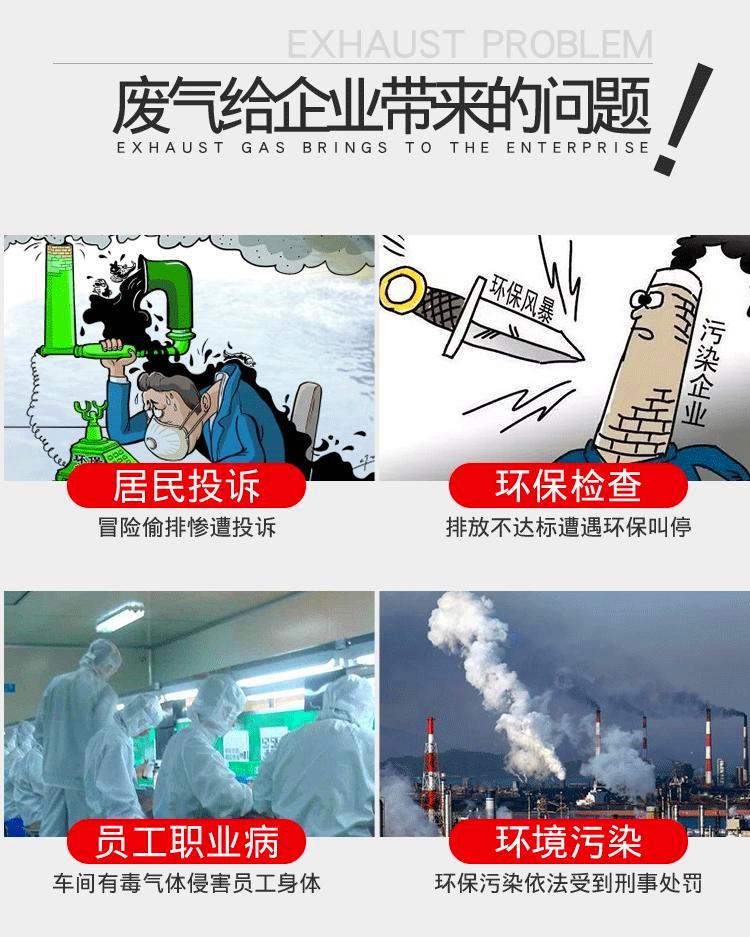
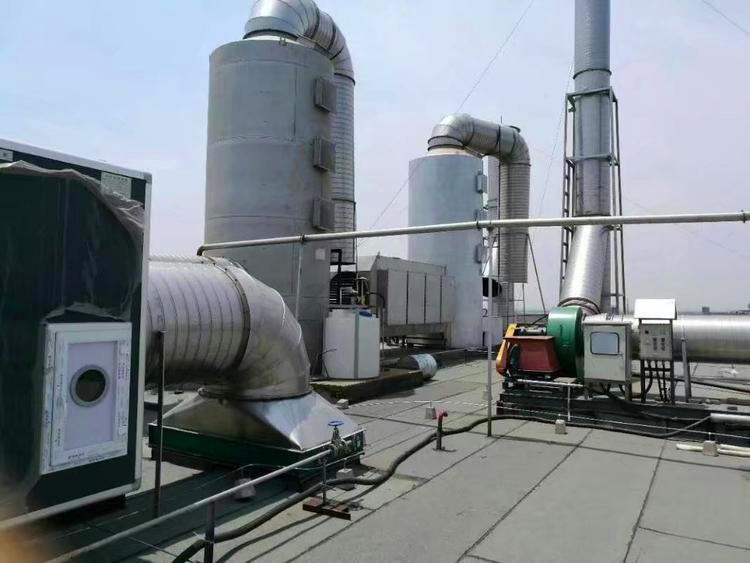
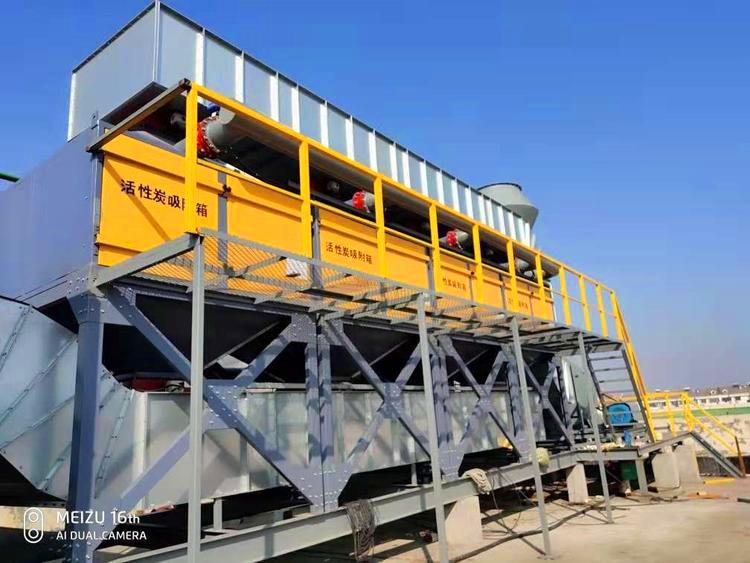
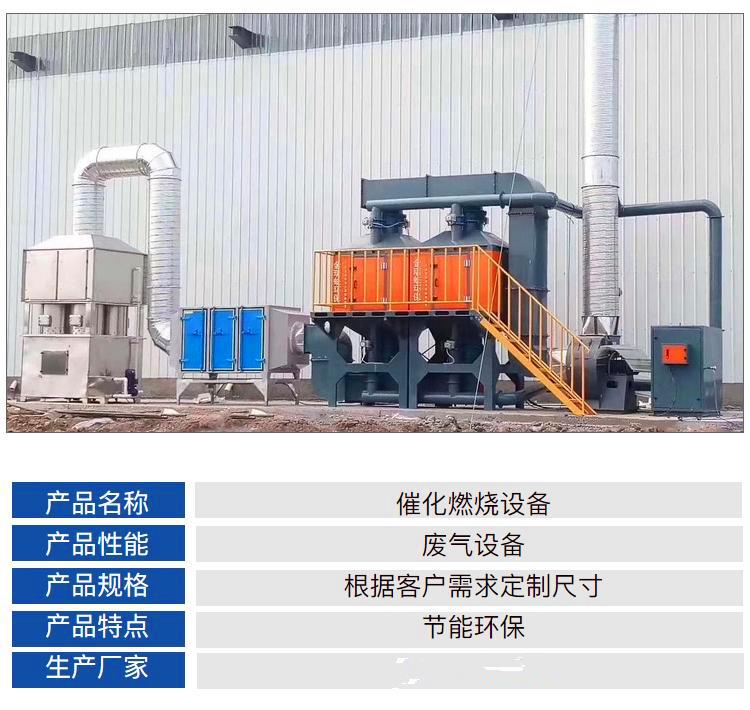
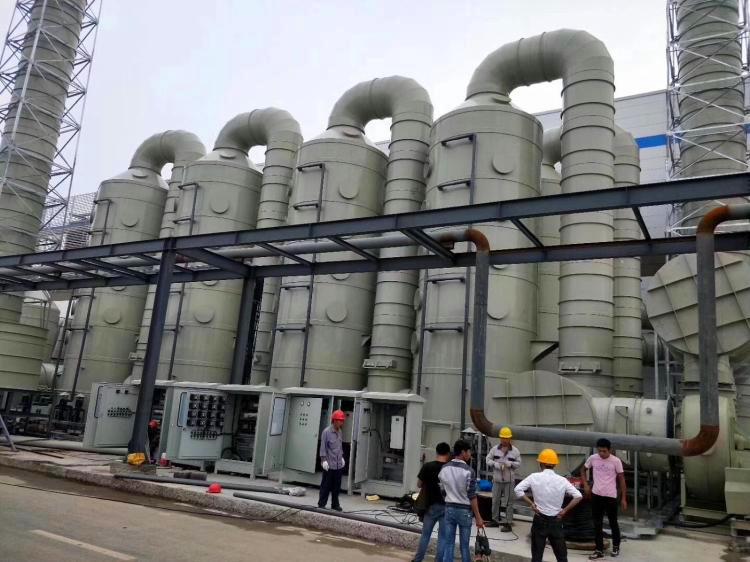
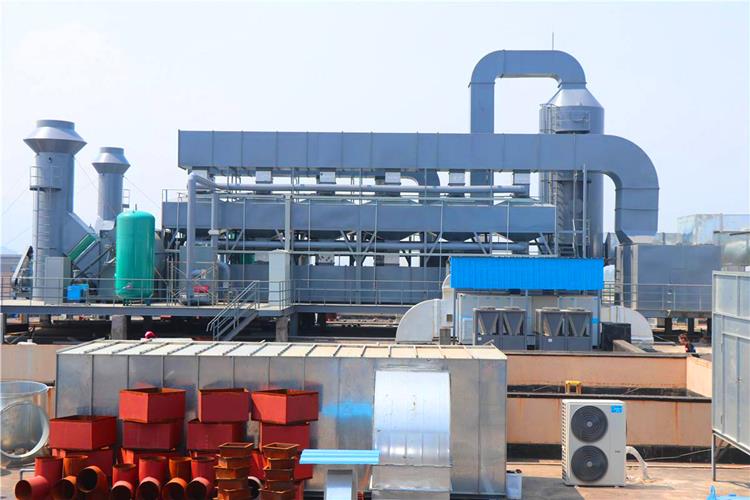
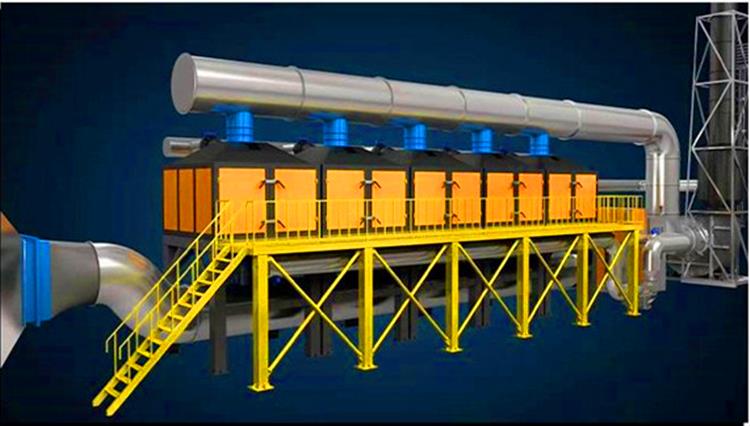
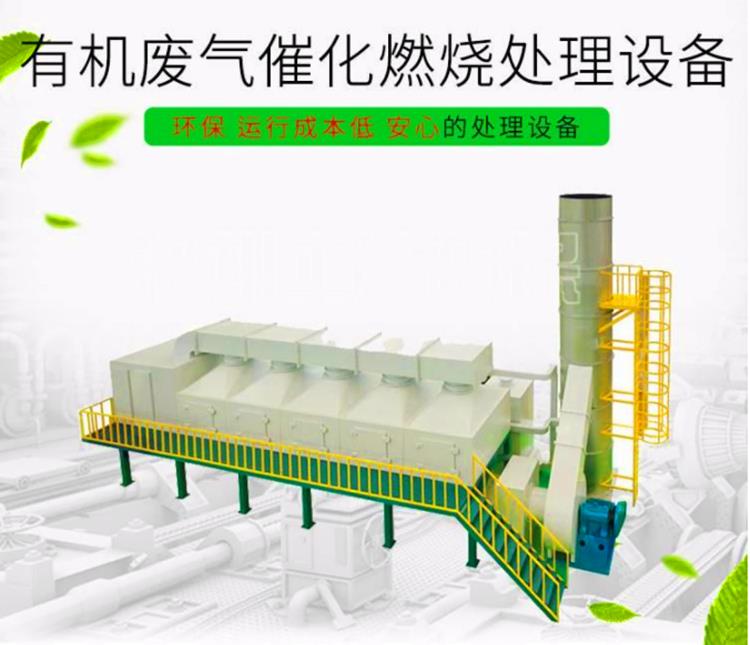
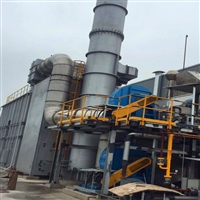
RCO, It refers to the regenerative catalytic combustion method, which decomposes VOCs into CO2 and H2O under low temperature conditions ranging from 100 to 400 degrees Celsius under the action of a catalyst. It is one of the effective means of purifying hydrocarbon waste gas and eliminating odors. RCO is a new catalytic technology that has the characteristics of RTO energy recovery and low-temperature operation of catalytic reactions. The catalyst is placed on top of the thermal storage material to achieve purification standards, and its heat recovery rate is as high as 95%. The key to the excellent performance of RCO systems is the use of dedicated precious metal or transition metal catalysts impregnated on saddle shaped or honeycomb shaped ceramics, where oxidation occurs at low temperatures of 250 to 5 degrees Celsius, reducing fuel consumption and equipment costs. Nowadays, some countries have started using RCO technology to replace CO for the purification of organic waste gas, and many RTO equipment have also begun to convert to RCO, which can reduce operating costs by 33% -50%. After the reaction, harmful HC compounds are converted into CO2 and H2O, thereby enabling pollution control.


Through activated carbon adsorption, organic waste gas with high air volume and low concentration can be concentrated into low air volume and high concentration waste gas, which can then be treated in RCO equipment, saving operating costs. ? ? After effective collection, the exhaust gas is first pretreated and then enters the activated carbon adsorption device. The gas stays in the activated carbon bed for a certain amount of time, and the VOCs in the gas are adsorbed on the surface of the activated carbon. The clean gas can be directly discharged through the induced draft fan after being discharged from the activated carbon bed. The clean gas treated by RCO is used as desorption air after heat exchange to a certain temperature, and is desorbed through the activated carbon bed. The concentrated organic matter desorbed from the activated carbon adsorption device enters the RCO device and is burned and decomposed by precious metal catalysts. The decomposition temperature is between 200-250 ℃, and the organic waste gas is decomposed into carbon dioxide and water, which circulate. After the exhaust gas desorption and decomposition are completed, it is discharged into the chimney and meets the emission standards.
AfterSalesService :
Key words:- Catalytic combustion equipment