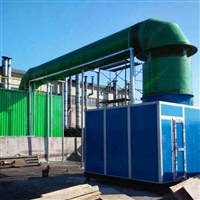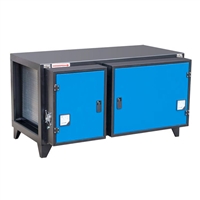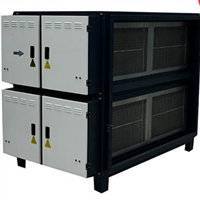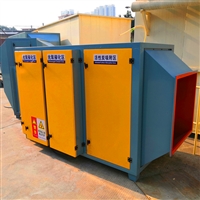
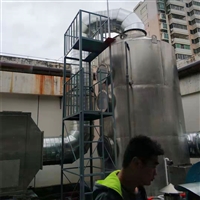
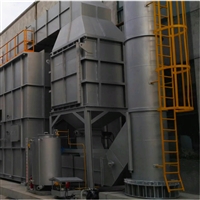
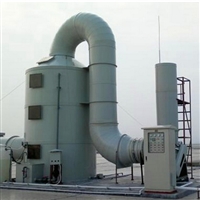
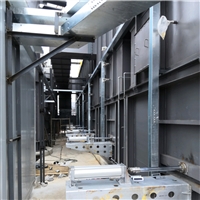

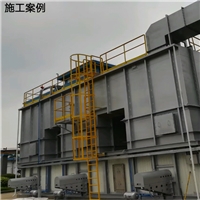
VOCs exhaust gas burner enterprise Xiamen catalytic combustion
Category:
mechanical equipment/Air purification equipment/Complete set of waste gas treatment equipment
Model:
CHRS
Brand:
Hengtai Environmental Protection
Retail Price
10,260.00USD
重量
kg
- Product Description
-
Description :


No pre-treatment required: Odorous gases do not require special pre-treatment, such as heating, humidification, etc. The equipment can work normally in an environment with a temperature between -30 ℃ and 95 ℃, a humidity between 30% and 98%, and a pH value between 2-13.
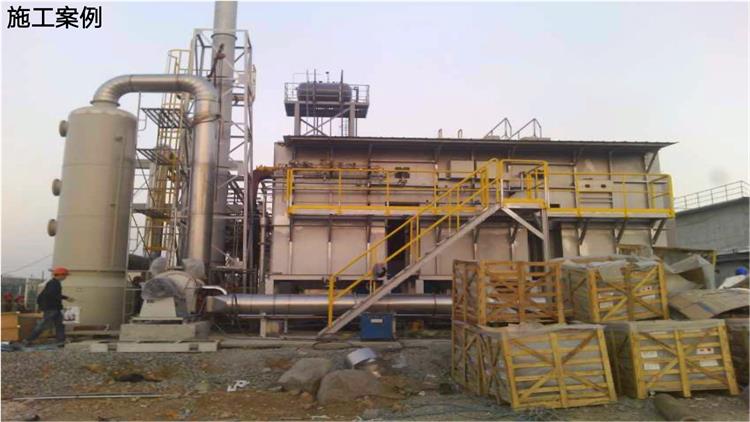
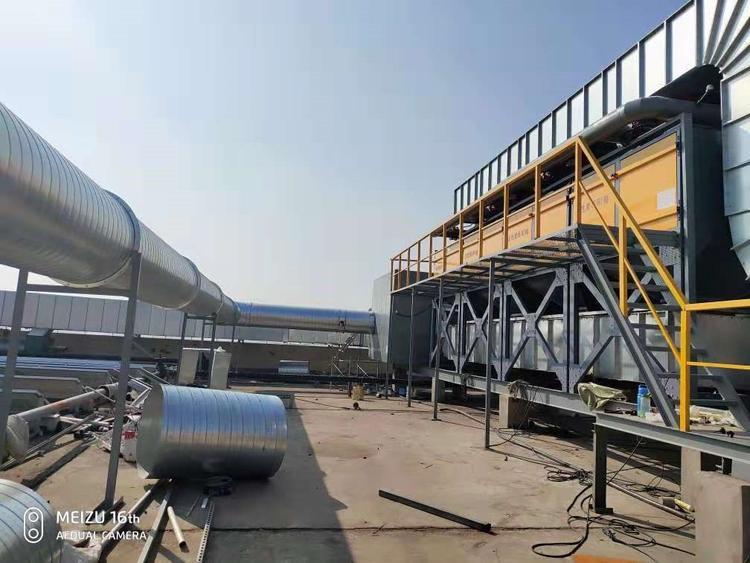
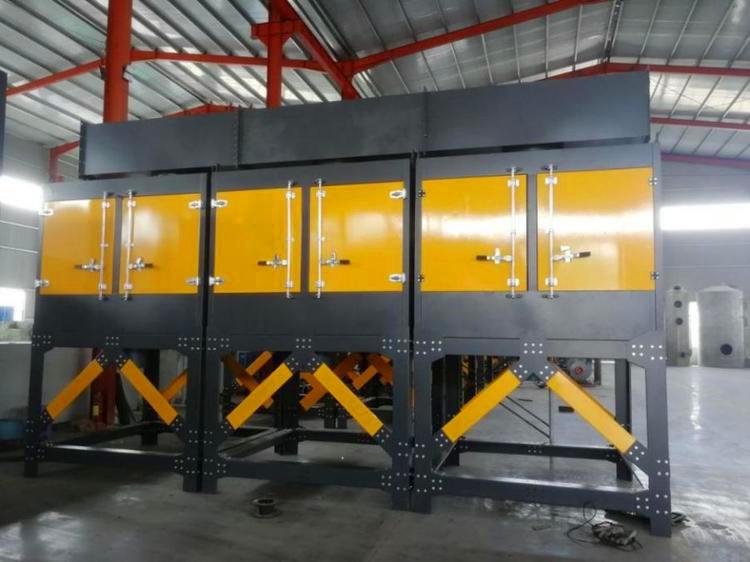
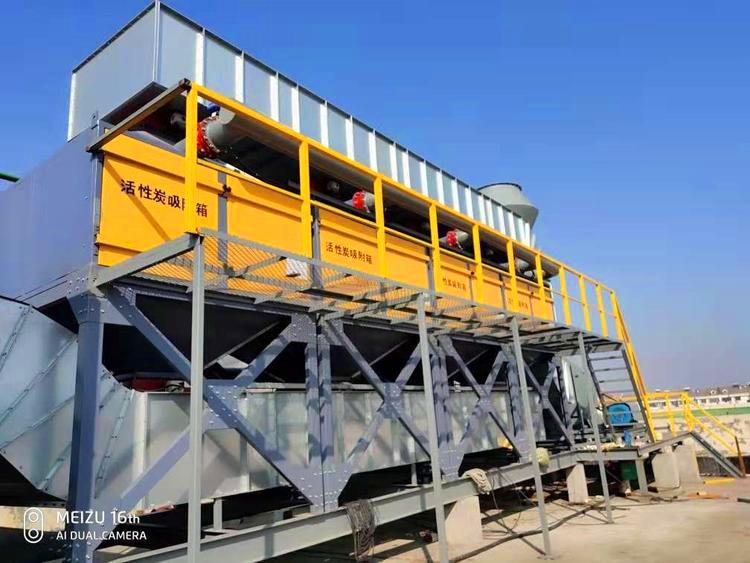
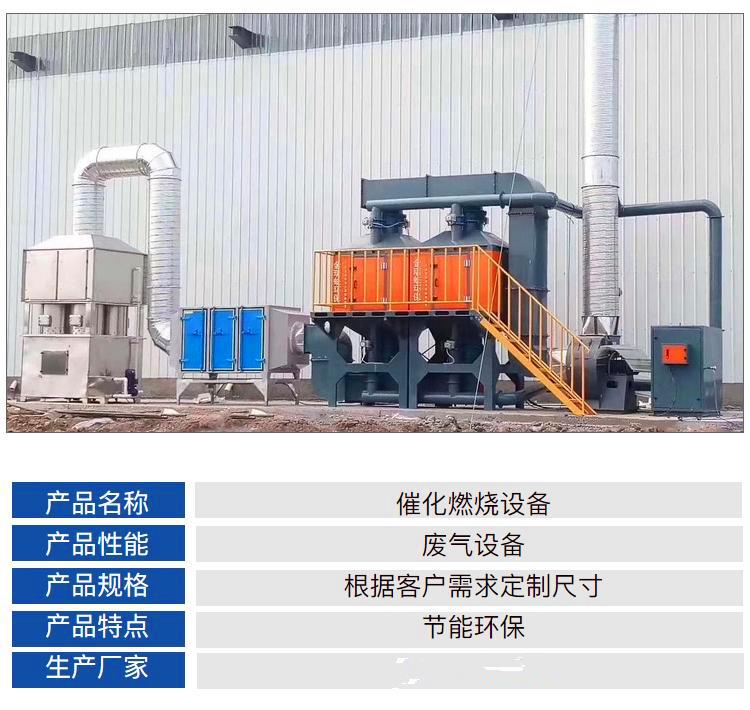
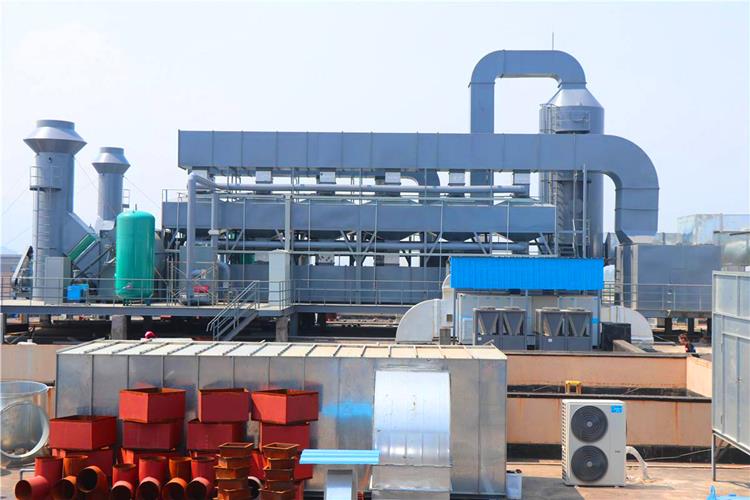
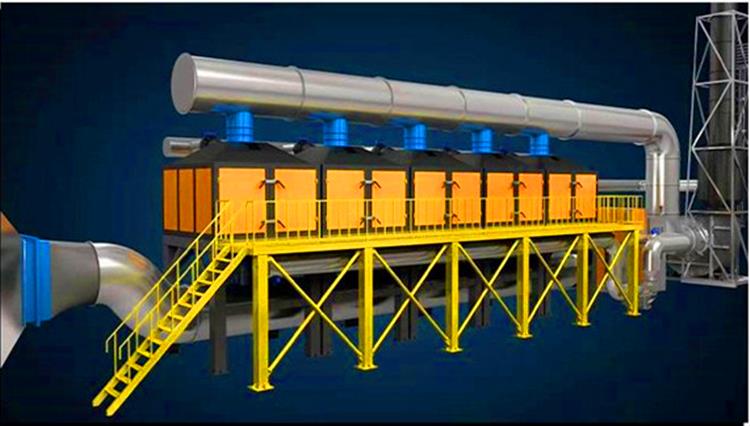
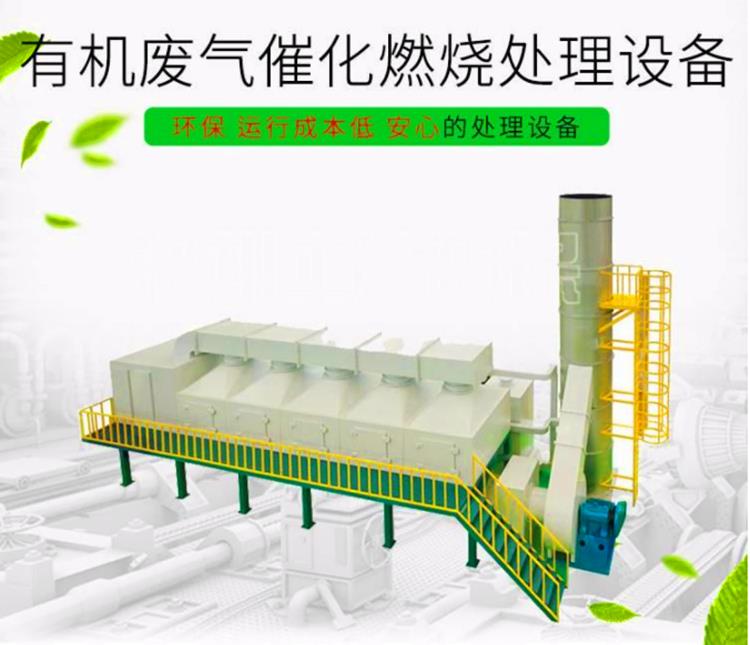
Technical principle of catalytic combustion exhaust gas treatment equipment
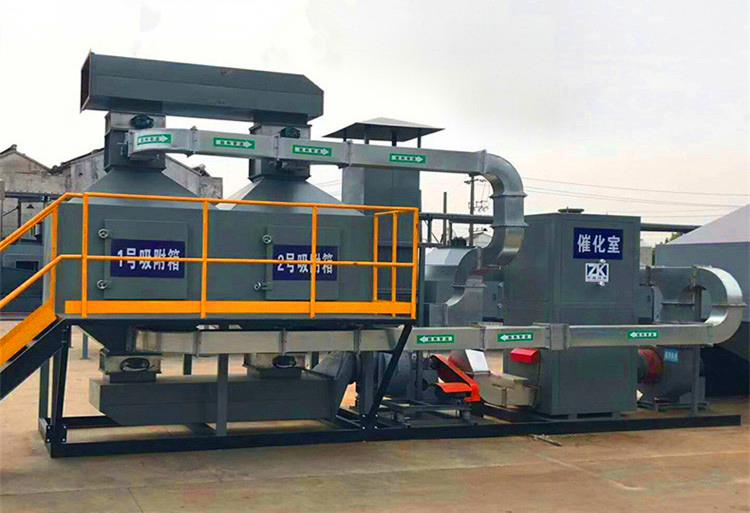
This purification device is designed based on two basic principles: adsorption (high efficiency) and catalytic combustion (energy saving), namely adsorption concentration catalytic combustion method. The device adopts dual gas path continuous operation, and two or more adsorption beds can be alternately used. A catalytic combustion chamber first adsorbs organic waste gas with activated carbon, stops the adsorption operation when it reaches saturation, and then uses a hot gas flow to desorb organic matter from the activated carbon for regeneration; The detached organic matter has been concentrated (with a concentration several tens of times higher than before) and sent to the catalytic combustion chamber for catalytic conversion into CO2 and H2O for discharge.
Catalytic combustion is a purification method that uses catalysts to oxidize and decompose combustible substances in exhaust gas at lower temperatures. So, catalytic combustion is also known as catalytic chemical conversion. Due to the acceleration of the oxidation decomposition process by the catalyst, most hydrocarbons can be completely oxidized by the catalyst at temperatures of 300-450 ℃.
Compared with the thermal combustion method, catalytic combustion requires less auxiliary fuel, consumes less energy, and has smaller equipment and facilities. However, the promotion and application of this method in industrial production processes have been affected by issues such as catalyst poisoning, replacement of catalytic beds, and high cleaning costs.






AfterSalesService :
Key words:- Catalytic combustion equipment