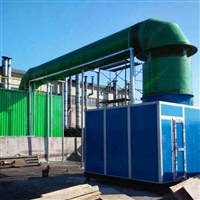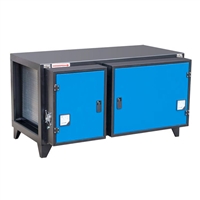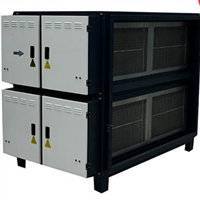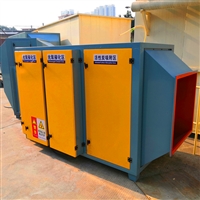
VOCs waste gas burner conversion Xiamen catalytic combustion
Category:
mechanical equipment/Air purification equipment/Complete set of waste gas treatment equipment
Model:
CHRS
Brand:
Hengtai Environmental Protection
Retail Price
10,260.00USD
重量
kg
- Product Description
-
Description :
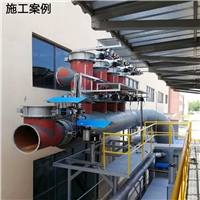
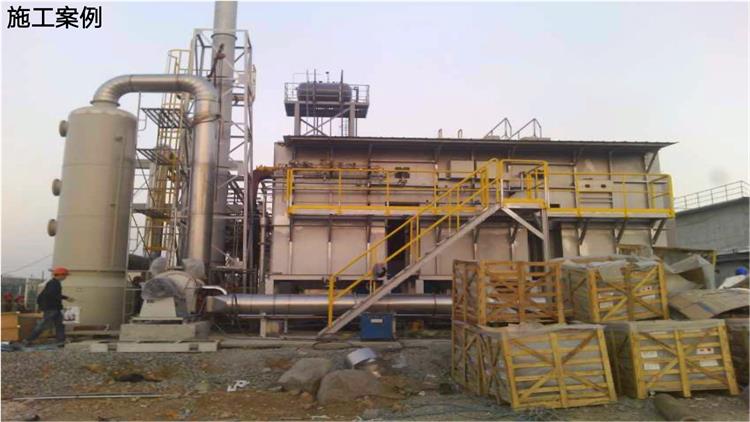
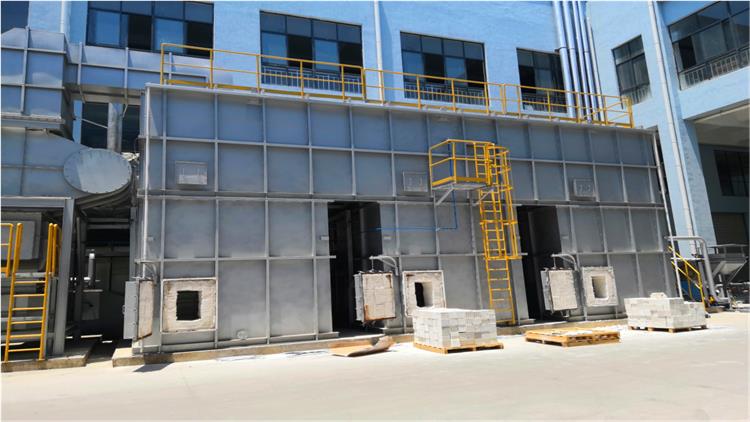
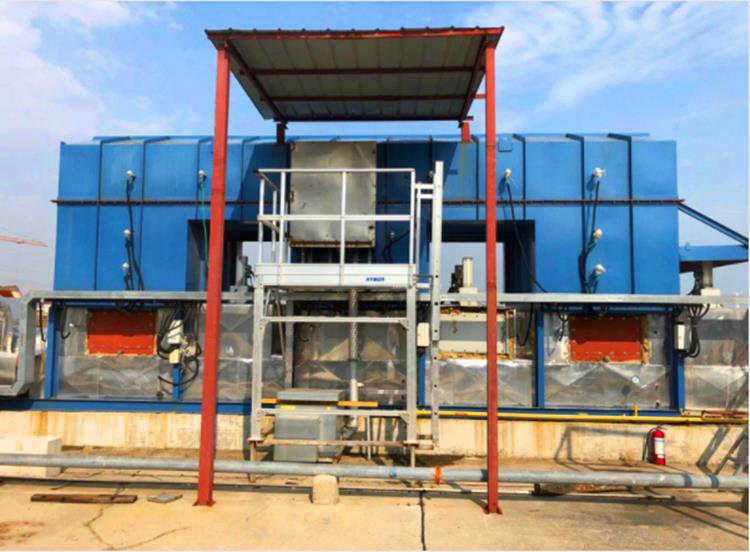
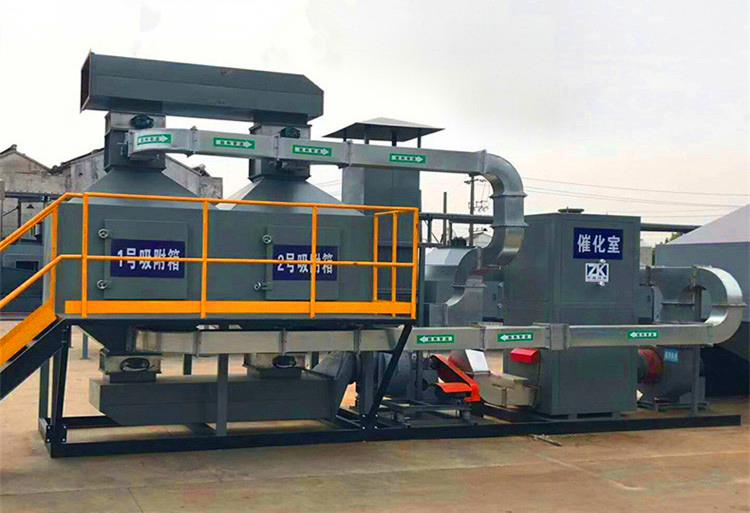
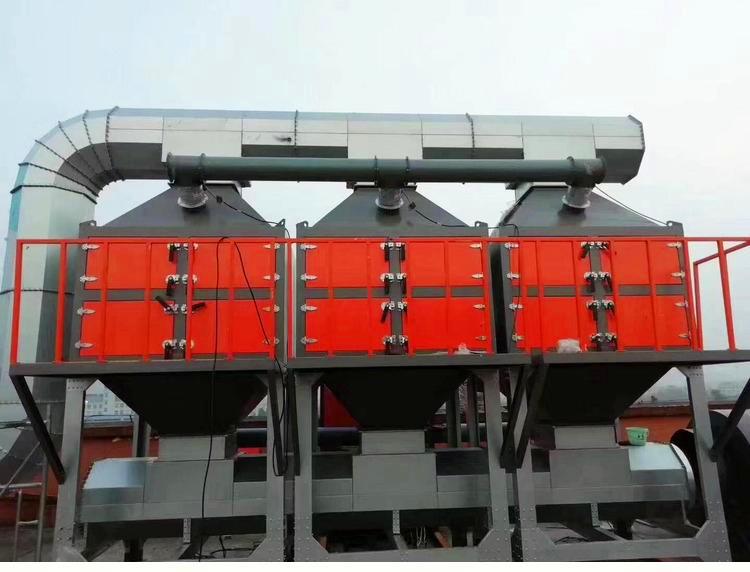
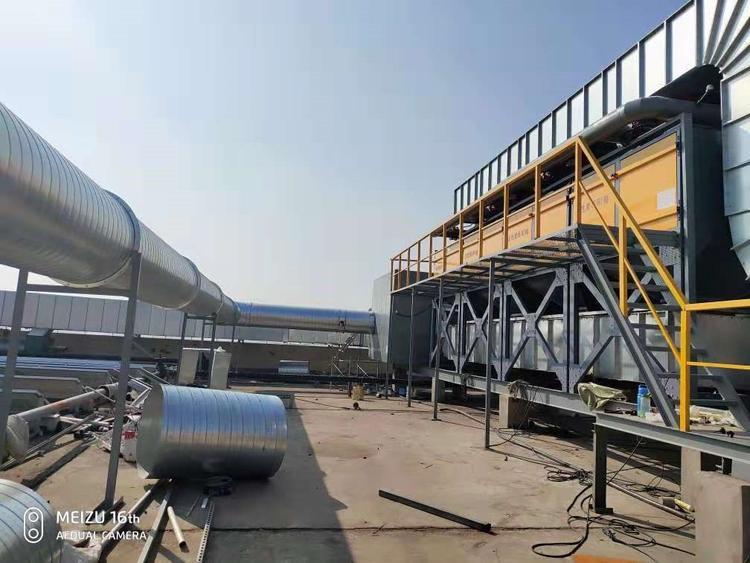
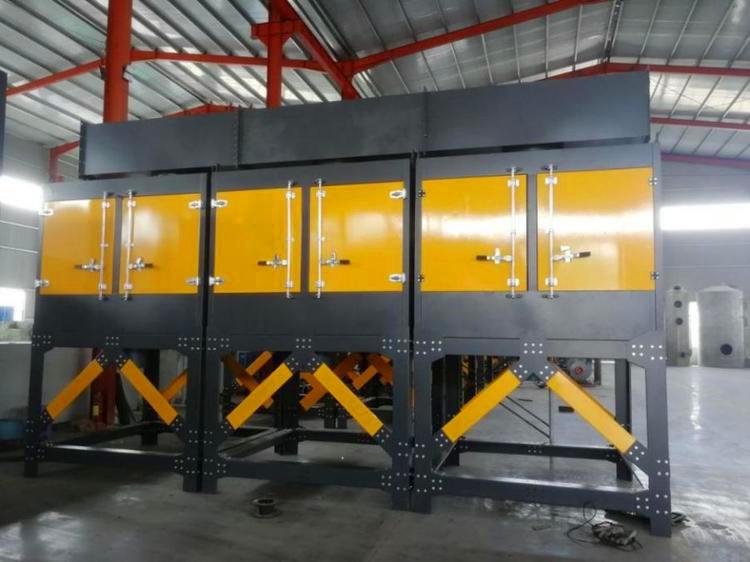
The VOC catalytic combustion treatment device collects the exhaust gas and enters the pre stored heat storage layer through a rotating valve. The heat storage layer transfers heat to the exhaust gas. After the exhaust gas reaches the reaction temperature, oxidation reaction occurs on the catalyst layer. The reacted gas passes through another heat storage layer and transfers heat to it. The gas is cooled and the temperature of the heat storage layer is increased. When it reaches a certain level, the gas flow direction reverses, and the untreated low-temperature exhaust gas enters the previously stored heat storage layer of the previous cycle. After catalytic reaction, the heat is transferred to the previously cooled heat storage layer of the previous cycle. This cyclic operation achieves the catalytic oxidation reaction of pollutants and the circulation of heat.
Catalytic combustion is a purification method that uses catalysts to oxidize and decompose combustible substances in exhaust gas at lower temperatures. So, catalytic combustion is also known as catalytic chemical conversion. Due to the acceleration of the oxidation decomposition process by the catalyst, most hydrocarbons can be completely oxidized by the catalyst at temperatures of 300-450 ℃.
Compared with the thermal combustion method, catalytic combustion requires less auxiliary fuel, consumes less energy, and has smaller equipment and facilities. However, the promotion and application of this method in industrial production processes have been affected by issues such as catalyst poisoning, replacement of catalytic beds, and high cleaning costs.





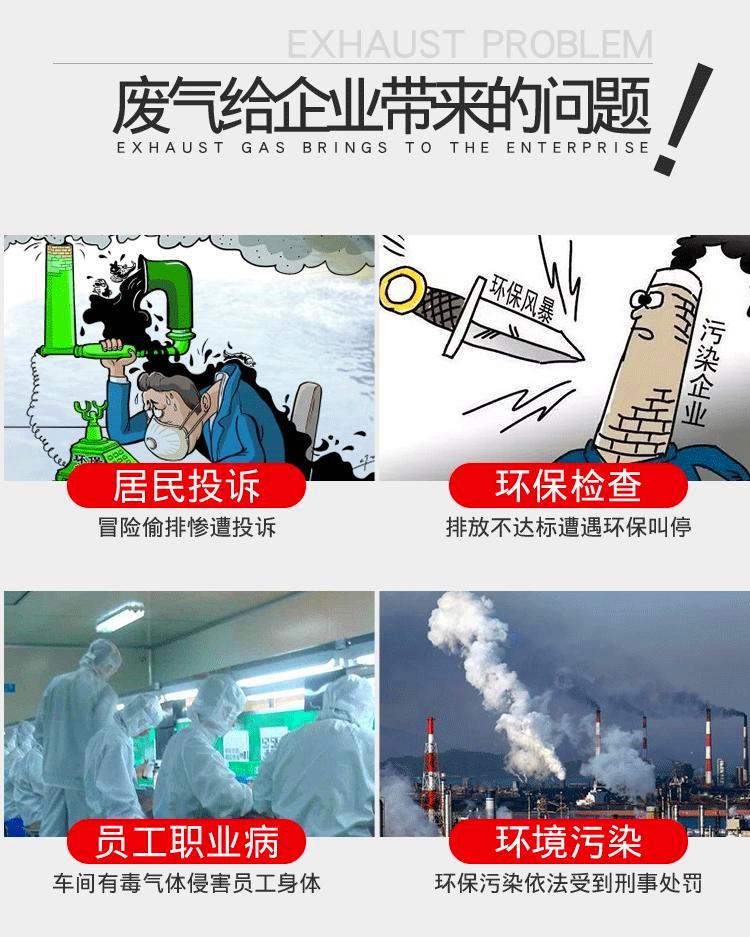
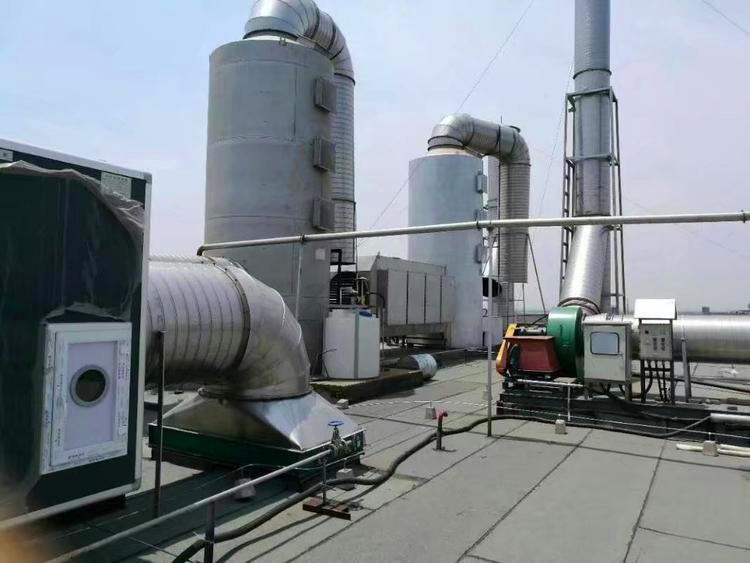
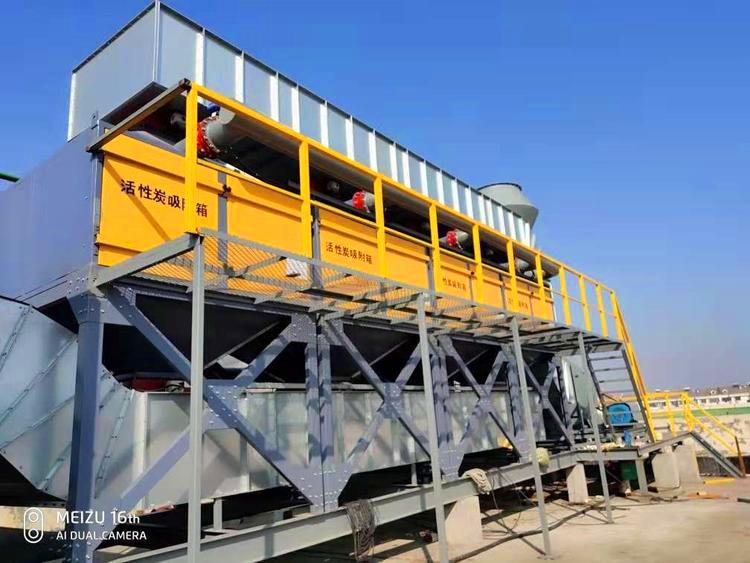
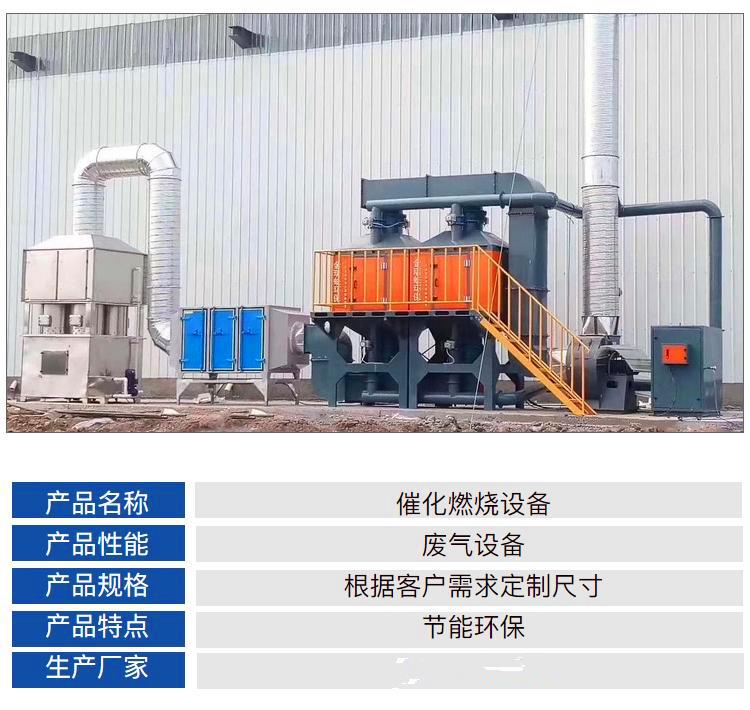
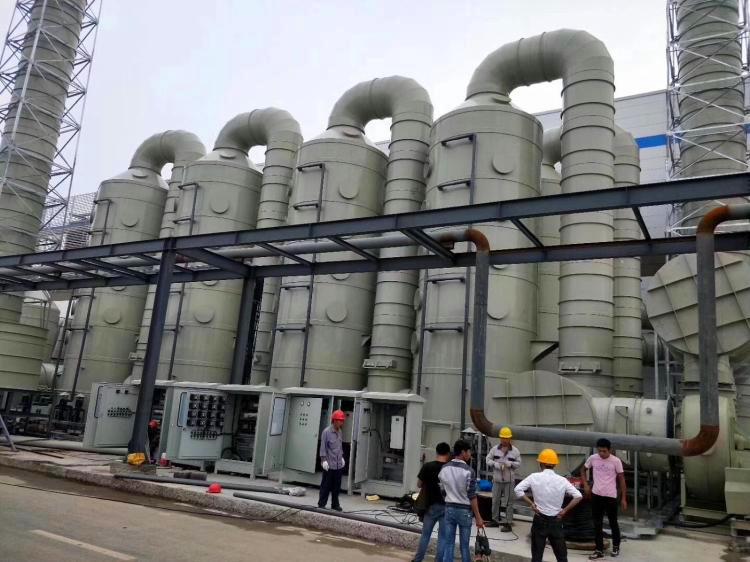
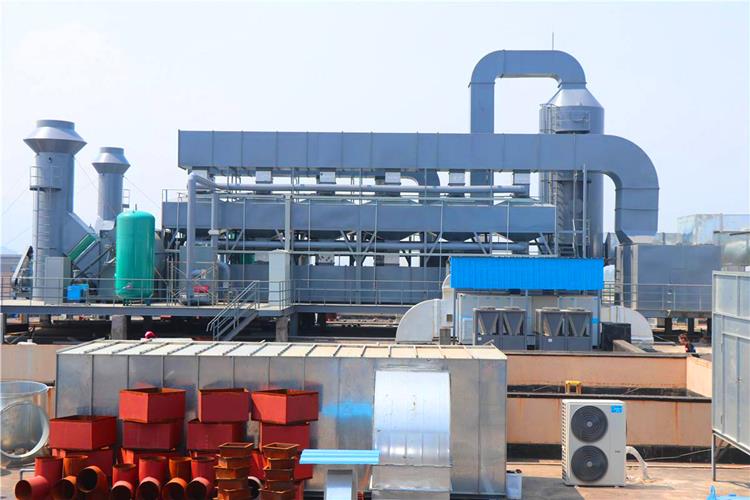
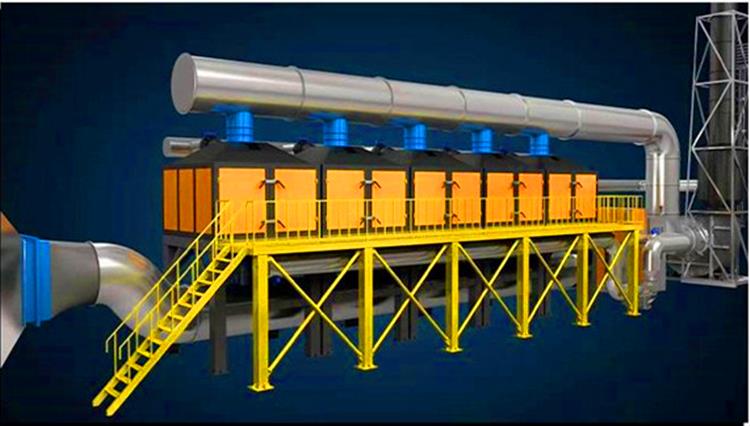
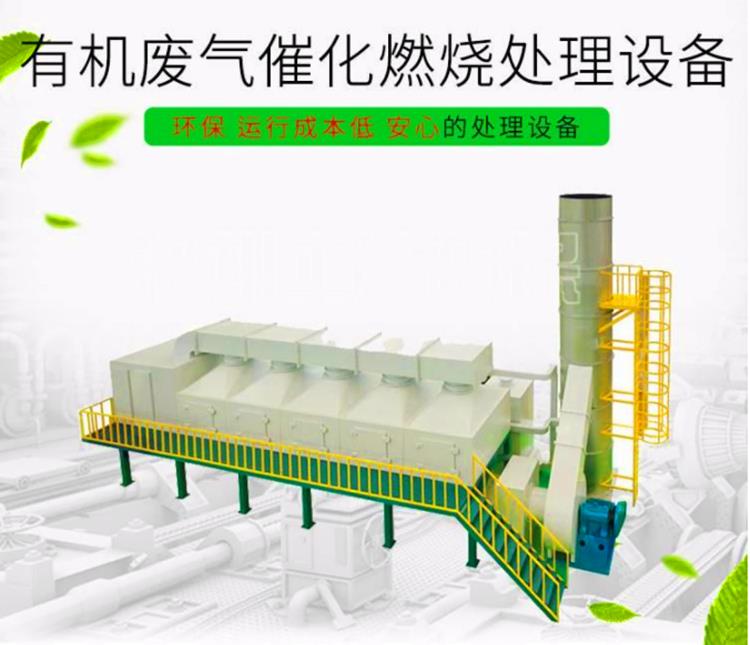
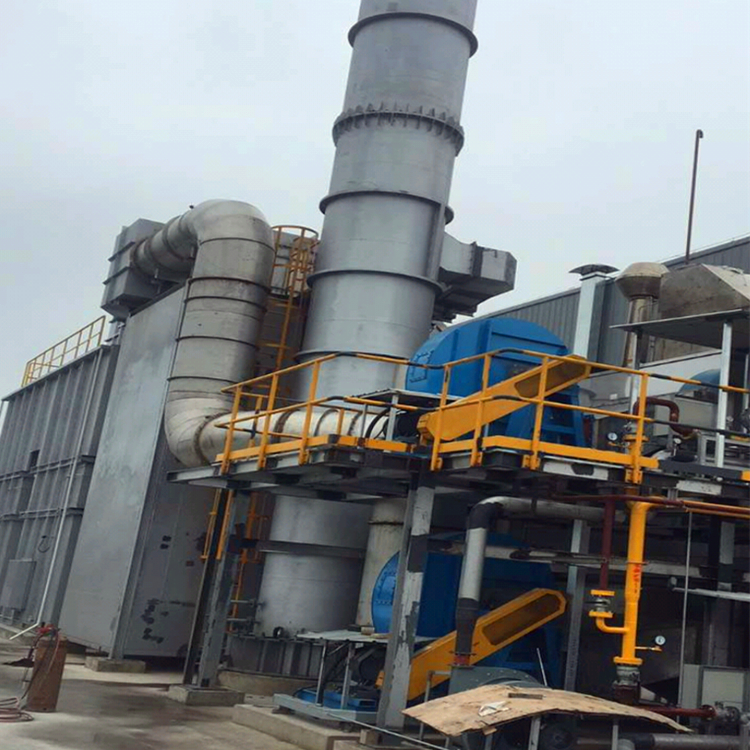

VOCs (volatile organic compounds) are a general term for a class of organic pollutants that are commonly present in the air and have complex compositions. They mainly include alkanes, alkenes, aromatic hydrocarbons, as well as various oxygen-containing hydrocarbons, halogenated hydrocarbons, nitrogen hydrocarbons, sulfur hydrocarbons, low boiling polycyclic aromatic hydrocarbons, and other substances. Among the 187 pollutants prioritized for control by the US EPA, 33 belong to volatile organic compounds. There are three main hazards that VOCs pose to the atmosphere. (1) Some are toxic and carcinogenic, posing a threat to human health; (2) Hydrocarbons and nitrogen oxides in VOCs react with ultraviolet radiation to generate ozone, which can lead to atmospheric photochemical smog events and pose a threat to human health and plant growth; (3) Participate in the formation of secondary aerosols in the atmosphere, which are mostly fine particles that are not easily deposited and can remain in the atmosphere for a long time. They have strong scattering power on light, thereby significantly reducing atmospheric visibility. At present, the atmospheric environment in most cities in China has shown three major composite pollution characteristics: regional haze pollution, ozone and acid rain, and VOCs are one of the extremely important promoters.

AfterSalesService :
Key words:- Catalytic combustion equipment