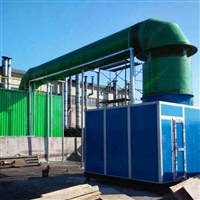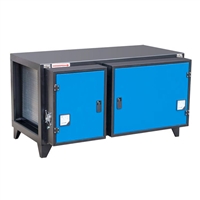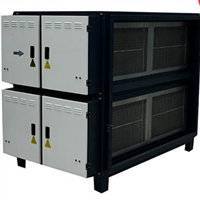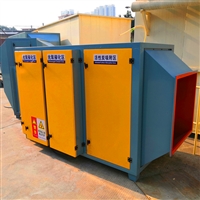
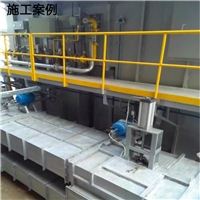
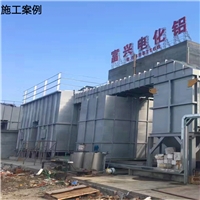
VOCs waste gas treatment facility Xiamen catalytic combustion
Category:
mechanical equipment/Air purification equipment/Complete set of waste gas treatment equipment
Model:
CHRS
Brand:
Hengtai Environmental Protection
Retail Price
10,260.00USD
重量
kg
- Product Description
-
Description :

Catalytic combustion is a purification method that uses catalysts to oxidize and decompose combustible substances in exhaust gas at lower temperatures. So, catalytic combustion is also known as catalytic chemical conversion. Due to the acceleration of the oxidation decomposition process by the catalyst, most hydrocarbons can be completely oxidized by the catalyst at temperatures of 300-450 ℃.
Compared with the thermal combustion method, catalytic combustion requires less auxiliary fuel, consumes less energy, and has smaller equipment and facilities. However, the promotion and application of this method in industrial production processes have been affected by issues such as catalyst poisoning, replacement of catalytic beds, and high cleaning costs.

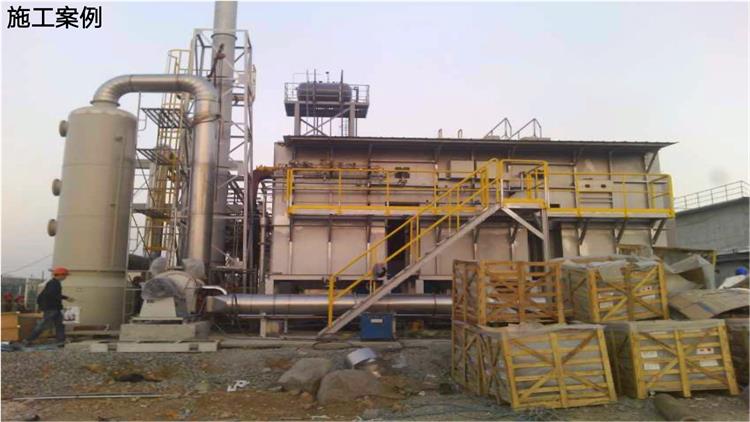

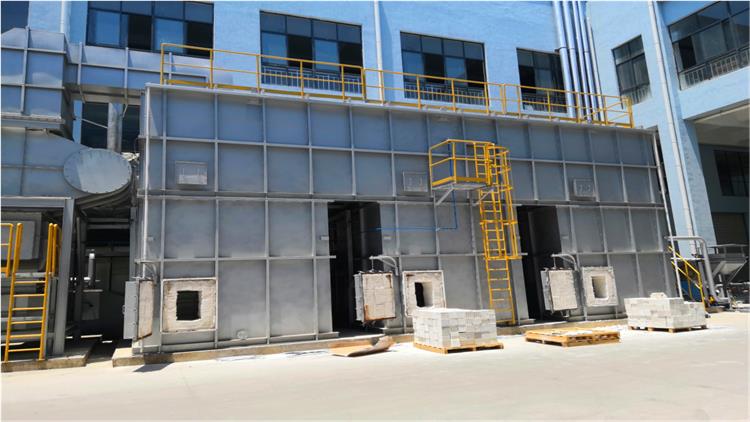

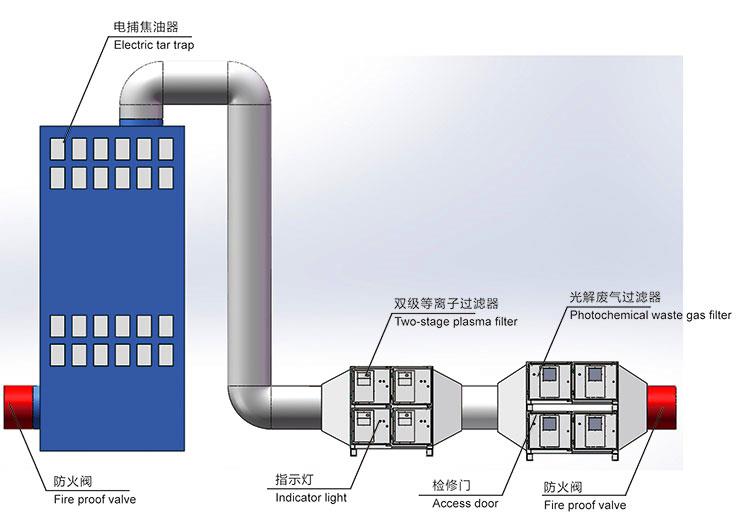
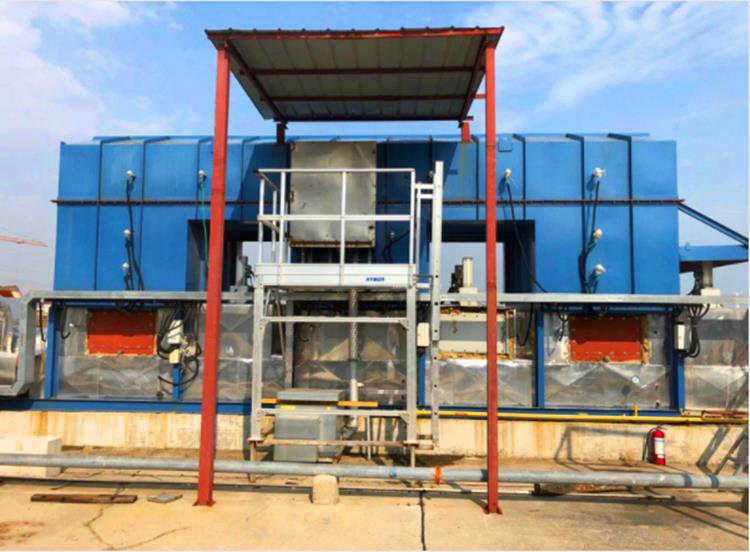
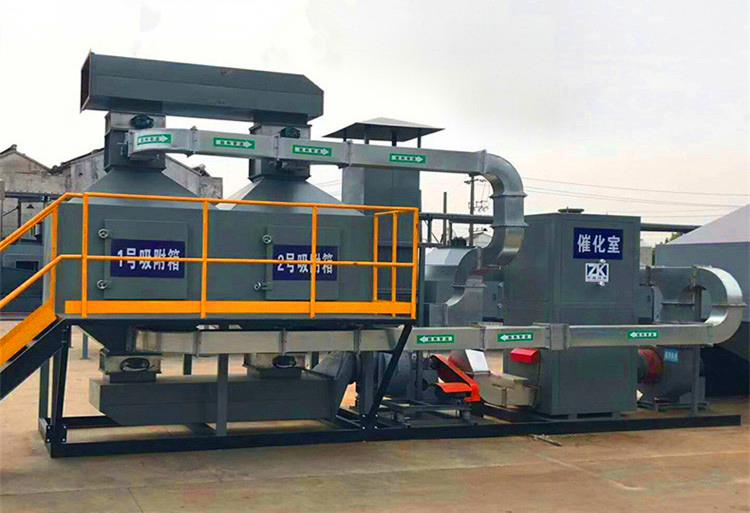
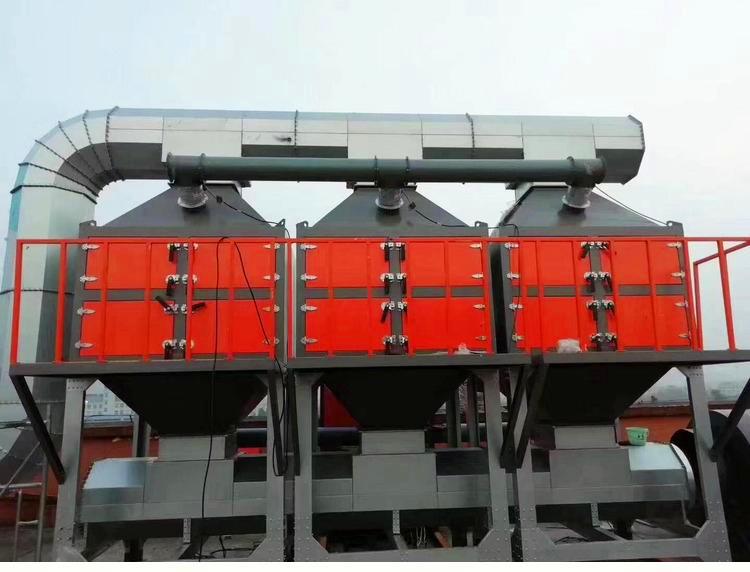
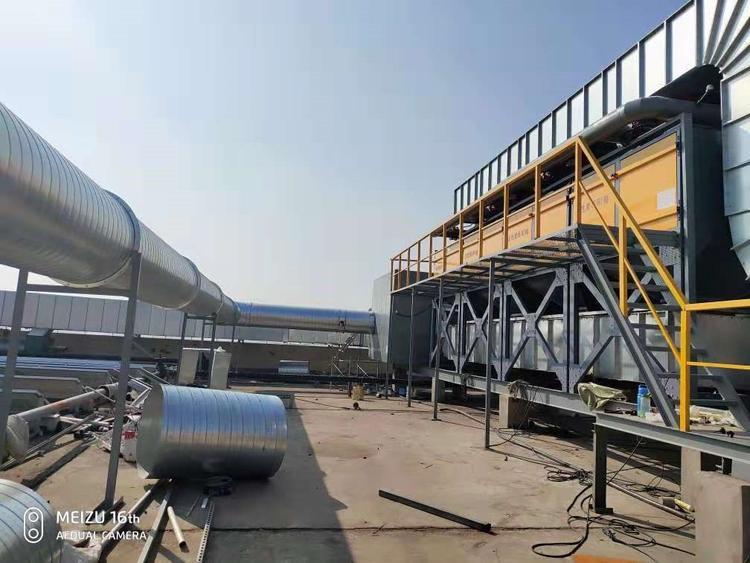


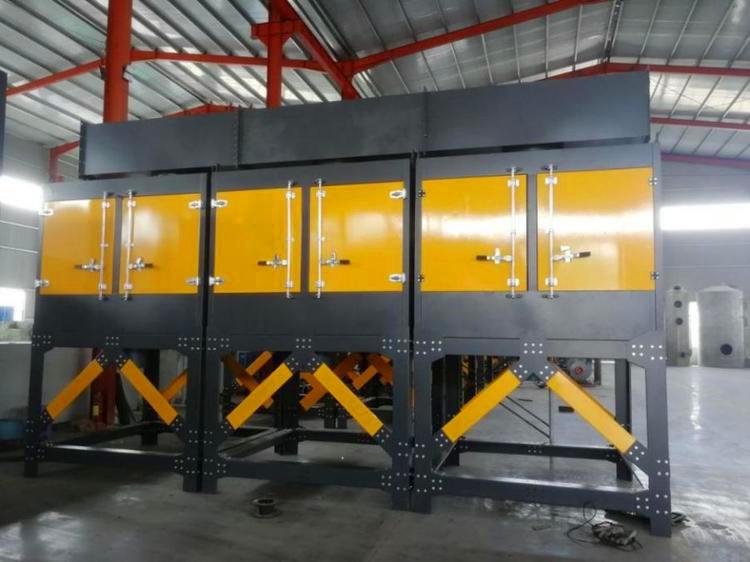
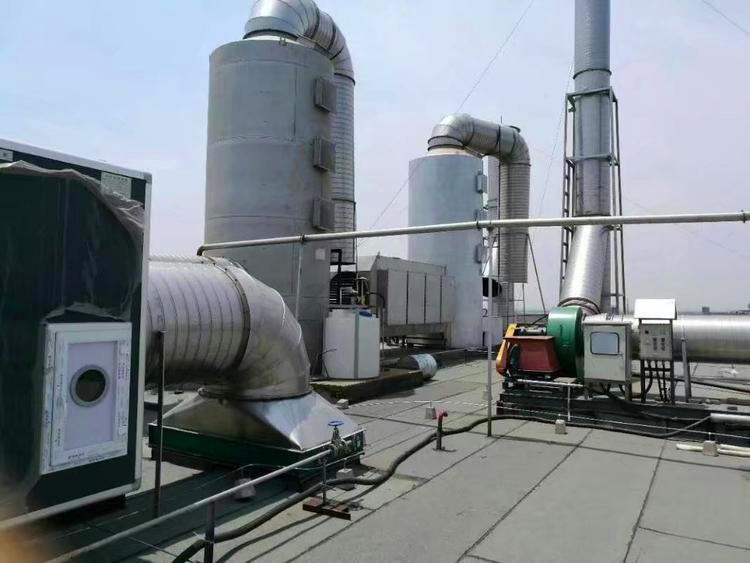
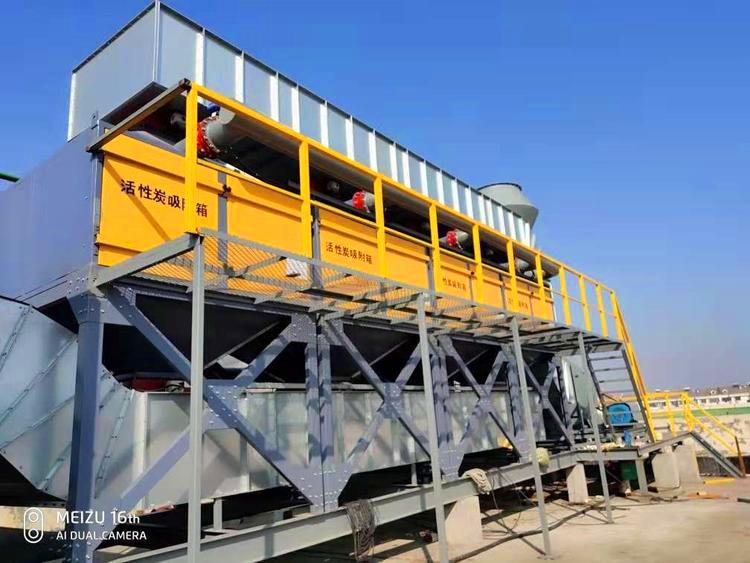
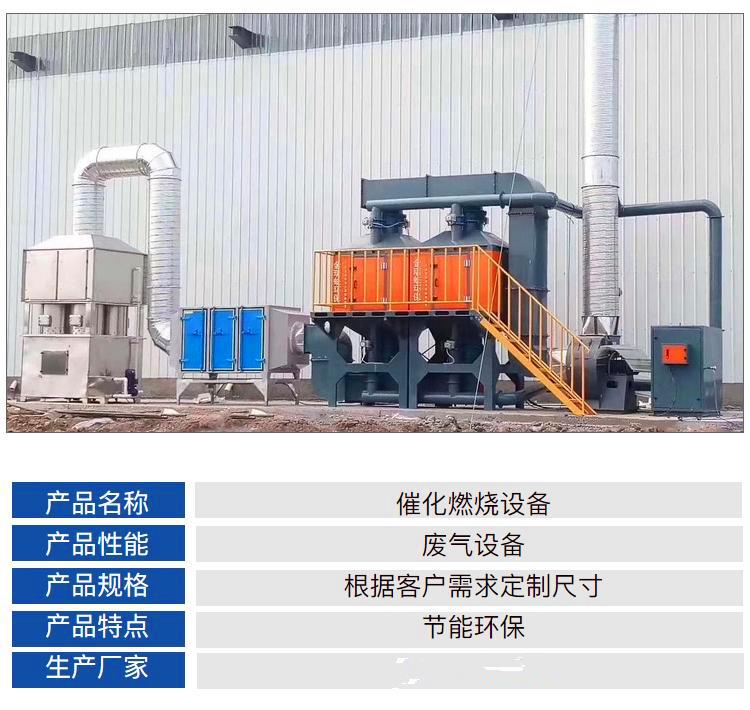
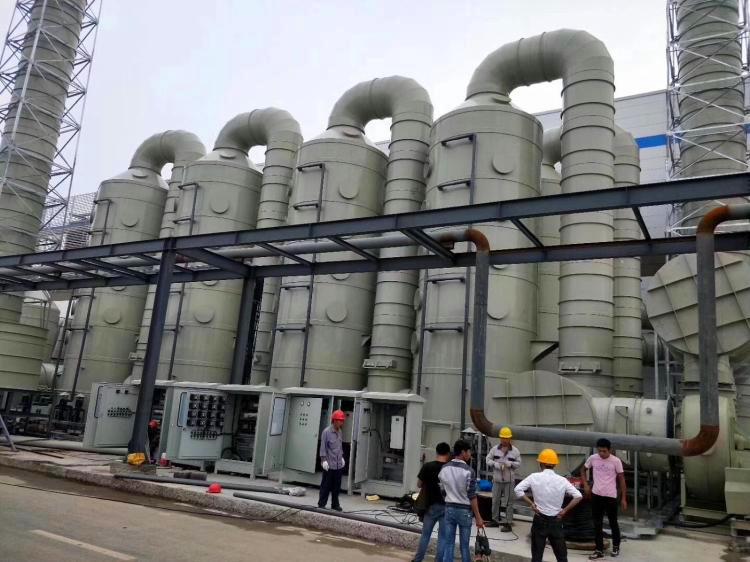
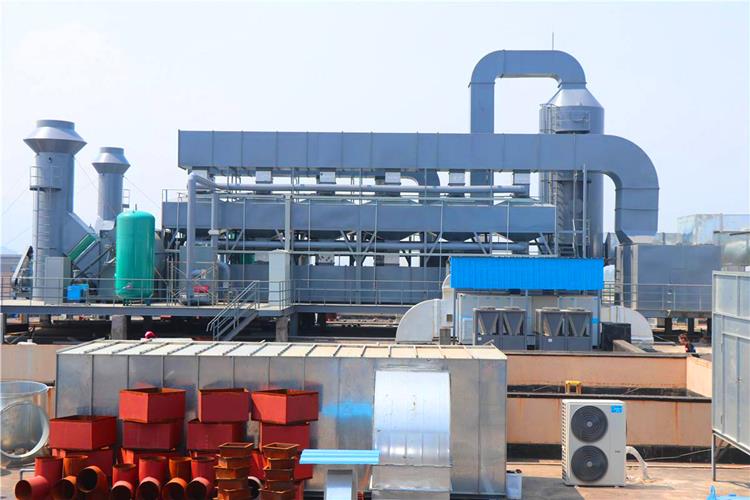
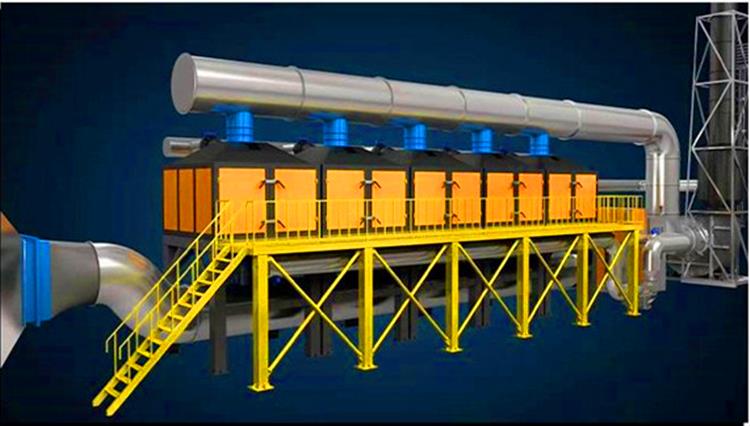
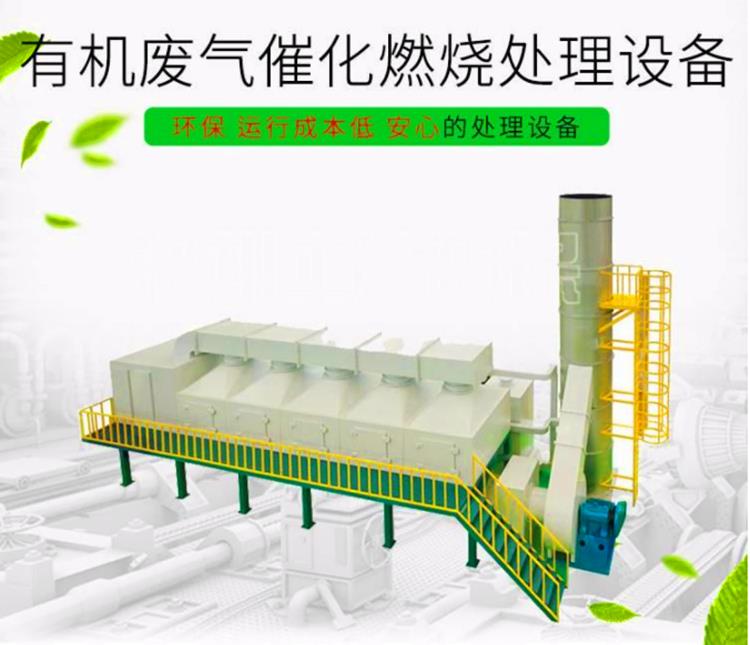
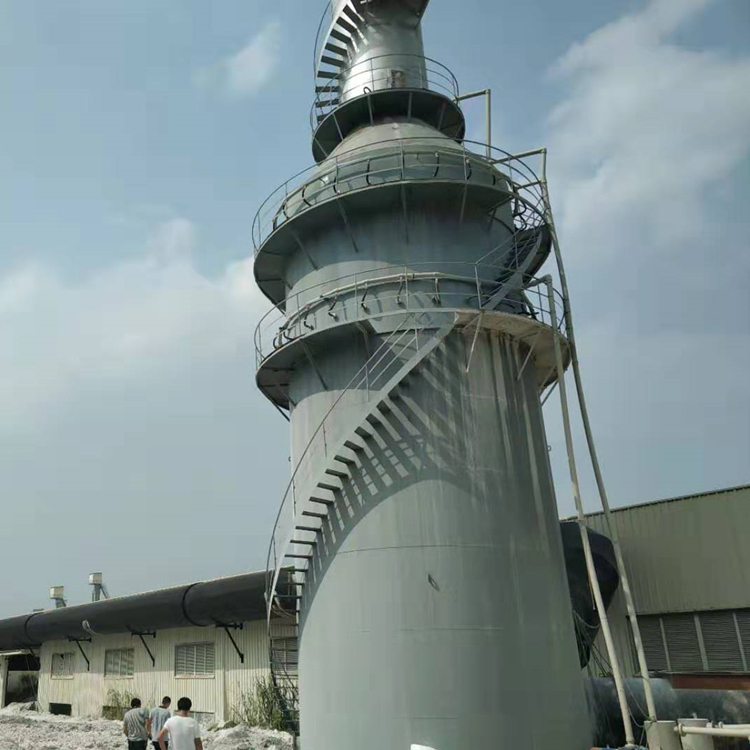

The principle of RTO treatment for organic waste gas is to oxidize combustible waste gas into corresponding oxides and water at high temperatures, thereby purifying the waste gas and recovering the heat released during the decomposition of the waste gas. The efficiency of waste gas decomposition is over 99%, and the efficiency of heat recovery is over 95%. The main structure of RTO consists of a combustion chamber, a ceramic packing bed, and a switching valve. According to the actual needs of customers, choose different heat recovery methods and switching valve methods.
As of 2013, research on the mechanism of low-temperature plasma is believed to be the result of inelastic particle collisions. Low temperature ionization is rich in electrons, ions, free radicals, and excited state molecules. High energy electrons collide with gas molecules (atoms), converting energy into the internal energy of ground state molecules (atoms) and undergoing a series of activation states such as excitation, dissociation, and ionization. On the one hand, it opens the bonds between gas molecules, generating some single-molecules and solid particles; Another force arises Free radicals such as OH and H2O2, as well as highly oxidizing O3, play a decisive role in this process with high-energy electrons, and the thermal movement of ions only has side effects. Under normal pressure, the electron temperature in the highly non-equilibrium plasma generated by gas discharge is much higher than the gas temperature (around 100 ℃ at room temperature). Various types of chemical reactions may occur in non-equilibrium plasmas, mainly determined by the average energy of electrons, electron density, gas temperature, concentration of harmful gas molecules, and ≥ gas composition. This provides a solution for reactions that require high activation energy, such as the removal of recalcitrant pollutants in the atmosphere. Additionally, it can also be used to treat volatile organic pollutants and sulfur-containing pollutants with low concentrations, high flow rates, and high air volumes.
AfterSalesService :
Key words:- Catalytic combustion equipment