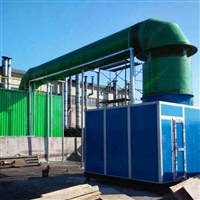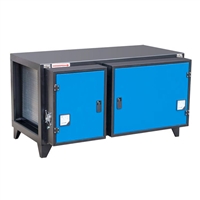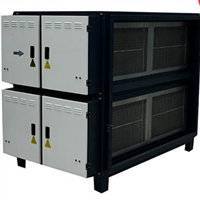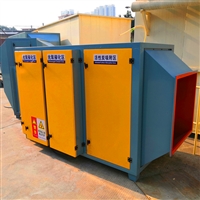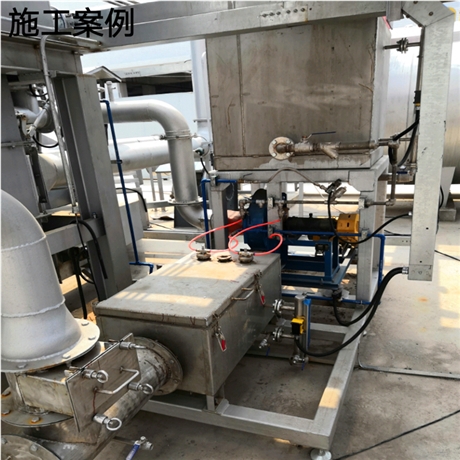



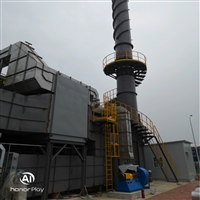
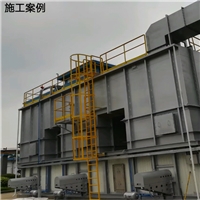
Manufacturer supplies catalytic combustion series Xiamen catalytic combustion
Category:
mechanical equipment/Air purification equipment/Complete set of waste gas treatment equipment
Model:
CHRS
Brand:
Hengtai Environmental Protection
Retail Price
10,260.00USD
重量
kg
- Product Description
-
Description :
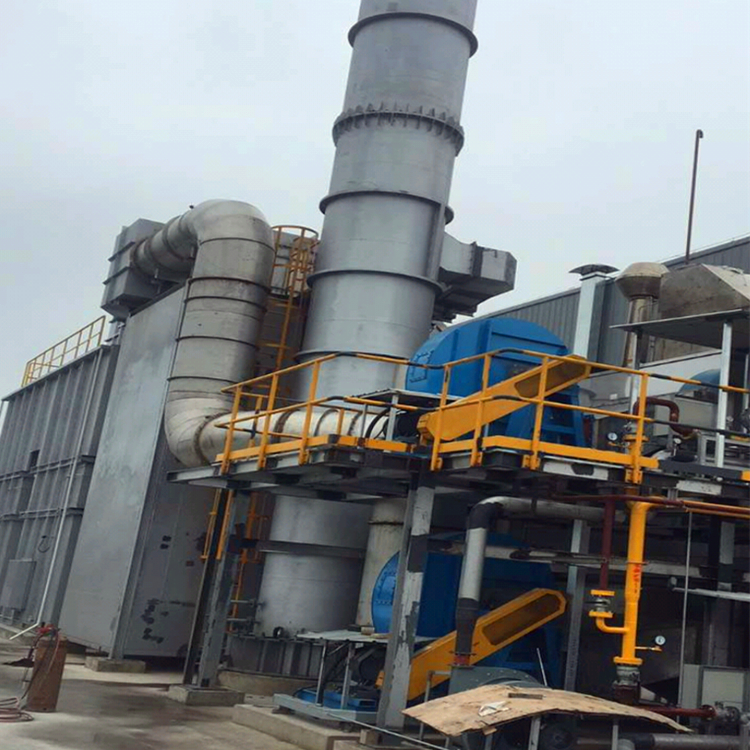
Ion deodorization method
When air passes through a high-energy ion deodorization device, oxygen molecules collide with high-energy electrons emitted by the device to form oxygen ions with positive and negative charges, respectively. These positive and negative oxygen ions have strong activity, and after a series of reactions, compounds containing C, H, and S elements are finally formed into small molecule compounds CO2, H2O, and SO2, without the production of secondary pollutants; And it can effectively destroy the living environment of bacteria in the air and reduce the concentration of bacteria in indoor air; After colliding with tiny solid particles in the air, ions charge the particles and produce a coagulation effect, turning harmful particles that cannot be captured by traditional filtration methods into particles that can be captured or settled by their own gravity, achieving the goal of purifying the air.

Catalytic combustion is a purification method that uses catalysts to oxidize and decompose combustible substances in exhaust gas at lower temperatures. So, catalytic combustion is also known as catalytic chemical conversion. Due to the acceleration of the oxidation decomposition process by the catalyst, most hydrocarbons can be completely oxidized by the catalyst at temperatures of 300-450 ℃.
Compared with the thermal combustion method, catalytic combustion requires less auxiliary fuel, consumes less energy, and has smaller equipment and facilities. However, the promotion and application of this method in industrial production processes have been affected by issues such as catalyst poisoning, replacement of catalytic beds, and high cleaning costs.

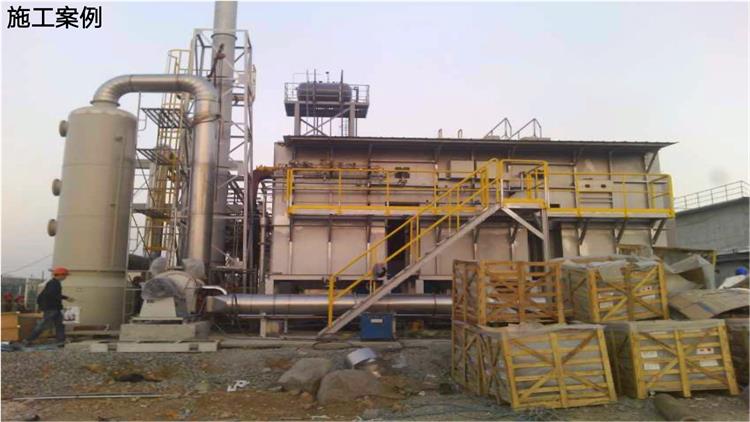
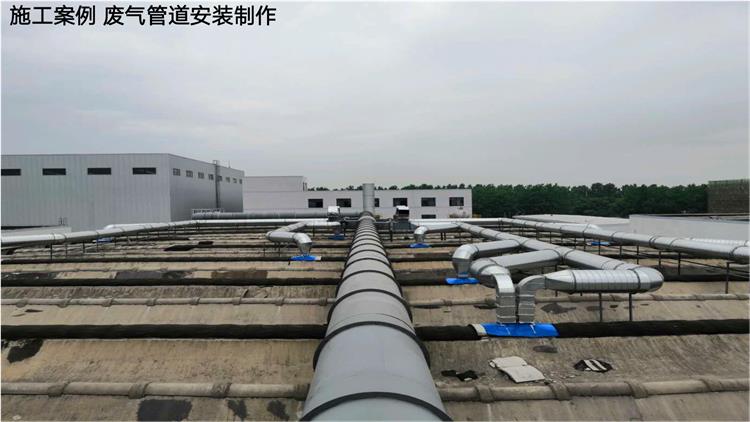

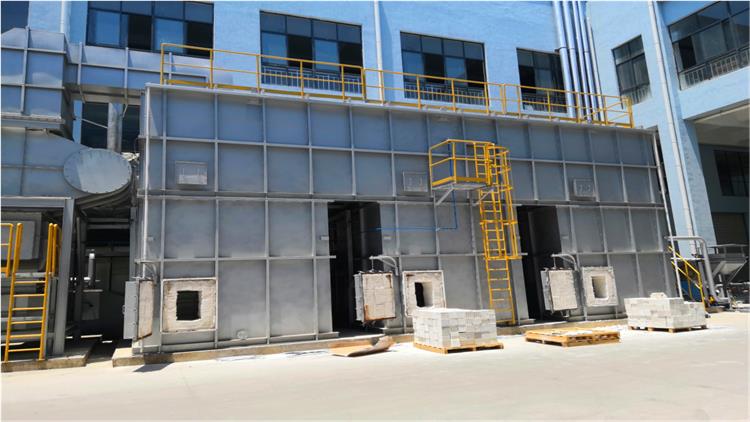

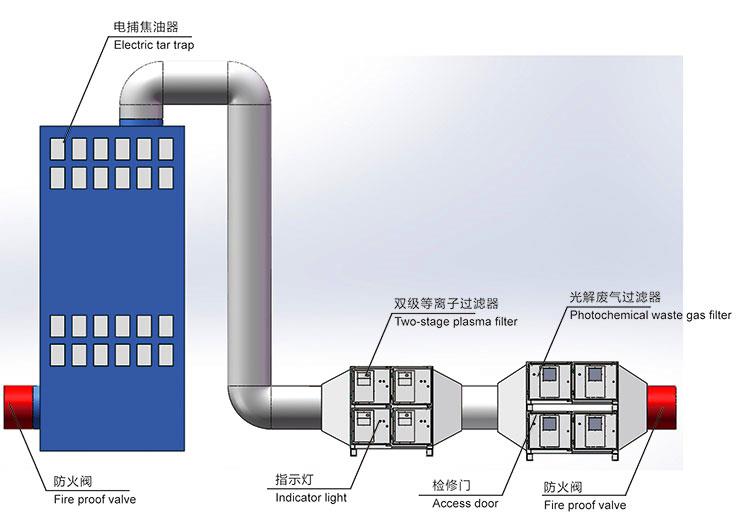
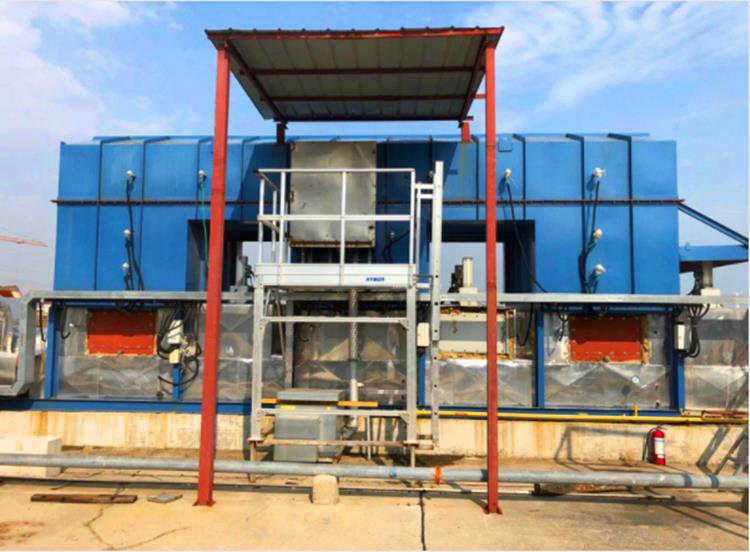
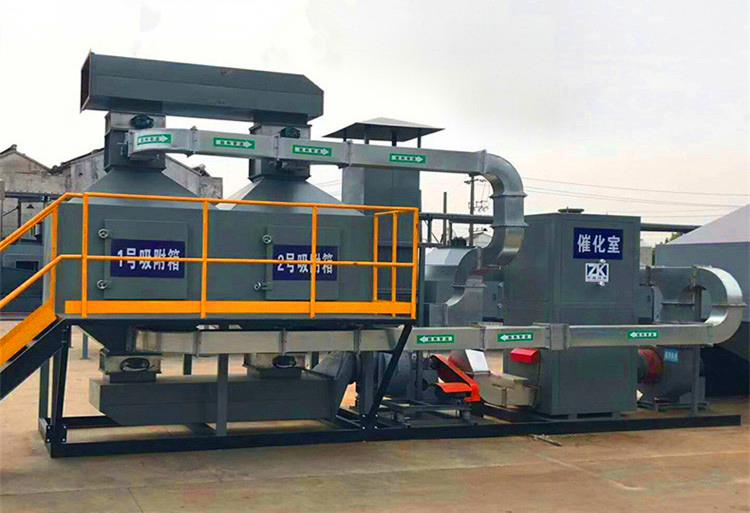
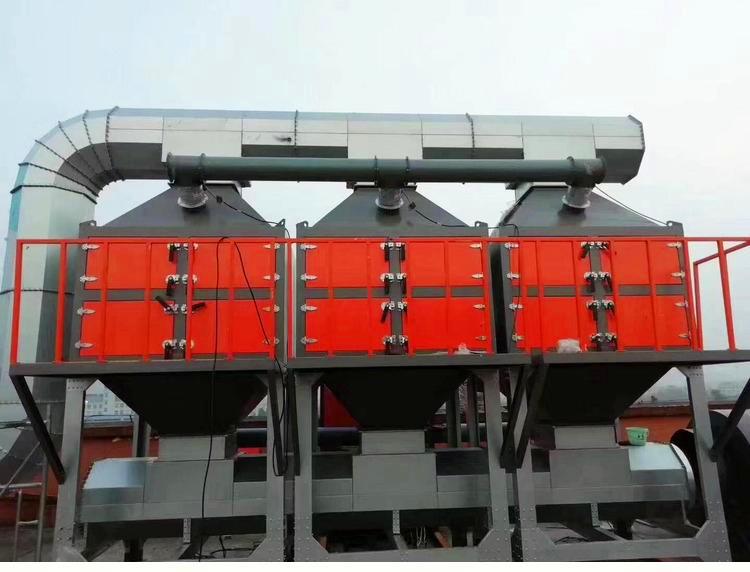
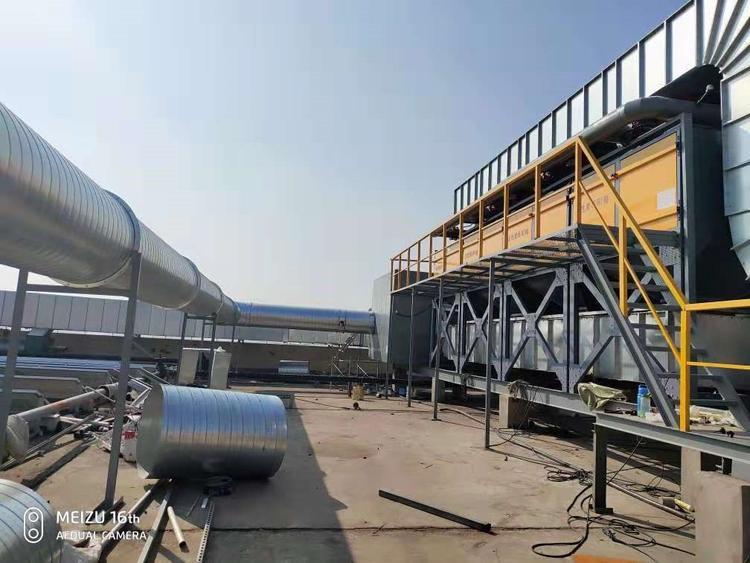


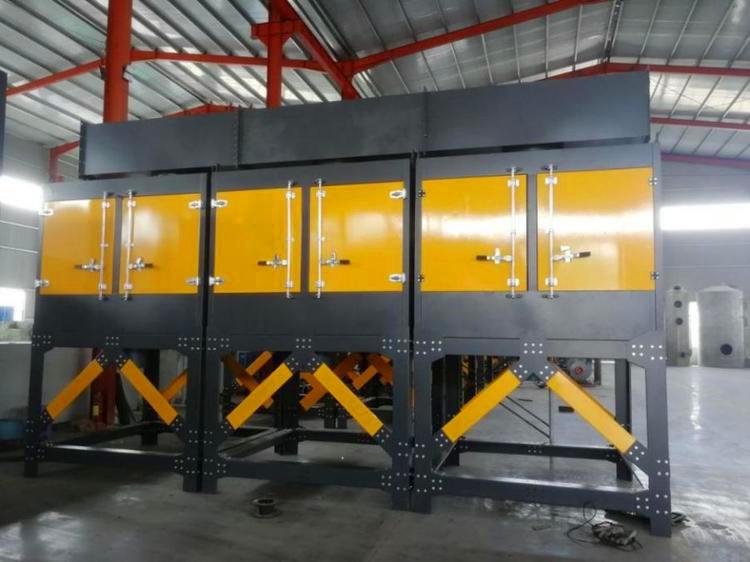
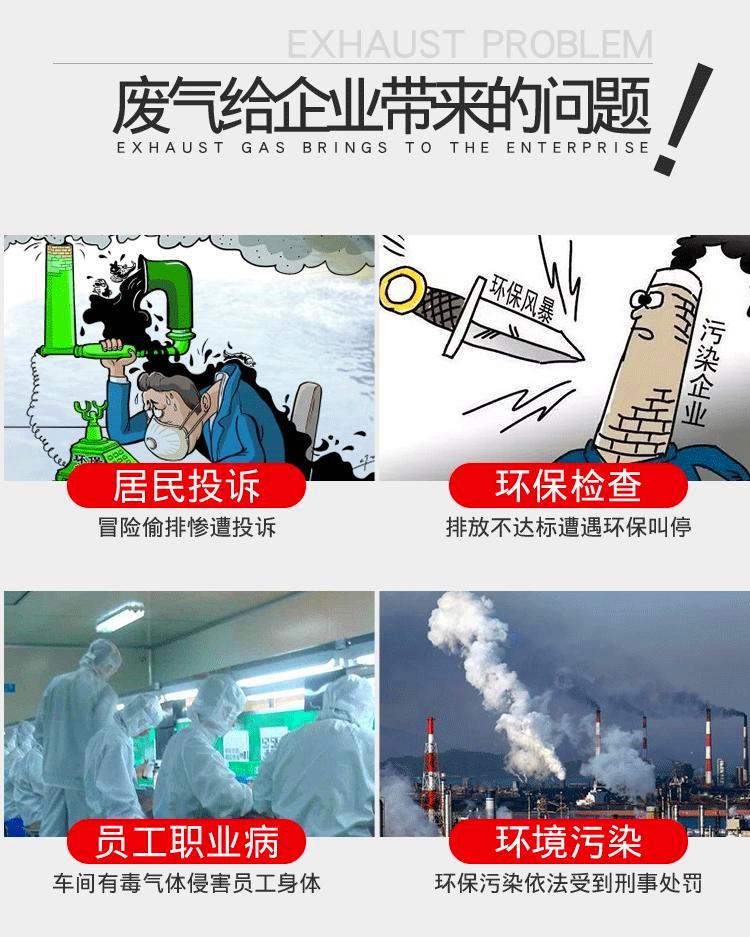
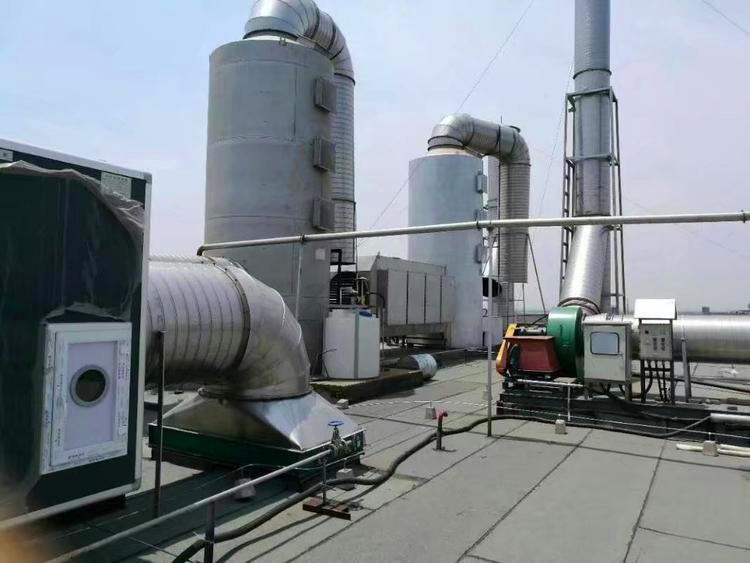
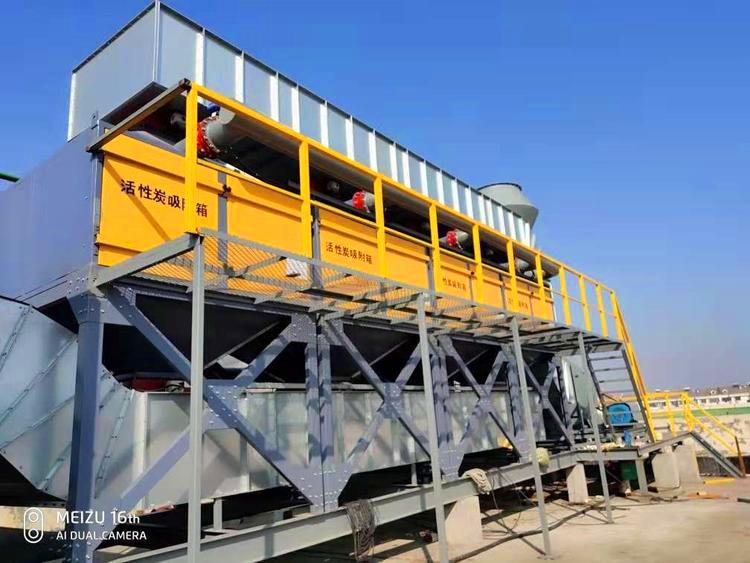
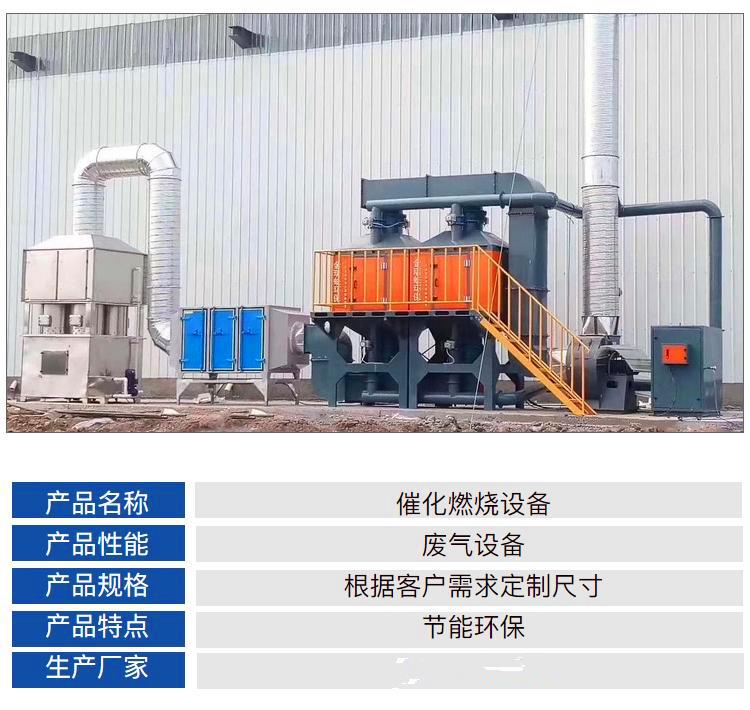
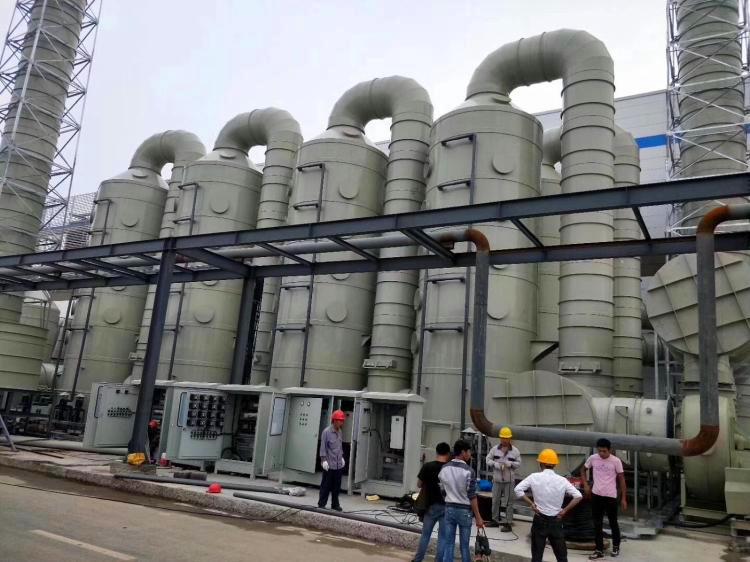
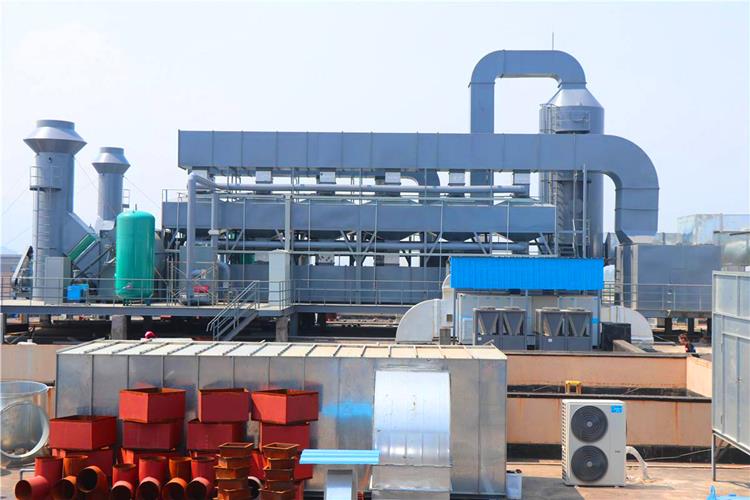
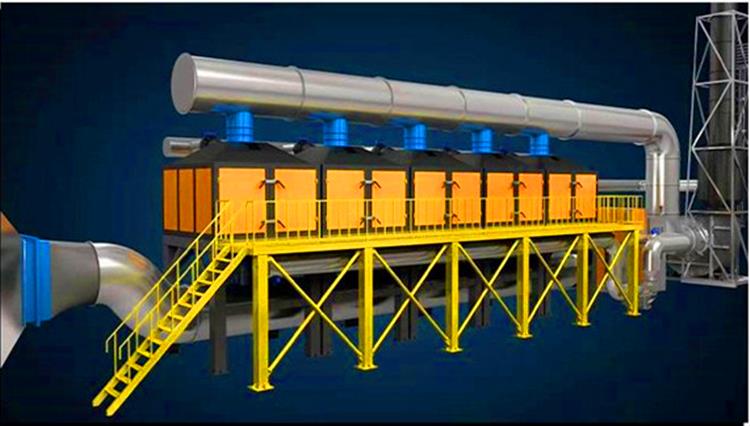
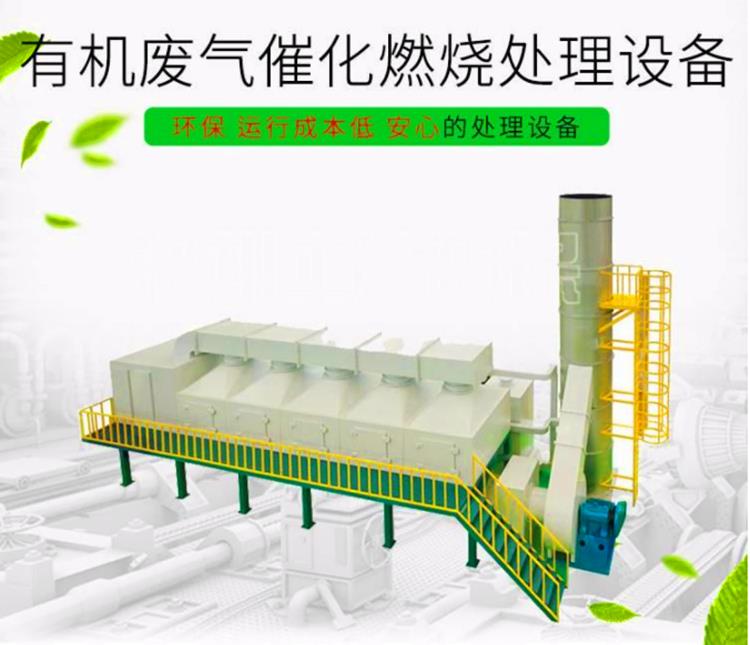

Combustible materials burn under the action of catalysts. Compared with direct combustion, catalytic combustion has a lower temperature and more complete combustion. The catalyst used for catalytic combustion is a substance composed of precious metals and metal oxides. For example, catalytic gas stoves loaded with Pd or rare earth compounds for household use can reduce the CO content in exhaust gas and improve thermal efficiency. A 0.2pt alumina catalyst can burn and deodorize most organic compounds to a chemical shift of less than σ=1 at 500 ℃. Catalytic combustion is flameless combustion, making it suitable for high demand applications such as fuel cells using H2 and O2 as raw materials, and pocket furnaces using gasoline or alcohol as raw materials (with Pt impregnated asbestos catalyst). To eliminate the smoke of NOx in chemical plants, fuel can be added to the smoke and catalytic combustion can be carried out using supported platinum and palladium catalysts to convert NOx into N2 gas. The combustion method of using appropriate catalysts and combustible substances in harmful gases to decompose and oxidize at lower temperatures.
AfterSalesService :
Key words:- Catalytic combustion equipment