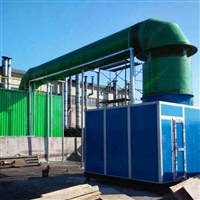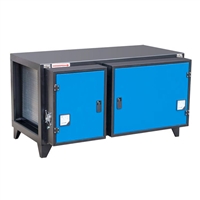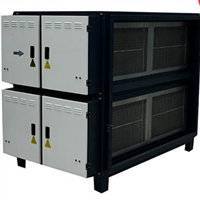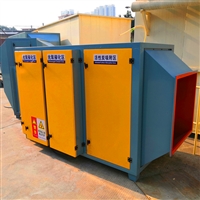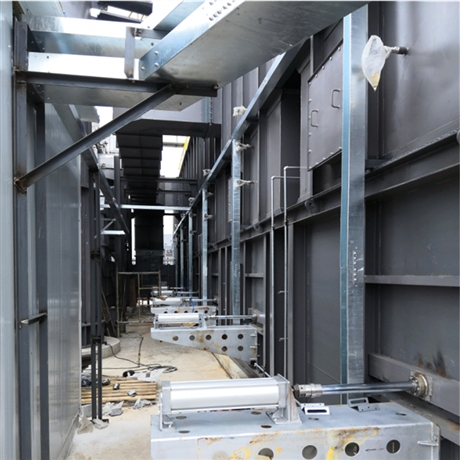


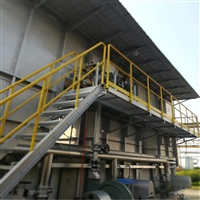
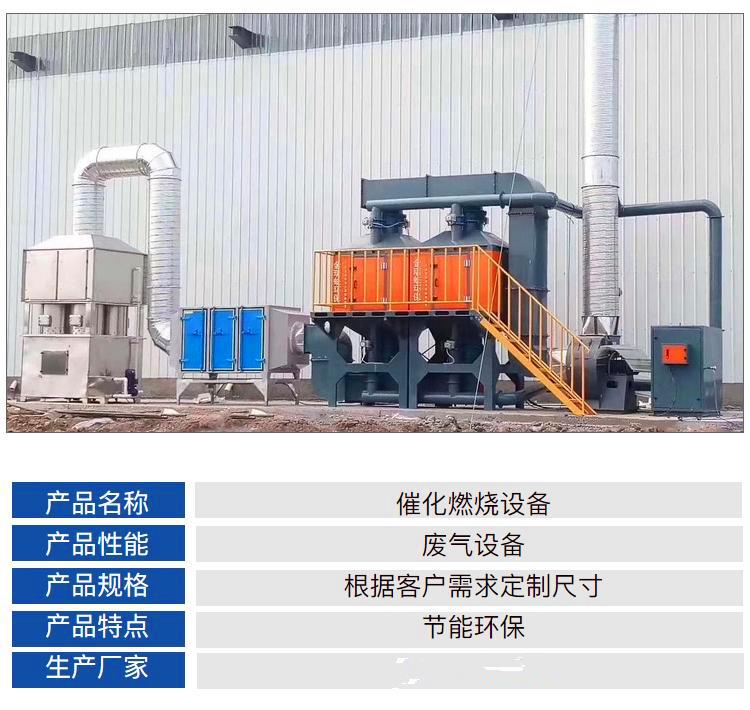
Manufacturer supplies catalytic combustion varieties Xiamen catalytic combustion
Category:
mechanical equipment/Air purification equipment/Complete set of waste gas treatment equipment
Model:
CHRS
Brand:
Hengtai Environmental Protection
Retail Price
10,260.00USD
重量
kg
- Product Description
-
Description :
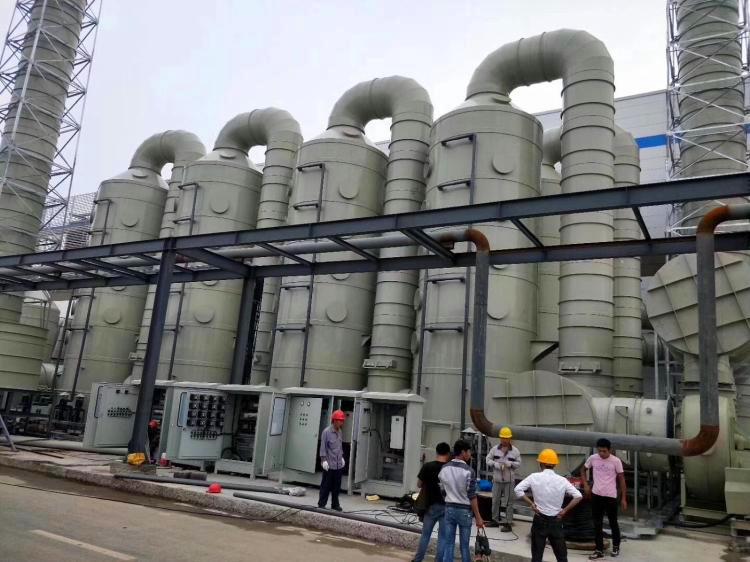
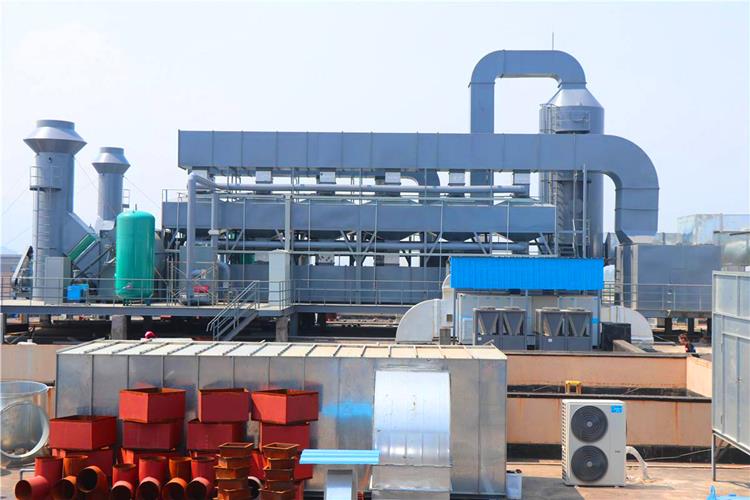
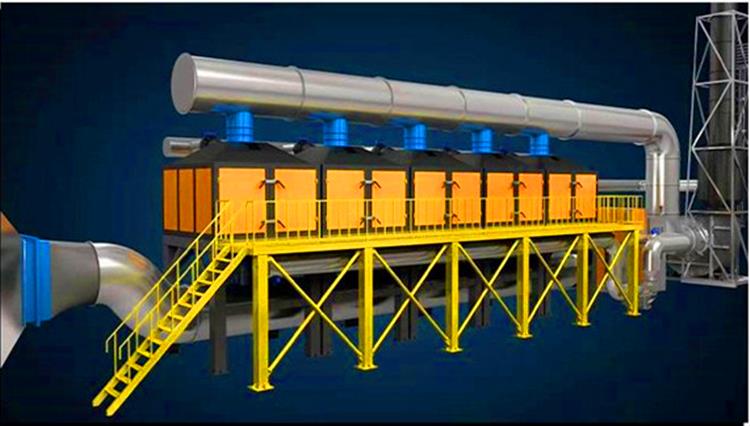
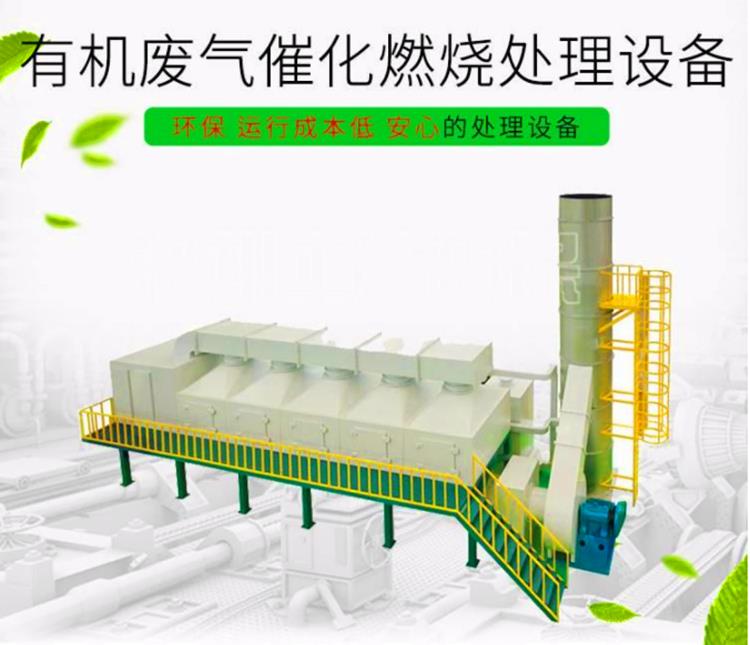
1) Low ignition temperature, fast reaction rate, and energy saving. During catalytic combustion, the catalyst plays a role in reducing the activation energy of VOCs molecules reacting with oxygen molecules and changing the reaction pathway.
2) High processing efficiency, low emissions of secondary pollutants and greenhouse gases. The purification rate of VOCs exhaust gas treated by catalytic combustion is usually over 95%, and the final products are mainly CO2 and H2O. Due to the low temperature of catalytic combustion, the generation of NOx is greatly reduced. The CO2 emissions from auxiliary fuel consumption account for a large proportion of the total CO2 emissions, and the reduction in auxiliary energy consumption clearly reduces greenhouse gas CO2 emissions.
3) Widely applicable, catalytic combustion can treat almost all hydrocarbon organic waste gases and odorous gases, and is suitable for treating a wide range of VOCs concentrations. It is economically reasonable to use catalytic combustion method to treat VOCs waste gas with low concentration, high flow rate, multiple components and no recycling value.


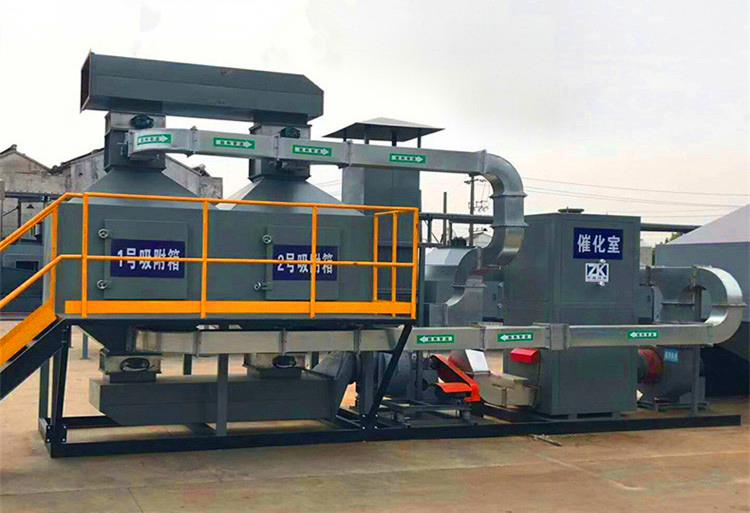
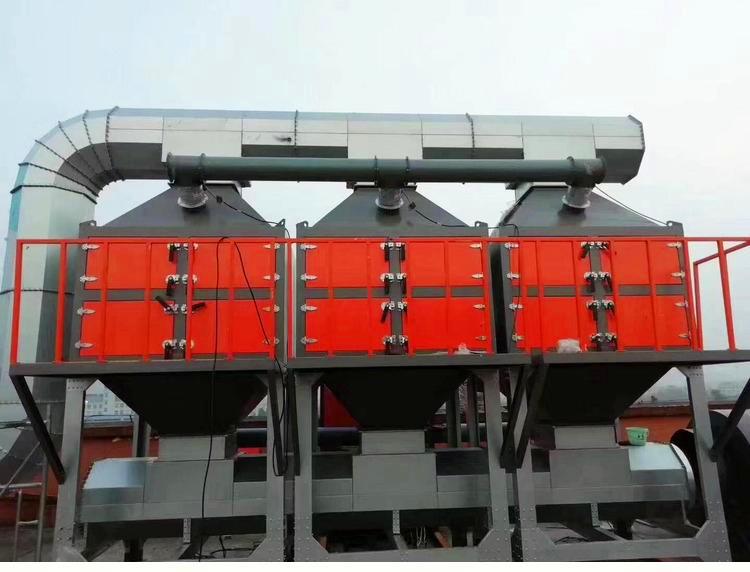
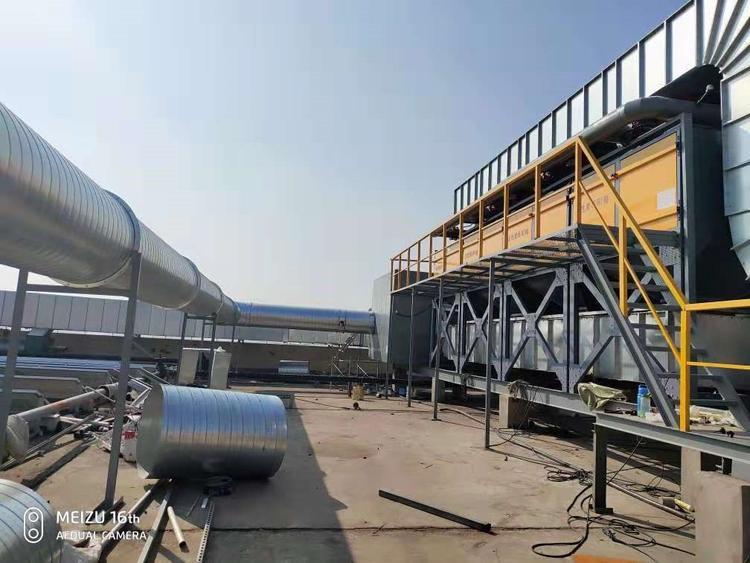
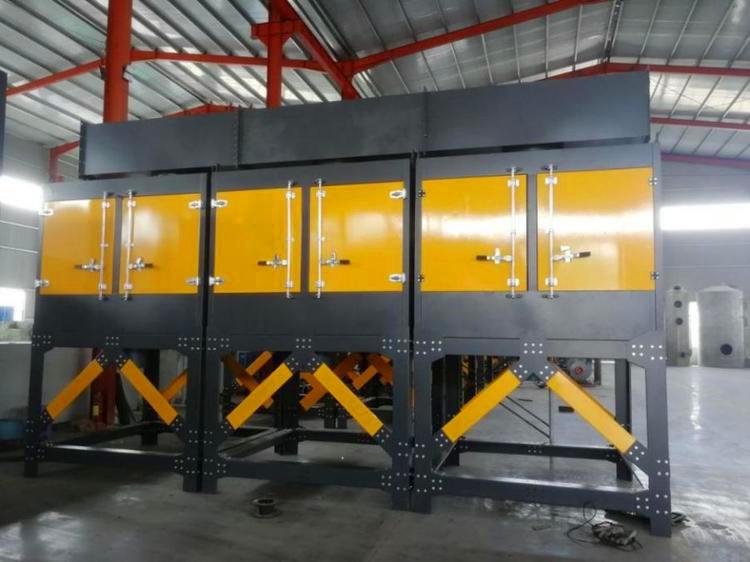
Catalytic combustion is a purification method that uses catalysts to oxidize and decompose combustible substances in exhaust gas at lower temperatures. So, catalytic combustion is also known as catalytic chemical conversion. Due to the acceleration of the oxidation decomposition process by the catalyst, most hydrocarbons can be completely oxidized by the catalyst at temperatures of 300-450 ℃.
Compared with the thermal combustion method, catalytic combustion requires less auxiliary fuel, consumes less energy, and has smaller equipment and facilities. However, the promotion and application of this method in industrial production processes have been affected by issues such as catalyst poisoning, replacement of catalytic beds, and high cleaning costs.

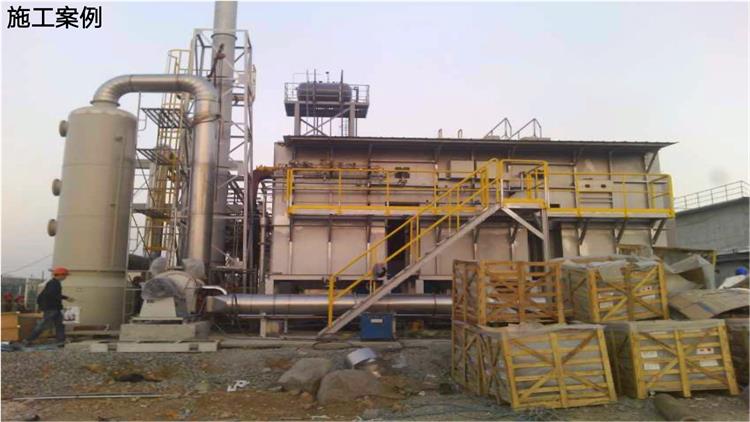




The main problems with RTO are:
1. Due to being a new technology, heating furnaces, burners, etc. have not yet adapted to its requirements, and there are still theoretical issues in design and operation.
2. Pipelines and equipment are prone to damage due to high temperatures.
3. Agglomeration and short lifespan of the thermal storage body.
4. The pressure inside the furnace changes greatly, causing a large amount of heat to overflow and failing to achieve the actual energy-saving effect.
5. Daily maintenance volume and cost increase. wait. It can be seen that after more than ten years of practice, there is no longer the same enthusiasm for thermal storage combustion technology as before. At present, the debate between opposition and support is very heated.
AfterSalesService :
Key words:- Catalytic combustion equipment