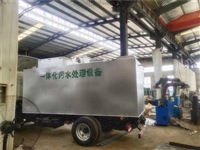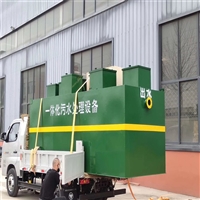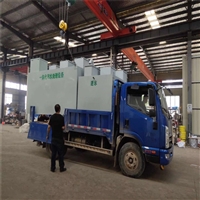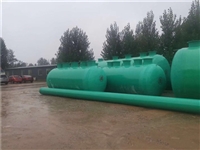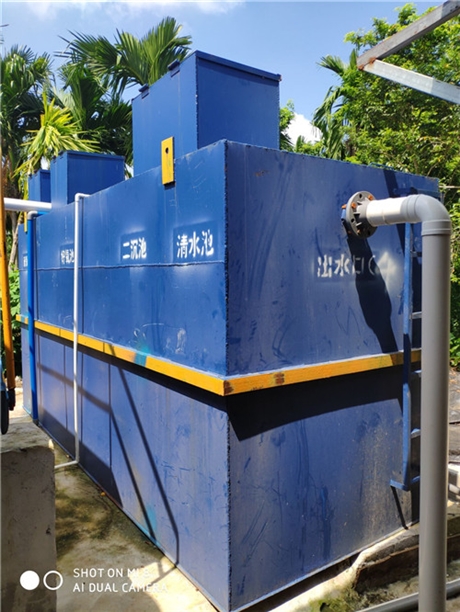

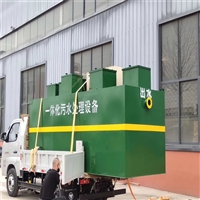


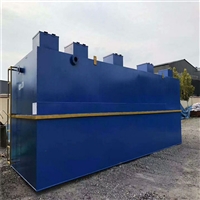
AO method small sewage treatment equipment AO process integrated sewage treatment facility
Category:
Environmental Protection/Sewage treatment equipment/Integrated sewage treatment equipment
Model:
LS
Brand:
Weifang Lusheng Water Treatment
model:
LS
Processing & Customization:
yes
voltage:
two hundred and twenty
power:
three hundred and sixty
Device Name:
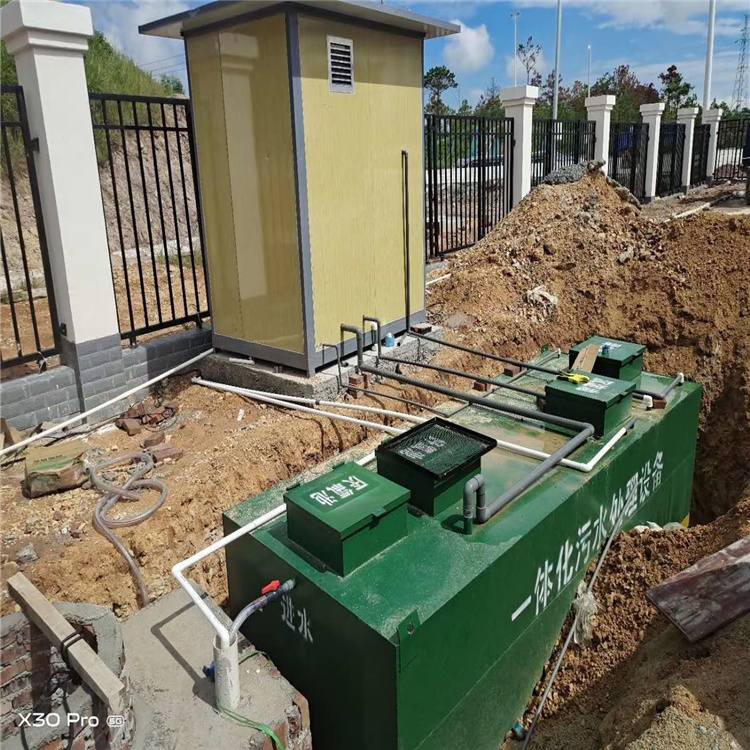
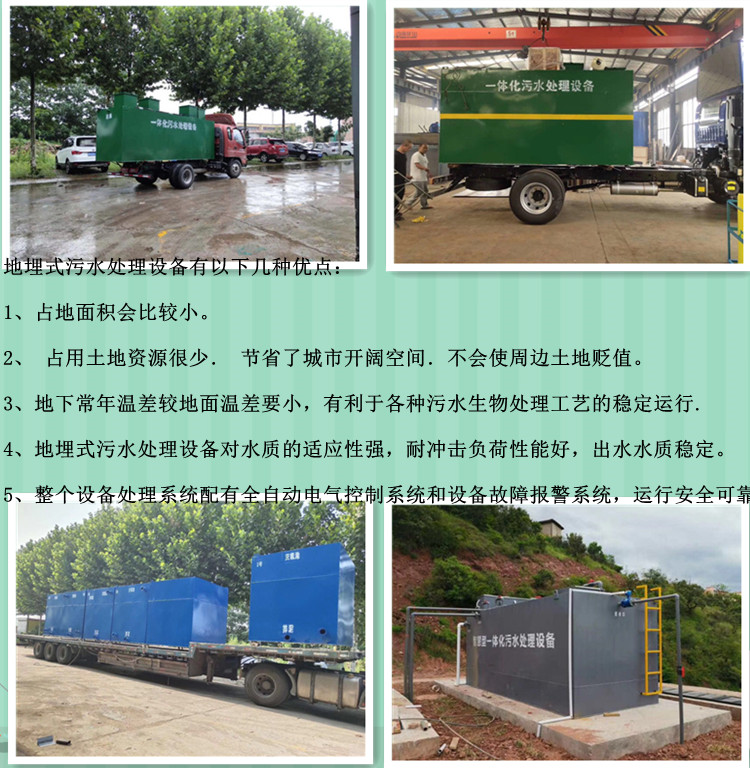
Underground sewage treatment equipment
Overall dimensions:
150*200*200
Is it a cross-border source of goods:
No
manufacturer:
Weifang Lusheng Water Treatment Equipment Co., Ltd
Retail Price
33,200.00USD
重量
kg
- Product Description
-
model LS
Processing & Customization yes
voltage two hundred and twenty
power three hundred and sixty
Device Name Underground sewage treatment equipment
Overall dimensions 150*200*200
Is it a cross-border source of goods No
manufacturer Weifang Lusheng Water Treatment Equipment Co., Ltd
Description :
AO method small sewage treatment equipment AO process integrated sewage treatment facility
In the field of sewage biological treatment, various new treatment processes have emerged through the organic combination of various processes, each with its own characteristics, and have gradually been applied in engineering practice. Traditional activated sludge process combined with oxidation ditch. French companies combine traditional activated sludge processes with oxidation ditches, using concentric circular structures to arrange aerobic, anoxic, and anaerobic zones, creating a circulating flow state in each zone. Different combinations are designed in the functional zoning arrangement to meet different requirements, thus developing various A/A/O nitrogen and phosphorus removal processes.
The composite biofilm/activated sludge process is a new type of wastewater treatment process that has received considerable attention in recent years. It is a new type of reactor that has gradually developed with the development of biofilm treatment processes. Its characteristic is to add fillers as carriers for microbial growth in the activated sludge aeration tank, thereby forming suspended growth activated sludge and attached growth biofilm, and removing organic matter from wastewater.
The reactor formed by combining biofilm method with other sewage treatment processes is called a composite bioreactor. Here, composite refers to the presence of both attached and suspended phase organisms in the reactor. Filling the aeration tank with a loading material for microbial attachment and growth to form a composite bioreactor, improving the sludge concentration and operational stability in the reactor, is an effective measure to enhance the efficiency of the activated sludge process.



1. Chemical Oxygen Demand (COD)
Chemical Oxygen Demand (COD) is the amount of oxidant consumed when treating water samples with a certain strong oxidant under certain conditions. It is an indicator of the amount of reducing substances in water. The reducing substances in water include various organic compounds, sub salts, sulfides, ferrous salts, etc. But the main thing is organic matter. Therefore, chemical oxygen demand (COD) is often used as an indicator to measure the content of organic matter in water. The higher the chemical oxygen demand, the more severe the pollution of organic matter in the water body.
The determination of COD is a major daily monitoring item in sewage treatment plants. By measuring the COD of the inflow and outflow of different structures, the operation of the structures can be accurately grasped. Through data analysis over a period of time, the operation of the structures can be adjusted appropriately to ensure the treatment effect of sewage. In addition, for the effluent of sewage treatment plants, COD is a necessary monitoring item, and the effluent should meet the corresponding national standards.
The determination of chemical oxygen demand (COD) varies depending on the reducing substances in the water sample and the measurement method used. The most commonly used methods currently are acidic oxidation and oxidation. (KmnO4), The oxidation rate is low, but it is relatively simple and can be used to determine the relative comparison value of organic matter content in water samples. The K2CrO7 method has high oxidation rate and good reproducibility, and is suitable for determining the total amount of organic matter in water samples.
2. Biochemical Oxygen Demand (BOD)
Biochemical Oxygen Demand (BOD) refers to the amount of oxygen consumed during the complete oxidation and decomposition of organic matter in water under aerobic conditions due to the action of microorganisms. It is expressed as the decrease in dissolved oxygen (mg/L) of a water sample stored in a closed container at a certain temperature (such as 20 ℃) for a certain period of time. When the temperature is at 20 ℃, it usually takes about 20 days for organic matter to complete the oxidation decomposition process, while it takes 100 days to fully complete this decomposition process. However, such a long period of time loses practical value for actual production control. Therefore, the current standard for determining biochemical oxygen demand is to cultivate for 5 days at 20 ℃. The measured biochemical oxygen demand at this time is called the five-day biochemical oxygen demand, represented by BOD5. If the quantity and composition of organic matter in sewage are relatively stable, there may be a certain proportional relationship between the two, which can be calculated and determined from each other. The ratio of BOD to COD in domestic sewage is approximately 0.4-0.8. For a certain amount of wastewater, generally speaking, COD> BOD20> BOD5。
BOD5 is also one of the important daily monitoring items in sewage treatment plants. The specific significance of conducting BOD5 monitoring is basically the same as COD.
However, due to the drainage system of rivers in our country, urban sewage treatment plants contain a certain amount of industrial wastewater. Compared with domestic sewage, the quality of industrial wastewater changes greatly and is difficult to degrade. By monitoring the BOD and COD in the inflow of sewage treatment plants, the biodegradability of sewage can be roughly judged. The classic method for determining biochemical oxygen demand is the dilution inoculation method.
AfterSalesService :
Key words:- Small scale sewage treatment equipment