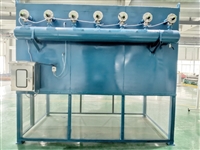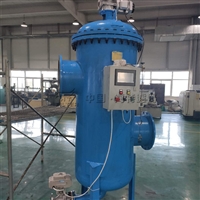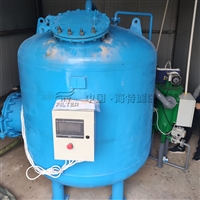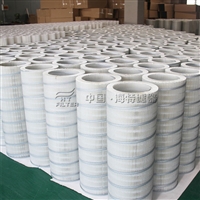



Haite Filter BR0.6 Plate Heat Exchanger Steel Plant Plate Heat Exchanger Nationwide Shipping
Category:
chemical industry/Heat transfer equipment/Plate heat exchanger
Model:
BR1.6-C Plate Heat Exchanger
Brand:
Haide filter
model:
BR1.6-C Plate Heat Exchanger
Installation method:
vertical
Heat transfer method:
Interwall type
Processing & Customization:
yes
temperature range:
one hundred and twenty
work pressure:
0.6/1.0/1.6
power:
0
purpose:
Hydraulic system lubrication system cooler for steel plant power plant
heat transfer area:
five hundred
heat transfer coefficient:
≥350W/㎡. K
weight:
seven thousand
Overall dimensions:
1313x3770
Place of Origin:
Xinxiang, Henan
Item Number:
HT-BR1.6-C
Channel cross-sectional area:
five hundred
Specifications:
313 pieces
Is it a cross-border source of goods:
No
manufacturer:
Haide filter
Retail Price
2,900.00USD
重量
kg
- Product Description
-
model BR1.6-C Plate Heat Exchanger
Installation method vertical
Heat transfer method Interwall type
Processing & Customization yes
temperature range one hundred and twenty
work pressure 0.6/1.0/1.6
power 0
purpose Hydraulic system lubrication system cooler for steel plant power plant
heat transfer area five hundred
heat transfer coefficient ≥350W/㎡. K
weight seven thousand
Overall dimensions 1313x3770
Place of Origin Xinxiang, Henan
Item Number HT-BR1.6-C
Channel cross-sectional area five hundred
Specifications 313 pieces
Is it a cross-border source of goods No
manufacturer Haide filter
Description :
Structure principle of BR0.6 plate heat exchanger:
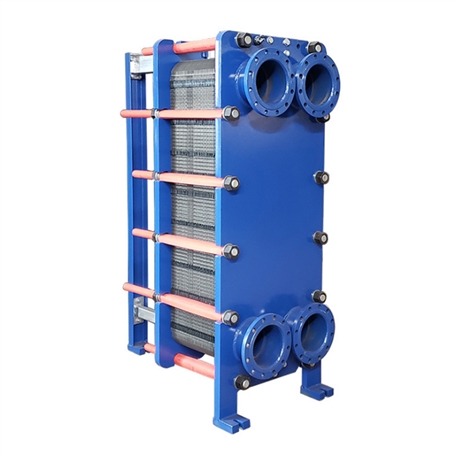
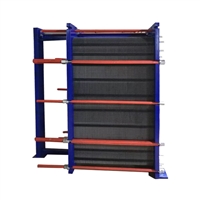
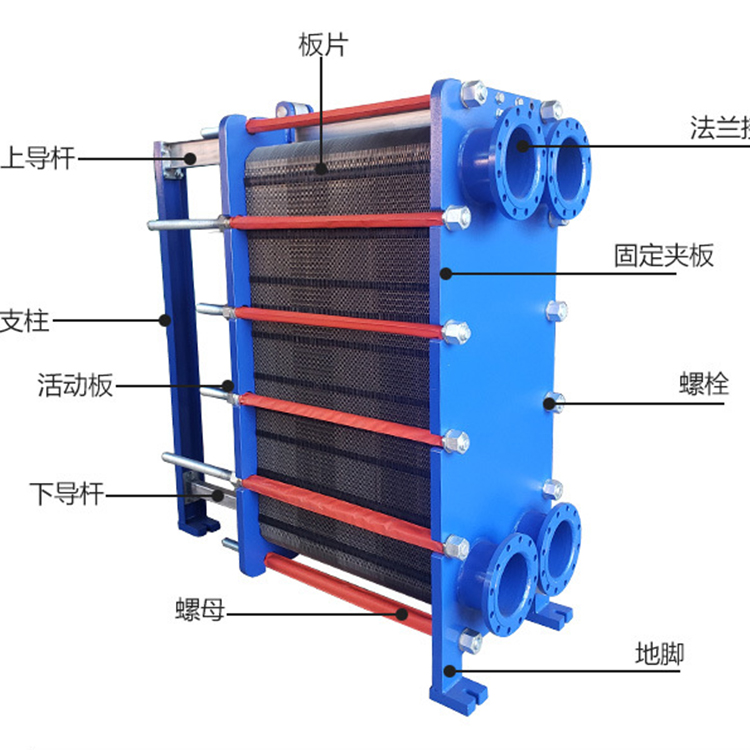
A detachable plate heat exchanger is composed of many stamped corrugated thin plates at certain intervals, sealed by gaskets on all sides, and overlapped and compressed by a frame and a clamping screw. The four corner holes of the plates and gaskets form the distribution and collection pipes for the fluid, while reasonably separating the hot and cold fluids, allowing them to flow in the flow channels on both sides of each plate and exchange heat through the plates. [3] The optimization design calculation of plate heat exchanger is to reasonably determine its model, process and heat transfer area under the condition of known temperature difference ratio NTUE, so that NTUp equals NTUE.

BR0.6 Plate Heat Exchanger Product Classification:
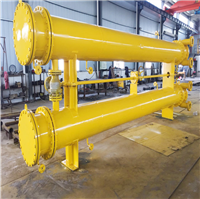
According to the amount of heat exchange area per unit space, plate heat exchangers belong to compact heat exchangers, mainly compared with shell and tube heat exchangers. Traditional shell and tube heat exchangers occupy a larger area.
According to the process application, there are different names: plate heater, plate cooler, plate condenser, plate preheater;
According to the process combination, it is divided into one-way plate heat exchangers and multi pass plate heat exchangers;
According to the flow direction of the two media, they are divided into co current plate heat exchangers, counter current plate heat exchangers, and cross current plate heat exchangers, with the latter two being more commonly used;
According to the gap size of the flow channel, it is divided into conventional gap plate heat exchangers and wide gap plate heat exchangers;
According to the corrugation, plate heat exchangers have more detailed distinctions and will not be repeated. Please refer to the corrugation form of plate heat exchangers. According to whether it is a complete set of products, it can be divided into single machine plate heat exchangers and plate heat exchanger units.
Common faults of BR0.6 plate heat exchanger:
External leakage mainly manifests as leakage (small amount, discontinuous water droplets) and leakage (large amount, continuous water droplets). The main areas where leakage occurs are the sealing between the plates, the leakage groove of the second sealing of the plates, and the inner side of the end plates and the compression plate. The main characteristic of liquid leakage is that the medium on the higher pressure side flows into the medium on the lower pressure side, resulting in abnormal pressure and temperature in the system. If the medium is corrosive, it may also cause corrosion of the sealing gasket of the plate heat exchanger. Liquid leakage usually occurs in the diversion area or the secondary sealing area. The pressure drop at the inlet and outlet of the medium exceeds the design requirements, and even exceeds the design value by many times, seriously affecting the system's requirements for flow rate and temperature. In the heating system, if the pressure drop on the hot side is too large, the primary side flow will be severely insufficient, that is, the heat source will be insufficient, resulting in the secondary side outlet temperature not meeting the requirements. The main characteristic of the heating temperature not meeting the requirements is that the outlet temperature is too low to meet the design requirements.

Application areas of BR0.6 plate heat exchanger:
Steel industry: cooling quenching oil, cooling electroplating fluid, cooling reducer lubricating oil, cooling rolling mill, drawing machine cooling fluid.
Metallurgical industry: heating and cooling of aluminate mother liquor, cooling of sodium aluminate, cooling of lubricating oil for aluminum refining mills.
Mechanical manufacturing industry: cooling of various quenching fluids, cooling of press machines, lubricating oil for industrial mother machines, and heating of engine oil. The food industry produces salt, dairy products, soy sauce, vinegar for sterilization and cooling, animal and vegetable oil for heating and cooling, beer and malt extract for heating and cooling in beer production, sugar production, gelatin concentration, sterilization and cooling, and produces monosodium glutamate.
Textile industry: various waste liquid heat recovery, cooling of boiling phosphating fibers, cooling of adhesive solution, cooling of acetic acid and acetic anhydride, cooling of alkaline aqueous solution, heating and cooling of adhesive fibers.
Paper industry: cooling black water, heating and cooling of bleaching salt and alkali solution, heat recovery of glass paper waste liquid, heating and cooking acid, cooling of hydrogen peroxide sodium solution, recovery of bleaching paper waste liquid, condensation of exhaust gas, preheating and concentration of pulp like waste liquid. Central heating thermal power plant waste heat area heating, heating domestic water, boiler area heating.


AfterSalesService :
Key words:- BR0.6 Plate Heat Exchanger
More Products