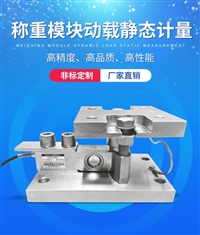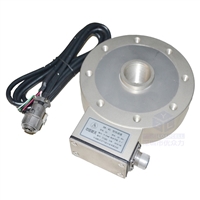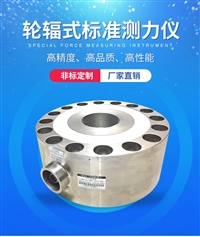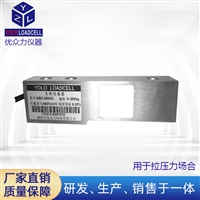

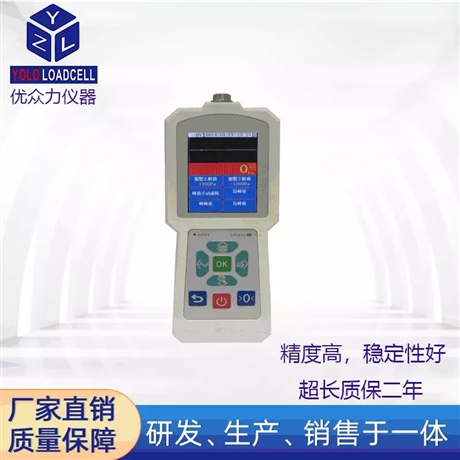

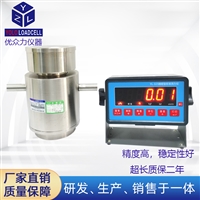
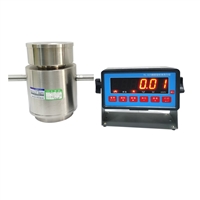


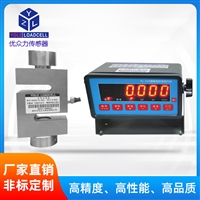
High precision handheld force measuring instrument 800kN plate type force sensor Youzhong mechanical force sensor
Category:
Instrumentation/Mechanical quantity instrument/Force measuring instrument
Model:
High precision handheld force measuring instrument 800kN plate type force sensor Youzhong mechanical
Brand:
Youzhongli
model:
High precision handheld force measuring instrument 800kN plate type force sensor Youzhong mechanical force sensor
Type of force measurement:
pull
display form:
Digital Display
type:
Digital force measuring instrument
measurement accuracy:
0.1 level 0.3 level
Scope of Application:
electrical
measurement range:
0-800kN
Processing & Customization:
No
weight:
one point four five
Place of Origin:
Shenzhen
manufacturer:
Shenzhen Youzhongli Technology Co., Ltd
Retail Price
120.00USD
重量
kg
- Product Description
-
model High precision handheld force measuring instrument 800kN plate type force sensor Youzhong mechanical force sensor
Type of force measurement pull
display form Digital Display
type Digital force measuring instrument
measurement accuracy 0.1 level 0.3 level
Scope of Application electrical
measurement range 0-800kN
Processing & Customization No
weight one point four five
Place of Origin Shenzhen
manufacturer Shenzhen Youzhongli Technology Co., Ltd
Description :
High precision handheld force measuring instrument 800kN plate type force sensor Youzhong Mechanical Force Sensor Detailed DescriptionThe difference between force sensors and weighing sensors is that force sensors are widely used in our industrial areas. Currently, many companies attach great importance to the installation of force sensors. While installing them, we,
I have a certain understanding of the application of force sensors, which can detect mechanical quantities such as tension, tension, pressure, weight, torque, internal stress, and strain. Specific devices include metal strain gauges, pressure sensors, etc., which have become indispensable core components in power equipment, engineering machinery, various working machines, and industrial automation systems.
What should be noted when using force sensors:
The use of force sensors is ubiquitous in modern technology and industry, as resistance strain type force sensors are robust, durable, and reliable electromechanical products. However, in order to ensure testing accuracy, there are still many issues to be aware of during use. So, what should be noted when using force sensors? Let's take a look with the editor below.
1. Some "barriers" should be set up around the force sensor as much as possible, and even thin metal plates should be used to cover the force sensor. This can prevent impurities from contaminating the force sensor and certain movable parts, which often cause discomfort in the movement of the movable parts and affect the weighing accuracy.
2. The force sensor should use hinged copper wire (with a cross-sectional area of about 50mm2) to form an electrical bypass to protect them from the hazards caused by welding current or lightning strikes. During the use of force sensors, it is necessary to avoid strong thermal radiation, especially on one side.
3. In terms of electrical connections (such as signal cables for force sensors, they should not be arranged in parallel with high-voltage power lines or control lines (for example, do not place the force sensor signal lines, high-voltage power lines, and control lines in the same pipeline). If they must be placed in parallel, the distance between them should be kept at least 50cm, and the signal lines should be covered with metal tubes.
4. Try to use structural components with automatic positioning (reset) function, such as spherical bearings, joint bearings, positioning fasteners, etc.
5. Handle with care, especially for small capacity sensors made of alloy aluminum elastomers. Any impact or drop may cause significant damage to their measuring performance.
Although force sensors have a certain overload capacity, they should still be prevented from overloading during the installation of the force measurement system.
The above is an introduction to what should be paid attention to when using force sensors, hoping to be helpful to everyone. If you have any other questions or concerns, please feel free to call us for consultation
Advantages of weighing sensors:
With the development of electronic and computer technology, the disadvantages of susceptibility to interference and distributed capacitance in weighing sensors have been continuously overcome. In addition, capacitive displacement sensors and integrated weighing sensors have been developed. Therefore, they have been widely used in non electric measurement and automatic detection, and can measure parameters such as pressure, displacement, speed, acceleration, A degree, thickness, liquid level, humidity, vibration, and composition. Weighing sensors have great development prospects.
(1) High impedance, low power, requiring very low input energy.
(2) It can obtain a large amount of variation, thus having a high signal-to-noise ratio and system stability.
(3) Fast dynamic response, operating frequency can reach several megahertz, thick contact measurement, and the measured object can be a conductor or a semiconductor.
(4) Simple structure, strong adaptability, can work in harsh environments such as high and low temperatures, strong radiation, etc., and has a wide range of applications.
The above is an introduction to the advantages of weighing sensors, hoping to be helpful to everyone. If you have any other questions or concerns, please feel free to call us for consultation.
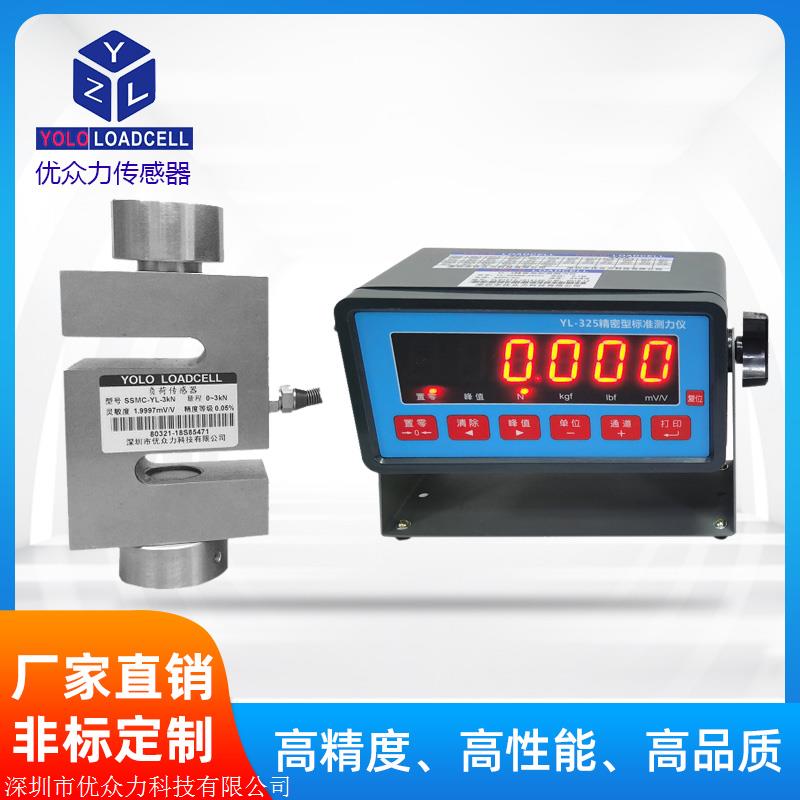
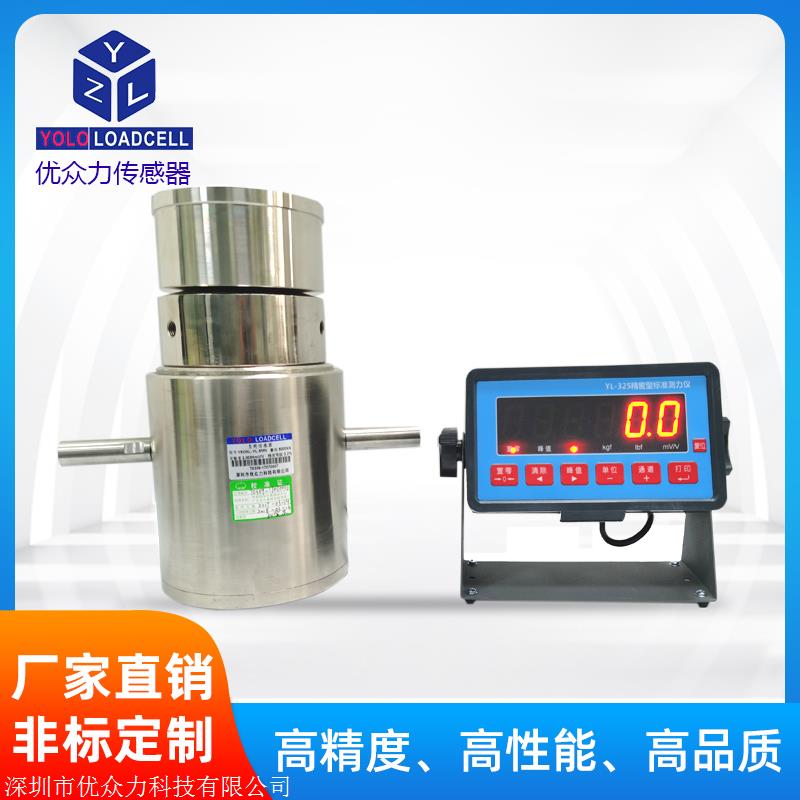
High precision handheld force measuring instrument 800kN plate type force sensor Youzhong Mechanical Force Sensor picture:



AfterSalesService :
Key words:- High precision handheld force measuring instrument