

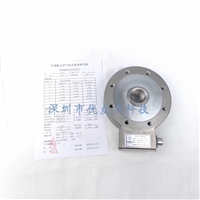
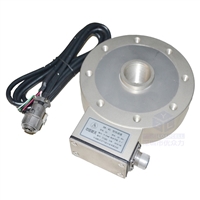
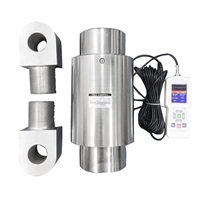
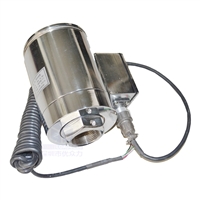
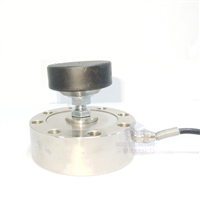
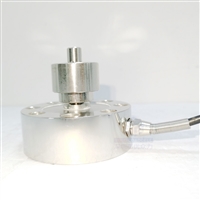
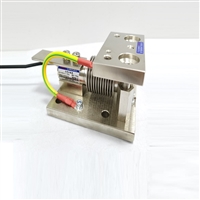
BK-4C-30t Automated Measurement and Control Sensor
Category:
electron/Sensors, sensitive components/force sensor
Model:
BK-4C-30t
Brand:
ALLEGRO
brand:
ALLEGRO
model:
BK-4C-30t
manufacturing process:
integration
output signal:
Simulated type
material:
metal
Physical properties of materials:
conductor
Material crystal structure:
single crystal
Is it imported:
No
Temperature compensation range:
-10-40
sensitivity:
two
Operating Temperature:
-30~70
input impedance:
four hundred
Output impedance:
three hundred and fifty
insulation resistance:
five thousand
insulation resistance:
five thousand
nonlinear:
zero point zero three
repetitiveness:
zero point zero three
hysteresis:
zero point zero two
Working Voltage:
9~12
quantity:
nine thousand nine hundred and ninety-nine
batch number:
-
Retail Price
180.00USD
重量
kg
- Product Description
-
brand ALLEGRO
model BK-4C-30t
manufacturing process integration
output signal Simulated type
material metal
Physical properties of materials conductor
Material crystal structure single crystal
Is it imported No
Temperature compensation range -10-40
sensitivity two
Operating Temperature -30~70
input impedance four hundred
Output impedance three hundred and fifty
insulation resistance five thousand
insulation resistance five thousand
nonlinear zero point zero three
repetitiveness zero point zero three
hysteresis zero point zero two
Working Voltage 9~12
quantity nine thousand nine hundred and ninety-nine
batch number -
Description :
Overview of BK-4C-30t Automated Measurement and Control Sensor Product:
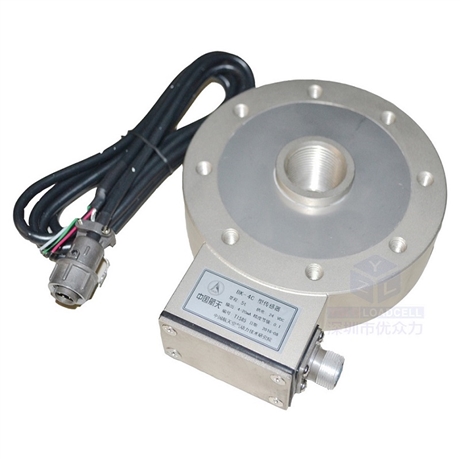
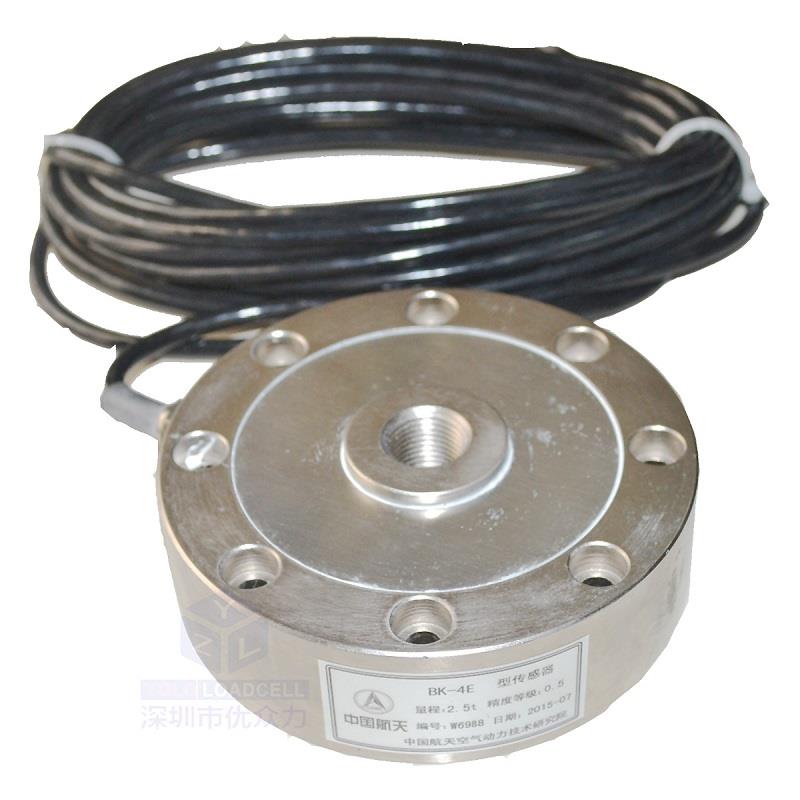
The elastomer is a spoke type, perforated, hard core flat membrane structure with a low external height, used for measuring tensile and compressive forces, and has strong resistance to deflection and lateral forces
High precision, good symmetry of tension and compression output, stable and reliable performance, wide range of measurement, easy installation and use
Tension compression bearing
Suitable for testing various load forces, various tensile and compressive tests, electronic scales, and industrial automation measurement and control systems
BK-4B-100kg、BK-4B-200kg、BK-4B-500kg、BK-4B-1t、BK-4B-1.5t、BK-4B-2t、
BK-4B-3t、BK-4B-5t、BK-4B-10t、
BK-4C-1t、BK-4C-2t、BK-4C-3t、BK-4C-5t、BK-4C-10t、BK-4C-15t、
BK-4C-20t、BK-4C-30t、BK-4C-40t、BK-4C-50t、BK-4C-100t、
BK-4C-200t、BK-4C-300t、BK-4C-400t、
BK-4C-30t Automated Measurement and Control Sensor Image




The reason for adding compensation circuit inside the weighing sensor is:
In the manufacturing process of weighing sensors, in order to improve their performance, especially temperature characteristics, it is generally necessary to add temperature compensation for zero point and sensitivity in the strain gauge circuit. In addition to strain gauges, various compensation resistors have also been added. Below, the editor will briefly introduce it to everyone.
The purpose of zero point compensation is to minimize the temperature variation of the bridge zero point. Therefore, in addition to compensating for the temperature of the strain gauges themselves, resistance elements with different temperature coefficients from the strain gauges in the bridge (such as copper resistors or nickel resistors) are added to enhance the compensation effect.
The purpose of sensitivity compensation is to reduce the variation of output voltage with temperature, that is, to compensate for the variation of elastic coefficient of the elastic body and sensitivity coefficient of the strain gauge with temperature. Therefore, two resistors with the same temperature compensation effect as the bridge were connected in series in the bridge. At the same time, other resistors in the circuit are used to adjust the initial balance, rated output, and input resistance parameters of the bridge to the specified values.
The above is an introduction to the reasons for adding compensation circuits inside the weighing sensor, hoping to be helpful to everyone. If you have any other questions or concerns, please feel free to call us for consultation
AfterSalesService :
Key words:- BK-4C-30t