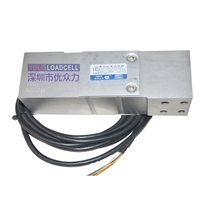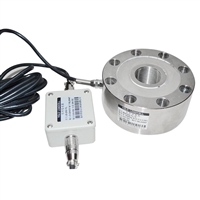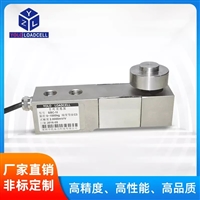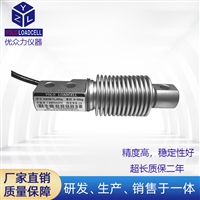


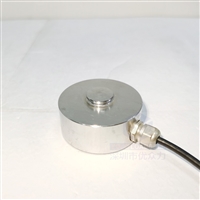

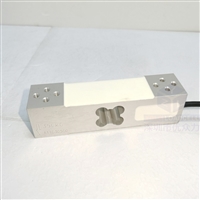

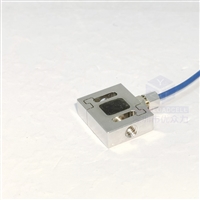


2kg high-precision microsensor 30kg tension and pressure weighing sensor with transmitter 4-20mA
Category:
electron/Sensors, sensitive components/force sensor
Model:
2kg high-precision microsensor 30kg tension and pressure weighing sensor with transmitter 4-20mA
Brand:
Youzhongli
model:
2kg high-precision microsensor 30kg tension and pressure weighing sensor with transmitter 4-20mA
manufacturing process:
integration
output signal:
Simulated type
material:
metal
Physical properties of materials:
conductor
Material crystal structure:
single crystal
Is it imported:
No
Temperature compensation range:
Room temperature~+60
sensitivity:
two
Operating Temperature:
-35~+80
input impedance:
three hundred and eighty
Output impedance:
four hundred
insulation resistance:
two thousand
insulation resistance:
two thousand
nonlinear:
zero point zero two
repetitiveness:
zero point zero one
hysteresis:
zero point zero two
Working Voltage:
10-12
quantity:
five hundred and forty
batch number:
-
Retail Price
30.00USD
重量
kg
- Product Description
-
model 2kg high-precision microsensor 30kg tension and pressure weighing sensor with transmitter 4-20mA
manufacturing process integration
output signal Simulated type
material metal
Physical properties of materials conductor
Material crystal structure single crystal
Is it imported No
Temperature compensation range Room temperature~+60
sensitivity two
Operating Temperature -35~+80
input impedance three hundred and eighty
Output impedance four hundred
insulation resistance two thousand
insulation resistance two thousand
nonlinear zero point zero two
repetitiveness zero point zero one
hysteresis zero point zero two
Working Voltage 10-12
quantity five hundred and forty
batch number -
Description :
2kg high-precision micro sensor 30kg tension and pressure weighing sensor with transmitter 4-20mA detailed explanation: Shenzhen Youzhongli Technology Co., Ltd. has built a team in the field of automation based on years of understanding and knowledge in the automation field, always adhering to the enterprise operation concept of "because, so convinced", providing customers with first-class pre-sales and after-sales technical services, and providing customers with first-class technologically advanced and stable products. We always adhere to the principles of independent innovation, quality-oriented, and scientific management, and always insist on providing perfect product and system solutions to meet customer needs to the fullest extent.

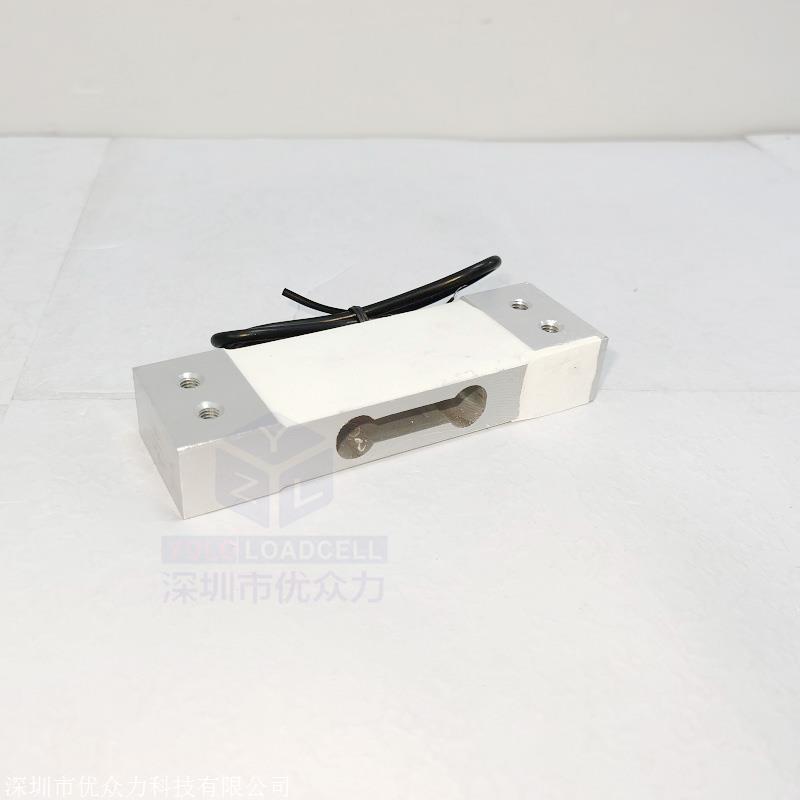
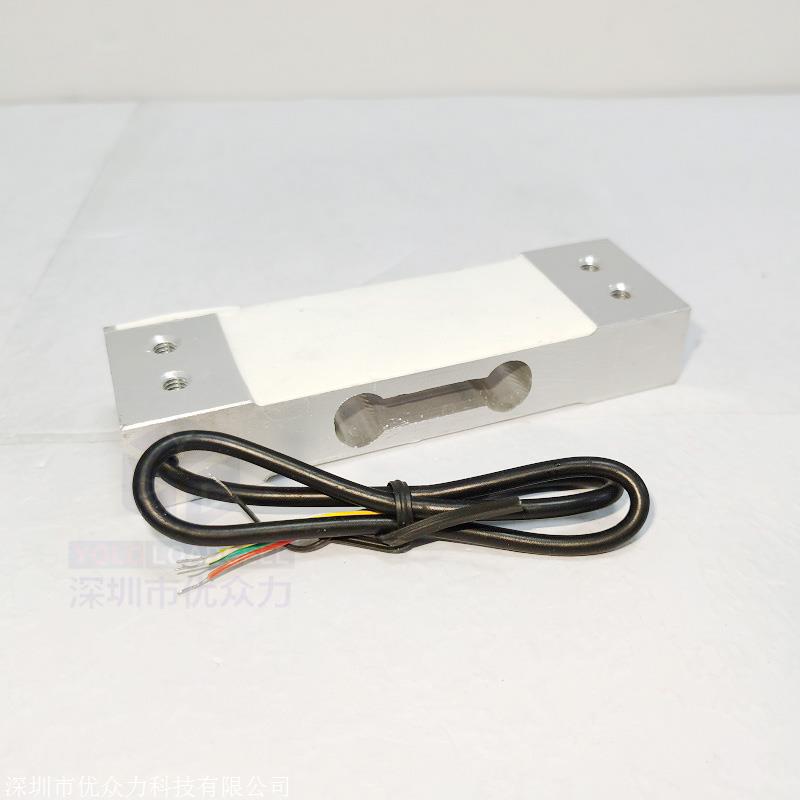


2kg high-precision microsensor 30kg tension and pressure weighing sensor with transmitter 4-20mA:
Rated output error: 10 ±% of rated output
Zero point balance: 3 ±% of rated output
Non line: 0.025 0.030 0.020 ±% of rated output
Lag: 0.025 0.030 0.020 ±% of rated output
Non repeatability: 0.020 ±% of rated output
Creep error (20 minutes) 0.030 0.030 0.017 ±% of rated output
Clock zero drift Zero return (20 minutes) 0.030 0.030 0.017 ±% of rated output
The effect of temperature on minimum load output: 0.0026 0.0026 0.014 ±% of rated output/° C
The effect of temperature on sensitivity: 0.0015 0.0015 0.008 ±% of applied load/° C
Temperature compensation range: -10 to+40 ° C
Working temperature range: -20 to+60 ° C
Load cell safety overload: 150% of R.C
Recommended excitation voltage: 5~12 Vdc or Vac rms
Excitation voltage: 18 Vdc or Vac rms
Input impedance: 406 ± 6 Ohms
Output impedance: 350 ± 3 Ohms
Insulation resistance:>5000 Mega Ohms
Protection level: IP65
What should be noted when using force sensors:
The use of force sensors is ubiquitous in modern technology and industry, as resistance strain type force sensors are robust, durable, and reliable electromechanical products. However, in order to ensure testing accuracy, there are still many issues to be aware of during use. So, what should be noted when using force sensors? Let's take a look with the editor below.
1. Some "barriers" should be set up around the force sensor as much as possible, and even thin metal plates should be used to cover the force sensor. This can prevent impurities from contaminating the force sensor and certain movable parts, which often cause discomfort in the movement of the movable parts and affect the weighing accuracy.
2. The force sensor should use hinged copper wire (with a cross-sectional area of about 50mm2) to form an electrical bypass to protect them from the hazards caused by welding current or lightning strikes. During the use of force sensors, it is necessary to avoid strong thermal radiation, especially on one side.
3. In terms of electrical connections (such as signal cables for force sensors, they should not be arranged in parallel with high-voltage power lines or control lines (for example, do not place the force sensor signal lines, high-voltage power lines, and control lines in the same pipeline). If they must be placed in parallel, the distance between them should be kept at least 50cm, and the signal lines should be covered with metal tubes.
AfterSalesService :
Key words:- 2kg high-precision microsensor
More Products