

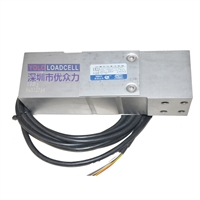
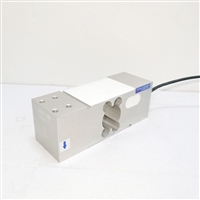
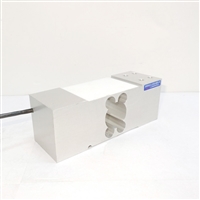
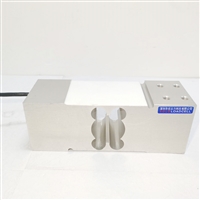
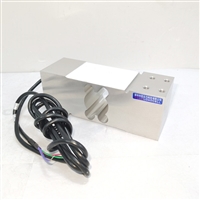

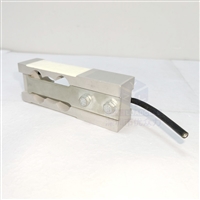
H6E-C3-100KG-2B-S1 Shaanxi Hanzhong Weighing Sensor
Category:
electron/Sensors, sensitive components/Pressure sensor
Model:
H6E-C3-100KG-2B-S1
Brand:
Youzhongli
model:
H6E-C3-100KG-2B-S1
output signal:
Simulated type
Physical properties of materials:
semiconductor
Material crystal structure:
single crystal
material:
ceramics
pressure type:
Negative pressure sensor
Processing & Customization:
No
margin of error:
0.003%F.S
accuracy:
C3
Operating Temperature:
-30~+70
insulation resistance:
5000M
load impedance:
5000M
permitted Overload :
two hundred
sensitivity:
2.0±0.003
linearity:
zero point two
Is it imported:
No
quantity:
one hundred and forty
Retail Price
230.00USD
重量
kg
- Product Description
-
model H6E-C3-100KG-2B-S1
output signal Simulated type
Physical properties of materials semiconductor
Material crystal structure single crystal
material ceramics
pressure type Negative pressure sensor
Processing & Customization No
margin of error 0.003%F.S
accuracy C3
Operating Temperature -30~+70
insulation resistance 5000M
load impedance 5000M
permitted Overload two hundred
sensitivity 2.0±0.003
linearity zero point two
Is it imported No
quantity one hundred and forty
Description :
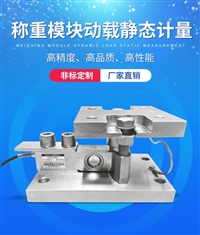
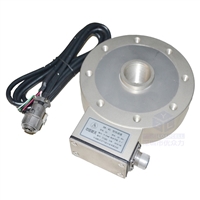
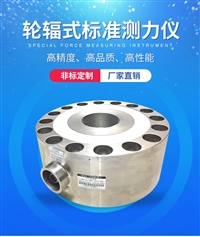
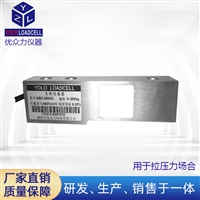
H6E-C3-100KG-2B-S1 Shaanxi Hanzhong Weighing Sensor Detailed Description: The company mainly produces and sells weighing sensors and force sensors. Various customized non-standard sensors, large tonnage force sensors, column type load sensors with a large range of 10 to 2000 tons, spoke type load sensors with a tensile and compressive force of 1 to 1000 tons, cylinder type load sensors with a tensile and compressive force of 100 to 500 tons, matched with high-precision standard force measuring instruments, and specialized digital displays for force measurement with 1 to 20 channels. Welcome to inquire by phone

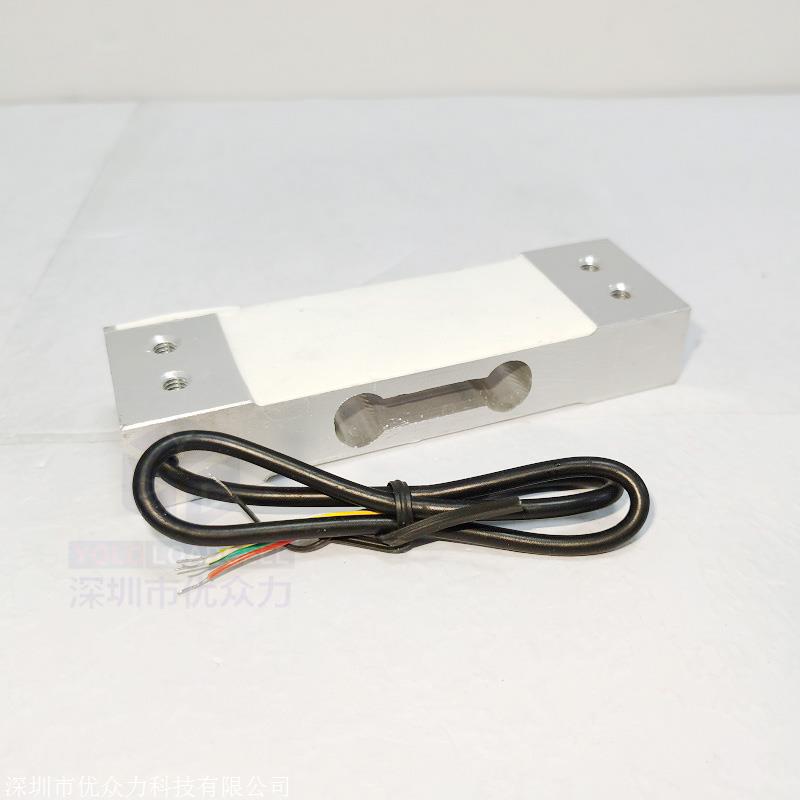

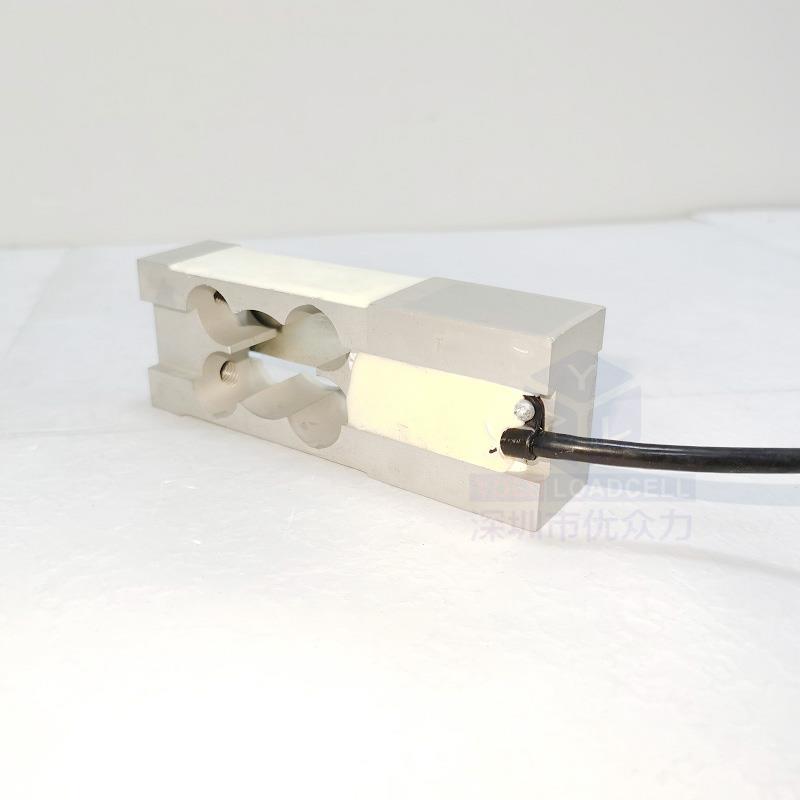


H6E-C3-100KG-2B-S1 Shaanxi Hanzhong Weighing Sensor:
A weighing sensor is actually a device that converts a mass signal into a measurable electrical signal output. When using sensors, it is important to consider the actual working environment in which the sensor is located. This is crucial for the correct selection of weighing sensors, as it affects whether the sensor can work properly, its safety and service life, and even the reliability and safety of the entire weighing apparatus. [1] There are qualitative differences between the new and old national standards in the basic concepts and evaluation methods of the main technical indicators of weighing sensors.
Traditionally, load sensors are a collective term for weighing sensors and force sensors, and their metrological characteristics are evaluated using a single parameter. The old national standard combines the two types of sensors, "weighing" and "force measuring", which have completely different application objects and environmental conditions, without distinguishing between testing and evaluation methods. The old national standard has a total of 21 indicators, all of which are tested at room temperature; And the accuracy level of the weighing sensor is determined by using the errors in six indicators: nonlinearity, hysteresis error, repeatability error, creep, zero temperature additional error, and rated output temperature additional error, represented as 0.02, 0.03, 0.05... 1.0, respectively.
A force sensor used on a weighing apparatus. It can convert the gravity acting on the measured object into a measurable output signal in a certain proportion. Considering the influence of gravity acceleration and air buoyancy on conversion in different usage locations, the performance indicators of weighing sensors mainly include linear error, hysteresis error, repeatability error, creep, zero temperature characteristics, and sensitivity temperature characteristics. In various weighing instruments and quality measurement systems, the comprehensive error is usually used to control the accuracy of the sensor, and the comprehensive error band is linked to the weighing instrument error band in order to select the weighing sensor corresponding to a certain accuracy weighing instrument. The International Organization for Legal Metrology (OIML) stipulates that the error band δ of sensors accounts for 70% of the error band Δ of weighing instruments. The sum of linear error, hysteresis error, and error caused by the influence of temperature on sensitivity within the specified temperature range of weighing sensors cannot exceed the error band δ. This allows manufacturers to adjust the various components that make up the total measurement error in order to achieve the desired accuracy.
[2] Weighing sensors can be classified into 8 types based on conversion methods, including photoelectric, hydraulic, electromagnetic, capacitive, magnetic pole transformation, vibration, gyroscope, and cathode strain gauges. Among them, resistance strain gauges are widely used.
Shenzhen Youzhongli Technology Co., Ltd. adheres to the business philosophy of "specializing in sensors and doing well in sensors", supplying various weighing sensors and ingredient control systems to provide you with cost-effective products;
The company has hundreds of models of various weighing sensors and force sensors, various intelligent application instruments and systems, as well as various overload protection devices for lifting machinery. The product is widely used in fields such as chemical engineering, mining, oil fields, automobiles, lifting machinery, construction, building materials, mechanical processing, thermal power, and transportation.
The company can also design special non-standard sensors according to the specific requirements of users to meet their special needs.
AfterSalesService :
Key words:- H6E-C3-100KG-2B-S1