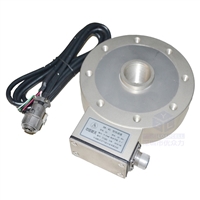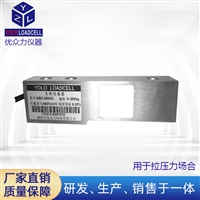

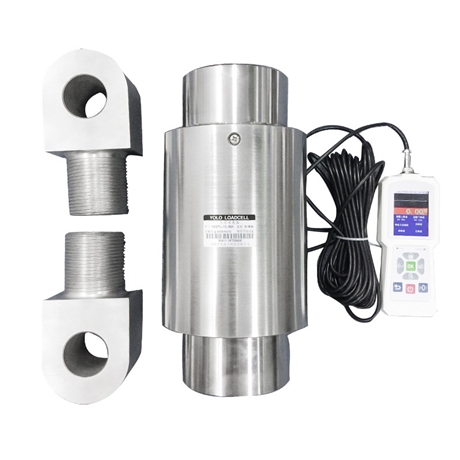

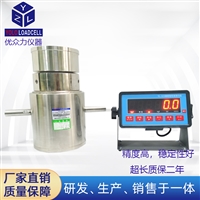
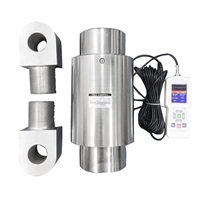
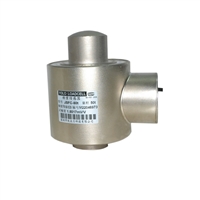
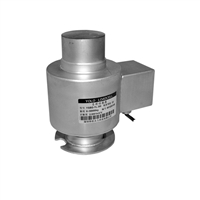
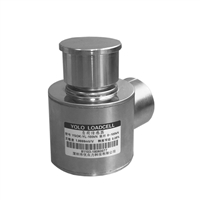
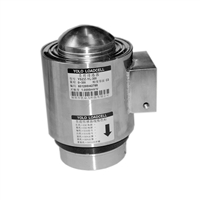
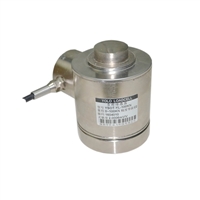
BM14G-C3-10T-15B-SC column load sensor BM14G stainless steel weighing sensor
Category:
electron/Sensors, sensitive components/force sensor
Model:
BM14G-C3-10T-15B-SC
Brand:
Youzhongli
model:
BM14G-C3-10T-15B-SC
manufacturing process:
integration
output signal:
Simulated type
material:
metal
Physical properties of materials:
conductor
Material crystal structure:
single crystal
Is it imported:
No
Temperature compensation range:
-10-40
sensitivity:
two
Operating Temperature:
-30~70
input impedance:
four hundred
Output impedance:
three hundred and fifty
insulation resistance:
five thousand
insulation resistance:
five thousand
nonlinear:
zero point zero three
repetitiveness:
zero point zero three
hysteresis:
zero point zero two
Working Voltage:
9~12
quantity:
nine thousand nine hundred and ninety-nine
batch number:
-
Retail Price
180.00USD
重量
kg
- Product Description
-
model BM14G-C3-10T-15B-SC
manufacturing process integration
output signal Simulated type
material metal
Physical properties of materials conductor
Material crystal structure single crystal
Is it imported No
Temperature compensation range -10-40
sensitivity two
Operating Temperature -30~70
input impedance four hundred
Output impedance three hundred and fifty
insulation resistance five thousand
insulation resistance five thousand
nonlinear zero point zero three
repetitiveness zero point zero three
hysteresis zero point zero two
Working Voltage 9~12
quantity nine thousand nine hundred and ninety-nine
batch number -
Description :
BM14G-C3-10T-15B-SC column load sensor BM14G stainless steel weighing sensor detailed description: ZEMIC Weighing Systems, a diversified modern weighing instrument industry listed high-tech enterprise company, mainly develops electrical measurement products such as resistance strain gauges, strain gauges, weighing instruments and software, airborne and ground force measurement systems, motor vehicle safety detection equipment, and highway overload detection equipment and systems.
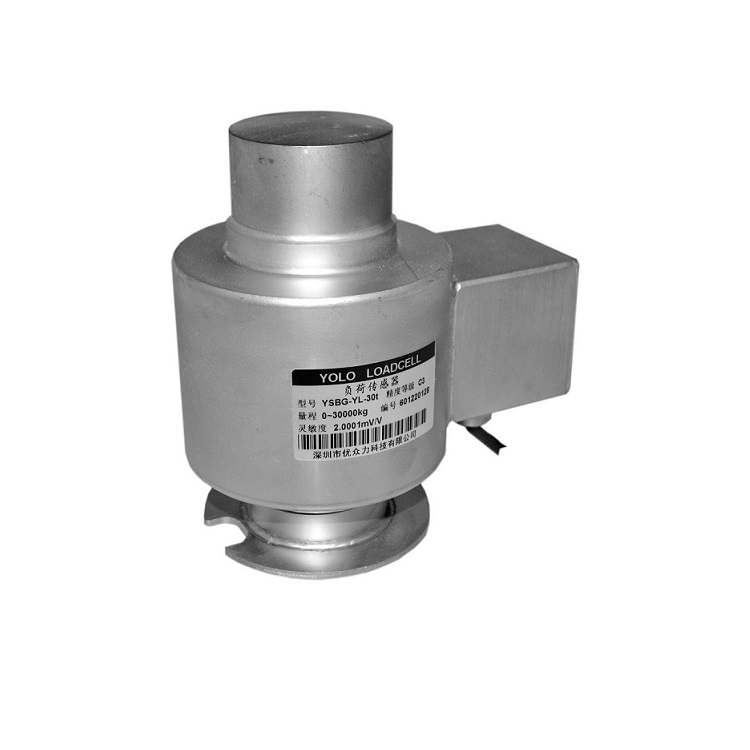
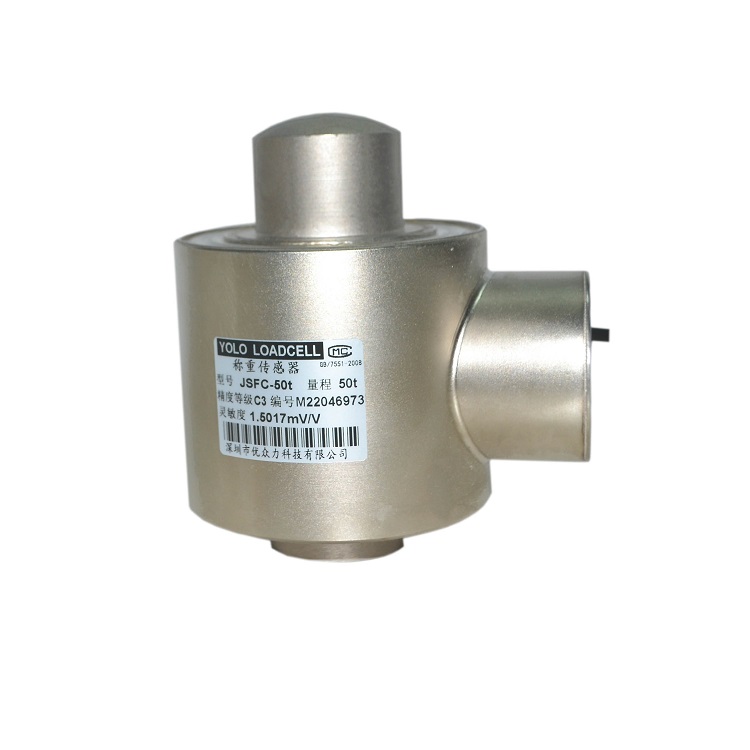
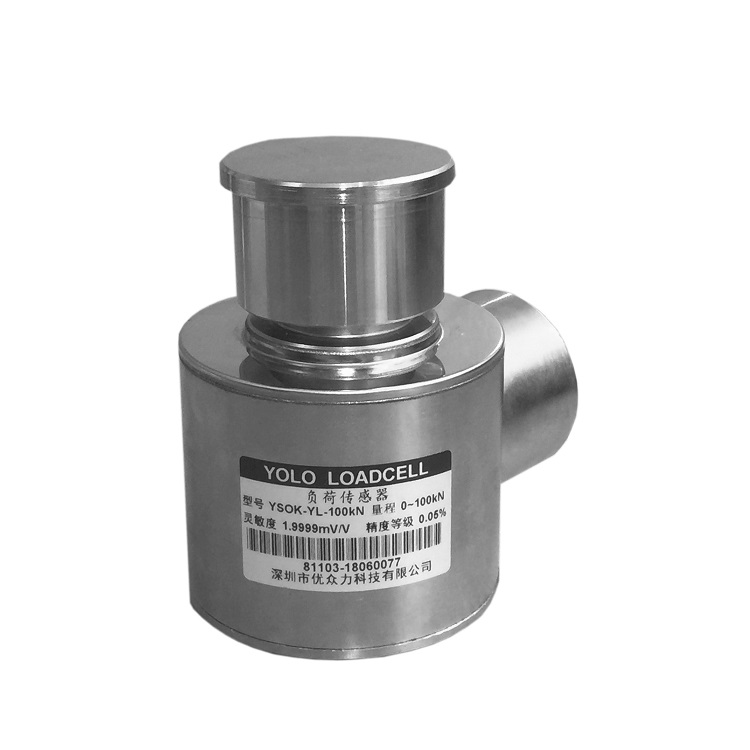
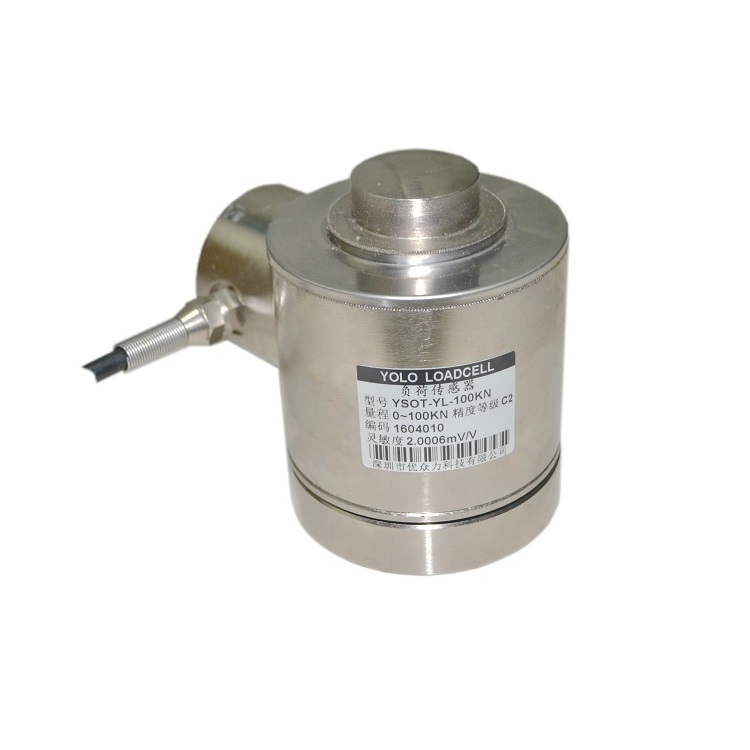
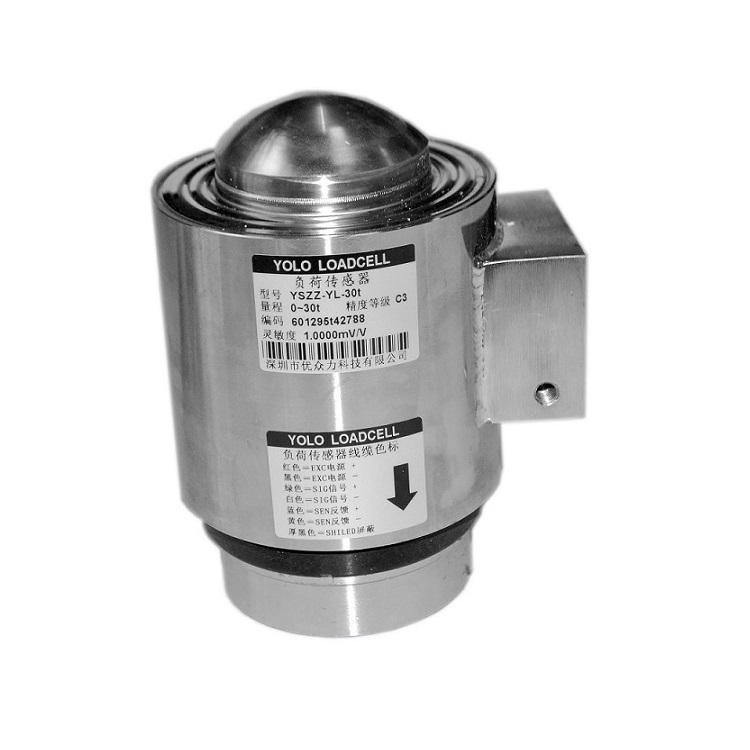
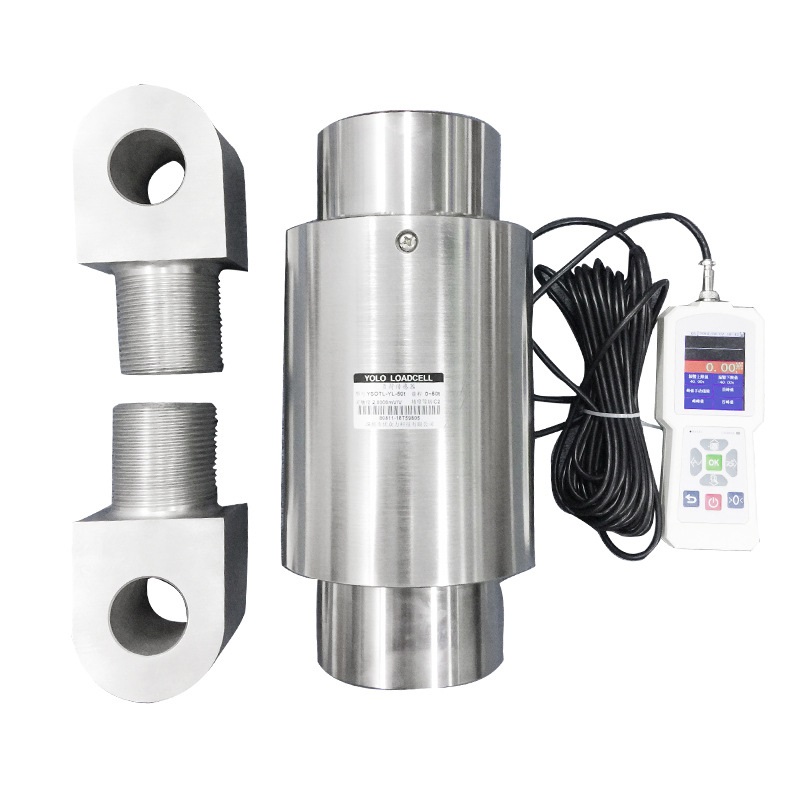
BM14G-C3-10T-15B-SC column load sensor BM14G stainless steel weighing sensor
It can meet the measurement range of 10t to 50t.
Stainless steel material, fully sealed welding, resistant to oil, water, and general corrosive gases and media, lightning protection up to 10000 volts/suitable for various environments.
Column structure design, capable of automatic reset/suitable for various electronic weighing equipment such as electronic platform scales, steam inspection lines, hopper scales, etc. feature
Range: 10t~50t
high precision
stainless steel material
Easy to install, with good performance
Stainless steel material, single column structure, welded seal, pressure bearing.
Protection level IP68
Lightning protection can reach 10000 volts/suitable for various electronic weighing equipment such as truck scales, platform scales, hopper scales, etc.
BM14G:10t~50t
BM14G-C3-10T-15B-SC,BM14G-C3-20T-15B-SC,BM14G-C3-30T-15B-SC,BM14G-C3-40T-15B-SC,BM14G-C3-50T-15B-SC
HM14C:10t~50t
HM14C-C3-10t-13B6,HM14C-C3-20t-13B6,HM14C-C3-25t-13B6,HM14C-C3-30t-13B6,HM14C-C3-50t-13B6
The reason for adding compensation circuit inside the weighing sensor is:
In the manufacturing process of weighing sensors, in order to improve their performance, especially temperature characteristics, it is generally necessary to add temperature compensation for zero point and sensitivity in the strain gauge circuit. In addition to strain gauges, various compensation resistors have also been added. Below, the editor will briefly introduce it to everyone.
The purpose of zero point compensation is to minimize the temperature variation of the bridge zero point. Therefore, in addition to compensating for the temperature of the strain gauges themselves, resistance elements with different temperature coefficients from the strain gauges in the bridge (such as copper resistors or nickel resistors) are added to enhance the compensation effect.
The purpose of sensitivity compensation is to reduce the variation of output voltage with temperature, that is, to compensate for the variation of elastic coefficient of the elastic body and sensitivity coefficient of the strain gauge with temperature. Therefore, two resistors with the same temperature compensation effect as the bridge were connected in series in the bridge. At the same time, other resistors in the circuit are used to adjust the initial balance, rated output, and input resistance parameters of the bridge to the specified values.
The above is an introduction to the reasons for adding compensation circuits inside the weighing sensor, hoping to be helpful to everyone. If you have any other questions or concerns, please feel free to call us for consultation
AfterSalesService :
Key words:- BM14G-C3-10T-15B-SC