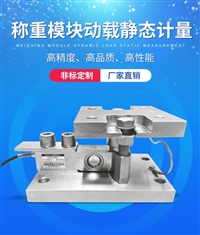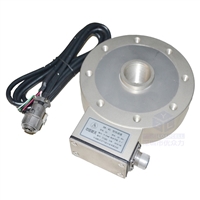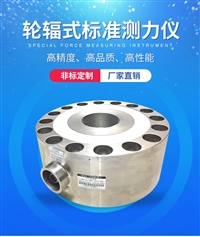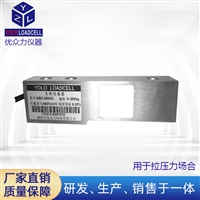


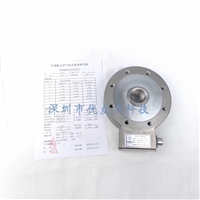

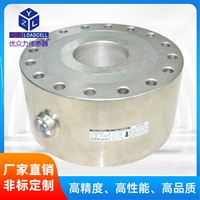
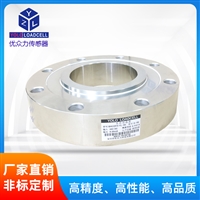
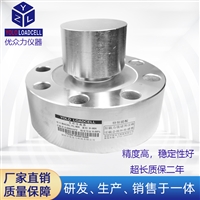
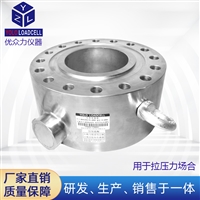
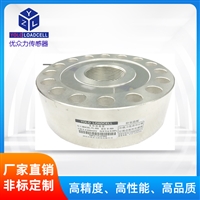
BK-4C-400T press force sensor, liquid tank weighing sensor, 400t
Category:
electron/Sensors, sensitive components/force sensor
Model:
BK-4C-400T
Brand:
Youzhongli
Retail Price
420.00USD
重量
kg
- Product Description
-
Description :
BK-4C-400T press force sensor liquid tank weighing sensor 400t detailed description: The company mainly produces and sells weighing sensors and force sensors. Various customized non-standard sensors, large tonnage force sensors, column type load sensors with a large range of 10 to 2000 tons, spoke type load sensors with a tensile and compressive force of 1 to 1000 tons, cylinder type load sensors with a tensile and compressive force of 100 to 500 tons, matched with high-precision standard force measuring instruments, and specialized digital displays for force measurement with 1 to 20 channels. Welcome to inquire by phone


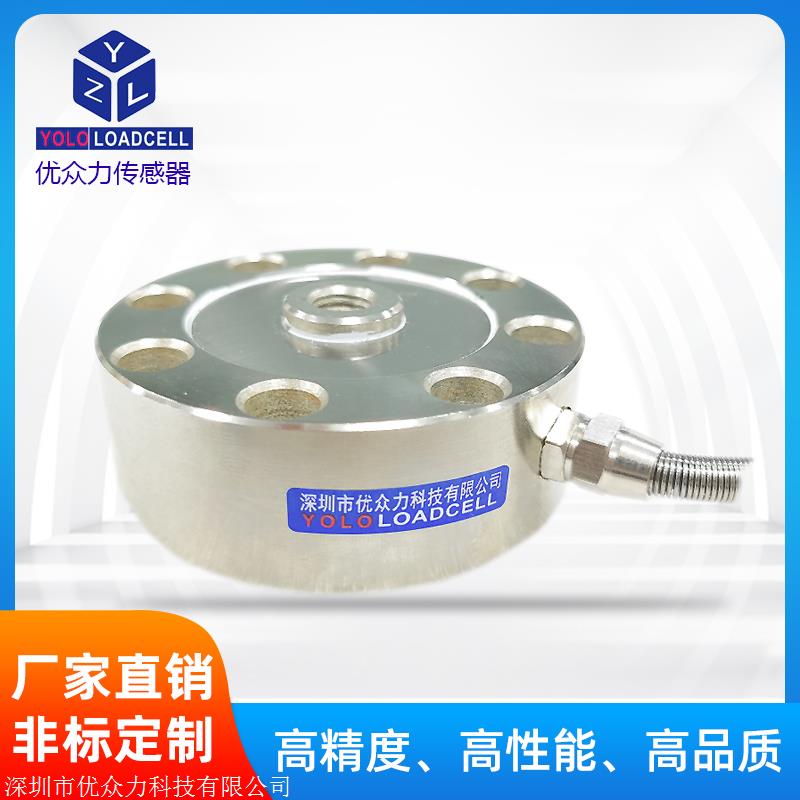
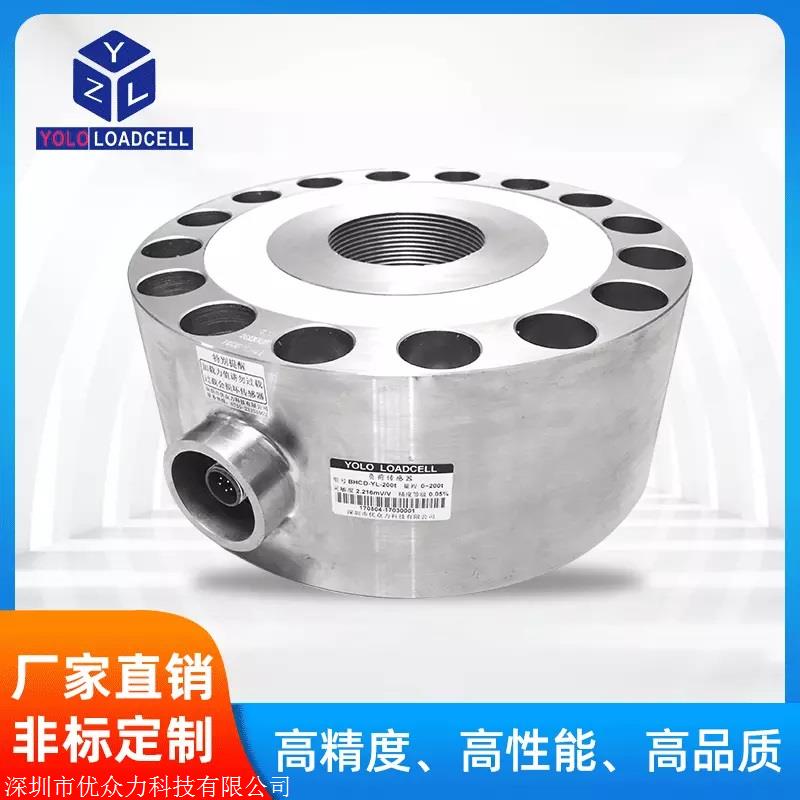

BK-4C-400T press force sensor liquid tank weighing sensor 400t:
Principle of spoke sensor
Due to its shape resembling a wheel with spokes, we call it a spoke type sensor. Due to its low height, it is also known as a low profile sensor. The outstanding advantages of this type of sensor include low height, high accuracy, good linearity, strong resistance to eccentric loads and lateral forces. It can be used to measure both pressure and tension, making it particularly suitable for weighing and force measurement.
Main principles for the structural design of spoke sensors
It has good rigidity. In order to maintain the stable working state of the sensor and reduce the influence of external vibration interference, the elastic displacement of the elastic body under load should be reduced as much as possible, so that it has a higher natural frequency.
There should be a simple and reasonable overall structure. The elastomer should be as a whole as possible, avoiding modular structures. Reduce the impact of factors such as loose fasteners and welding deformations.
Selection of Accuracy
Accuracy is an important performance indicator of sensors, which is a crucial link related to the measurement accuracy of the entire measurement system. The higher the accuracy of the sensor, the more expensive its price is. Therefore, the accuracy of the sensor only needs to meet the accuracy requirements of the entire measurement system, and there is no need to choose it too high. In this way, cheaper and simpler sensors can be selected among many sensors that meet the same measurement purpose. If the measurement purpose is qualitative analysis, sensors with high repeatability accuracy should be selected, and sensors with high measurement accuracy should not be used; If it is necessary to obtain measurement values for quantitative analysis, sensors with accuracy levels that meet the requirements should be selected.
Accuracy selection meets the following two conditions:
1. Meet the accuracy requirements of the entire electronic scale. An electronic scale is mainly composed of three parts: the scale body, sensors, and instruments. When selecting the accuracy of the sensors, the accuracy of the sensors should be slightly higher than the theoretical calculated value.
2. Meet the requirements for instrument input. The output signal of the sensor must be greater than or equal to the input signal required by the instrument.
AfterSalesService :
Key words:- BK-4C-400T