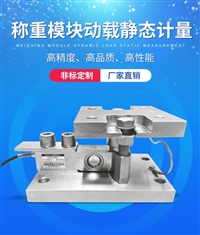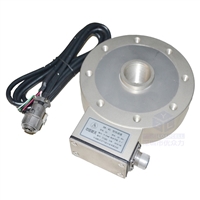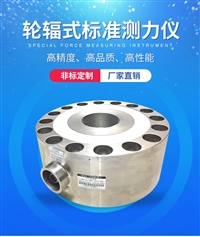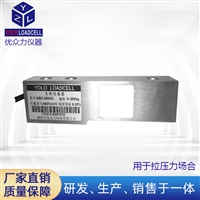


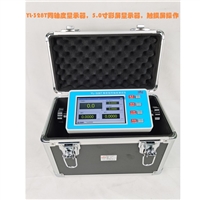
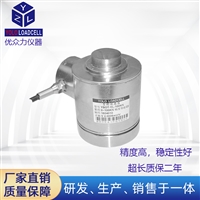
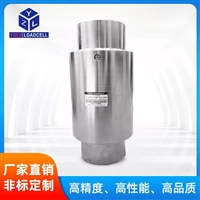
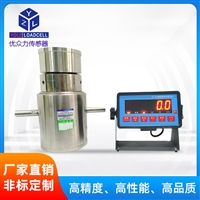
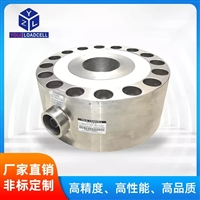

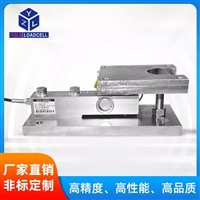
10t column type force sensor, 100kN standard force measuring instrument, 20 ton reaction kettle weighing module from the Metrology Institute
Category:
electron/Sensors, sensitive components/force sensor
Model:
10t column type force sensor, 100kN standard force measuring instrument, 20 ton reaction kettle weig
Brand:
Youzhongli
Retail Price
30.00USD
重量
kg
- Product Description
-
Description :
10t column type force sensor, 100kN standard force measuring instrument, 20 ton reaction kettle weighing module from the Metrology InstituteJJF1469-2014 (Calibration Specification for Strain Gauge Sensor Measuring Instruments), JJG144-2007 (Verification Regulations for Standard Force Measuring Instruments),
JJG557-2011 (Standard Torque Meter Verification Regulations), JJG391-2009 (Load Sensor Verification Regulations),
OIML-R60 (GUO International Legal Metrology Organization Technical Standard for Weighing Sensors)
The NIM-ZY-LS-CL-035 standard load measuring instrument testing/calibration rules, registered with the China Institute of Metrology, are the preliminary technical standards based on which the current dynamometer indicator instrument testing/calibration is carried out. They have been replaced by the JJF1469-2014 standard.
The elastic body of the force sensor is a double hole or shear S-beam structure, which is compact and used for measuring tensile and compressive forces, with strong resistance to directional forces. High precision, good symmetry of tension and compression output, stable and reliable performance, wide range of measurement, easy installation and use, suitable for various tension and compression tests, electronic scales, and industrial automation measurement and control systems
Sensors are widely used in current industrial production as the basis for displaying information on the operating status of mechanical equipment, allowing management personnel to timely understand the operating status of the equipment and providing guidance for personnel's equipment control decisions. In recent years, with the advancement of science and technology, sensors have undergone significant changes in product and parameter design. Since the 20th century, developed countries abroad have begun to implement prototype free production mode, which is also the beginning of the application of sensor technology in industrial production. Currently, this technology has already penetrated into various industries in society
Sensors should use hinged copper wires (with a cross-sectional area of approximately 50mm2) to form an electrical bypass to protect them from the hazards caused by welding currents or lightning strikes. During the use of sensors, it is necessary to avoid strong thermal radiation, especially on one side.
Try to use structural components with automatic positioning (reset) function, such as ball bearings, joint bearings, positioning fasteners, etc. They can prevent certain lateral forces from acting on the sensor. It should be noted that some lateral forces are not caused by mechanical installation, such as lateral forces caused by thermal expansion, lateral forces caused by wind, and lateral forces caused by vibration of agitators on certain container scales, which are not caused by mechanical installation. Some accessories on certain scales must be connected to the scale body (such as the feeding pipeline of container scales). We should make them as soft as possible in the direction of the sensor loading spindle to prevent them from "eating" the true load of the sensor and causing errors.
Handle with care, especially for small capacity sensors made of alloy aluminum elastomers. Any impact or drop may cause significant damage to their measuring performance. For high-capacity weighing sensors, they generally have a large self weight, so it is required to use appropriate lifting equipment (such as chain hoists, electric hoists, etc.) as much as possible during transportation and installation. The mounting surface of the sensor base should be flat, clean, and free of any oil film, adhesive film, etc. The installation base itself should have sufficient strength and rigidity, generally requiring higher strength and rigidity than the sensor itself.
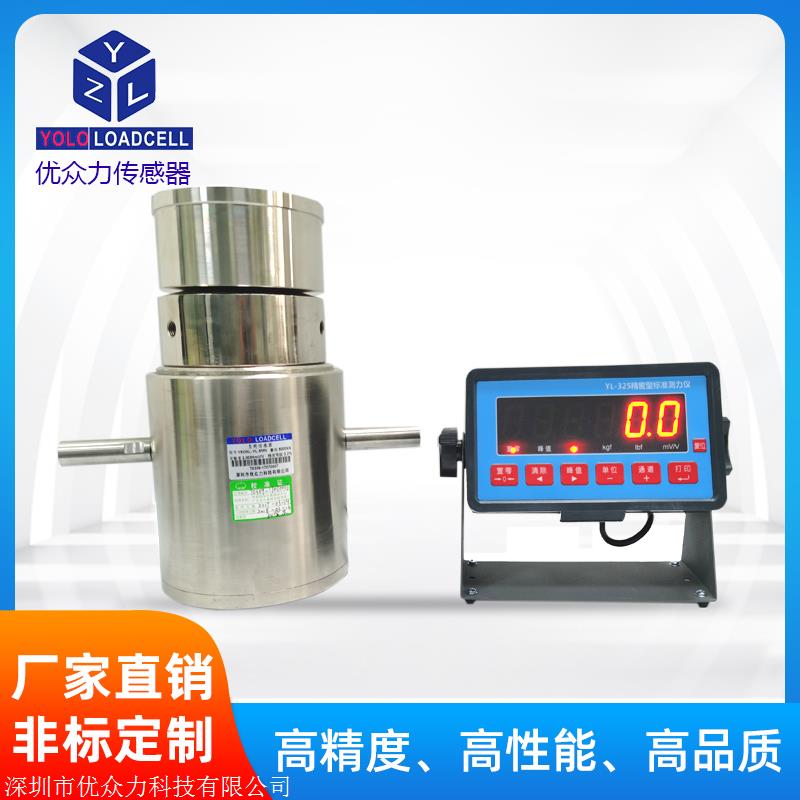
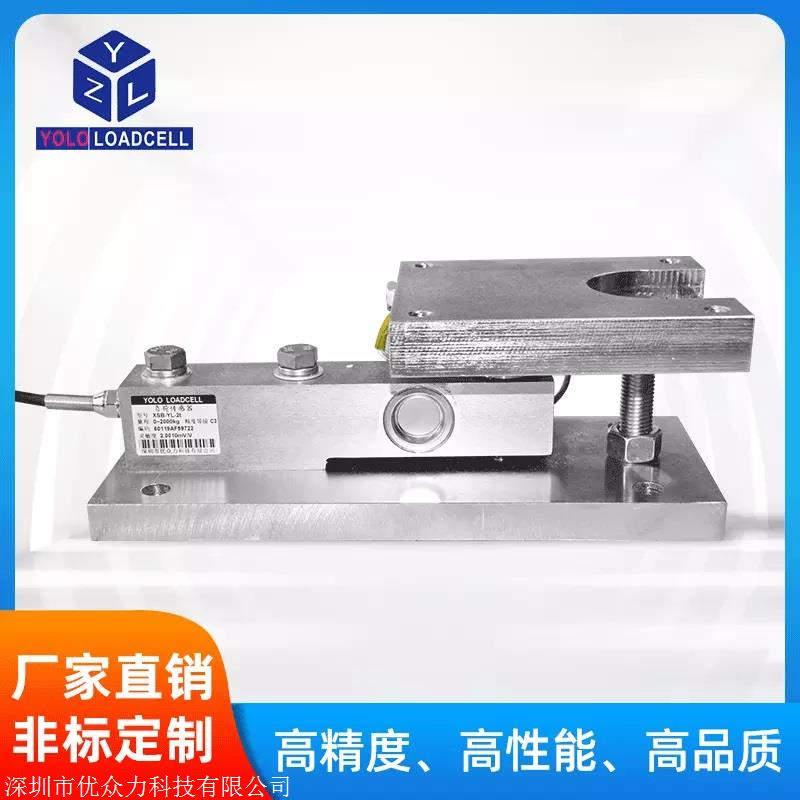
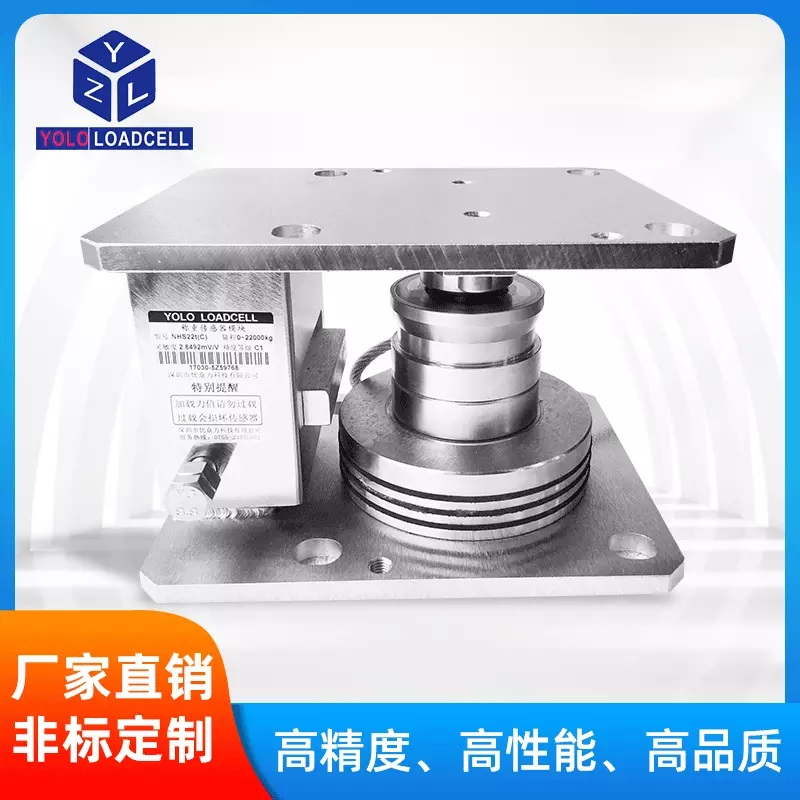
10t column type force sensor, 100kN standard force measuring instrument, 20 ton reaction kettle weighing module picture from the Metrology Institute:


AfterSalesService :
Key words:- 10t column type force sensor