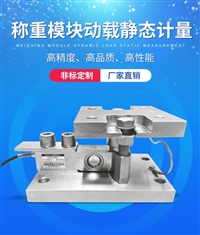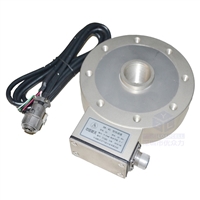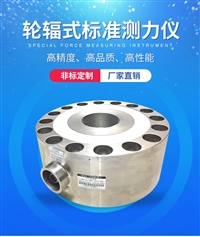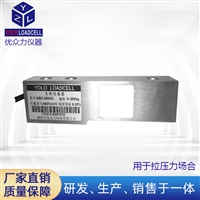




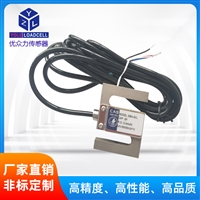
S-type force sensor 50kN H3-C3-5.0T-6B hook scale sensor price discount
Category:
electron/Sensors, sensitive components/Pressure sensor
Model:
H3-C3-5.0T-6B
Brand:
Youzhongli
Retail Price
180.00USD
重量
kg
- Product Description
-
Description :
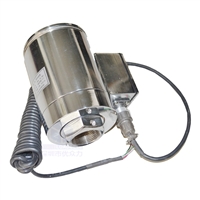
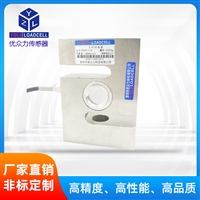
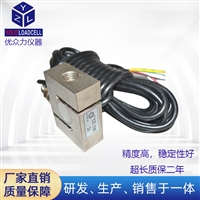
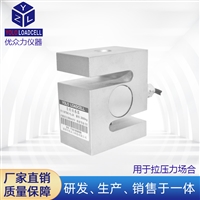
S-type force sensor 50kN H3-C3-5.0T-6B hook scale sensor price discount picture:


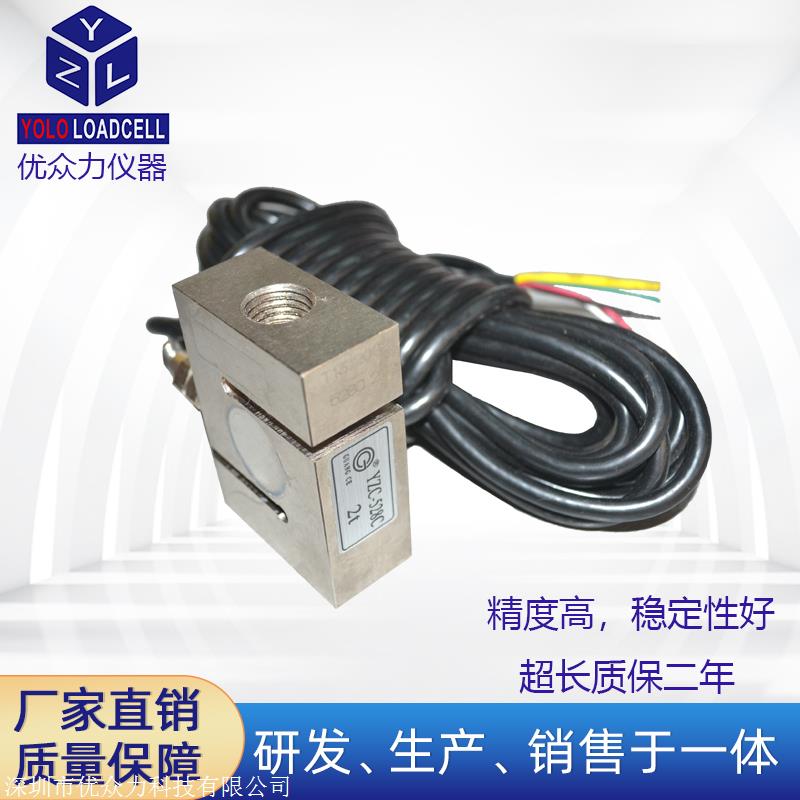
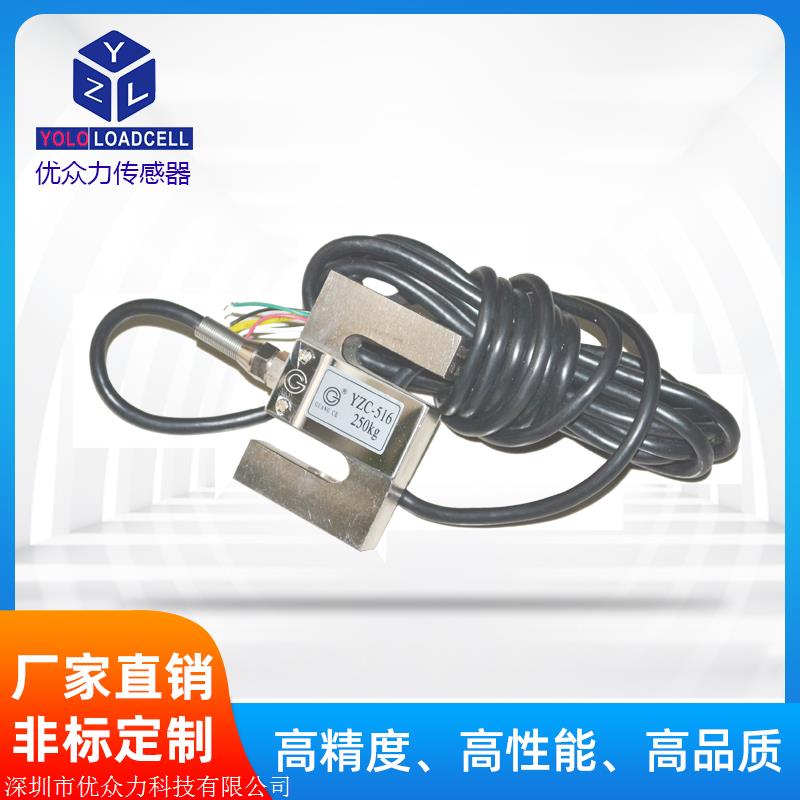

S-type force sensor 50kN H3-C3-5.0T-6B hook scale sensor price discount detailed explanation:
The weighing sensor:
There are many factors to consider when selecting a weighing sensor, and in actual use, we mainly consider the following factors. The range of the weighing sensor depends on your purpose. The selection of the range of the weighing sensor can be determined based on the maximum weighing value of the scale, the number of sensors selected, the weight of the scale body, the maximum possible bias load, and the comprehensive evaluation of dynamic load factors. Generally speaking, the closer the range of a sensor is to the load assigned to each sensor, the higher the accuracy of its weighing. However, in practical use, due to the presence of loads on the sensor, in addition to the object being weighed, there are also loads such as the weight of the scale body, tare weight, offset load, and vibration impact. Therefore, when selecting a sensor, various factors should be considered to ensure its safety and lifespan. Secondly, the accuracy level of weighing sensors includes technical indicators such as nonlinearity, creep, repeatability, hysteresis, sensitivity, etc. When selecting, one should not blindly pursue high-grade sensors, but should consider the accuracy level and cost of electronic scales. In general, the root mean square value of the sum of the three indicators of nonlinearity, non repeatability, and hysteresis for selecting sensors is slightly higher than the accuracy of the scale. The choice of weighing sensor form mainly depends on the type of weighing and installation space, ensuring appropriate installation and safe and reliable weighing; On the other hand, we need to consider the manufacturer's suggestions. For sensor manufacturers, it generally specifies the force conditions, performance indicators, installation form, structural form, and material of the elastic body of the sensor.
The principle of a weighing sensor is to convert the gravity on the measured object into a measurable output signal in a certain proportion. Considering the impact of gravity acceleration and air buoyancy on conversion in different usage locations, the performance indicators of weighing sensors mainly include linear error, hysteresis error, repeatability error, creep, zero temperature characteristics, and sensitivity temperature characteristics. In various weighing instruments and quality measurement systems.
Usually, the comprehensive error is used to bring about the accuracy of the comprehensive control sensor, and the comprehensive error band is linked to the weighing instrument error band in order to select the weighing sensor corresponding to a certain accuracy weighing instrument. The International Organization for Legal Metrology (OIML) stipulates that the error band of sensors accounts for 70% of the error band of weighing instruments. The total sum of linear errors, hysteresis errors, and errors caused by the influence of temperature on sensitivity within the specified temperature range of weighing sensors cannot exceed the error band. This allows sensor manufacturers to adjust the various components that make up the total measurement error, thus achieving the desired accuracy.
The principle of the shear beam weighing sensor is that after the elastic body is subjected to force, it needs to measure not only its normal stress, but also the shear stress caused by the shear force. However, the shear stress itself cannot be measured. It can only occur from the principal stress perpendicular to the central axis of the I-beam at a 45 "angle, that is, from the tensile stress and compressive stress caused by the shear stress. Therefore, four strain gauges are attached to both sides of the web plate of the I-beam at a 45" angle perpendicular to the central axis.
AfterSalesService :
Key words:- S-type force sensor 50kN