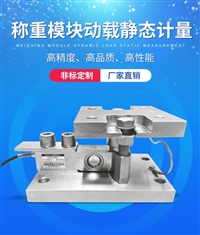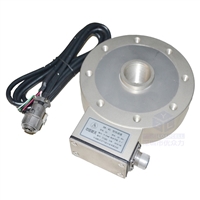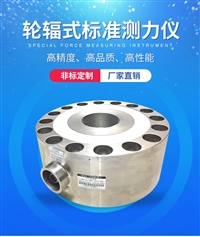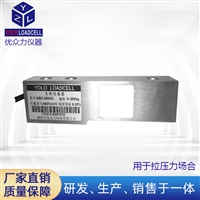


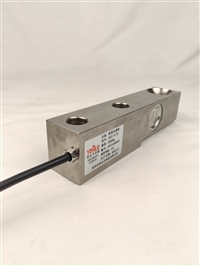
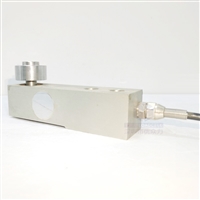
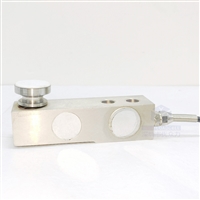
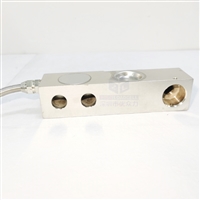
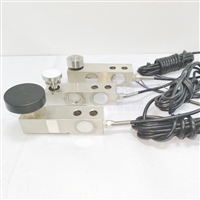
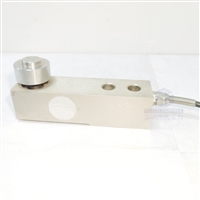
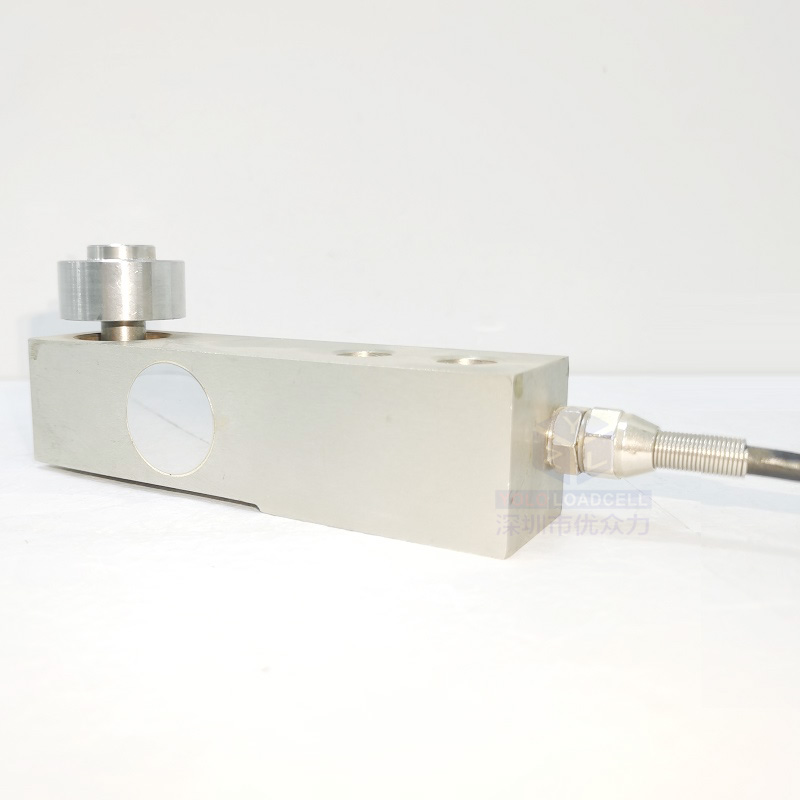
10 ton cantilever beam weighing sensor, high-precision pressure sensor, 100kN supply
Category:
electron/Sensors, sensitive components/Pressure sensor
Model:
10 ton cantilever beam weighing sensor, high-precision pressure sensor, 100kN
Brand:
Youzhongli
Retail Price
45.00USD
重量
kg
- Product Description
-
Description :
10 ton cantilever beam weighing sensor, high-precision pressure sensor, 100kN supply introduction:

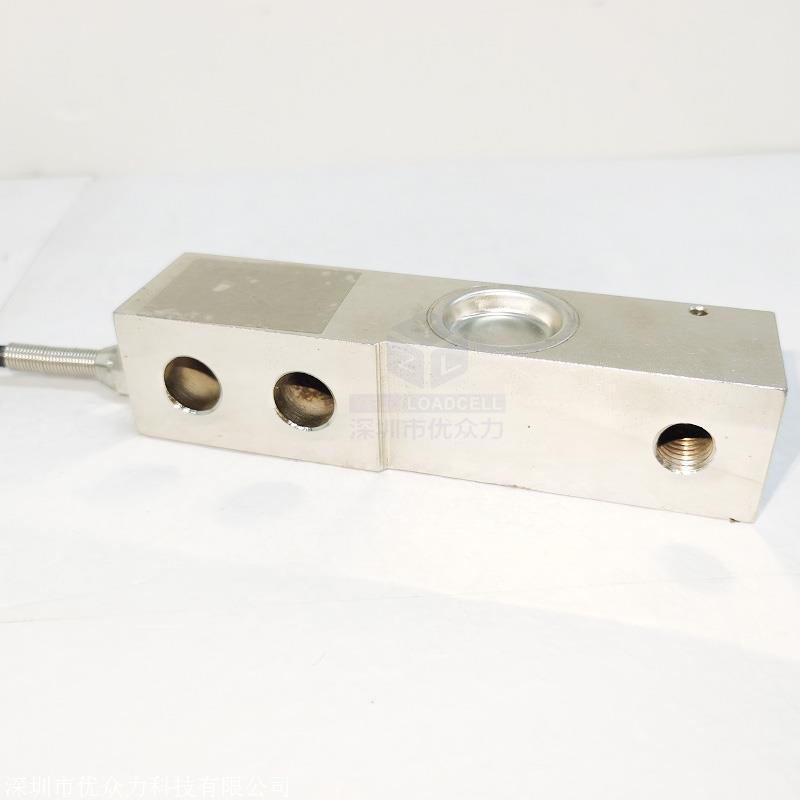
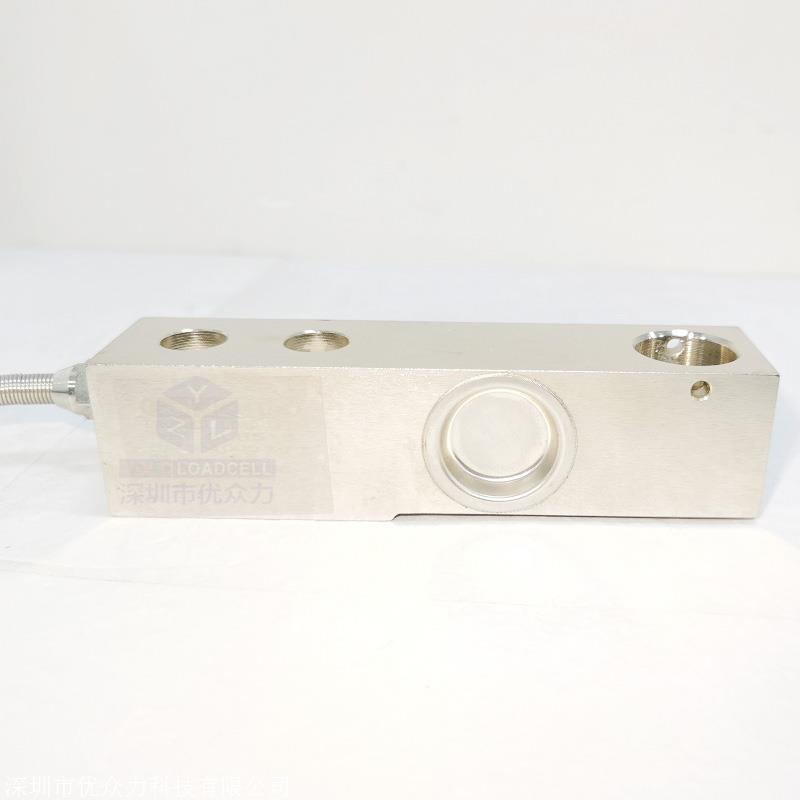
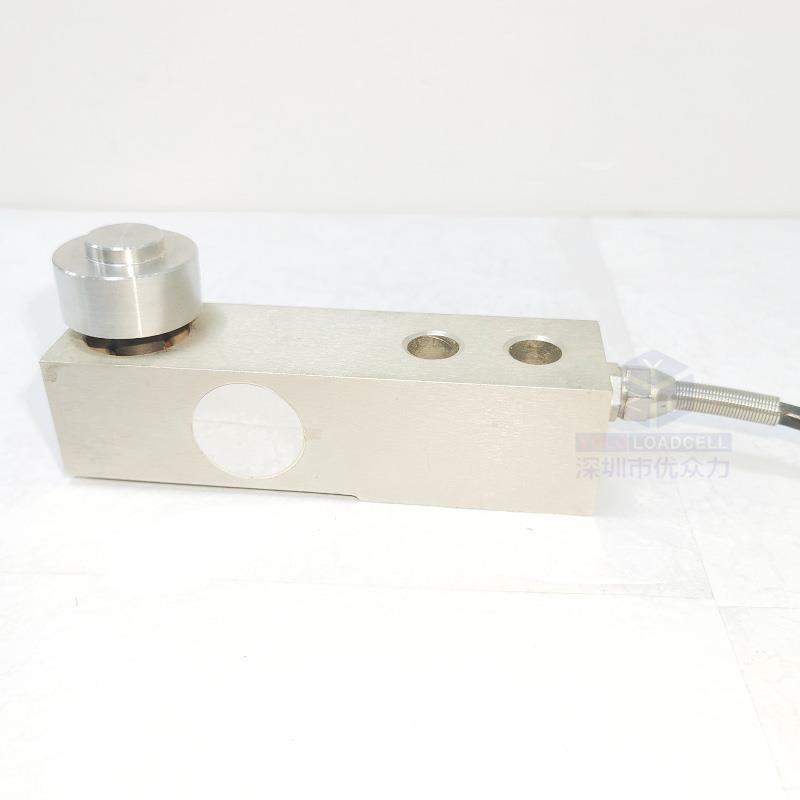
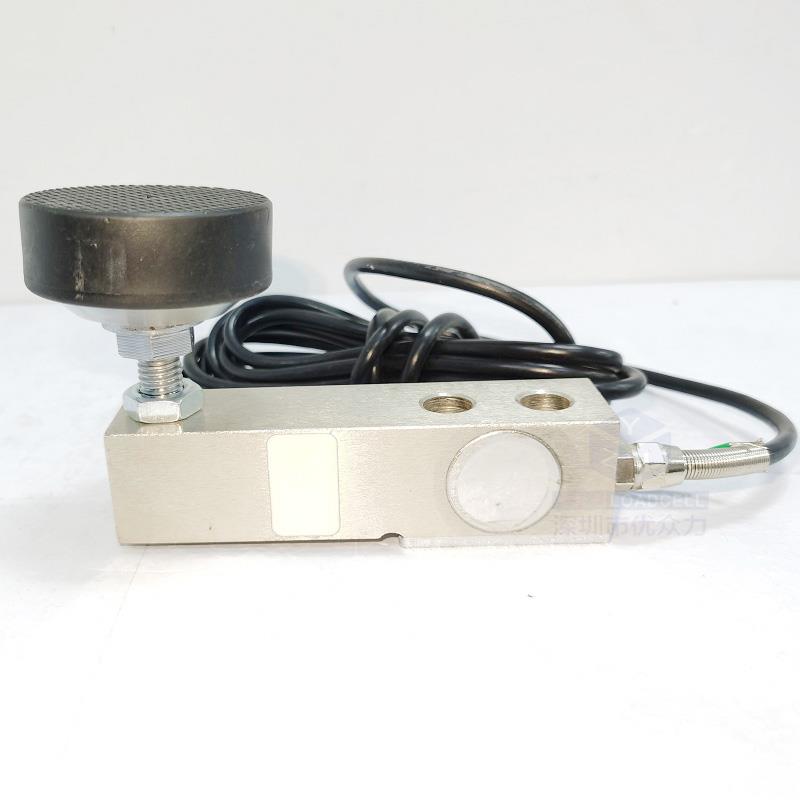
The old national standard combines the two types of sensors, "weighing" and "force measuring", which have completely different application objects and environmental conditions, without distinguishing between testing and evaluation methods. The old national standard has a total of 21 indicators, all of which are tested at room temperature; And the accuracy level of the weighing sensor is determined by using the errors in six indicators: nonlinearity, hysteresis error, repeatability error, creep, zero temperature additional error, and rated output temperature additional error, represented by 0.02, 0.03, and 0.05, respectively.
A force sensor used on a weighing apparatus. It can convert the gravity acting on the measured object into a measurable output signal in a certain proportion.
The performance indicators of weighing sensors mainly include linear error, hysteresis error, repeatability error, creep, zero temperature characteristics, and sensitivity temperature characteristics, taking into account the influence of gravity acceleration and air buoyancy on conversion in different usage locations. In various weighing instruments and quality measurement systems, the comprehensive error is usually used to control the accuracy of the sensor, and the comprehensive error band is linked to the weighing instrument error band in order to select the weighing sensor corresponding to a certain accuracy weighing instrument. The International Organization for Legal Metrology (OIML) stipulates that the error band δ of sensors accounts for 70% of the error band Δ of weighing instruments. The sum of linear error, hysteresis error, and error caused by the influence of temperature on sensitivity within the specified temperature range of weighing sensors cannot exceed the error band δ. This allows manufacturers to adjust the various components that make up the total measurement error in order to achieve the desired accuracy.
Adhesive material
SMT adhesive is used to firmly fix strain gauges and elastomers together, ensuring that their deformation is always consistent. It can be seen that patch adhesive is also an important component. At the beginning of the 21st century, the use of patch adhesives called Duoduo was a two-component polymer epoxy series adhesive. At the beginning of the 21st century, its performance was closely related to its purity, mixing method, storage time, curing method, curing time, etc. Before use, it is important to carefully read its detailed introduction.
Sealing material
Early sealing of weighing sensors used sealant, but later with the development of manufacturing technology, welding technology can greatly improve the stability and service life of sensors. Although welding technology was widely used in the early 21st century, some important parts still require the application of some sealant. Silicone sealant is generally used, which has the advantages of good stability, moisture resistance, corrosion resistance, and excellent insulation performance.
Lead sealing
If the sensor output lead is not fixed, it may be damaged or loose, resulting in unstable signals or no output. At the beginning of the 21st century, sensor outputs were all made using connectors, and the material and fastening strength of the connectors also had an impact on the output. It is best to use connectors and sealants in combination. The internal leads also need to be fixed to prevent them from moving around. The quality of the leads is also important, and their material properties are arranged in the order of silver plating, copper wire, and aluminum wire from high to low. If there is severe interference from high-frequency signals and radio waves in the surrounding area, shielded cables should also be used; In corrosive environments and flammable and explosive environments, it is necessary to use anti-corrosion, flame-retardant, and explosion-proof cables, with additional sleeves for protection.
AfterSalesService :
Key words:- 10 ton cantilever beam weighing sensor