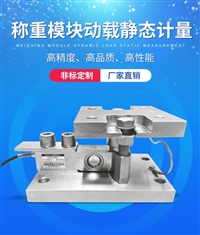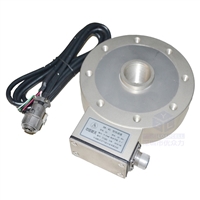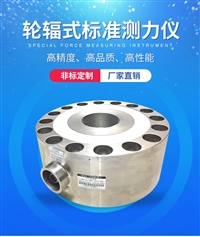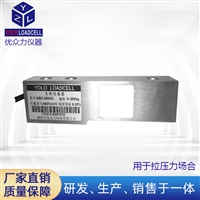

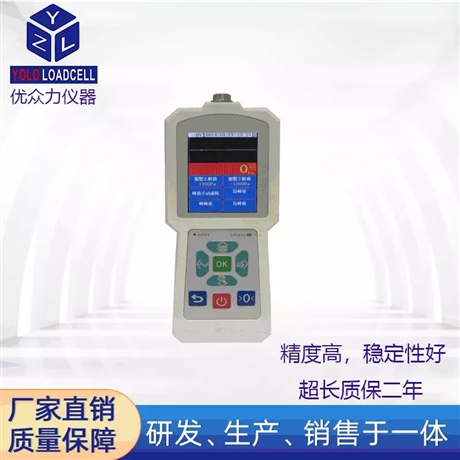

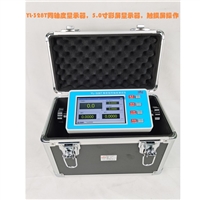
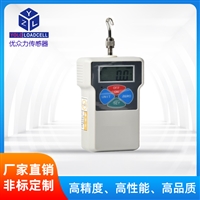


200N standard force gauge, 20kg force sensor, S-type tension and pressure weighing sensor
Category:
Instrumentation/Standard measuring instruments/Mechanical metrological standard instruments
Model:
200N standard force gauge, 20kg force sensor, S-type tension and pressure weighing sensor
Brand:
Youzhongli
Retail Price
280.00USD
重量
kg
- Product Description
-
Description :
200N standard force gauge 20kg force sensor S-type tension and pressure weighing sensor detailed description:


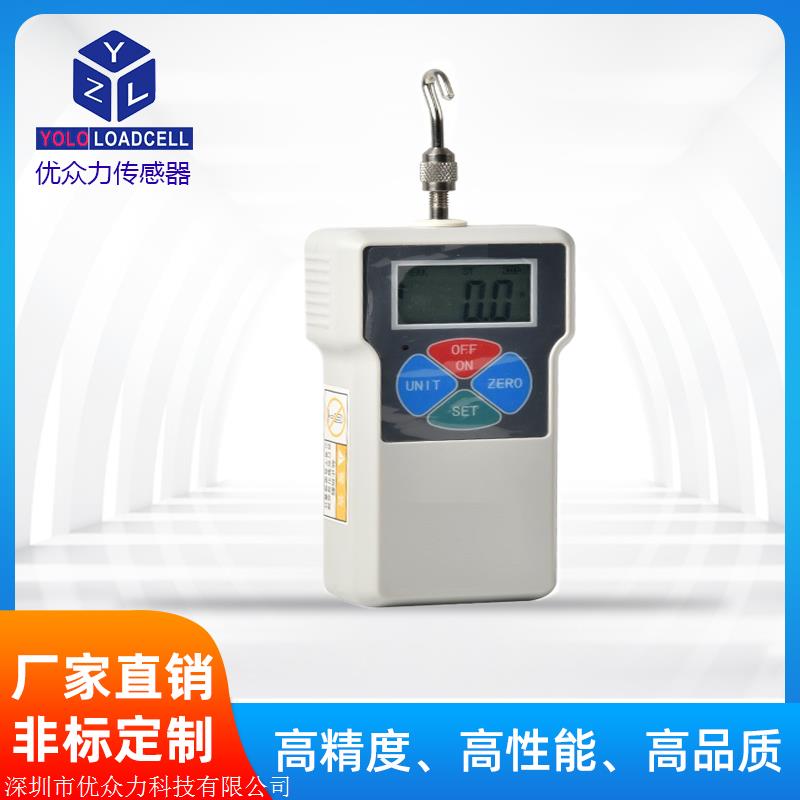
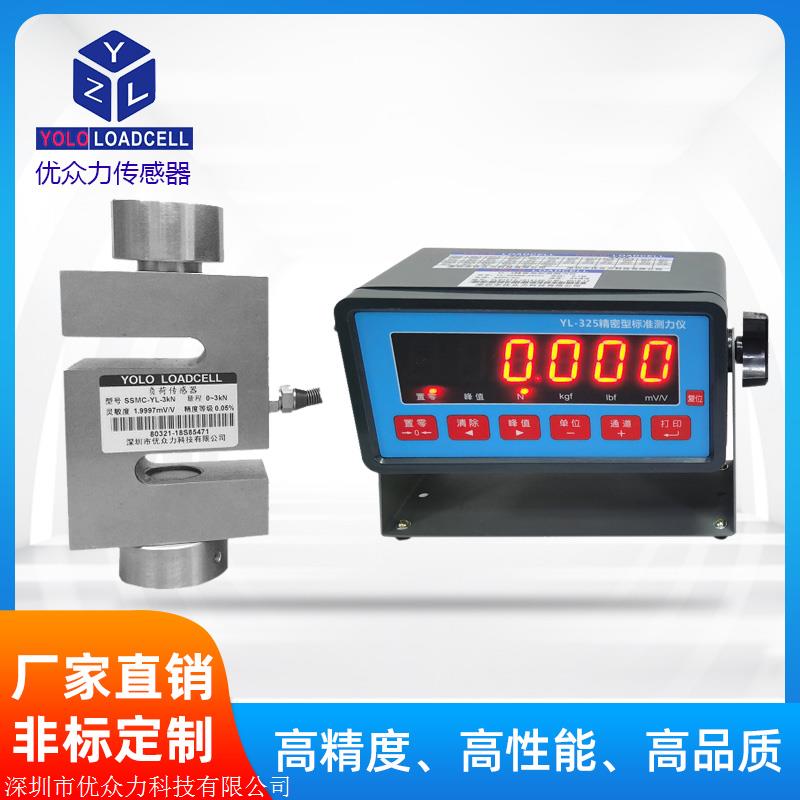

200N standard force gauge 20kg force sensor S-type tensile and compressive load cell:
The four elements of a tension sensor:
1) Linearity: refers to the degree to which the actual deviation between the fitted lines and the sensor output and input. It is defined as the actual characteristic curve, which is fitted with the deviation of the straight line from the full-scale output values across the entire range.
2) Sensitivity: Sensitivity is an important indicator of the static characteristics of a sensor. It is defined as the amount of incremental output that causes an increment compared to the corresponding input increment. S represents sensitivity.
3) Lag: The amount by which the sensor's input and output characteristic curves decrease (reverse stroke) from small to large (positive stroke input) and do not coincide with the phenomenon becoming sluggish. For input signals of the same magnitude, the output signals of positive and negative stroke sensors are not equal, and this difference is called hysteresis difference.
4) Repeatability: Repeatability refers to the degree to which sensors in the same direction experience inconsistency between the time of repeated changes in full-scale input and the resulting characteristic curve.
5) Drift: The drift of a sensor is the phenomenon of the sensor output changing over time with the same amount of input, known as drift multiplier. There are two reasons for drift: firstly, the structural parameters of the sensor itself; The second is the surrounding environment (such as temperature, humidity, etc.).
Youzhongli's ten-year brand is trustworthy. We have been providing sensors for ten years, offering various weighing and force measurement solutions for pre selection guidance. We can customize various weighing and force measurement sensors for you, with a customer-centric approach. We are eager to meet the needs and concerns of our customers, and welcome inquiries;
AfterSalesService :
Key words:- 200N standard force measuring instrument