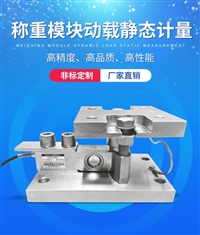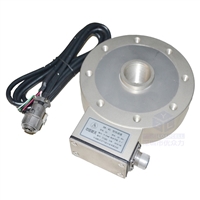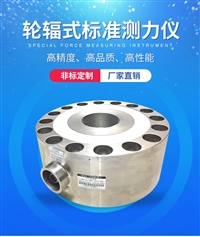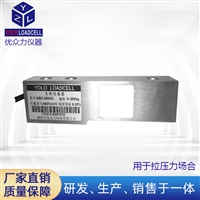


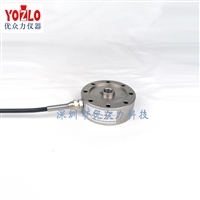
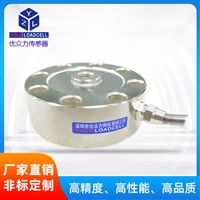
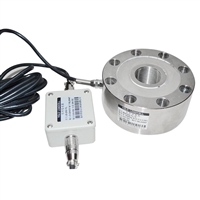
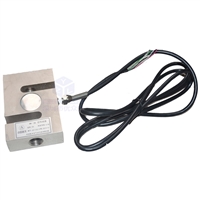
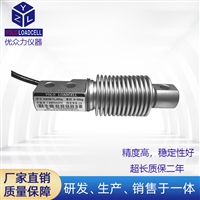
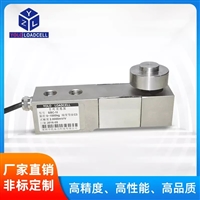
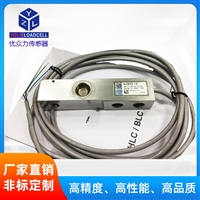
Jinjiang BK-4B-2T weighing sensor 2000kg spoke type force sensor
Category:
electron/Sensors, sensitive components/force sensor
Model:
BK-4B-2T
Brand:
Youzhongli
Retail Price
180.00USD
重量
kg
- Product Description
-
Description :
Jinjiang BK-4B-2T weighing sensor 2000kg spoke type force sensordetailed description:


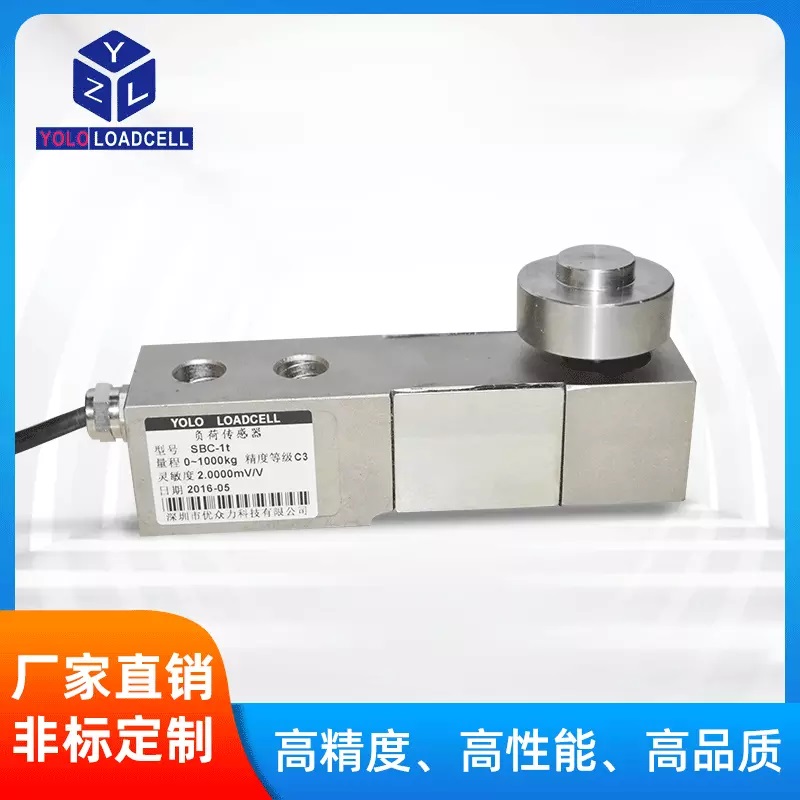
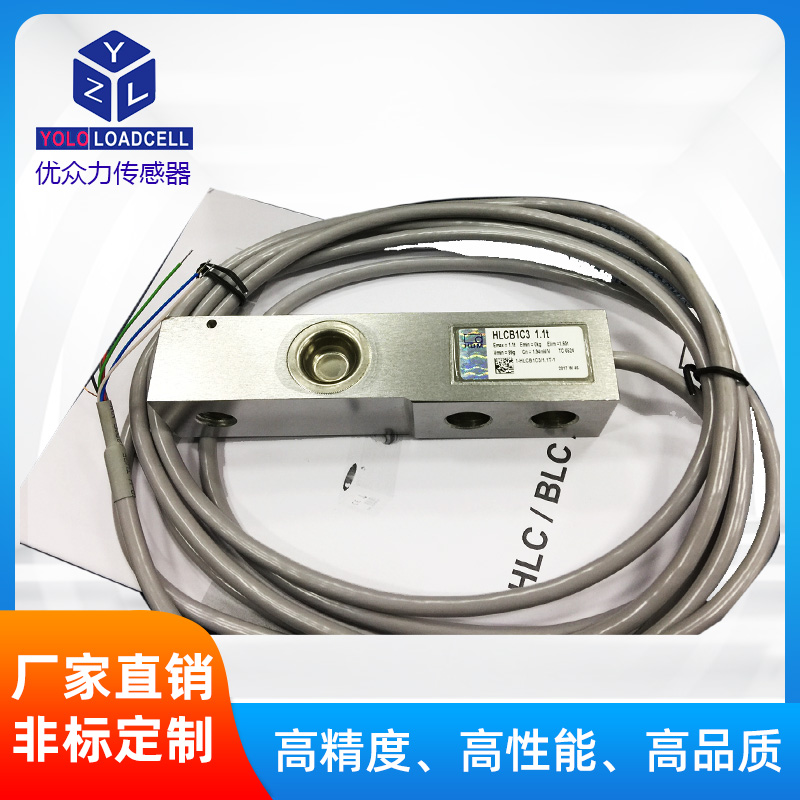
Jinjiang BK-4B-2T weighing sensor 2000kg spoke type force sensor
The elastomer is a spoke type, perforated, hard core flat membrane structure with a low external height, used for measuring tensile and compressive forces, and has strong resistance to deflection and lateral forces
High precision, good symmetry of tension and compression output, stable and reliable performance, wide range of measurement, easy installation and use
Tension compression bearing
Suitable for testing various load forces, various tensile and compressive tests, electronic scales, and industrial automation measurement and control systems
BK-4B-100kg、BK-4B-200kg、BK-4B-500kg、BK-4B-1t、BK-4B-1.5t、BK-4B-2t、
BK-4B-3t、BK-4B-5t、BK-4B-10t、
BK-4C-1t、BK-4C-2t、BK-4C-3t、BK-4C-5t、BK-4C-10t、BK-4C-15t、
BK-4C-20t、BK-4C-30t、BK-4C-40t、BK-4C-50t、BK-4C-100t、
BK-4C-200t、BK-4C-300t、BK-4C-400t、
BK-4D-20kg、BK-4D-50kg、BK-4D-100kg、BK-4D-200kg、BK-4D-500kg、
BK-4E-0.2t、BK-4E-0.5t、BK-4E-1t、BK-4E-1.5t、BK-4E-2.5t、
BK-4E-5t、BK-4E-10t、BK-4E-25t、BK-4E-30t、
Try to use structural components with automatic positioning (reset) function, such as ball bearings, joint bearings, positioning fasteners, etc. They can prevent certain lateral forces from acting on the sensor. It should be noted that some lateral forces are not caused by mechanical installation, such as lateral forces caused by thermal expansion, lateral forces caused by wind, and lateral forces caused by vibration of agitators on certain container scales, which are not caused by mechanical installation. Some accessories on certain scales must be connected to the scale body (such as the feeding pipeline of container scales). We should make them as soft as possible in the direction of the sensor loading spindle to prevent them from "eating" the true load of the sensor and causing errors.
Although the weighing sensor has a certain overload capacity, it should still be prevented from overloading during the installation of the weighing system. It should be noted that even short-term overloading may cause sensor damage. During the installation process, if necessary, a pad of the same height as the sensor can be used to replace the sensor first, and then the sensor can be replaced. During normal operation, sensors should generally be equipped with mechanical structural components for overload protection. If a screw is used to fix the sensor, a certain tightening torque is required, and the screw should have a certain depth of thread insertion. Generally speaking, fixed screws use high-strength screws.
In any case, the power and control wires should be twisted together at a speed of 50 revolutions per meter. If the sensor signal wire needs to be extended, a specially sealed cable junction box should be used. If this type of junction box is not used and cables are directly connected (soldered ends), special attention should be paid to sealing and moisture resistance. After connection, the insulation resistance should be checked and meet the standard (2000-5000M). If necessary, the sensor should be recalibrated. If the signal cable is very long and high measurement accuracy needs to be ensured, a cable compensation circuit with a relay amplifier should be considered.
Common Materials
The performance of a weighing sensor largely depends on the choice of manufacturing materials. The weighing sensor material includes the following parts: strain gauge material, elastomer material, patch adhesive material, sealant material, lead sealing material, and lead material.
Resistance element material
Strain gauges are the sensing part of weighing sensors, which convert the magnitude of external force into electrical output. They are an important component of sensors, and commonly used strain gauge substrates are made of polymer thin film materials, usually high-purity constantan. The performance of strain gauges is not only related to the purity of the substrate and constantan, but also to the manufacturing process. Improving the level of process technology is also an important aspect of improving sensor performance.
Elastic material
The function of the elastic body of the weighing sensor is to transmit external forces. It must have the same deformation when subjected to the same force, because the strain gauge is attached to the elastic body, and the deformation of the elastic body is the deformation of the strain gauge; At the same time, it must also have resetting ability, which can automatically reset when the external force disappears. Elastic materials are usually made of various metals, including aluminum alloys, stainless steel, and alloy steel, among others.
Adhesive material
SMT adhesive is used to firmly fix strain gauges and elastomers together, ensuring that their deformation is always consistent. It can be seen that patch adhesive is also an important component. At the beginning of the 21st century, the use of patch adhesives called Duoduo was a two-component polymer epoxy series adhesive. At the beginning of the 21st century, its performance was closely related to its purity, mixing method, storage time, curing method, curing time, etc. Before use, it is important to carefully read its detailed introduction.
Sealing material
Early sealing of weighing sensors used sealant, but later with the development of manufacturing technology, welding technology can greatly improve the stability and service life of sensors. Although welding technology was widely used in the early 21st century, some important parts still require the application of some sealant. Silicone sealant is generally used, which has the advantages of good stability, moisture resistance, corrosion resistance, and excellent insulation performance.
AfterSalesService :
Key words:- BK-4B-2T