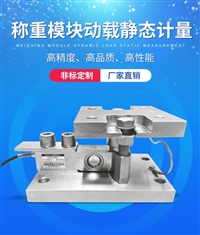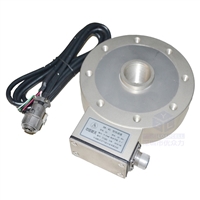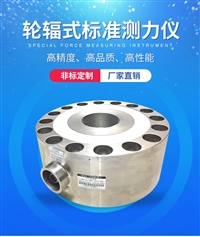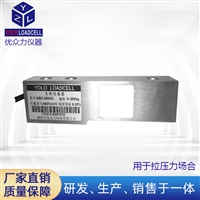


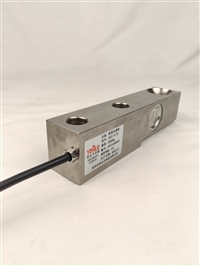
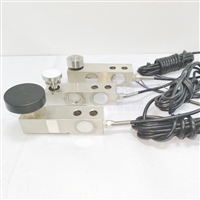
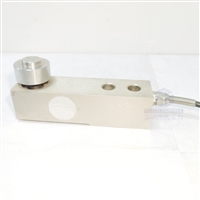

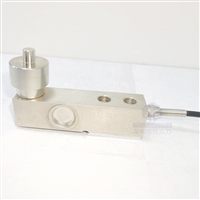
20 ton cantilever beam weighing sensor, Youzhongli supplier, wholesale hopper scale sensor, 15 tons
Category:
electron/Sensors, sensitive components/Pressure sensor
Model:
20 ton cantilever beam weighing sensor/hopper scale sensor 15 tons
Brand:
Youzhongli
Retail Price
230.00USD
重量
kg
- Product Description
-
Description :
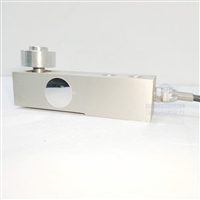
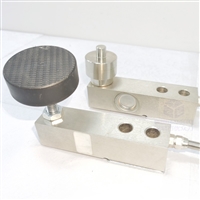
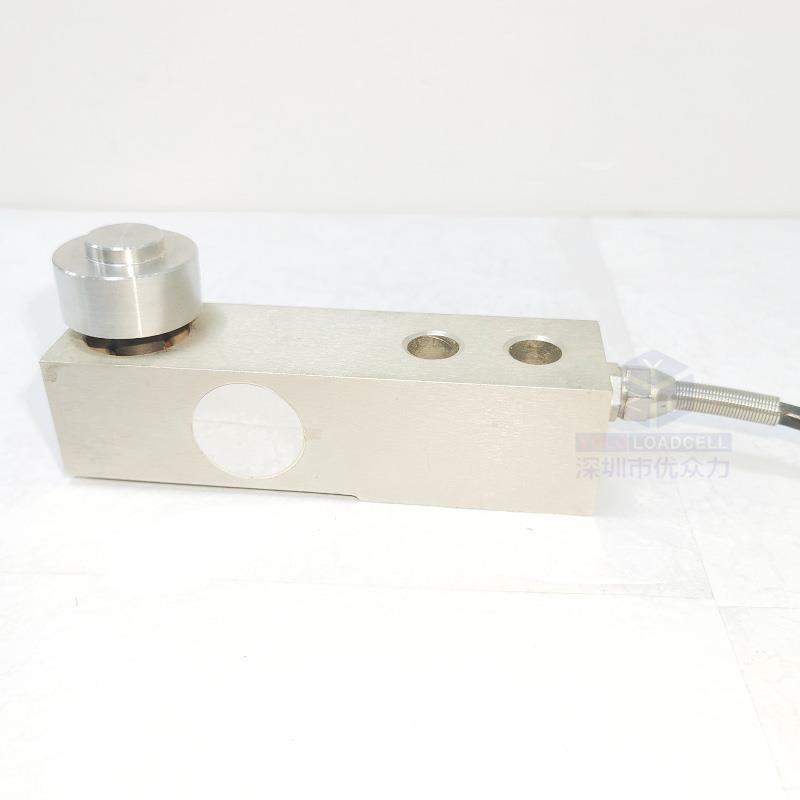
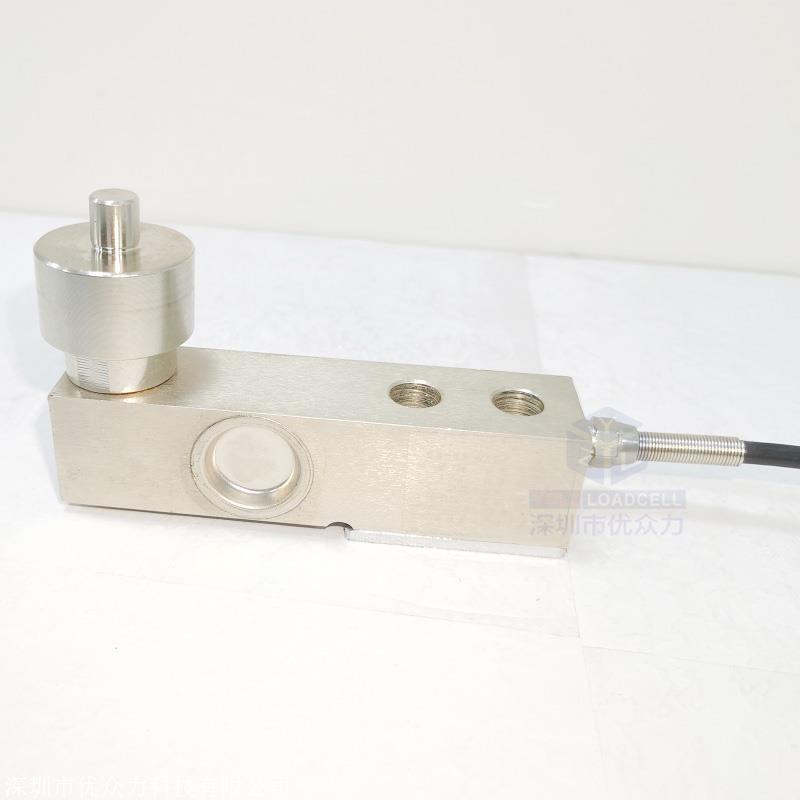
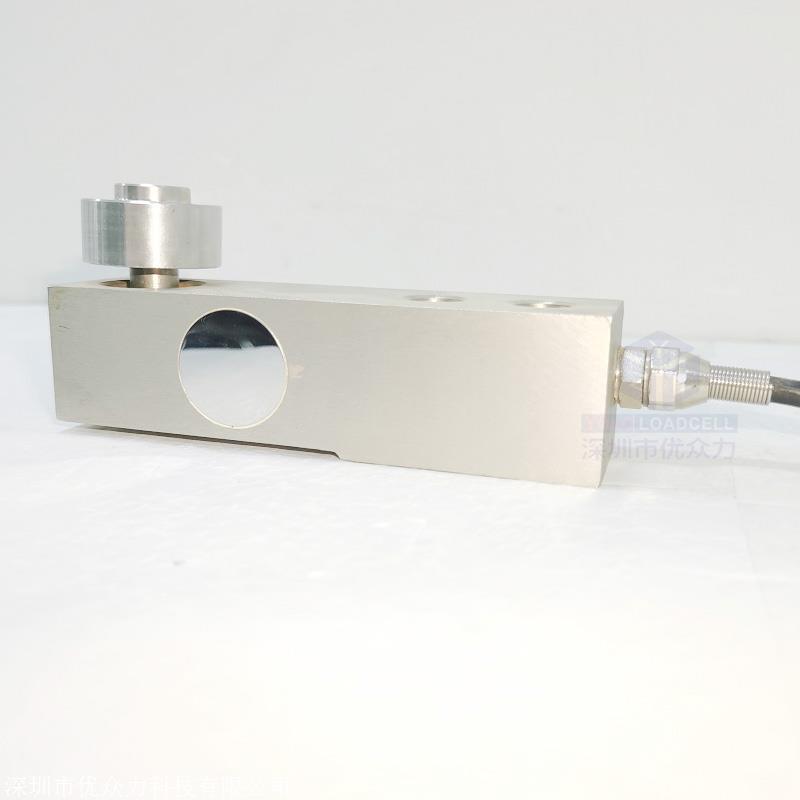
20 ton cantilever beam weighing sensor, Youzhongli supplier wholesale hopper scale sensor, 15 ton detailed description:
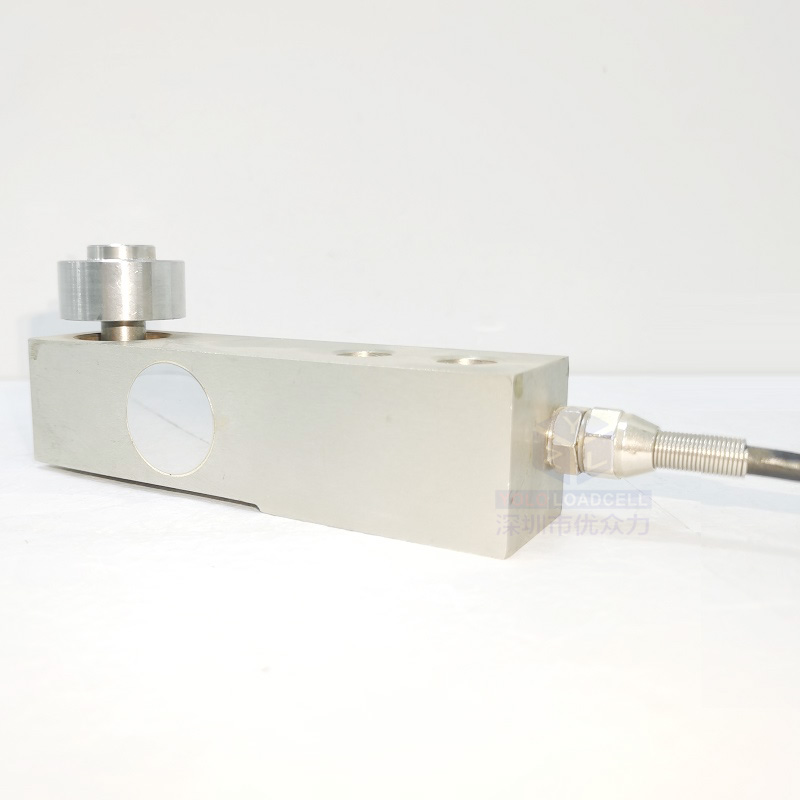
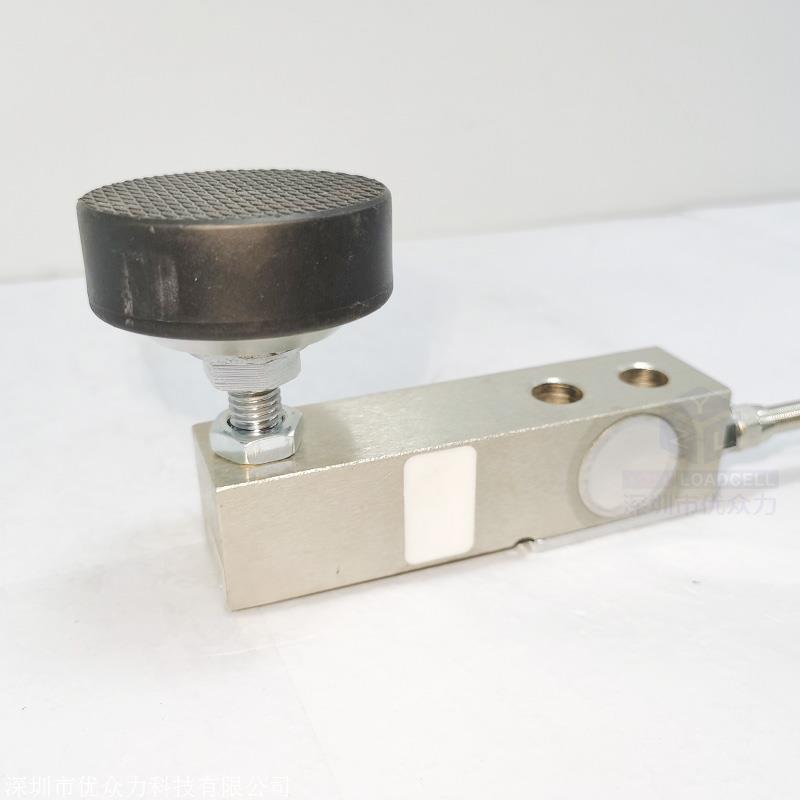
The XSBC steel cantilever beam type weighing sensor is made of alloy steel material and is subjected to pressure structure. It is widely used in platform scales, axle load scales, automobile inspection lines, automobile scales, hopper scales, tank scales, hydraulic handling scales, automatic steel bar bending machines, and automatic screening scales.
Comprehensive error: 0.02% F.S
Transmitter output (optional): 0-5V, 0-10V, 4-20mA,
Optional types: alloy steel, stainless steel;
XSBC-YL-300kg,XSBC-YL-500kg,XSBC-YL-1t,XSBC-YL-2t,XSBC-YL-3t,
SBC-300,SBC-500,SBC-1,SBC-2,SBC-3,
Technical Specifications:
Range Capacity 300/500kg, 1/2/3t
Sensitivity Sensitivity V/V2.0 ± 0.005 Insulation resistance Ω≥ 5000
Nonlinear% F.S. ± 0.05 Recommended excitation voltage Ratedexcitation (DC/AC) 5-12V
Repeatability% F.S.0.05 Maximum excitation voltage (DC/AC) 15V
Hysteresis% F.S. ± 0.05 working temperature range Safetemp.range ℃ -30~+80
Creep Crddp (30min)% F.S ± 0.05 Temperature compensation range Temp compensated ℃ -10~+40
Zero point temperature drift Temp. espresso% F.S/10 ℃ ≤ 0.025 Safe overload% F.S.120
Sensitivity temperature drift Temp. interactonout% F.S/10 ℃ ≤ 0.025 Ultimate overload% F.S.150
Zero output Zerooutput% FS ± 1 Protection class IP67-68
Input impedance Ω 380 ± 3 Cable length 6m
Output impedance Ω 350 ± 3 Wires: Red wire: EXC+, Black wire: EXC -, Green wire: SIG+, White wire: SIG -
The performance of a weighing sensor largely depends on the choice of manufacturing materials. The weighing sensor material includes the following parts: strain gauge material, elastomer material, patch adhesive material, sealant material, lead sealing material, and lead material.
Resistance element material
Strain gauges are the sensing part of weighing sensors, which convert the magnitude of external force into electrical output. They are an important component of sensors, and commonly used strain gauge substrates are made of polymer thin film materials, usually high-purity constantan. The performance of strain gauges is not only related to the purity of the substrate and constantan, but also to the manufacturing process. Improving the level of process technology is also an important aspect of improving sensor performance.
Elastic material
The function of the elastic body of the weighing sensor is to transmit external forces. It must have the same deformation when subjected to the same force, because the strain gauge is attached to the elastic body, and the deformation of the elastic body is the deformation of the strain gauge; At the same time, it must also have resetting ability, which can automatically reset when the external force disappears. Elastic materials are usually made of various metals, including aluminum alloys, stainless steel, and alloy steel, among others.
Adhesive material
SMT adhesive is used to firmly fix strain gauges and elastomers together, ensuring that their deformation is always consistent. It can be seen that patch adhesive is also an important component. At the beginning of the 21st century, the use of patch adhesives called Duoduo was a two-component polymer epoxy series adhesive. At the beginning of the 21st century, its performance was closely related to its purity, mixing method, storage time, curing method, curing time, etc. Before use, it is important to carefully read its detailed introduction.
Sealing material
Early sealing of weighing sensors used sealant, but later with the development of manufacturing technology, welding technology can greatly improve the stability and service life of sensors. Although welding technology was widely used in the early 21st century, some important parts still require the application of some sealant. Silicone sealant is generally used, which has the advantages of good stability, moisture resistance, corrosion resistance, and excellent insulation performance.
Lead sealing
If the sensor output lead is not fixed, it may be damaged or loose, resulting in unstable signals or no output. At the beginning of the 21st century, sensor outputs were all made using connectors, and the material and fastening strength of the connectors also had an impact on the output. It is best to use connectors and sealants in combination. The internal leads also need to be fixed to prevent them from moving around. The quality of the leads is also important, and their material properties are arranged in the order of silver plating, copper wire, and aluminum wire from high to low. If there is severe interference from high-frequency signals and radio waves in the surrounding area, shielded cables should also be used; In corrosive environments and flammable and explosive environments, it is necessary to use anti-corrosion, flame-retardant, and explosion-proof cables, with additional sleeves for protection.
choice
In addition, the sensitivity, maximum division degree, and minimum calibration division value of the weighing sensor are also indicators that must be considered in the selection of sensors.
The number and range of sensors
The selection of the number of sensors is based on the purpose of the electronic scale and the number of points that the scale body needs to support (the number of support points should be determined based on the principle of the geometric center of gravity of the scale body coinciding with the actual center of gravity). Generally speaking, a few sensors are selected based on the number of support points on the scale body.
The range selection of sensors can be determined based on a comprehensive evaluation of the maximum weighing value of the scale, the number of sensors selected, the weight of the scale body, the maximum possible bias load, and dynamic load factors. Here is an empirical formula that has been validated through extensive experiments.
Usage environment
A weighing sensor is actually a device that converts a mass signal into a measurable electrical signal output. The first thing to consider when using sensors is the actual working environment in which the sensor is located. This is crucial for selecting sensors correctly, as it relates to whether the sensor can work properly, its safety and service life, and even the reliability and safety of the entire weighing apparatus. In general, high temperature environments cause problems such as melting of coating materials, cracking of solder joints, and structural changes in the stress inside the elastomer for sensors; Dust and moisture can cause short circuits in sensors; In highly corrosive environments, it can cause damage to the elastic body of the sensor or result in short circuits; Electromagnetic fields can interfere with sensor outputs. We must choose the corresponding weighing sensor to meet the necessary weighing requirements under the corresponding environmental factors.
AfterSalesService :
Key words:- 20 ton cantilever beam weighing sensor