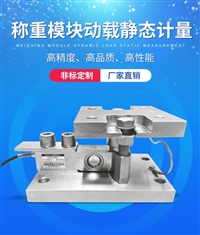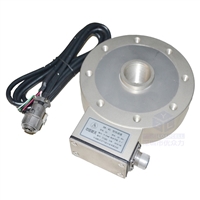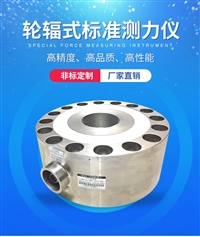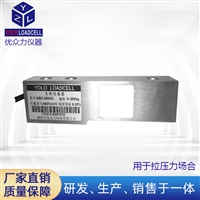

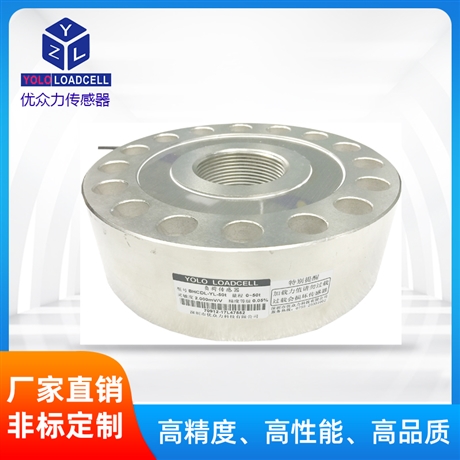

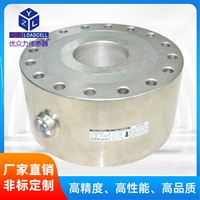
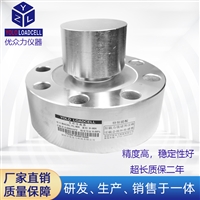
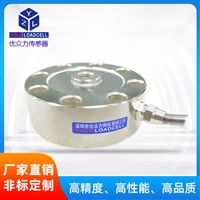
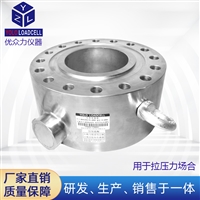
Hefei 80 ton spoke type weighing sensor CFBLY-80t push-pull force measuring sensor
Category:
electron/Sensors, sensitive components/force sensor
Model:
CFBLY-80t/CFBLY-100t
Brand:
Youzhongli
Retail Price
45.00USD
重量
kg
- Product Description
-
Description :
80 ton spoke type weighing sensor CFBLY-80t push-pull force measuring sensor image in Hefei City:


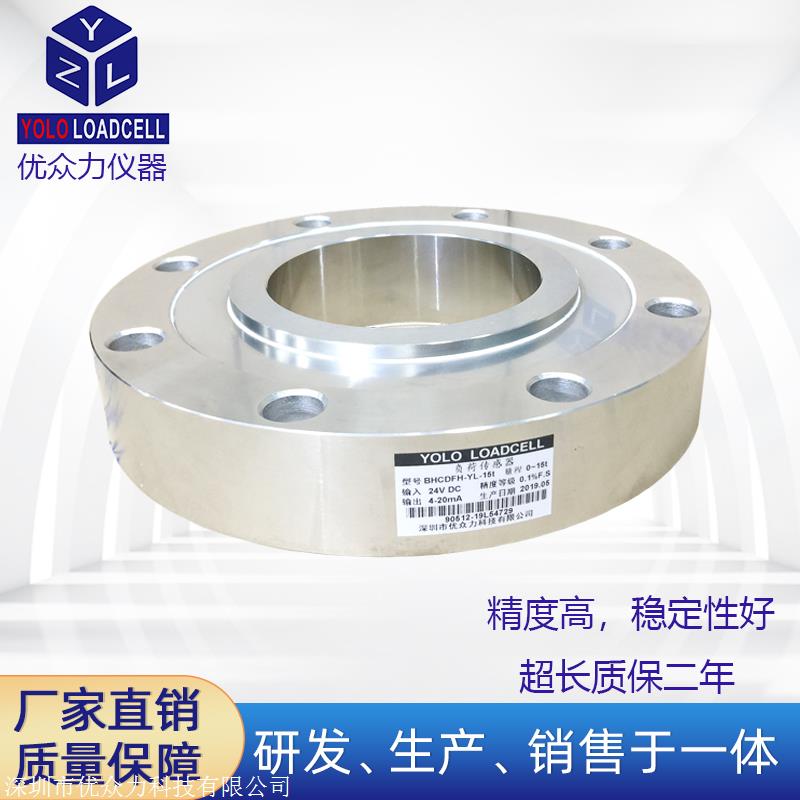


Hefei 80 ton spoke type weighing sensor CFBLY-80t push-pull force measuring sensor detailed description:
Force sensors (weighing sensors) are mainly used in medical infusion pumps, movable non inverted pressure pumps, blockage detection, renal dialysis machines, load and pressure sensing, variable tension control simulation, robot end sensors, wire bonding equipment, and many other applications.
Classification of force sensors (weighing sensors): generally divided into two types: S-type force sensors (weighing sensors) and spoke type force sensors (weighing sensors)
The characteristic of S-type load cell (weighing sensor) is that the elastic body of the sensor adopts a shear or bending cantilever beam structure, with one end fixed and one section subjected to force, low external height, high structural strength, and can be used for bearing and measuring various tensile and compressive forces. It has the characteristics of dust-proof sealing, wide range of measurement, high precision, stable and reliable performance, and easy installation and use. Suitable for industrial automation measurement and control systems for various force and weight measurements such as electronic scales and scales.
The characteristics of the spoke type load cell (weighing sensor) are: its elastic body adopts a short and high shear beam, with excellent rigidity, strong resistance to lateral forces, and overload self-locking in the structure. Rubber sealing and welding sealing are used for protection, achieving IP67 and IP68 respectively. Therefore, they are widely used in equipment such as truck scales, track scales, force measuring machines, and suspension scales
In order to ensure the accuracy of weighing and force sensors, there are still some issues that need to be noted during installation and use. When installing and using weighing and force sensors, attention should be paid to the following details to ensure the measurement accuracy and service life of the sensors.
1. When designing and installing the loading device, it should be ensured that the line of action of the loading force coincides with the force axis of the weighing and measuring sensors, so as to minimize the influence of tilting and eccentric loads.
2. In terms of horizontal adjustment. If a single weighing and force sensor is used, the installation plane of its base should be adjusted with a level until it is level; If multiple sensors are measuring simultaneously, the mounting surfaces of their bases should be kept as horizontal as possible to ensure that the force borne by each sensor is basically the same.
3. Weighing and force sensors should be handled with care, especially for small capacity sensors that use alloy aluminum materials as elastomers. Any impact or drop caused by vibration is likely to cause significant output errors.
4. The mounting surface of the sensor base should be as flat and clean as possible, without any oil stains or adhesive film. The installation base itself should have sufficient strength and rigidity, usually requiring higher strength and rigidity than the sensor itself.
5. The sensor should be placed indoors in a dry, ventilated, and non corrosive gas environment.
6. The sensor housing, protective cover plate, and lead connectors are all sealed and users are not allowed to open them.
7. Determine the rated load of the sensor used by selecting the range of the weighing and force measuring sensor according to its instructions.
8. Protective or mitigating devices should be installed when unavoidable.
9. To prevent high current from directly passing through the sensor body and damaging the sensor, welding operations are prohibited after the sensor is installed. It should be done only as a last resort.
10. To prevent chemical corrosion, it is advisable to apply Vaseline to the outer surface of weighing and force sensors during installation. The use of the stage should avoid direct sunlight and sudden changes in environmental temperature
11. The cable should not be lengthened by itself. If it is necessary to lengthen, it should be soldered at the joint and sealed with moisture-proof sealant.
12. In high-precision applications, weighing, force sensors, and instruments should be preheated for 30 minutes before use.
13. It is best to use some baffles to cover the weighing and force sensors around them. The purpose of doing so is to prevent debris from falling into the moving parts of the sensor, which can affect its measurement accuracy.
14. Add a bypass device made of copper braided wire at both ends of the weighing and force sensor loading device.
15. Determine the rated load of the sensor used according to the range selection of the weighing and force measuring sensors in its instructions. Although weighing and force measuring sensors themselves have a certain overload capacity, this situation should be avoided as much as possible during installation and use. Sometimes short-term overloading can also cause sensor damage.
16. The cable of the sensor should be kept away from strong power lines or places with pulse waves. When competition cannot be avoided, the cable of the weighing and force measuring sensor should be separately threaded into the iron pipe and the connection distance should be shortened as much as possible.
AfterSalesService :
Key words:- CFBLY-80t