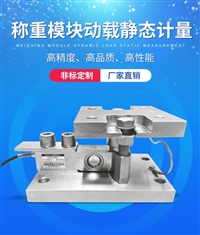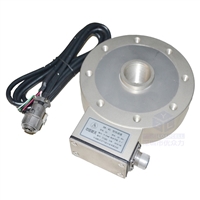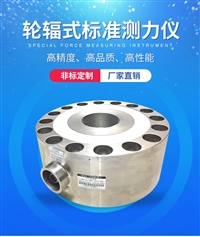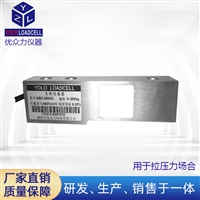


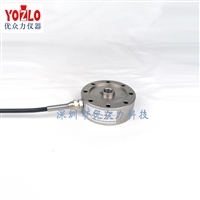
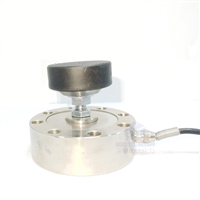
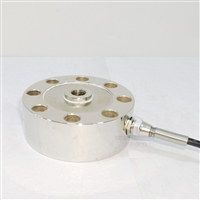
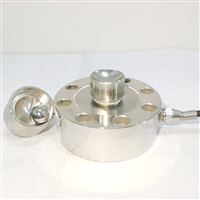
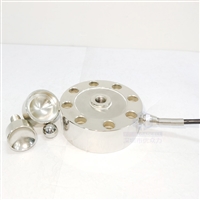
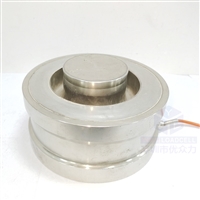
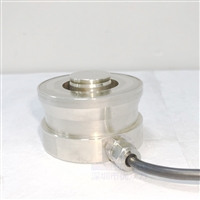
Siping TS-2 transmitter 0-10V BK-4B-500KG weighing sensor
Category:
electron/Sensors, sensitive components/force sensor
Model:
TS-2 transmitter 0-10V BK-4B-500KG
Brand:
Youzhongli
Retail Price
180.00USD
重量
kg
- Product Description
-
Description :
Siping TS-2 transmitter 0-10V BK-4B-500KG weighing sensor detailed description:
Small size, can be connected online, not fixed.
Technical Indicators:
Working voltage: 12VDC, 24VDC
Output signal: 4-20mA, 0-5V, ± 5V, 0-10V
Accuracy: better than 0.1% F.S
Working temperature range: -20 ℃~85 ℃
TS-2 transmitter,
Resistance element material:
Strain gauges are the sensing part of weighing sensors, which convert the magnitude of external force into electrical output. They are an important component of sensors, and commonly used strain gauge substrates are made of polymer thin film materials, usually high-purity constantan. The performance of strain gauges is not only related to the purity of the substrate and constantan, but also to the manufacturing process. Improving the level of process technology is also an important aspect of improving sensor performance

Elastic material:
The function of the elastic body of the weighing sensor is to transmit external forces. It must have the same deformation when subjected to the same force, because the strain gauge is attached to the elastic body, and the deformation of the elastic body is the deformation of the strain gauge; At the same time, it must also have resetting ability, which can automatically reset when the external force disappears. Elastic materials are usually made of various metals, including aluminum alloys, stainless steel, and alloy steel, among others.

Adhesive material:
SMT adhesive is used to firmly fix strain gauges and elastomers together, ensuring that their deformation is always consistent. It can be seen that patch adhesive is also an important component. At the beginning of the 21st century, the use of patch adhesives called Duoduo was a two-component polymer epoxy series adhesive. At the beginning of the 21st century, its performance was closely related to its purity, mixing method, storage time, curing method, curing time, etc. Before use, it is important to carefully read its detailed introduction.

Sealing material:
Early sealing of weighing sensors used sealant, but later with the development of manufacturing technology, welding technology can greatly improve the stability and service life of sensors. Although welding technology was widely used in the early 21st century, some important parts still require the application of some sealant. Silicone sealant is generally used, which has the advantages of good stability, moisture resistance, corrosion resistance, and excellent insulation performance.

Lead sealing:
If the sensor output lead is not fixed, it may be damaged or loose, resulting in unstable signals or no output. At the beginning of the 21st century, sensor outputs were all made using connectors, and the material and fastening strength of the connectors also had an impact on the output. Use connectors in conjunction with sealant. The internal leads also need to be fixed to prevent them from moving around. The quality of the leads is also important, and their material properties are arranged in the order of silver plating, copper wire, and aluminum wire from high to low. If there is severe interference from high-frequency signals and radio waves in the surrounding area, shielded cables should also be used; In corrosive environments and flammable and explosive environments, it is necessary to use anti-corrosion, flame-retardant, and explosion-proof cables, with additional sleeves for protection
AfterSalesService :
Key words:- BK-4B-500KG