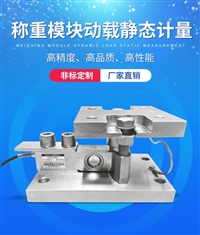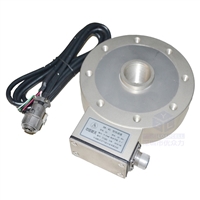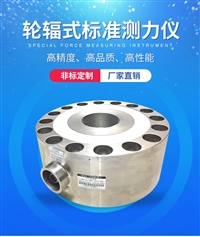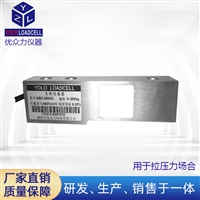

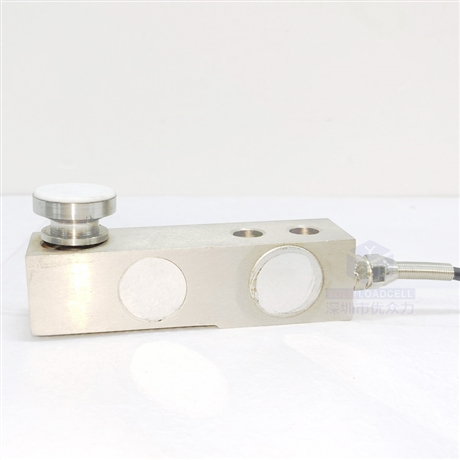

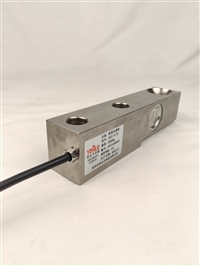
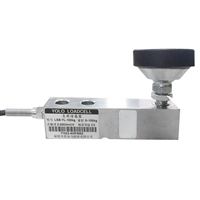
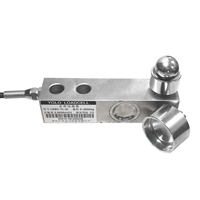
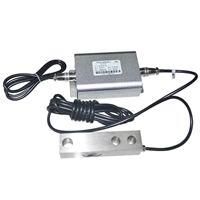
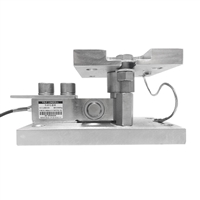
Cantilever beam load sensor 10 ton HM8-C3-5.0T-6.5B7-A sensor SQB-1T sensor
Category:
electron/Sensors, sensitive components/force sensor
Model:
HM8-C3-5.0T-6.5B7-A
Brand:
Youzhongli
Retail Price
30.00USD
重量
kg
- Product Description
-
Description :
Cantilever beam load sensor 10 ton HM8-C3-5.0T-6.5B7-A sensor SQB-1T sensor detailed description:
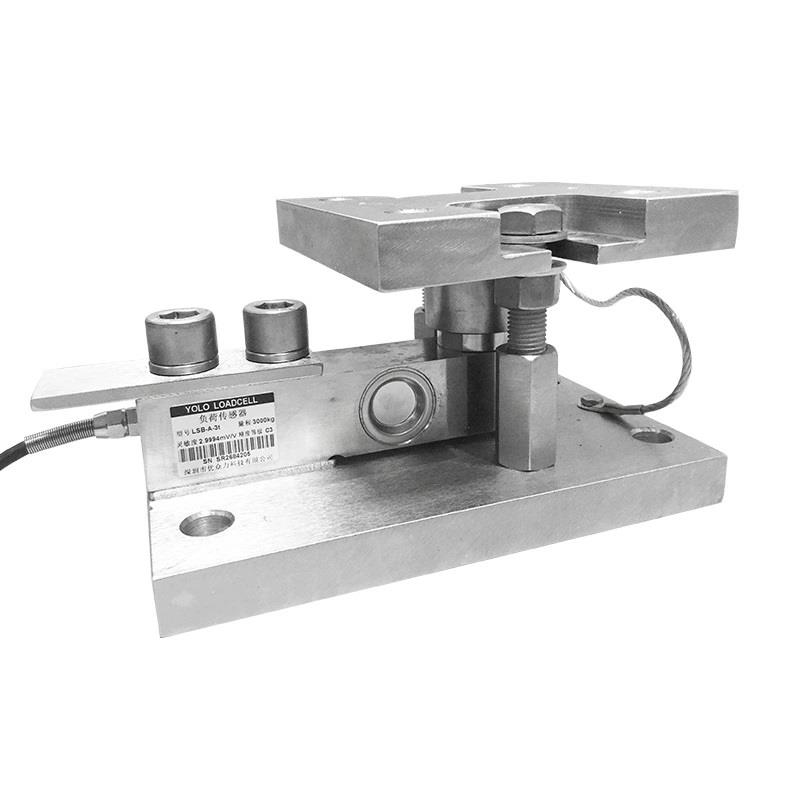

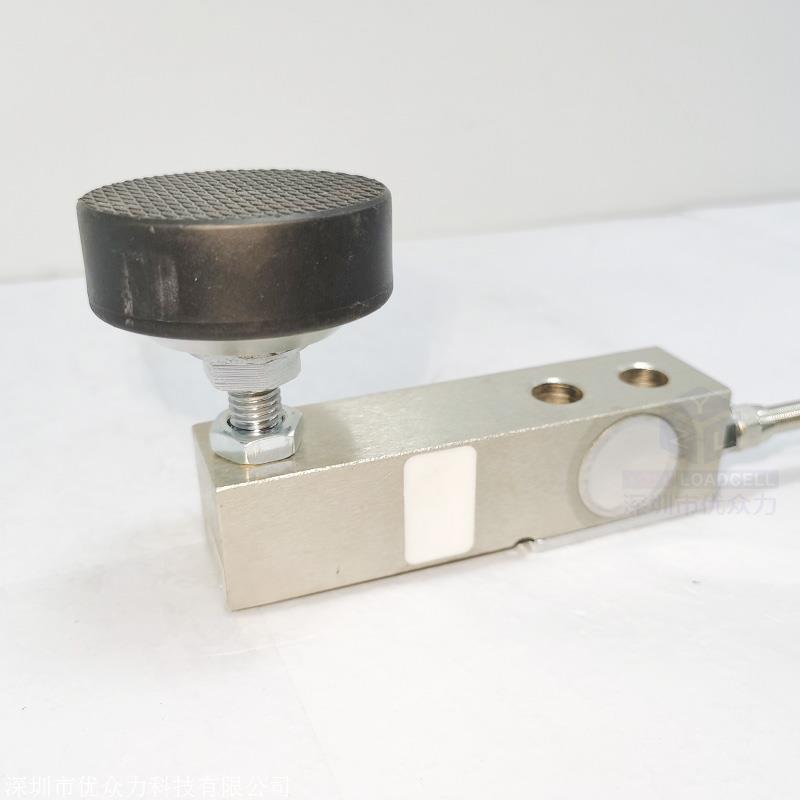

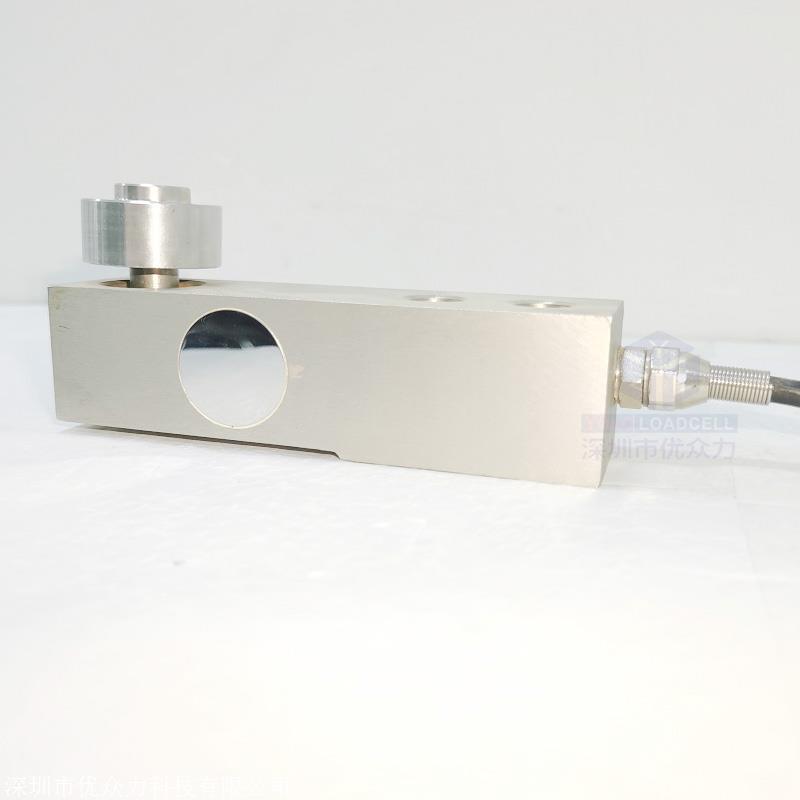
Cantilever beam load sensor 10 ton HM8-C3-5.0T-6.5B7-A sensor SQB-1T sensor
With the arrival of the technological revolution, the world has entered the information age. In the process of utilizing information, the first thing to solve is to obtain accurate and reliable information, and sensors are the main way and means to obtain information in the natural and production fields. In modern industrial production, especially in automated production processes, various weighing sensors [10] are used to monitor and control various parameters in the production process, so that the equipment works in a normal state or condition, and the product achieves the desired quality. Therefore, it can be said that without numerous excellent sensors, modern production loses its foundation.
In the research of basic disciplines, sensors have a more prominent position. The development of modern science and technology has entered many new fields: for example, at the macro level, we need to observe the vast universe of thousands of light years, at the micro level, we need to observe particle worlds as small as cm, and vertically, we need to observe the evolution of celestial bodies for hundreds of thousands of years. In addition, various extreme technology research that plays an important role in deepening material understanding, exploring new energy, new materials, etc., such as ultra-high temperature, ultra-low temperature, ultra-high pressure, ultra-high vacuum, ultra strong magnetic field, ultra weak magnetic field, etc.
Obviously, it is impossible to obtain a large amount of information that cannot be directly obtained by human senses without suitable weighing sensors. Many obstacles in basic scientific research lie in the difficulty of obtaining object information. The emergence of new mechanisms and high-sensitivity detection sensors often leads to breakthroughs in this field, and the development of some sensors is often a pioneer in the development of some edge disciplines.
Weighing sensors [11] have already penetrated into a wide range of fields such as industrial production, space development, ocean exploration, environmental protection, resource investigation, medical diagnosis, biotechnology, and even cultural relic protection. It can be said without exaggeration that almost every modern project, from the vast space, to the vast ocean, to various complex engineering systems, cannot do without various sensors.
The Chinese sensor industry is at a critical stage of development from traditional to new sensors, reflecting the overall trend of miniaturization, multifunctionality, digitization, intelligence, systematization, and networking of new sensors. Sensor technology has undergone years of development, and its development can be roughly divided into three generations:
Dai is a structural sensor that utilizes changes in structural parameters to sense and convert signals.
The second generation is a solid-state sensor developed in the 1970s, which is composed of solid components such as semiconductors, dielectrics, and magnetic materials, and is made using certain properties of the materials. For example, by utilizing the thermoelectric effect, Hall effect, and photosensitive effect, thermocouple sensors, Hall sensors, and photosensitive sensors are respectively made.
The third generation of sensors is a newly developed intelligent sensor that combines microcomputer technology with detection technology, giving the sensor a certain degree of artificial intelligence.
According to the data, there are currently about 6000 types of sensor products in China, while there are already over 20000 abroad, which is far from meeting the demand of the domestic market. The proportion of imported sensors accounts for 80%, and the import of sensor chips reaches 90%, indicating a huge gap in localization. There is a severe shortage of high-tech products such as digitalization, intelligence, and miniaturization. The products required for major national equipment mainly rely on imports. Regarding sensors and intelligent instruments required for national security and major projects, foreign countries often impose restrictions on China.
The sensor technology industry has strong penetration, and its lagging development has already constrained the promotion of emerging industries in China. Due to the overall weakness of China's sensor technology, it may not be realistic to seek a comprehensive breakthrough in a short period of time. Therefore, the development of sensor technology should first strive to achieve breakthroughs in local areas, master a group of core technologies with independent intellectual property rights, and promote industrial progress through the radiation of breakthroughs in these key fields. In fact, China's sensor industry has formed advantages in certain fields. Xianshi Technology, Yuanwanggu and other enterprises occupy 90% of the domestic market share in the field of ultra-high RF RFID products. According to a research report by Xiangcai, Hanwei Electronics has a domestic market share of up to 60% for gas sensors and a market share of 9% for gas detection instruments.
In many application fields, although sensors are indispensable key components, they can only exist in large industrial systems and often need to be customized in many areas. The market size of many individual fields is not large, so enterprises should not blindly pursue scale.
The company currently has various types of weighing sensors and force sensors. The main products include 10 series, more than 300 varieties, specifications, ranges, microstructures, tensile and compressive structures, S-shaped structures, spoke structures, column structures, corrugated tube structures, cantilever beam structures, single point structures, box structures, bridge structures, and weighing modules. The weighing range of a single sensor ranges from as small as 50 grams to as large as 3000 tons, and there are analog and digital sensors suitable for various harsh environments such as aluminum alloy, alloy steel, stainless steel, explosion-proof, and high-temperature types. The product is widely used in various fields such as chemical engineering, mining, oil fields, automobiles, lifting machinery, construction, building materials, mechanical processing, thermal power, transportation, etc.
AfterSalesService :
Key words:- Cantilever beam load sensor 10 tons