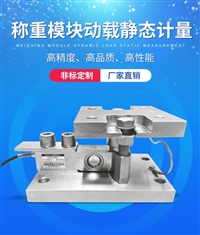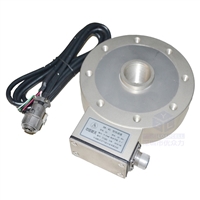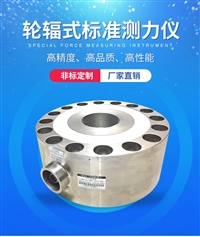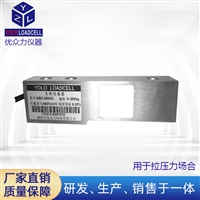

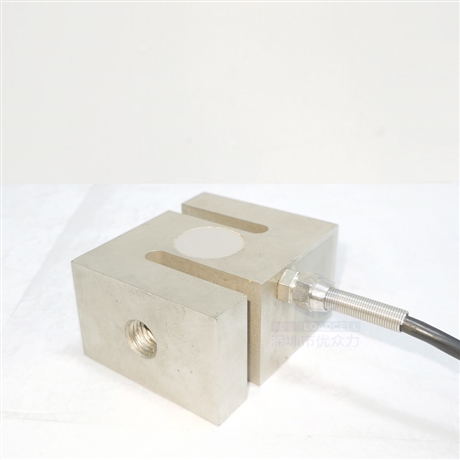

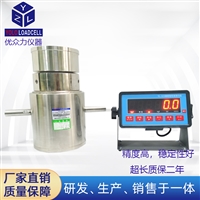



OAP weighing sensor PST-3T XK3101N force value digital display instrument
Category:
electron/Sensors, sensitive components/force sensor
Model:
PST-3T/XK3101N
Brand:
Youzhongli
Retail Price
180.00USD
重量
kg
- Product Description
-
Description :
OAP weighing sensor PST-3T XK3101N force value digital display instrument:

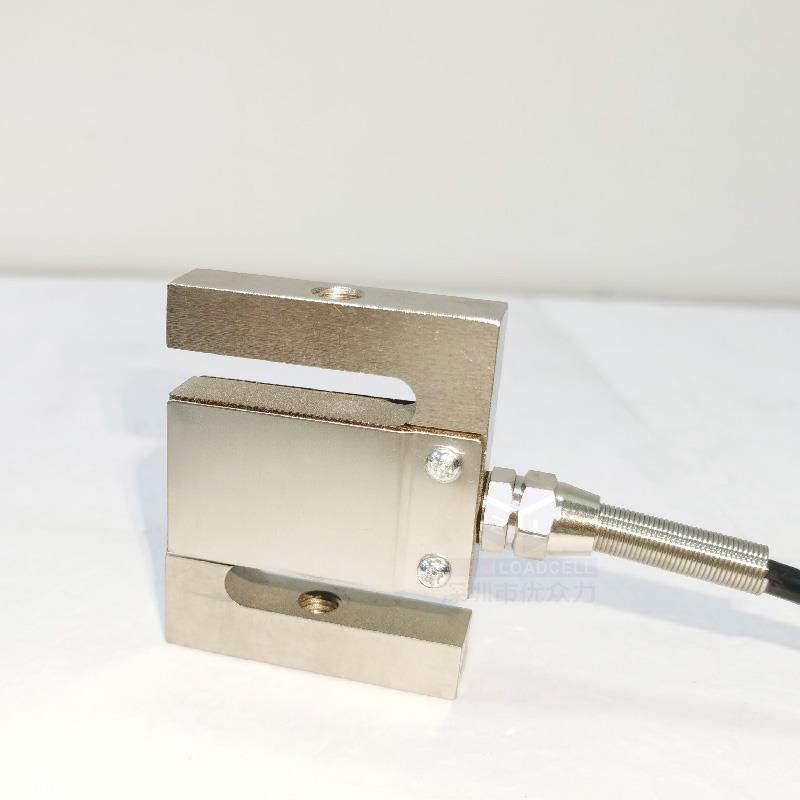
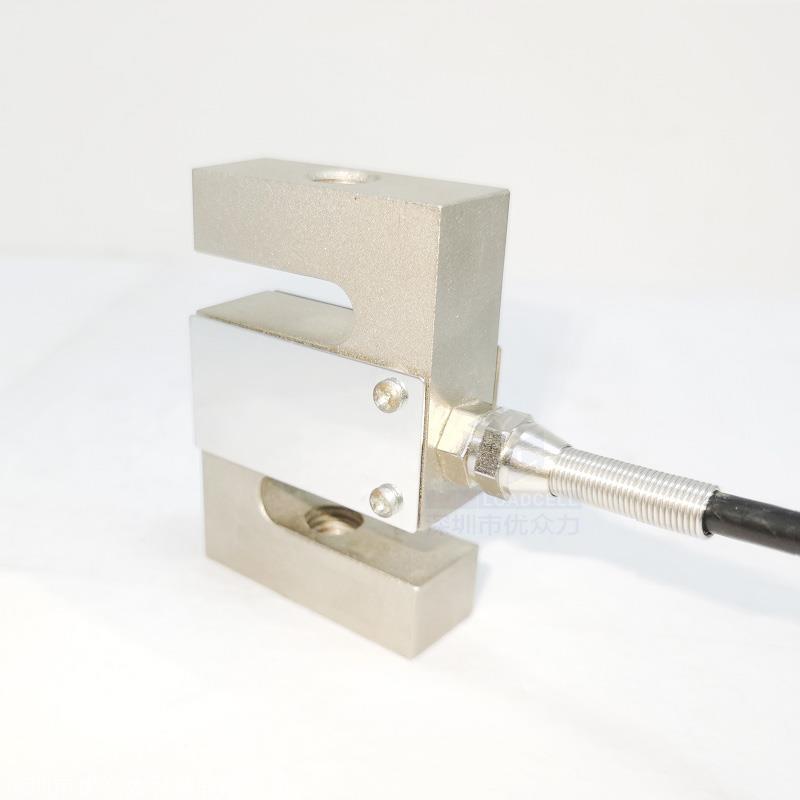
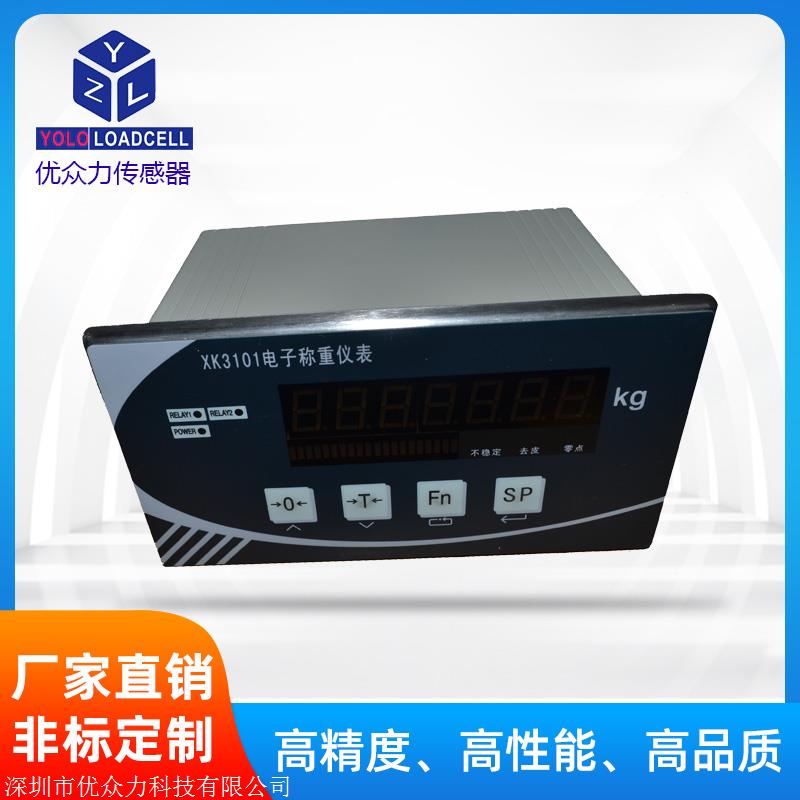
OAP weighing sensor PST-3T XK3101N force value digital display instrument:
Product features and advantages:
--High precision;
--Stainless steel material;
--Fully sealed welding;
--Alloy steel material;
--Compact in size and aesthetically pleasing in appearance,
--Easy to install, fast, stable and reliable;
--S-type sensor; Certified by CMC and PA;
--Suitable for material testing machines, batching scales, mixing plants, and belt scales, etc
The approximate value of anchor head displacement can be obtained by using a millimeter scale fixed on the jack. To obtain the value of anchor head displacement, a dial gauge should be installed on a support structure that is not in contact with the jack, and the displacement caused by tension should be accurately recorded on the dial gauge. In order to obtain the tension load displacement relationship curve, it is usually required to measure the displacement to 0.1mm. The tensioning equipment should be kept in good working condition and calibrated regularly to ensure the reliability of the test data. The testing instrument should be calibrated before each tensioning, and then checked once a month or once every 50-100 anchor rods are tensioned. The tensioning equipment should be calibrated every 3-6 months.
The tension hydraulic pressure calibration of a 300 ton and 500 ton standard force measuring instrument will cause deformation and damage to the material under a short-term strong load, and the corresponding organizational structure and properties will also undergo qualitative changes. The deformation behavior of materials under impact loads is manifested as a complex relationship between deformation and variables such as stress, strain rate (rate of change of strain over time), temperature, internal energy, etc., including strain rate induced stress of yield stress and flow stress, temperature effect, and historical effect of strain rate. This relationship can be described using high-pressure solid state equations and various constitutive equations. Under the action of impact load, materials have various dynamic failure modes, mainly manifested in the following aspects: ① local large deformation; ② Adiabatic shear failure caused by temperature effect; ③ Collapse damage caused by stress wave interaction; ④ Dynamic brittleness caused by strain rate effect. The mechanical properties of these aspects are characterized by various aging, coupling of thermal and mechanical work, as well as limited volume deformation and plastic distortion. Sometimes these characteristics exist simultaneously, while other times a certain point is more prominent. The special microstructural changes caused by impact loads in materials, such as dynamic phase transitions, some of which are irreversible, still have a significant impact on the mechanical properties of the material after the load is removed. This phenomenon is called the residual effect of impact loads.
AfterSalesService :
Key words:- OAP weighing sensor PST-3T