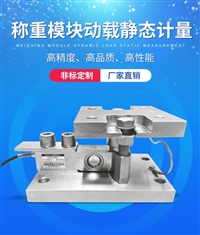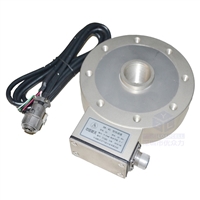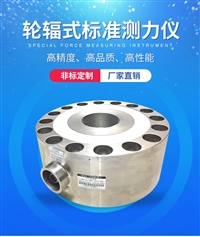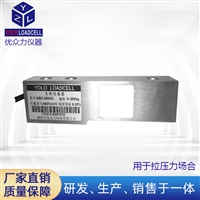


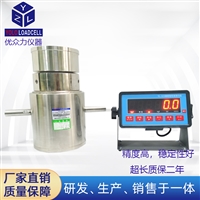
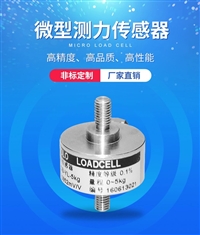


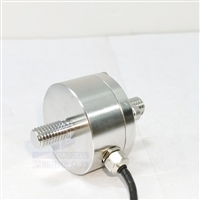

Twin screw weighing sensor 100kg force sensor 200kg in stock
Category:
electron/Sensors, sensitive components/force sensor
Model:
Twin screw weighing sensor 100kg/force sensor 200kg
Brand:
Youzhongli
Retail Price
180.00USD
重量
kg
- Product Description
-
Description :
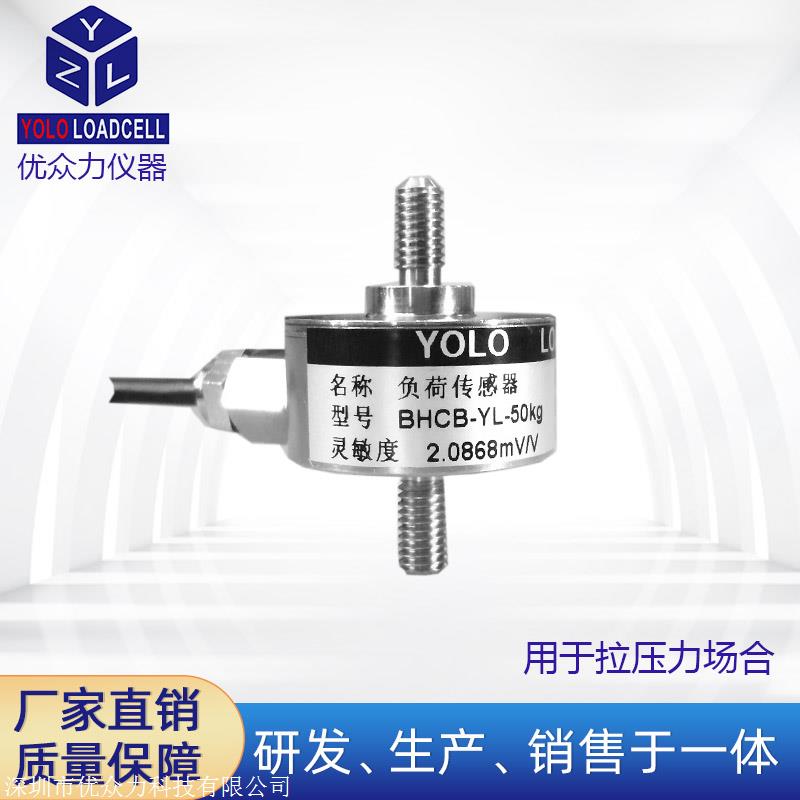
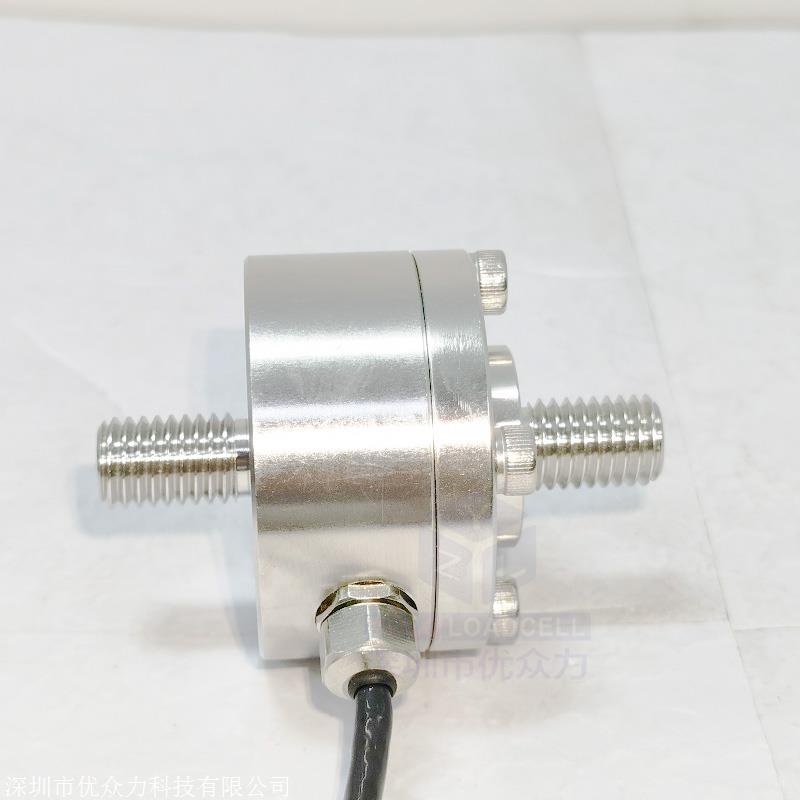
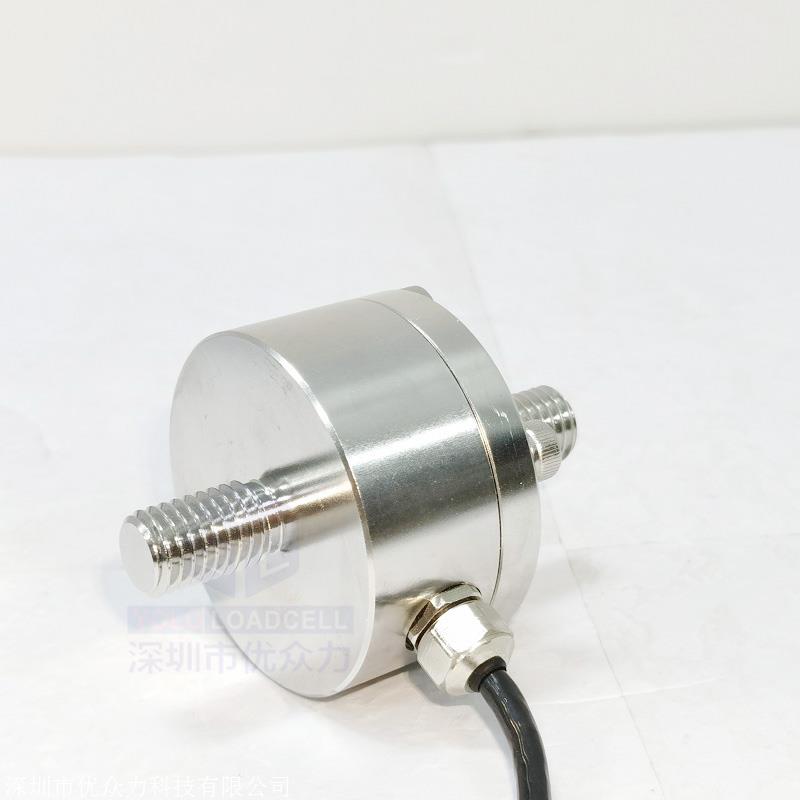
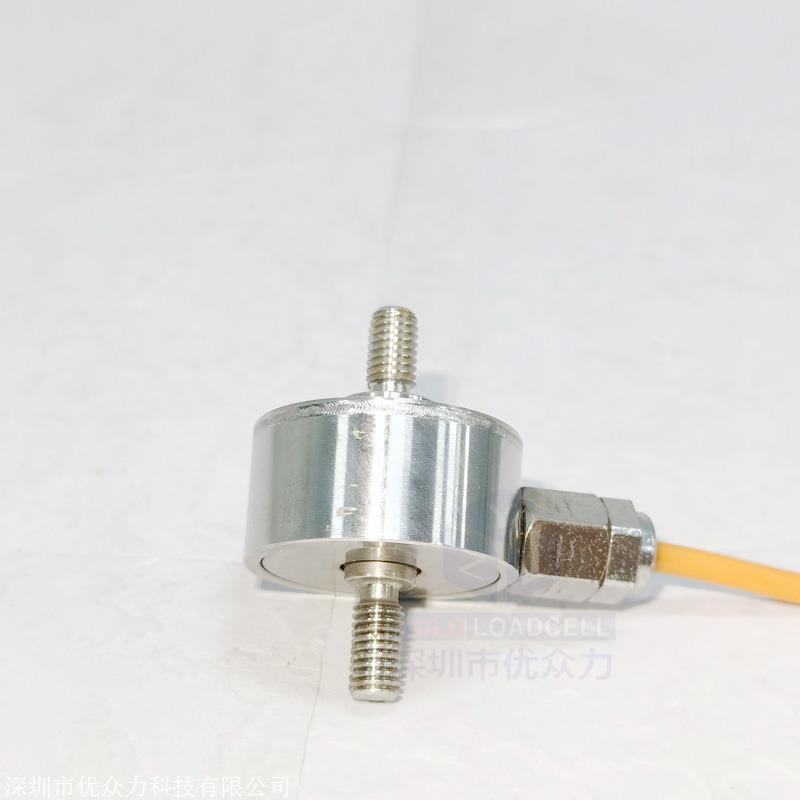
Twin screw weighing sensor 100kg force sensor 200kg inventory:
Tension sensors are widely used in our industrial areas. Currently, many companies attach great importance to the installation and use of tension sensors. When using tension sensors, we first need to have a certain understanding of the functions and principles of tension measurement. Only in our work can we measure high precision. The advantages of tension sensors are high precision, wide measurement range, long service life, simple structure, and good frequency response.
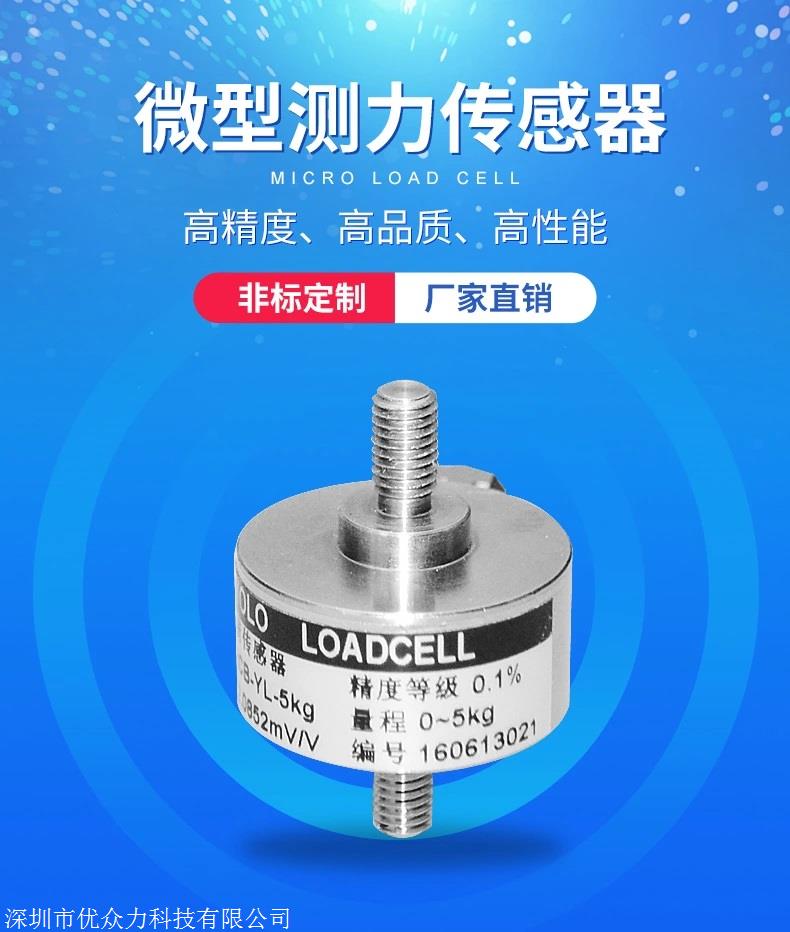

Twin screw weighing sensor 100kg force sensor 200kg inventory:
Tensile pressure sensor, also known as resistance strain sensor, belongs to the weighing sensor series and is a device that converts physical signals into measurable electrical signals for output. Widely used in force measurement applications such as industrial weighing systems, platform scales, electronic scales, hook scales, and batching scales.
The tension and pressure sensor is mediated by an elastic body, which changes its resistance value by applying force to the resistance gauges on both sides of the sensor, and then converts it into an electrical signal through the corresponding circuit to achieve subsequent control. Its advantages are high precision, wide measurement range, long lifespan, simple structure, and good frequency response characteristics.
Optoelectronic sensors include two types: grating type and encoder type.
Grating sensors use Moir é fringes formed by gratings to convert angular displacement into photoelectric signals. There are two gratings, one is a fixed grating and the other is a moving grating mounted on the dial axis. The measured object added to the load-bearing platform rotates the dial axis through a force transmission lever system, driving the moving grating to rotate and causing the Moir é fringes to also move. By using phototubes, conversion circuits, and display instruments, the number of Moir é fringes that have passed can be calculated, and the size of the grating rotation angle can be measured to determine and read the mass of the object being measured.
The code wheel (symbol board) of the code wheel sensor is a transparent glass mounted on the dial shaft, with black and white codes encoded according to a certain coding method. When the measured object added to the load-bearing platform rotates the dial shaft through a force transmission lever, the code wheel also rotates a certain angle. The photovoltaic cell will receive light signals through the encoder and convert them into electrical signals, which will then be digitally processed by the circuit and displayed on the monitor as numbers representing the measured quality. Optoelectronic sensors were mainly used in electromechanical scales.
The hydraulic sensor, as shown in Figure 4, increases the pressure of the hydraulic oil when subjected to the gravity P of the measured object, and the degree of increase is proportional to P. By measuring the increase in pressure, the mass of the object being measured can be determined. Hydraulic sensors have a simple and sturdy structure, a large measurement range, but the accuracy generally does not exceed 1/100.
Electromagnetic force sensors work based on the principle of balancing the load on the load-bearing platform with electromagnetic force. When the tested object is placed on the load-bearing platform, one end of the lever tilts upwards; The photoelectric component detects the tilt signal, which is amplified and flows into the coil to generate electromagnetic force, restoring the lever to a balanced state. The mass of the measured object can be determined by digital conversion of the current that generates electromagnetic balance force. Electromagnetic force sensors have high accuracy, reaching 1/2000 to 1/60000, but the weighing range is only between tens of milligrams and 10 kilograms.
AfterSalesService :
Key words:- Double screw weighing sensor 100kg