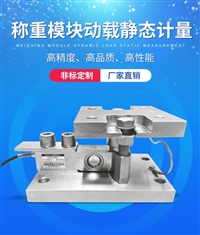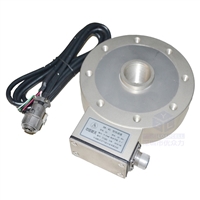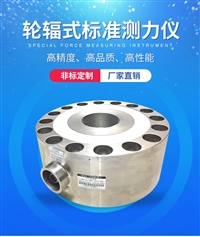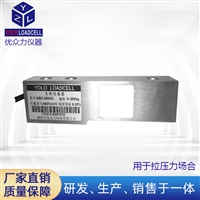

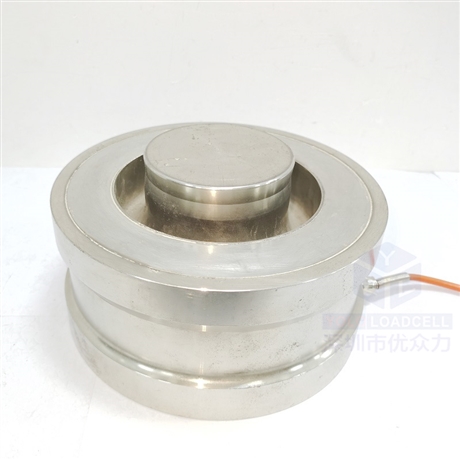

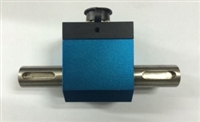
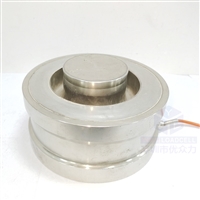
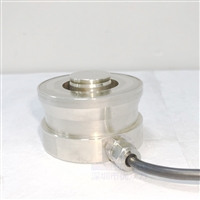


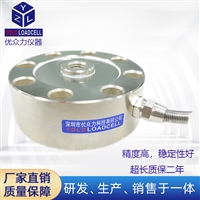
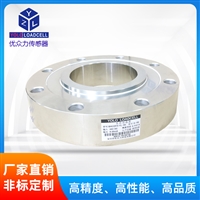
NHS-A-47T torque sensor OAP weighing sensor 30kN
Category:
electron/Sensors, sensitive components/force sensor
Model:
NHS-A-47T/30kN
Brand:
Youzhongli
Retail Price
180.00USD
重量
kg
- Product Description
-
Description :
NHS-A-47T torque sensor OAP weighing sensor 30kN:

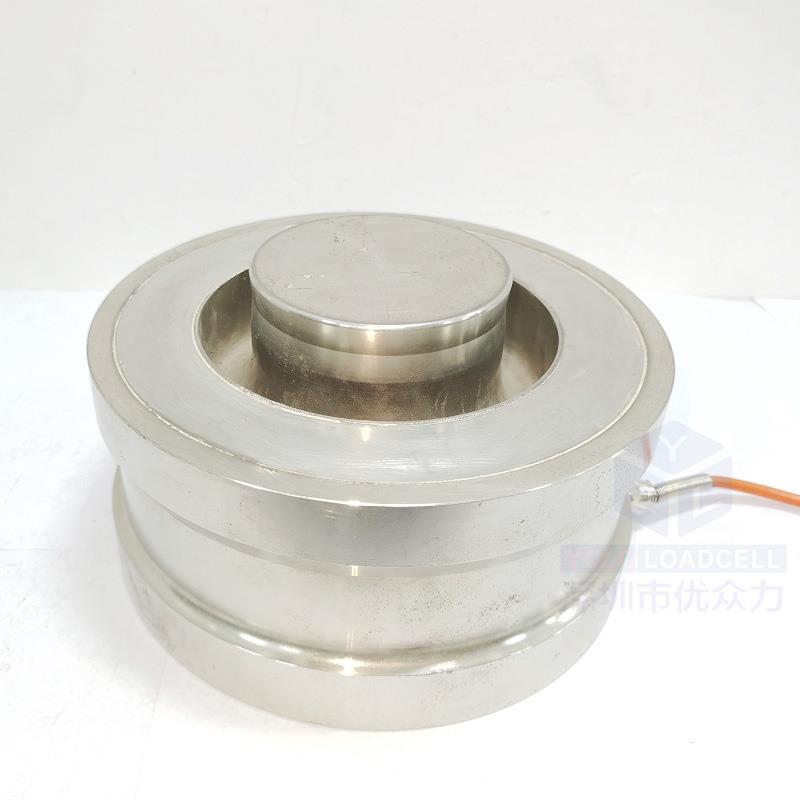


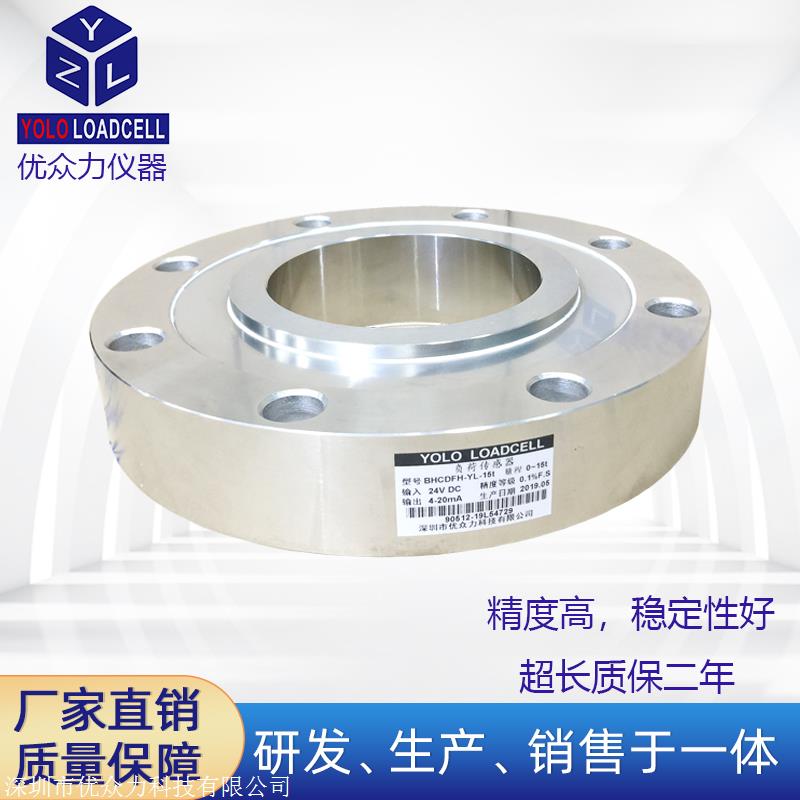
NHS-A-47T torque sensor OAP weighing sensor 30kN
Wheel spoke sensors have many characteristics, mainly including the following points:;
(I) Has good natural linearity. Because when it is subjected to load, the cross-sectional size of the spokes changes little and can be ignored, which avoids errors caused by size changes. At the same time, due to the use of equal arm full bridge circuits in the bridge, errors caused by asymmetric processing are eliminated.
(2) Due to its design based on the principle of shear action, the accuracy of the action point position has little impact on the accuracy of the sensor.
(3) It has good symmetry and can withstand large eccentricities and lateral forces.
(4) Has a lower height and a flat shape. It deforms less under load, so the interference between the tested structure and the sensor can be ignored.
(5) Due to the fact that the sensor is a monolithic structure, its thermal expansion is consistent in all directions, which allows for better thermal compensation in full bridge equal arm bridge circuits
(6) Strong overload resistance. Due to the high stiffness of the spokes and wheel diagram, when the elastic body is subjected to force, the deflection of the wheel flange is small, resulting in a high overload capacity.
(7) It can be designed in both tension and compression dual-use and dual output forms.
(8) The measuring range is wide, and it can be used to make force sensors (weighing sensors) ranging from 0.5 to 500 tons. The shortcomings of spoke type sensors are complex structure, difficult processing, and high cost. For this purpose, the cutting principle can be used to design a spoke type sensor with the same external dimensions and accuracy as the spoke type sensor.
Considering the influence of gravity acceleration and air buoyancy on conversion in different usage locations, the performance indicators of weighing sensors mainly include linear error, hysteresis error, repeatability error, creep, zero temperature characteristics, and sensitivity temperature characteristics. In various weighing instruments and quality measurement systems, the comprehensive error is usually used to control the accuracy of the sensor, and the comprehensive error band is linked to the weighing instrument error band in order to select the weighing sensor corresponding to a certain accuracy weighing instrument. The International Organization for Legal Metrology (OIML) stipulates that the error band δ of sensors accounts for 70% of the error band Δ of weighing instruments. The sum of linear error, hysteresis error, and error caused by the influence of temperature on sensitivity within the specified temperature range of weighing sensors cannot exceed the error band δ. This allows manufacturers to adjust the various components that make up the total measurement error in order to achieve the desired accuracy.
Category Editor:
Weighing sensors can be classified into 8 types based on conversion methods, including photoelectric, hydraulic, electromagnetic, capacitive, magnetic pole transformation, vibration, gyroscope, and resistance strain sensors. Resistance strain sensors are widely used.
When subjected to the gravitational force P of the measured object, the pressure of the hydraulic oil increases, and the degree of increase is proportional to P. By measuring the increase in pressure, the mass of the object being measured can be determined. Hydraulic sensors have a simple and sturdy structure, a large measurement range, but the accuracy generally does not exceed 1/100.
AfterSalesService :
Key words:- NHS-A-47T torque sensor