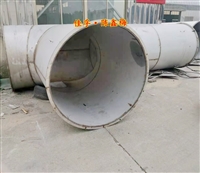

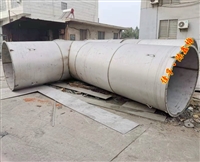
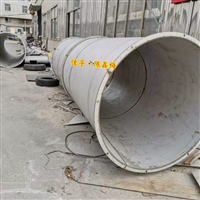
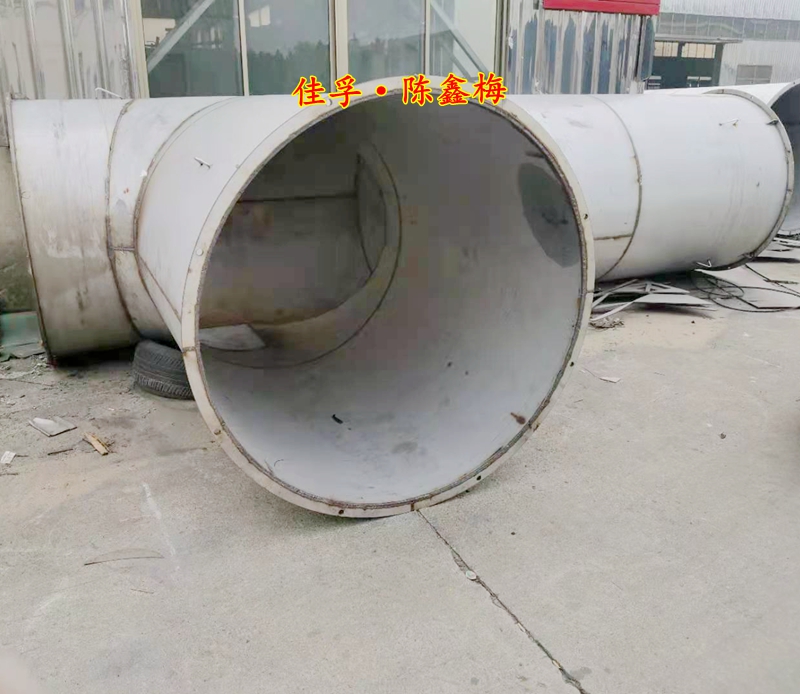
Welding of ultra large stainless steel ventilation ducts
Category:
machining/Mechanical processing/Welding and Bonding
Model:
Brand:
Jiafu Stainless Steel
Retail Price
4,200.00USD
重量
kg
- Product Description
-
Description :
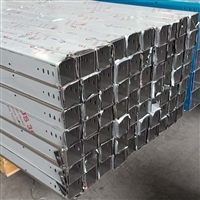
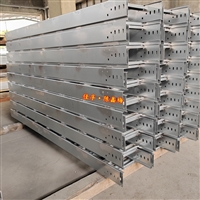
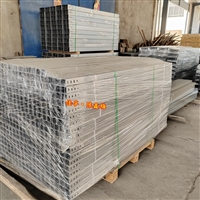
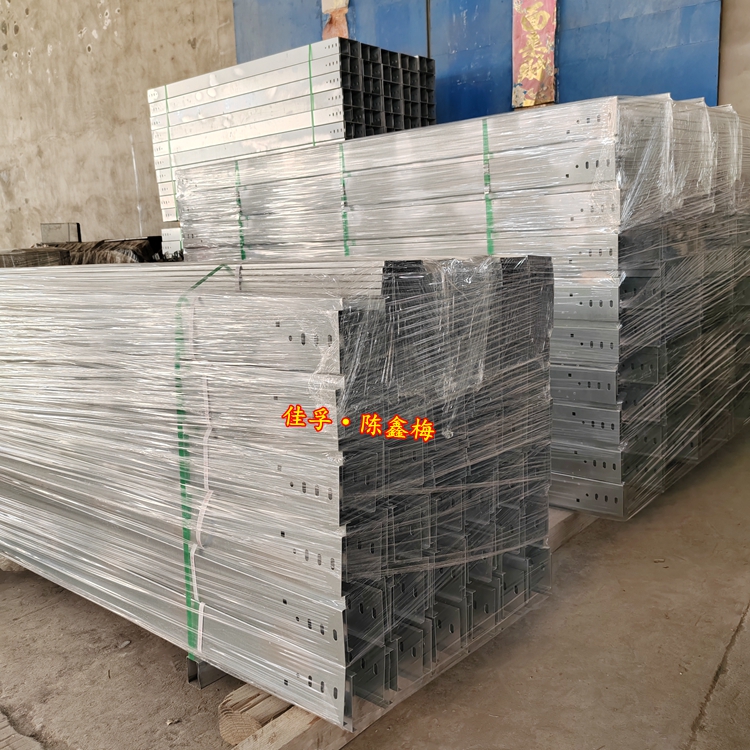
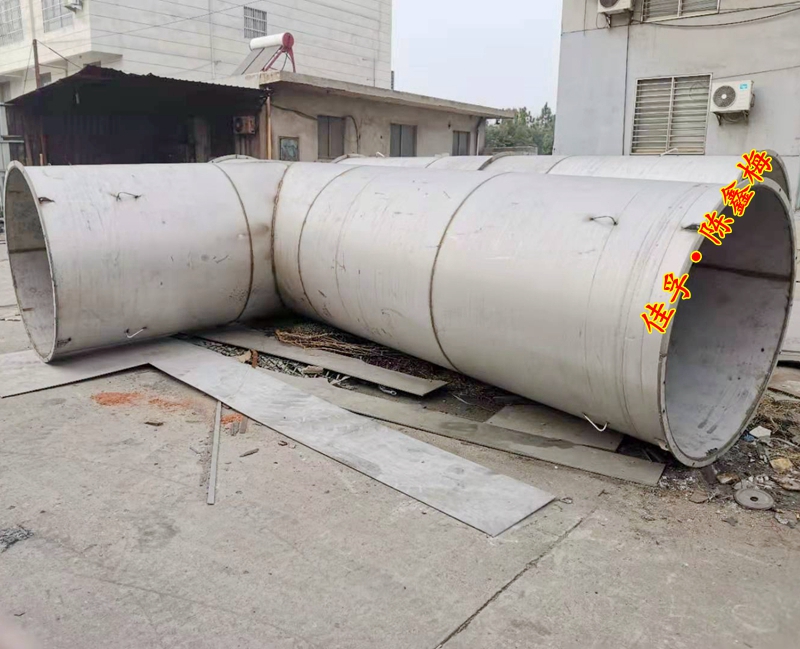
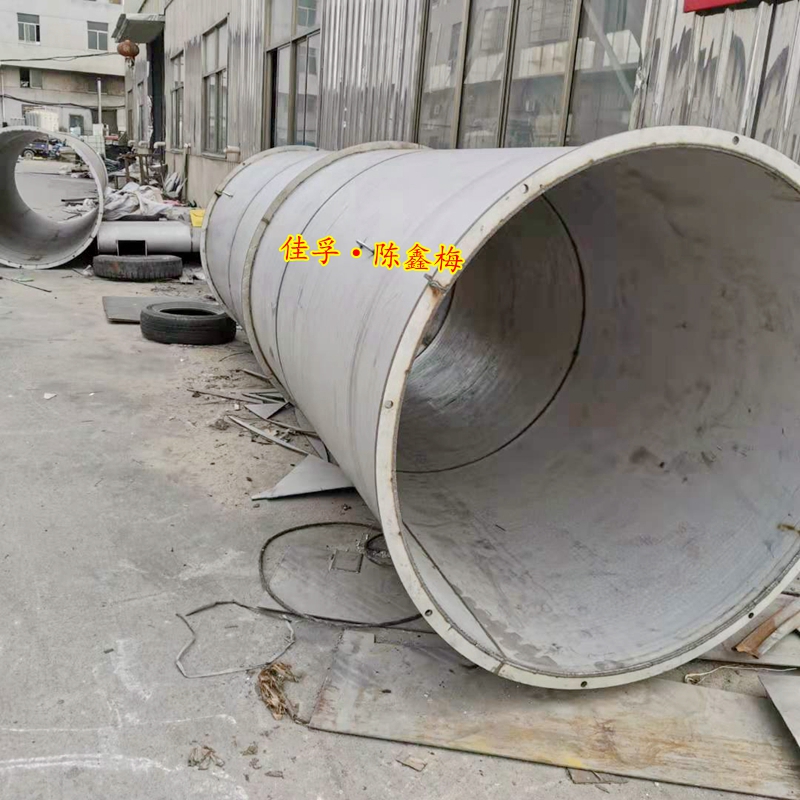
Welding of ultra large stainless steel ventilation ducts
Note: The above prices are only for the purpose of publishing product information and are not considered as actual product prices.
When welding stainless steel ventilation ducts, nitrogen arc welding or electric welding are generally used, and welding wires that match the base material should be used. Using argon arc welding, the heating is concentrated, the heat affected area is small, and local deformation is small. In addition, argon gas is a protective gas, and the welding quality is relatively high. When using arc welding, chalk powder should be applied to the surfaces on both sides of the weld to prevent welding slag and spatter from adhering to the surface. After welding, the welding slag and spatter should be removed, and acid washed with a 10% acid solution before rinsing with clean water.
The site for processing and manufacturing stainless steel ventilation ducts should be paved with wooden or rubber boards, and the iron filings, rust, and debris on the boards should be cleaned up. When cutting and marking, sharp metal marking needles should not be used to mark or punch the surface. A pre made template should be used for cutting to avoid damaging the stainless steel surface. When cutting stainless steel plates, do not overload the equipment and carefully adjust the gap between the upper and lower blades, which is usually 0.04 times the thickness of the plate.
When processing and manufacturing stainless steel ventilation ducts, if the plate thickness is less than 1mm, a bite connection should be used, and the bite width should be wider than that of ordinary steel plates, generally 12-14mm, and the flange should be riveted with stainless steel rivets. When the plate thickness is greater than 1mm, welding should be used instead of gas welding. When manually biting, use wooden, stainless steel, or copper tools instead of ordinary steel tools. When using mechanical processing, it is necessary to remove iron filings, rust, and debris from the machine. Bite should be completed in one go. If done multiple times, it will cause difficulty in processing and is prone to cracking.
AfterSalesService :
Key words:- Stainless steel ventilation duct
More Products